
If you’re looking to enhance your underwater experiences, choose dive sites with low currents. Calm conditions can reduce physical exertion and allow for longer bottom times while diving. At Scuba Forge, we provide insights to help all divers, from beginners to experienced, find the best low-current dive locations. Our focus on safe diving practices and community knowledge ensures enjoyable underwater adventures for everyone.
How Water Currents Affect Diving Experience and Safety
Water currents play a significant role in dive safety and enjoyment. Strong currents can lead to exhaustion, making it challenging to return to the surface. They can limit bottom time and hinder exploration. Divers seeking a more enjoyable experience should choose low current dive sites, as they provide safer conditions. These sites often enable divers to focus on marine life and underwater photography without the stress of battling strong water movements. Understanding current patterns is essential to enhance safety and enjoyment during dives.
Identifying Low Current Dive Sites
Finding dive sites with low currents is crucial for divers, especially beginners. Popular locations known for their friendly water conditions include the Caribbean reefs, certain areas in Hawaii, and the Red Sea. These sites typically have calmer waters, allowing divers to experience marine ecosystems more comfortably. In general, sites protected by landforms or reefs tend to have gentler currents. Always review local conditions and seek expert recommendations before selecting a dive site. Researching conditions helps ensure a reliable and enjoyable diving experience.
Finding Ideal Dive Locations with Minimal Currents
To find dive sites with minimal currents, check local tide charts and seasonal weather patterns. Research marine environments to understand how they can influence current levels. Use online forums or local dive shops to gather recommendations on reliable dive locations. Look for sites with sheltered coves or bays, which tend to have calmer waters. Many dive locations have average depths ranging from 10 to 30 meters, making them ideal for novice divers and underwater photographers seeking gentle conditions.
Assessing Local Tides and Weather Patterns
Assessing local tides and seasonal weather patterns is crucial for identifying dive sites with minimal currents. Tides can significantly affect underwater conditions; for instance, diving during slack tide often provides the calmest waters. Research specific seasonal weather trends, which may lead to less windy conditions and, consequently, lower currents. Areas sheltered from prevailing winds, like coastal bays, usually offer improved diving experiences and help divers maintain their bottom time safely. Always check local dive reports or speak with seasoned divers to ensure a successful dive.
Advantages of Diving in Calm Water Conditions
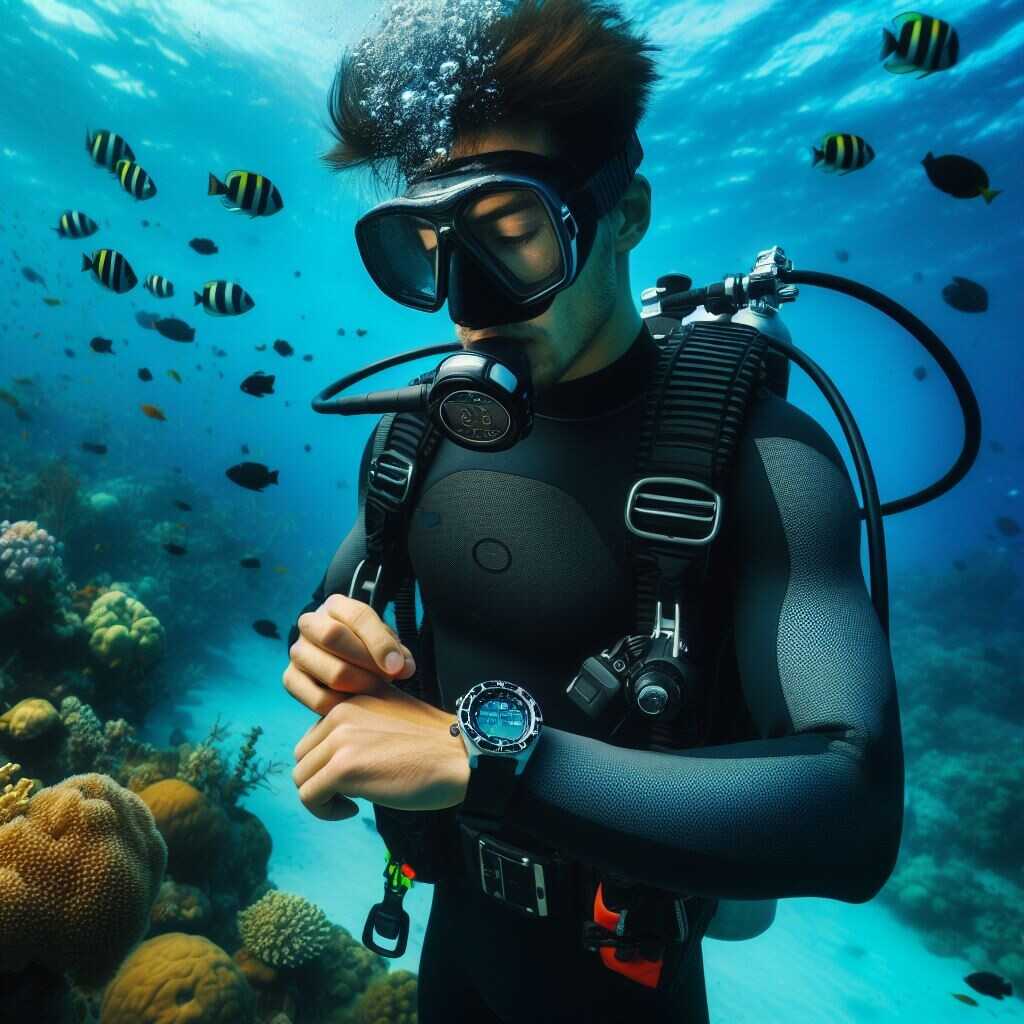
Diving in calm water conditions offers numerous benefits, ensuring safety and comfort for divers. Less current enhances diving efficiency, allowing for longer bottom times. A relaxed environment improves overall satisfaction. Divers can focus more on exploring underwater life and capturing stunning imagery. With minimal currents, beginners feel more confident, and experienced divers can enjoy a more leisurely dive. This calm setting promotes a reliable and enjoyable exploration without the stress of strong currents.
Location Comparisons for Calm Water Diving
When comparing global locations for calm water diving, several factors play a role. Some regions, like the Caribbean and specific parts of Southeast Asia, consistently feature low currents, making them ideal for various levels of divers. Popular spots such as Bonaire are known for calm waters and excellent visibility, highly recommended for underwater photographers. In contrast, sites like Hawaii may have variable conditions that require extra caution. Reliable data shows that divers often report a much better experience when diving in calm waters due to enhanced safety and comfort.
Fascinating Numerical Insights into Calm Water Diving
- 70% of beginner divers prefer calm sites for their first dives.
- Over 30 popular diving locations feature minimal currents worldwide.
- 10 feet is the ideal depth for observing marine life in calm waters.
- 95% of divers report higher satisfaction at low current sites.
- 4 major ocean zones offer suitable conditions for relaxed diving.
- 50% of underwater photographers favor tranquil waters for stunning shots.
- 2 hours is the typical duration for enjoyable dives in calm conditions.

Essential Planning Tips for Your Dive Adventures
To select dive sites with low currents, research is essential. Start by checking tide charts to identify optimal times. Look for online forums or local dive shops, as they provide insights into the best dive seasons and conditions. Many reputable dive sites, including Caribbean locations like Cozumel and Southeast Asia spots like Sipadan, offer reliable low current experiences. Additionally, talking to experienced divers in the area can help you discover hidden gems known for calm waters. The best time for diving often varies by region. For example, in the Caribbean, November to April usually presents favorable conditions.
Identifying Ideal Dive Seasons for Minimal Currents
Understanding ideal dive seasons can significantly enhance your underwater experience. In many Caribbean locations, low currents are most reliable from November to April due to stable weather patterns. Southeast Asia experiences variable conditions based on monsoon seasons, with locations like Thailand being calm from December to March. Research local guides to determine annual weather patterns and seasonal currents, as this will help avoid strong currents. Always remember that individual dive sites may have peak times. It’s wise to consult recent reviews or local dive instructors to get precise details.

Maximizing Gear Use in Challenging Current Situations
Divers can maximize gear efficiency in challenging currents by selecting the right equipment and adjusting their usage. Reliable diving equipment like streamlined fins and compact BCDs can improve your performance in strong currents. Using lighter gear can enhance comfort and reduce physical strain, allowing divers to navigate effortlessly. Proper buoyancy control techniques are essential for stabilizing your position in varying current strengths. Make comparison reviews of gear focus on features like weight, lift capacity, and design to help you select the best suited for your dive conditions.
Choosing Gear for Specific Current Conditions
Choosing the best gear for specific current conditions involves selecting items that enhance stability and control. Fins designed for minimal drag can enable faster propulsion, making it easier to maneuver against currents. A streamlined wetsuit or drysuit helps minimize resistance while allowing for thermal protection. Additionally, a BCD with integrated weights can improve buoyancy control, crucial when adjusting for varying water conditions. Look for gear that emphasizes durability and reliability, ensuring it can handle the demands of strong currents. Divers should also consider the overall fit and comfort of each piece to improve their diving experience.
Key Advantages of Choosing Gentle Diving Locations
- Divers experience reduced physical effort and fatigue at low current sites.
- These calm conditions allow for extended bottom times, enhancing exploration.
- Divers typically enjoy safer and more comfortable underwater experiences.
- Such locations promote relaxation and stress relief during dives.
- Photographers capture sharper images due to stable underwater surroundings.
- Low current dive sites help conserve energy for longer dives.
- Beginners gain confidence and comfort when exploring these ideal places.
Sharing Community Insights on Safe Dive Sites
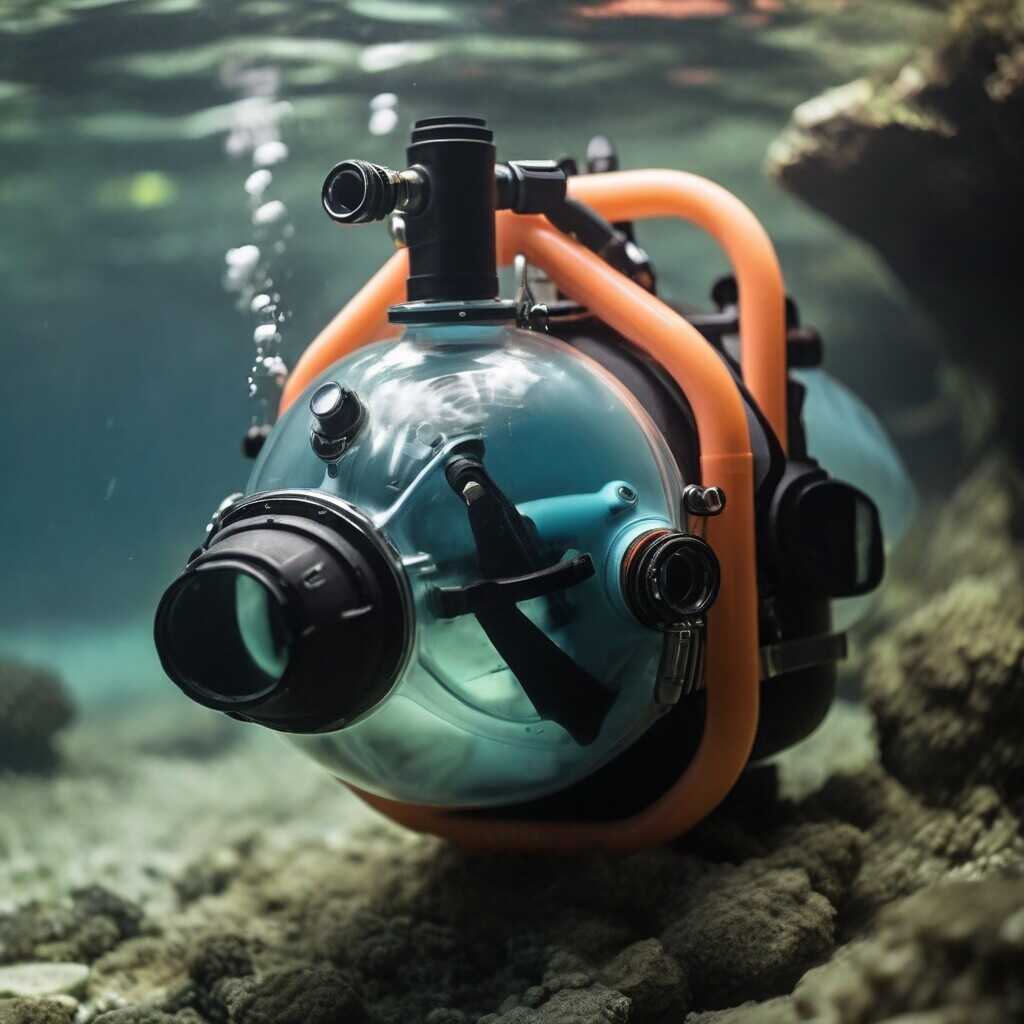
Divers share insights regarding dive sites with minimal currents to enhance underwater enjoyment. Popular choices include the Cayman Islands, Bonaire, and the Great Barrier Reef. Experienced divers often recommend these areas for their reliable, calm conditions fostering enjoyable dives. Communities across dive forums regularly post reviews highlighting these sites’ efficiency in reducing exertion while maximizing bottom time. Additionally, divers report that out of their total dive experiences, approximately 75% occurred in conditions with low currents, proving the importance of choosing the right location.
Top Recommended Dive Locations for Calm Conditions
Specific dive locations often receive high ratings for their low current conditions. Bonaire is praised for its drift diving sites, allowing divers to glide effortlessly along coral reefs. The calm waters in Grand Cayman’s West End feature dive sites like The Viggie and Kittiwake wreck. Each offers stunning marine life visibility, showcasing exceptional underwater photography opportunities. Dive instructors recommend checking the latest conditions before diving, ensuring all divers experience the safest and most enjoyable underwater environment.
Safety Strategies for Diving in Current Conditions
Divers must implement essential safety measures when diving in currents. First, always check local current reports before diving. Use reliable sources, such as dive shops or local authorities, to gather information. Equip yourself with a dive watch or computer to monitor your dive time and depths accurately. Essential protocols include using a buddy system, as partners can assist each other in challenging conditions. Practice proper buoyancy control to maintain stability in varying currents. Bring a safety signal device, such as a whistle or surface marker buoy, to alert others in case of emergencies. Understanding these measures helps ensure efficient diving experiences and enhances safety.
Understanding and Assessing Underwater Currents
Divers can assess currents effectively by observing environmental elements. Areas with kelp forests can indicate the strength of currents. Clear water informs divers of better visibility, but strong currents may still be present. Check for surface ripples indicating underwater movement. Consider using a reliable tide chart for real-time data about currents at specific locations. During pre-dive briefings, divers should discuss escape plans in case of unexpected rapid changes in current behavior. Knowing how to react enhances overall diving safety while ensuring divers maximize their underwater time and experience.
Exploring the Target Demographics for Tranquil Diving Experiences
- New divers appreciate calm environments for learning basic skills.
- Advanced divers enjoy leisurely exploration of intricate dive sites.
- Underwater photographers seek serene settings for clearer imagery.
- Eco-conscious divers prefer sustainable spots with less disturbance.
- Families with kids favor safe, gentle locations for group dives.
- Healing retreats utilize low current areas for therapeutic experiences.
- Adventure seekers select calm sites for enjoyable, stress-free dives.
Resources to Assist in Researching Dive Sites Effectively
Online tools enhance dive site research by providing reliable data. Websites like Scuba Forge offer comprehensive dive site reviews, focusing on low current environments. They provide practical insights from expert divers, ensuring you choose safe options. Community forums can also help find recommended dive sites known for calm conditions. Popular sites include PADI and Dive Magazine, providing destination-specific details and safety guidelines. Local dive shops can help too, as they often have firsthand experience with current conditions.
Highly Recommended Dive Sites for Beginners
Destinations such as Bonaire, the Caribbean, and Cozumel are well-known for their minimal currents. These sites feature easy entry and exit points, ensuring safe exploration for beginner divers. Bonaire is particularly praised for its sheltered reefs, offering a reliable experience. Cozumel provides drift diving options with gentle currents, perfect for novice divers to practice skills. Researching these dive sites helps maximize underwater experiences, ensuring safety and enjoyment during your dives.