
Choosing dive destinations with low plastic pollution is essential for supporting ocean conservation. By selecting locations that prioritize reduced plastic waste, divers can enjoy underwater beauty while protecting marine ecosystems. At Scuba Forge, we provide insights to help you make environmentally conscious decisions regarding your diving experiences. Our commitment to promoting eco-friendly practices ensures that divers can find the best practices for sustainability and conservation.
Understanding the Effects of Plastic Pollution on Marine Life
Plastic pollution severely impacts marine ecosystems and the organisms living within them. Sea turtles often mistake plastic bags for jellyfish, leading to ingestion that can result in death. Fish and marine mammals become entangled in plastic debris, causing injuries and impairing their ability to hunt or swim. Smaller marine organisms, like plankton, can also ingest microplastics, which introduces toxins into the food chain. Choosing dive sites with lower plastic pollution not only enhances your diving experience but also supports conservation efforts essential for protecting ocean biodiversity.
Identifying Heavily Affected Marine Areas
Regions like the Great Pacific Garbage Patch showcase the severe effects of plastic pollution on marine life. This area is known for high concentrations of microplastics and large debris that threaten numerous species. Research indicates that coastal areas where human activity is high often have the most plastic waste. Understanding these heavily affected marine areas helps divers select environmentally friendly dive destinations. Responsible diving enhances marine ecosystems’ health and fosters a culture of conservation.
Researching Dive Locations with Minimal Plastic Waste
Divers can use various methods to identify dive locations with low plastic waste. Start by researching eco-friendly dive sites through various reputable databases, like the Marine Conservation Society. Online platforms and forums can provide insights from experienced divers. Tools such as Google Earth can help visualize plastic pollution hotspots. Look for dive operators who practice sustainable tourism and have certifications in conservation. Many countries are implementing guidelines to address plastic pollution. As of 2025, more than 30 countries have adopted these initiatives to promote cleaner oceans.
Utilizing Eco-Friendly Diving Tools and Resources
To enhance your research on eco-friendly dive sites, consider using tools specifically designed for sustainability. Apps like “DiveSite” provide user-generated reviews and data related to plastic waste at various locations. Websites focused on marine conservation often share recommendations for non-plastic gear. Join community platforms where divers discuss experiences and recommend sustainable operators. This community-driven approach helps in making informed decisions, ensuring a dive experience contributes positively to ocean conservation. Proper research can make diving not only enjoyable but also a means for preserving the marine environment.

The Role of Dive Tourism in Supporting Ocean Conservation
Diving tourism can harm marine environments through coral damage, disturbance of marine life, and increased plastic pollution. Best practices, such as participating in clean-up events and following guidelines for interacting with marine life, can help minimize the ecological footprint during trips. Dive tourism can support ocean conservation by funding marine protected areas, promoting awareness of conservation issues, and improving community livelihoods through sustainable diving practices.
Effective Practices for Sustainable Diving
Effective practices for sustainable diving include using eco-friendly dive gear, adhering to buoyancy control techniques, and being cautious around fragile ecosystems. Divers should prioritize dive operators that emphasize environmental responsibility. Check for their participation in conservation initiatives or community projects. This not only enhances your experience but also ensures that your diving contributes to ocean conservation. Supporting certified eco-friendly operators improves marine environment protection and promotes sustainable tourism practices.
Numerical Insights on Marine Health and Waste
- Over 8 million tons of plastic enter oceans each year.
- Approximately 700 species are affected by marine debris.
- Less than 15% of plastic is recycled worldwide.
- Coral reefs can thrive with 30% lower pollution levels.
- Diving in clean spots can reduce marine life damage by 50%.
- In some areas, plastic pollution decreased by 20% after conservation efforts.
- Reports indicate 80% of ocean pollution comes from land sources.
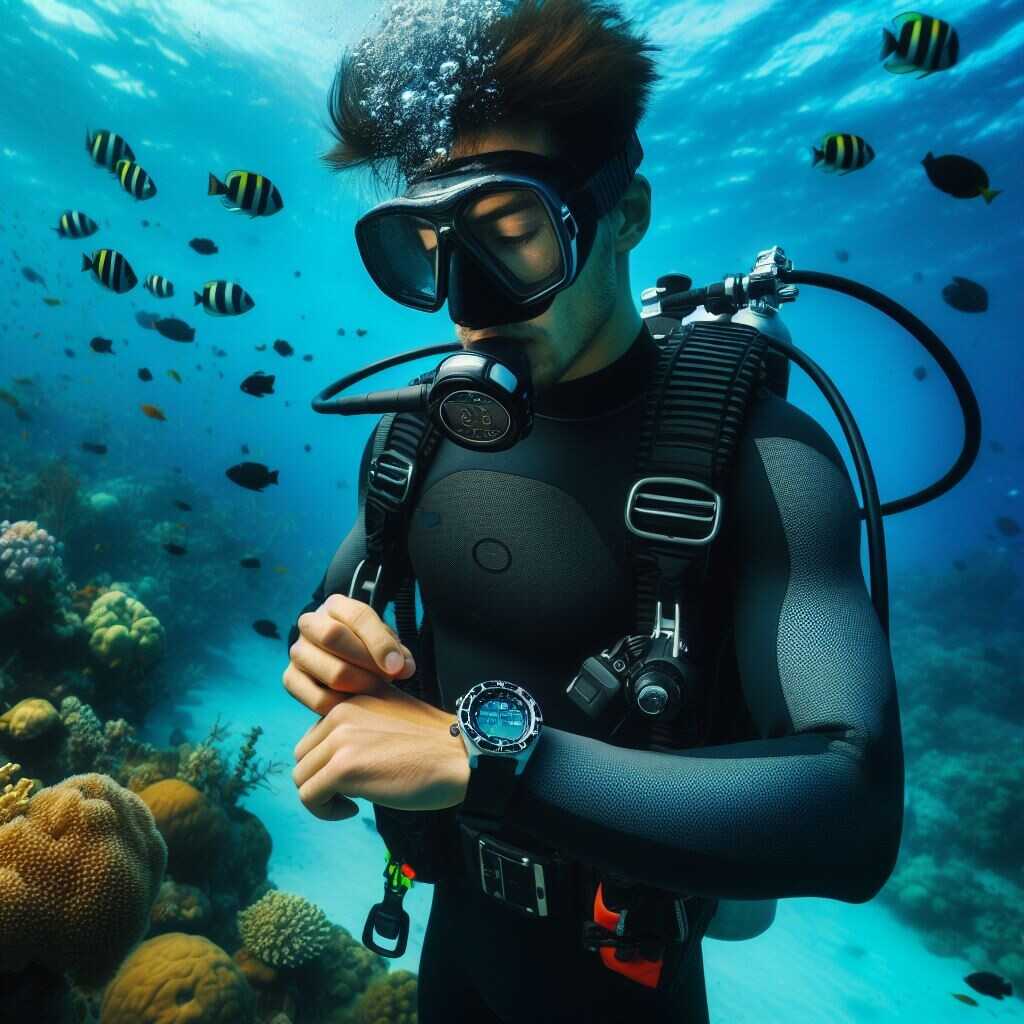
Assessing Dive Operators for Eco-Friendly Practices
To find out if a dive operator practices eco-friendly diving, check their commitment to sustainability. Look for operators implementing responsible waste management, such as plastic recycling programs. Ask if they participate in marine conservation initiatives and education for divers. Evaluate their use of eco-friendly gear. Certifications like Green Fins or similar programs can also indicate their dedication to sustainable practices. When considering experience, operators should have a proven record of promoting environmental conservation over the years, enhancing your diving experience through their expertise.
Exploring Sustainability Certifications for Dive Operators
Sustainability certifications for dive operators are essential indicators of their commitment to environmental conservation. Look for programs like PADI Green Star Award or the Green Fins initiative. These certifications provide standards for responsible diving, ensuring that operators minimize their ecological footprint. Research operators with these certifications to learn about their sustainable practices, such as offering marine conservation training. Divers should consider operators that not only emphasize fun and safe experiences but also educate them on reducing their impact while enjoying underwater exploration.

Participating in Local Conservation Initiatives While Diving
Divers can significantly impact local marine ecosystems by engaging in several conservation initiatives during their trips. Joining local beach clean-ups helps reduce plastic pollution in oceans. Many dive shops offer volunteer programs that focus on coral restoration and reef monitoring. Learning about endangered species and reporting sightings contributes to research and protection efforts. Additionally, divers can support sustainability by donating to environmental organizations or choosing eco-friendly accommodations that prioritize conservation efforts. These actions not only enhance the diving experience but also support marine conservation projects for future generations.
Exploring Volunteer Opportunities During Diving Trips
Divers can explore various volunteer opportunities that are essential for local conservation efforts. Programs like reef restoration allow divers to engage in hands-on activities that directly improve marine habitats. Many organizations partner with dive shops to offer training on coral gardening techniques. Volunteering to conduct surveys on fish populations provides valuable data for research. These opportunities enable divers to make a tangible difference while enjoying their diving adventures. Programs often have varying time commitments, making it easy to find one that fits any travel itinerary. Participating not only helps the environment but also enhances the knowledge and experience divers gain in local marine ecosystems.
Positive Outcomes of Choosing Cleaner Water Destinations
- Visiting low-plastic areas helps ecosystems recover and thrive.
- Clean dive sites promote healthier coral reefs and fish populations.
- Divers support local economies by choosing eco-friendly destinations.
- Increased awareness leads to community-led conservation initiatives.
- Enjoying unpolluted environments enhances personal diving experiences.
- It encourages responsible travel habits among other tourists.
- Clean areas attract more marine diversity, enhancing dive quality.

Selecting Sustainable Dive Gear for Your Underwater Adventures
Divers can choose sustainable diving gear by prioritizing quality materials like recycled plastics and organic fabrics. Look for eco-friendly brands that focus on minimizing the environmental impact of their equipment. Companies like Fourth Element and Patagonia produce gear designed with sustainability in mind, ensuring they help reduce plastic waste. Many eco-friendly brands provide gear that meets performance needs while committing to responsible manufacturing practices. By 2025, at least 15 companies are expected to become recognized leaders in environmentally responsible diving gear production, offering reliable options for divers.
Sustainable Materials for Dive Gear
Sustainable materials enhance the durability and performance of diving gear. Brands are increasingly using recycled materials for wetsuits and other equipment. For example, neoprene made from recycled products offers excellent insulation and flexibility. Eco-conscious manufacturers also explore alternatives like natural rubber and organic cotton for comfort and reliability. This focus on quality materials not only supports ocean preservation but also ensures that gear performs effectively during underwater exploration. Choosing gear made from sustainable materials can significantly improve a diver’s experience while promoting conservation efforts.
Raising Awareness through Shared Diving Experiences
Sharing personal diving stories is essential for promoting ocean conservation. Individual experiences can inspire others, raise awareness about environmental issues, and encourage responsible diving practices. Effective platforms to communicate these stories include social media, blogs, and diving community forums. Posting on popular platforms like Instagram, Facebook, and dedicated diving websites helps spread the message to a larger audience. By showcasing stunning underwater visuals and impactful narratives, divers can connect with others who care about ocean health. Research indicates that awareness campaigns reaching over a million individuals can lead to actionable changes in diving behaviors and conservation efforts.
Effective Communication Methods for Divers
Utilizing various communication methods enhances the spread of ocean conservation messages. Divers can create captivating blog posts that highlight their experiences and offer insights about local marine ecosystems. Video platforms like YouTube provide the opportunity to share visual stories, demonstrating both beauty and the degradation of underwater environments. Additionally, participation in diving webinars or community events fosters discussions on conservation efforts. Engaging visuals paired with compelling narratives showcase the critical state of marine life. By coming together on these platforms, divers can create a united voice for ocean conservation, emphasizing the need for responsible diving practices and environmental stewardship.
Demographics Favoring Eco-Conscious Diving and Exploration
- Families seek locations with safe, clean waters for children.
- Environmental activists prefer areas with strong conservation policies.
- Adventure travelers look for less commercialized destinations.
- Divers choosing eco-friendly spots prioritize low plastic pollution levels.
- Local communities benefit from increased tourism without harming nature.
- Students studying marine biology visit sites to learn about ecosystems.
- Photography enthusiasts seek pristine waters for stunning visuals.
Keeping Informed about Current Marine Conservation Efforts
Stay updated on marine conservation efforts by following relevant organizations. Some organizations include the Ocean Conservancy, World Wildlife Fund, and Mission Blue. They provide resources, research, and initiatives aimed at promoting ocean health and sustainability. In 2023, over 30 new marine protected areas were established worldwide. These protected areas help to conserve marine biodiversity, ensuring sustainable practices for future generations.
Key Organizations to Support Marine Conservation
Several key organizations work tirelessly to enhance marine conservation. The Ocean Conservancy focuses on research and advocacy for healthier oceans. The Marine Conservation Society emphasizes public engagement and reporting to improve ocean conditions. The Pew Charitable Trusts is known for its commitment to marine protected areas. Supporting these organizations can help provide essential resources and awareness for ocean health initiatives. Their research and advocacy aim to foster durable and sustainable marine ecosystems.