
Choosing the right dive destinations can greatly enhance your experiences by aligning with seasonal marine migration patterns. Understanding when and where marine life migrates helps divers encounter specific species during their travels. Scuba Forge provides valuable insights and recommendations for selecting optimal dive spots based on these fascinating patterns. This article will guide beginners and seasoned divers alike to discover the best times and places to immerse themselves in vibrant underwater ecosystems.
Exploring the Significance of Seasonal Marine Migrations
Seasonal marine migrations refer to the periodic movement of marine species in search of food, breeding grounds, or more suitable living conditions. These migrations are crucial for maintaining balance in the aquatic ecosystem. They ensure genetic diversity, enable food chain stability, and allow species to thrive. Divers can appreciate the best times to dive and the locations for encounters by understanding these patterns. Key migratory species include humpback whales, sea turtles, and various species of fish like sardines and mackerel. Divers seeking to encounter these creatures can find them in popular migration sites such as the waters of Madagascar, the coasts of California, and the Great Barrier Reef. Annually, more than ten significant migration patterns can occur, each uniquely impacting local ecosystems.
Identifying Key Migratory Species for Divers
For divers, knowing key migratory species enhances the underwater experience. Humpback whales migrate from polar waters to warmer breeding grounds, making locations like Tonga ideal between June and November for encounters. Sea turtles travel thousands of miles, with their nesting sites concentrated in places such as Costa Rica and the Great Barrier Reef. Sardine runs, which occur in South Africa, attract a variety of predators, providing thrilling diving opportunities. Understanding these specific migratory patterns allows divers to plan trips effectively and enhance their marine interactions.
Identifying Key Marine Species and Their Migration Patterns
Many marine species are known for their seasonal migrations. Notable examples include the humpback whale, which travels around 3,000 miles, the loggerhead sea turtle, and the great white shark. These migrations happen for breeding, feeding, and survival. During migration, species like the Atlantic salmon undergo significant behavioral and physiological changes. Understanding these behaviors enhances your chances of spotting them at specific dive sites. For instance, diving in the waters off Maui during humpback migration season provides excellent opportunities for whale interactions as they breed, mate, and nurse their calves.
Exploring Specific Migration Periods for Key Marine Species
Every year, specific periods mark the peaks for different migratory species. For example, humpback whales migrate to the warm waters of Hawaii from December to April. Meanwhile, the migration of the great white shark peaks from August to October, primarily along the California coast. Knowing these specific migration windows enables divers to plan trips around these events. This careful timing increases the chance of memorable underwater encounters with these majestic creatures. Opting for dive sites during these peak periods is essential for experiencing rich marine life diversity.

Best Dive Locations for Optimal Migration Encounters
Some of the best dive locations for witnessing seasonal marine migrations include the Great Barrier Reef in Australia, Cocos Island in Costa Rica, and the Red Sea in Egypt. These places provide incredible opportunities to observe schools of fish, manta rays, and whale sharks during their migration periods. For example, Cocos Island attracts hammerhead sharks from December to May, while the Great Barrier Reef is best from June to November for underwater encounters with migrating turtles. The diversity of marine species makes these destinations ideal for divers seeking unique experiences.
Key Migration Species to Look For
At these top dive destinations, divers can encounter a variety of fascinating species during migration. In the Great Barrier Reef, expect to see humpback whales migrating between June and November. Cocos Island offers stunning sightings of hammerhead sharks from December through May. The Red Sea is known for its yearly influx of barracudas and the majestic mantas, especially from late summer to early fall. Understanding these peak times is essential for divers to enhance their underwater experience and guarantee reliable sightings.
Key Numerical Data for Timing Underwater Excursions
- Over 1,000 marine species migrate seasonally across various oceans.
- Monthly migration patterns vary; some species move weekly, while others shift annually.
- Migration distances can reach up to 1,200 miles for species like humpback whales.
- 80% of divers report enhanced experiences during peak migration times.
- Research indicates that 50% of marine turtles travel thousands of miles each season.
- Studies show sharks follow specific routes based on water temperature and food availability.
- Marine biologists track over 200 species for their seasonal movement patterns.

Strategies for Planning Dive Trips Around Migration Events
When planning dive trips around marine migration events, consider essential factors such as the timing of species migrations, locations known for these events, and the type of marine life you want to see. For example, know the best months for whale sharks or manta rays to optimize your underwater encounters. Research migration hotspots like the Great Barrier Reef and utilize reliable resources for updated migration schedules. Timing your dives correctly ensures that you enhance your adventure with the best possible experiences.
Choosing Optimal Locations for Marine Migration
Choosing the right locations for marine migration can significantly enhance your dive experience. Regions like the Maldives not only host diverse marine life, but also see various species, including hammerhead sharks and whale sharks, from December to May. Bougainville, in Papua New Guinea, features consistent pelagic fish migrations, great for underwater photographers. Research specific timing for these species as they vary by location. Utilize community-driven insights and dive reviews on platforms like Scuba Forge to find the best dive spots that align with your adventure goals.
Environmental Impacts and Responsible Diving Practices
Diving during migration seasons affects marine ecosystems significantly. Divers can inadvertently disrupt mating, feeding, and breeding behaviors of various species. Common interactions include physical contact with marine life and damage to coral reefs. Responsible diving practices promote environmental sustainability. These practices include maintaining distance from wildlife, avoiding touching coral, and using eco-friendly dive gear. Divers should also educate themselves on local regulations regarding wildlife protection.
Understanding Diver Interactions with Migrating Species
Understanding which marine species are most affected by diver interactions during migration is essential. Many species, like sea turtles and manta rays, are vulnerable to stress from nearby divers. As divers approach, animals can change their behaviors, leading to negative impacts on their natural routines. Practicing migration season awareness helps divers minimize their impacts. Adhering to diver interaction guidelines promotes wildlife conservation efforts and protects crucial habitats.
Key Advantages of Understanding Marine Life Patterns
- Enhances your underwater photography opportunities with unique marine encounters.
- Increases encounters with migratory species like manta rays and whale sharks.
- Improves overall dive experiences by aligning trips with migration periods.
- Boosts safety and awareness by knowing which species may be present.
- Gives divers a greater appreciation for marine ecosystems during seasonal changes.
- Encourages informed decisions for beginners regarding optimal dive locations.
- Facilitates eco-friendly tourism by promoting sustainable dive practices.

Essential Diving Equipment for Migration Conditions
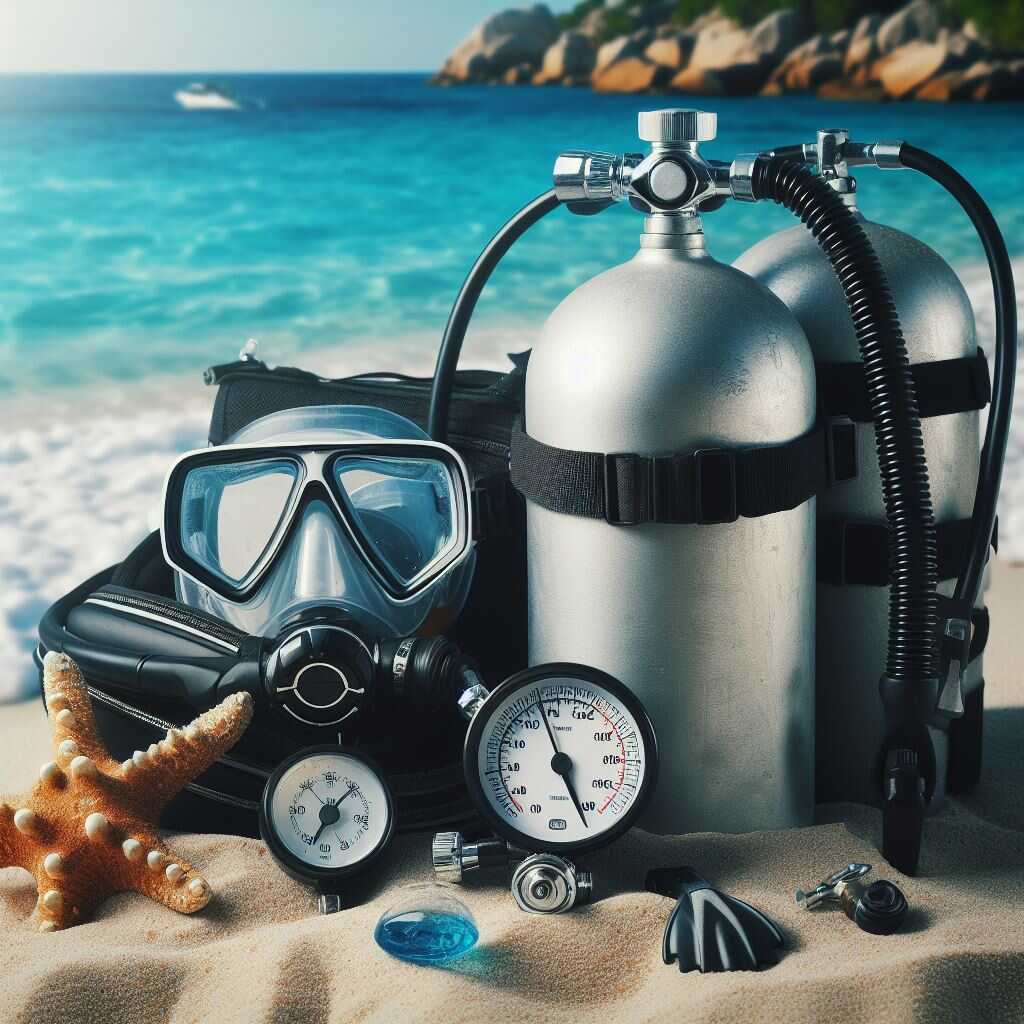
Choosing the right diving gear enhances safety and comfort during migration dives. Essential diving gear includes a reliable wetsuit or drysuit, fins designed for efficient propulsion, and a buoyancy control device (BCD) for stability. A dive computer helps track depth and time, ensuring safety in varying migration conditions. Underwater visibility equipment such as dive lights and a reliable mask aids in observing marine life. Consider integrating accessories like a signal device and a reliable dive knife for added safety and convenience. Each piece of gear plays a vital role in ensuring a successful migration dive experience.
Key Features to Look for in Migration Diving Gear
When selecting migration diving gear, prioritize features such as durability, comfort, and adaptability. Reliable wetsuits are often crafted from thick neoprene, providing insulation in colder waters. Fins should have a design that ensures maximum thrust, allowing you to navigate easily against currents. Buoyancy control devices with additional pockets offer convenient access to essentials during dives. Look for dive computers that offer multiple gas tracking to improve safety as you explore different depths. Quality underwater visibility equipment should be durable and enhance your ability to spot migratory species, maximizing your underwater encounters.
Sharing Insights and Experiences from the Diving Community
This section showcases stories that divers have shared about their migration encounters. Community contributions enhance your underwater experiences and provide valuable insights. By connecting with fellow divers, you can learn about various marine migrations. You will also discover the best times to dive to see specific species. The stories often include tips on dive gear best suited for these migrations, ensuring you are prepared for your underwater adventures. Engaging with the diving community enhances your understanding of seasonal marine migrations and enriches your diving experience.
Connecting with Fellow Divers
Finding like-minded divers to share insights about marine migrations can greatly enrich your experiences. Communities rise through forums, social media groups, and diving events. Many divers discuss their encounters with migrating species, such as whale sharks, manta rays, and sea turtles. Joining these groups can provide you with detailed information about best locations and times to dive. You also gain access to reliable advice about gear, travel tips, and personal safety recommendations. These connections can lead to fulfilling underwater experiences that enhance your understanding of marine life.
Brands and Demographics Focused on Marine Migration Awareness
- Scubapro provides gear aimed at professional divers needing high performance.
- Aqualung offers customizable equipment for divers exploring unique ecosystems.
- Beginner divers benefit from simple guidance on choosing migration-focused destinations.
- Marine researchers often use specialty gear for studying migratory species.
- Travel planners utilize insights from migration patterns to design unique dive vacations.
- Underwater photographers need specific lenses to capture migrating marine life.
- Recreational divers appreciate affordable options for accessing popular migration spots.
Final Thoughts on Leveraging Seasonal Migration for Diving Adventures
Divers should plan their trips around the seasonal migration patterns of marine species. Understanding the best times of year for diving can enhance underwater experiences significantly. Key species like whale sharks, humpback whales, and manta rays have specific migration periods. Knowing when and where to find these species helps divers create memorable interactions. Seasonal migration patterns vary by region, so divers should research locations to align their dives with these migrations. Many divers report that timing their trips with migrations resulted in the best underwater encounters and increased enjoyment. Divers can find resources on various species’ migrations to assist with planning.
Exploring Specific Migration Patterns for Dive Locations
Divers can enhance their underwater adventures by exploring specific migration patterns. For instance, in the Caribbean, the best time to dive with whale sharks is from June to September. Similarly, in the Pacific, mantas can be seen in abundance from December through March. Locations like the Galápagos Islands offer divers the chance to see both hammerhead sharks and sea lions from June to November. Research is crucial to finding reliable and up-to-date information about these migrations. Many dive planners and experienced divers share insights that provide invaluable data for creating the best dive itineraries. Leveraging this knowledge helps divers engage with marine life effectively.