
Choosing the right underwater camera housing is essential for ensuring depth protection and optimal performance during your dives. This guide will help you understand the key factors that make a housing effective for various diving conditions. At Scuba Forge, we emphasize the importance of safety, compatibility, and performance when selecting your underwater gear. With our comprehensive reviews, you can feel confident in your decision and enhance your underwater photography adventures.
Essential Features to Look for in Underwater Camera Housings
Understanding the essential features of underwater camera housings is crucial for effective underwater photography. Look for materials and durability that can withstand harsh underwater conditions. Ergonomic design significantly impacts handling and usability during underwater operations. Pressure resistance is vital, ensuring the housing can handle the depth you plan to dive. Peace of mind comes from robust waterproof ratings that protect your camera from water damage. Ensure camera compatibility with your specific model to maximize functionality in different underwater environments.
Important Considerations for Pressure Resistance in Camera Housings
Pressure resistance is essential when selecting an underwater camera housing. Most recreational models typically offer a standard depth rating of 30 to 60 meters. High-quality housings specifically designed can handle greater pressures, enabling safe dives even in deep waters. Consider housings tested by experts for their reliability at greater depths. This ensures your camera remains protected while providing excellent performance during underwater exploration. Proper seals and construction play a crucial role in maintaining pressure integrity, optimizing your diving experience.
Understanding Depth Ratings and Their Relevance to Divers
Depth ratings define the maximum underwater depth at which a camera housing can operate effectively. They indicate how well the housing can withstand water pressure without leaking. For divers, these ratings are essential for ensuring their camera setup remains functional at desired depths. Different activities like recreational diving, commercial underwater photography, or scientific research require varying depth ratings. This means that choosing the right underwater camera housing based on your specific diving goals and the environments you explore is crucial for performance reliability and capturing quality images.
Choosing the Right Depth Rating for Your Dive
When selecting an underwater camera housing, consider the specific activities you plan to engage in. If you are a recreational diver, a housing rated for depths up to 30 meters may be sufficient. For professional underwater photographers or marine researchers, selecting a housing that can handle depths of 60 meters or more is critical. These housings are designed with advanced materials that ensure durability and prevent leaks under high-pressure conditions. Each depth rating provides a layer of safety, allowing divers to focus on their experience rather than equipment performance. A reliable review of different housings can help you make an informed comparison based on your depth needs.
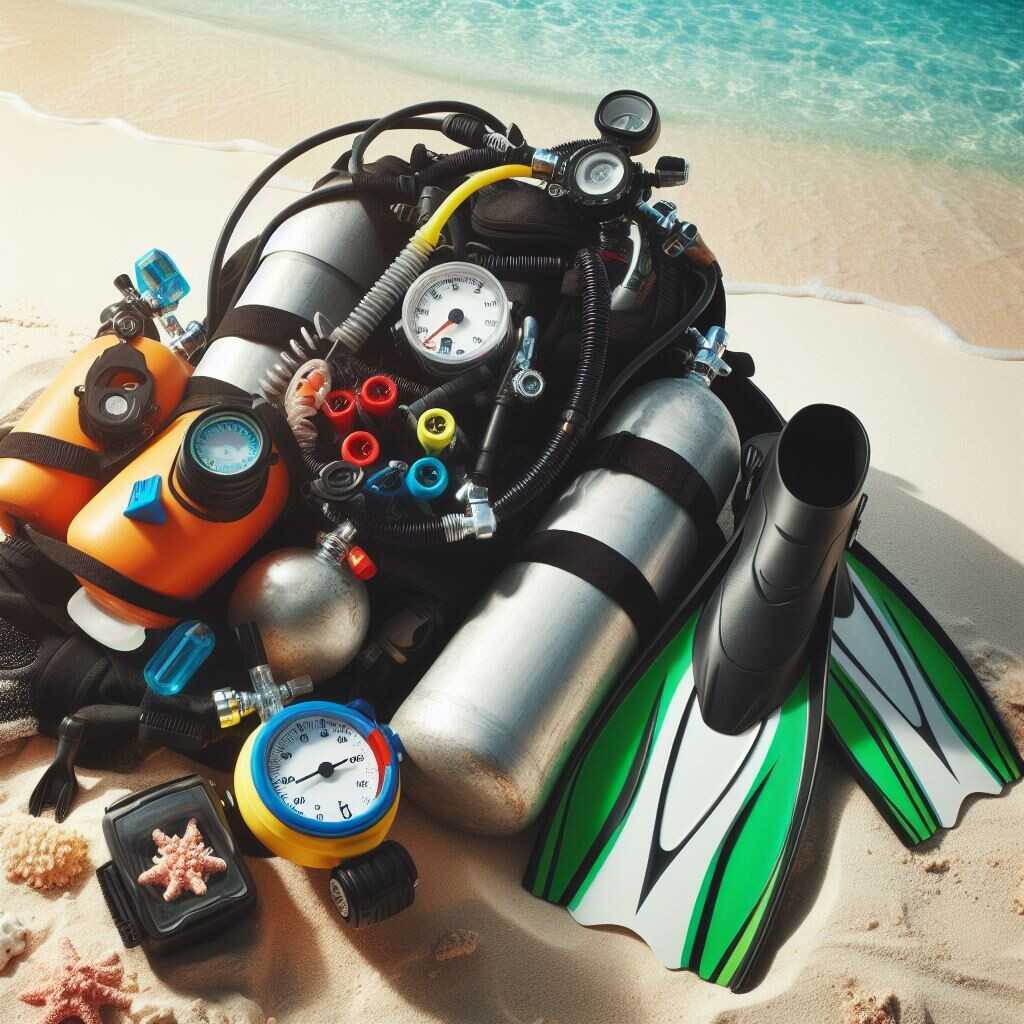
How Material Durability Affects Underwater Camera Performance
Understanding the materials used in underwater camera housings is essential for ensuring durability and performance. Common materials include polycarbonate, aluminum, and acrylic. Polycarbonate is lightweight and resistant to impacts, making it a reliable choice for divers. Aluminum is sturdier and can handle deeper depths but may add weight. Acrylic offers great clarity but can scratch more easily. The reliability of these materials is proven through rigorous performance testing. High-quality housings from trusted brands can easily withstand harsh underwater conditions and provide excellent waterproof features.
Comparative Analysis of Housing Materials
When comparing underwater camera housing materials, it is crucial to address how each one performs under pressure. Polycarbonate housings usually withstand depths of up to 40 meters while maintaining waterproof integrity. Aluminum housings often excel at deeper dives, commonly rated for 60 meters or more. Research shows that the choice of housing material affects not only durability but also clarity and weight balance in the water. Reliable brands, such as Sea & Sea and Aquatech, specialize in producing durable options that enhance performance in all underwater conditions.
Key Numeric Facts About Waterproof Camera Cases
- Most underwater housings can withstand depths between 30 to 300 feet.
- Top models usually weigh around 3 to 5 pounds when empty.
- High-quality housings often cost between $200 and $1,500.
- Many housings offer a temperature range from -10°C to 60°C.
- Common materials include polycarbonate and aluminum.
- Some models allow a maximum dive duration of up to 2 hours without leakage.
- Brands may offer warranties lasting from 1 to 5 years, depending on the manufacturer.

The Importance of Ergonomics for Underwater Photography
Ergonomic design features significantly influence usability during underwater photography. Divers should consider handgrip comfort, button placement, and overall weight when selecting a housing. Good ergonomics enhance comfort, allowing for longer underwater sessions without fatigue. It’s essential to look for housings that offer easy access to controls while maintaining a secure grip. A well-designed housing can significantly improve your photography experience, ensuring you capture the best shots with ease.
Essential Features for Enhanced Usability
When evaluating essential features for enhanced usability in underwater camera housings, look for soft-touch grips that reduce slippage. Buttons should be oversized and strategically placed, enabling fast access without the need for extensive re-positioning. Also, consider the weight; ergonomic housings typically range from 1.5 to 3 pounds. A housing that feels sturdy yet manageable enhances overall control when shooting. Brands such as Aquatica and Nauticam design these features into their products, leading to a more enjoyable photography experience.

Key Safety Features for Protecting Your Investment
When selecting an underwater camera housing, look for essential safety features that enhance reliability against water damage. First, a double O-ring sealing system offers superior waterproofing. Second, durable materials, such as polycarbonate or aluminum, are proven to withstand underwater conditions. Third, housings should provide visual and audible leak indicators, enabling quick checks before dives. Finally, a secure locking mechanism ensures the camera remains safe even at significant depths. These features greatly enhance your gear’s longevity and performance during your underwater adventures.
Material Selection and Design Choices for Optimal Water Resistance
Opting for the right materials and design can significantly improve an underwater camera housing’s durability. Look for housings made of high-quality polycarbonate or metal alloy, which resist corrosion and wear. The ergonomic design also enhances usability, making it comfortable to handle while underwater. A reputable housing should also be tested for depth ratings well beyond your intended diving limits. This approach ensures that you get a housing that not only fits your camera perfectly but also provides excellent protection against pressure and water ingress.
Advantages of Selecting the Right Housing for Your Camera
- Quality housings ensure protection against water damage during dives.
- Choosing appropriate options enhances your camera’s operational performance.
- Optimal selections help prevent fogging and improve visibility underwater.
- Well-designed cases provide easy access to controls and settings.
- Lightweight materials reduce your overall gear load when diving.
- Many housings support various lenses for creative photography options.
- Right choices can increase your confidence while shooting underwater.

Evaluating Compatibility with Diving Gear and Accessories
Compatibility between underwater camera housings and diving gear is essential. It ensures all components work effectively together. A well-integrated system enhances the quality of underwater photography. You need to consider factors like durability, weight, and ease of access. Each piece of equipment should complement your camera system.
Key Diving Gear for Compatibility with Underwater Cameras
When assessing compatibility, focus on items like dive computers, buoyancy control devices, and lights. Your camera system should integrate seamlessly with your buoyancy control device to enhance stability underwater. Consider dive bags for safe transportation. Choose dive computers that have easy-access mounting options for your camera housing. The right underwater camera housing should withstand the pressure while ensuring ease of use with other gear.
Comparative Review of Popular Underwater Camera Housing Brands
This section analyzes various underwater camera housing brands, focusing on their strengths and weaknesses. Key features to consider include reliability, durability, and performance levels in different underwater environments. Brands like Ikelite, Nauticam, and Sea & Sea offer excellent performance but vary in price and depth ratings. Reliable housings can handle depths of up to 100 meters, providing great options for divers. Reviews from Scuba Forge show that the best brands ensure durability and efficiency, helping you choose according to your specific diving needs.
Top Features and Performance Ratings of Underwater Camera Housings
When selecting underwater camera housings, divers should closely examine features that influence performance and reliability. Durability is crucial for protecting your gear from harsh underwater conditions. Brands such as Nauticam stand out for their ergonomic designs and sturdy materials, making them very good options. Ikelite is known for its user-friendly systems, enhancing efficiency for photographers. The latest data indicates that quality housings can withstand at least 60 meters of depth. These details help divers make well-informed decisions when comparing brands and models.
Brands and Their Use Cases for Underwater Photography
- GoPro offers versatile options ideal for adventure sports and casual divers.
- Sea & Sea is perfect for professional photographers needing extensive features.
- Ikelite serves technical divers with robust housings for extreme environments.
- Canon supplies quality options for DSLR users focused on superior image capture.
- Underwater Kinetics targets budget users with affordable, durable designs.
- Olympus caters to divers seeking compact cameras with built-in waterproofing.
- Recreational users favor more user-friendly brands like AquaTech for easier handling.
Environmental Considerations in Underwater Photography Gear Choices
Underwater camera housings play a crucial role in marine ecosystem protection. Selecting an environmentally friendly housing reduces harmful impacts on aquatic life. Photography gear constructed from sustainable materials helps protect ecosystems during use. Brands focused on eco-friendly practices design housings that minimize pollution and reduce harm to ocean habitats. Understanding the materials used and their environmental effects is essential for responsible diving. Using gear designed for sustainability helps ensure cleaner diving practices, positively influencing marine health.
Choosing Sustainable Materials for Camera Housings
When selecting underwater camera housings, consider the sustainability of materials. Brands like Ikelite and Nauticam offer housings made from high-quality aluminum and recycled plastics. These materials provide durability and reliability while reducing environmental impacts. Look for housings designed with features that promote easy disassembly and recycling. This ensures that end-of-life products do not contribute to ocean pollution. Choosing environmentally conscious brands improves overall ecosystem protection, helping divers make a positive difference.