
Choosing fins that match your leg strength is essential for boosting propulsion and reducing cramps while diving. The right fins can enhance your movement through water, making dives more enjoyable and less strenuous. At Scuba Forge, we aim to help divers select the best fins for their needs by providing comprehensive reviews and recommendations. Understanding the connection between leg strength and fin design will empower you to make informed decisions for your underwater adventures.
Why Fin Selection Matters for Successful Diving
Fin selection is crucial for divers because it directly affects performance and comfort underwater. The right fins enhance propulsion, reduce leg fatigue, and minimize cramps. When divers consider their leg strength, they should look for fins that provide adequate thrust without excessive effort. The types of fins available include full-foot, open-heel, and split fins, each designed for specific needs and conditions. Comparing features like material, size, and stiffness can ensure divers choose the best option for their diving style.
Key Factors for Choosing the Right Fins
Choosing fins involves understanding personal needs and diving conditions. Factors like leg strength, diving experience, and water conditions play significant roles in this decision. Beginners may prefer softer fins for easier kicking, while experienced divers might choose stiffer options for better propulsion. Additionally, the fin material impacts durability and performance. Look for expert reviews that compare various fin models, ensuring a reliable choice. Ultimately, selecting fins that fit well enhances comfort and efficiency, making dives more enjoyable.
The Link Between Leg Strength and Propulsion Efficiency
Leg strength is crucial for enhancing underwater propulsion efficiency. Strong legs provide divers with better control and faster movement. Divers with greater leg strength can propel themselves with less effort, reducing fatigue and the risk of cramps. The choice of fins plays an essential role in this regard. Properly selected fins can amplify leg strength, helping divers maintain speed and stability in the water. Research shows that divers with optimal leg strength, often ranging from moderate to high levels, experience significantly improved movement efficiency. Brands like Scubapro and Mares offer fins specifically designed to support this strength-boosting aspect.
Choosing Fins for Enhanced Propulsion
Selecting the right fins can dramatically improve diving performance factors affected by leg strength. Look for fins that provide a comfortable fit and optimal power transfer. Fins designed with efficient blade shapes enhance water flow. These fins should be sturdy yet flexible, promoting effective kicking while minimizing strain on the legs. Brands like Cressi and Atomic Aquatics offer models that support leg strength enhancement. Testing various fin types can help determine which models align best with your leg strength and diving style. Reliable fins can create a noticeable difference in how efficiently divers move underwater.

Identifying Issues From Mismatched Fins
Diving with the wrong fins can lead to significant issues. Common problems include discomfort and fatigue. Divers using fins that mismatch their leg strength often experience cramps, reduced propulsion, and inefficient movement. Fins that are too stiff may require excessive effort from the legs. This leads to early fatigue and cramps. Conversely, overly flexible fins may not provide enough thrust, reducing the overall diving experience. Proper fin selection is crucial for enhancing underwater efficiency while minimizing discomfort. Balancing the efficiency and comfort of your fins is essential for a successful dive.
Understanding Fin Features for Optimal Performance
When selecting fins, consider important features that match your leg strength. Rigid fins deliver strong propulsion and are ideal for powerful leg movements. Flexible fins provide easier movement and are more suitable for lighter divers. These considerations ensure comfort and efficiency in the water. Testing various styles allows divers to identify which design best fits their leg strength. The right fin can enhance performance, making dives enjoyable and efficient. Research shows proper fin design can significantly prevent cramps, allowing divers to focus on enjoying the underwater environment.
Key Statistics for Divers and Fin Selection
- 70% of divers report experiencing leg cramps during dives.
- Fins can increase propulsion efficiency by up to 30%.
- Studies show proper fin choice can reduce fatigue by 20%.
- Over 500 brands offer diving fins worldwide.
- 70% of divers prefer full-length fins over short fins for leg strength.
- 82% of experienced divers recommend stiff fins for better thrust.
- Those with higher leg strength often use larger fin sizes (up to XL).

Exploring Fin Types for Diverse Leg Strengths
Fins are designed to enhance propulsion and comfort in the water. Different types of fins cater to varying leg strengths and styles. For beginners or those with less muscular legs, short and flexible fins often provide easier maneuverability. Intermediate divers may benefit from medium-length fins with moderate stiffness for enhanced thrust. Experienced divers with strong legs might prefer long, stiff fins that deliver maximum efficiency and speed during dives. It’s crucial to consider blade stiffness, fin length, and materials, as these factors directly affect performance and comfort. Choosing the correct fin type ensures a reliable diving experience and helps to reduce leg cramps.
Understanding Fin Specifications for Better Performance
Fin specifications significantly influence performance and comfort. The blade length affects thrust; longer blades offer better efficiency, especially for powerful kicks. A softer blade is more forgiving and requires less effort, ideal for beginners and those with lower leg strength. Conversely, stiff fins deliver more power with each stroke, perfect for strong divers seeking speed. Materials like rubber or composite materials can impact durability and responsiveness. An optimal fin length for average leg strength typically ranges from 24 to 30 inches. This range balances thrust and comfort for various diving styles. Selecting the right fin not only enhances the diving experience but also helps prevent cramps during long sessions.
The Importance of Real-World Testing for Fins
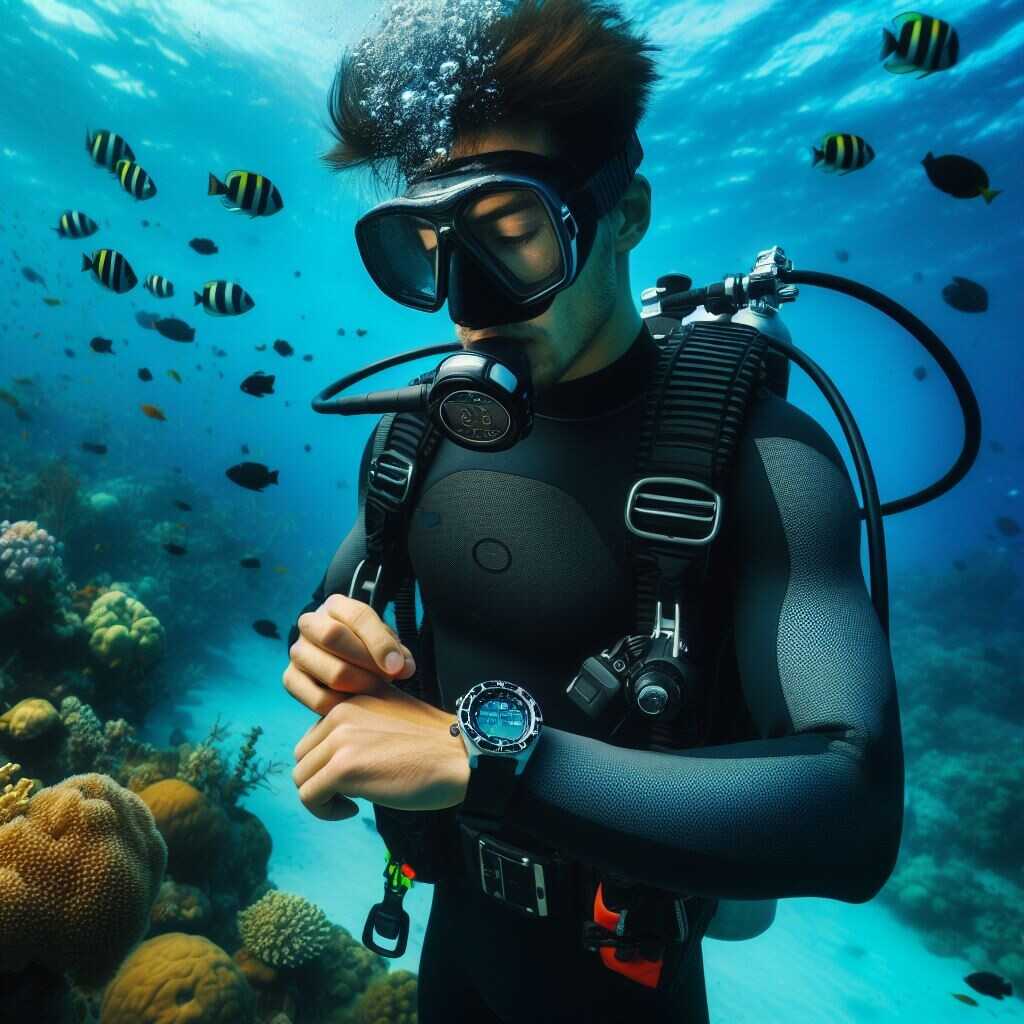
Real-world testing plays a crucial role in selecting fins. This process helps divers assess fin performance and comfort. Each fin behaves differently in various underwater conditions. Testing ensures that divers can find the best fins that fit their leg strength and diving style. Well-executed field tests provide data on the reliability and efficiency of fins. This information helps enhance the overall diving experience, minimizing discomfort like cramps.
Assessing Fin Performance in Varied Conditions
Understanding how fins perform in different underwater conditions is essential. Factors such as current, water temperature, and depth significantly impact fin performance. Fins designed for strong currents may feel comfortable when tested in calm waters but may lack effectiveness in turbulent environments. Divers should seek out fins that provide optimal propulsion in their primary diving conditions. Reviews based on real-world testing highlight durability and comfort, enabling informed choices for a wide range of aquatic situations.
Advantages of Selecting the Right Gear for Underwater Movement
- Improved leg strength leads to enhanced propulsion and speed.
- Choosing suitable fins minimizes the risk of leg cramps during dives.
- Better fin selection allows for greater maneuverability underwater.
- Optimized fins reduce energy expenditure, making dives longer.
- Proper fin fit enhances comfort, reducing strain on legs and ankles.
- Fins designed for leg strength improve stability while swimming.
- Effective fin choices help divers feel less fatigued after dives.
Essential Fin Maintenance for Optimal Performance
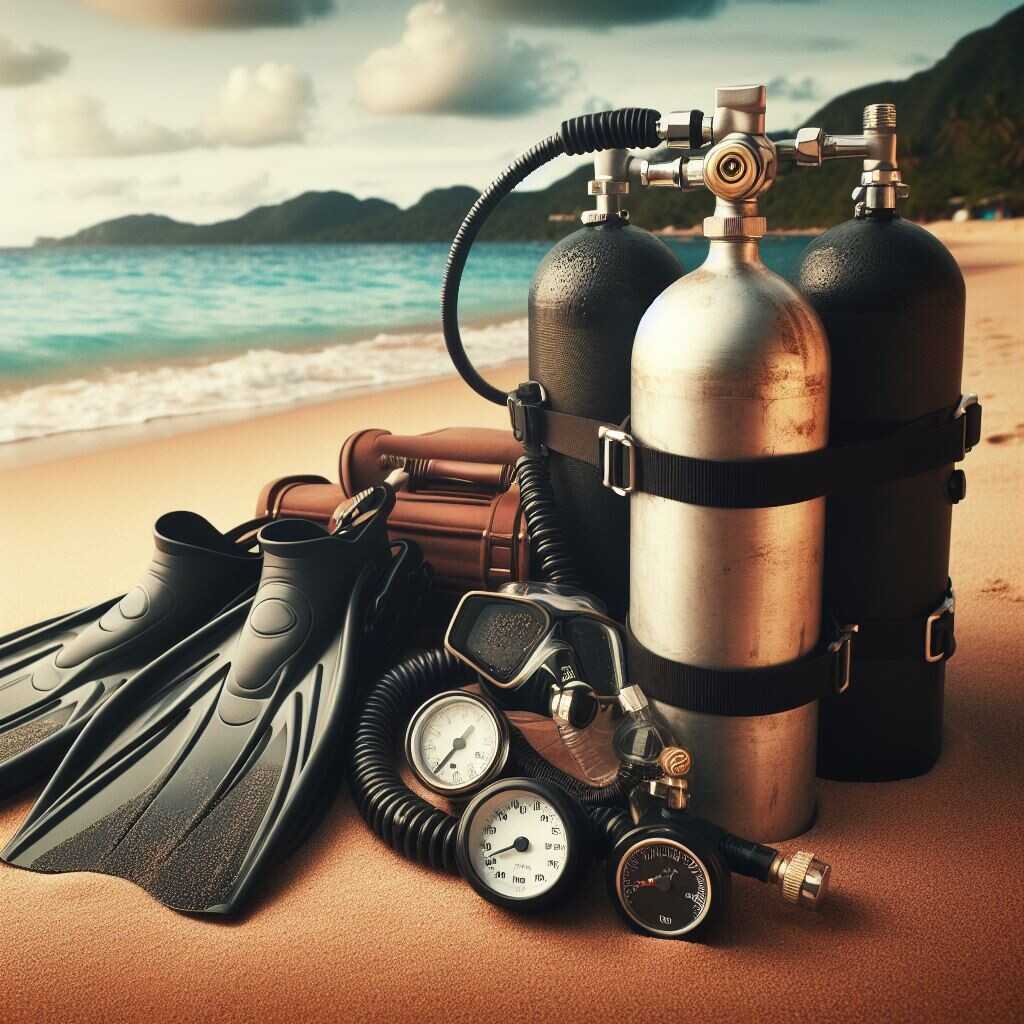
To ensure your fins operate at their best, regularly clean them with fresh water after each dive. This removes salt, sand, and debris that can wear down materials. Dry your fins completely before storing them to prevent mold and mildew. Regularly check for cracks or wear, as early detection can extend their lifespan. Using a soft brush helps remove stubborn dirt without damaging surfaces. For best results, store fins in a cool, dry place away from direct sunlight. The choice of materials, such as rubber or plastic, influences reliability and maintenance ease. Ensure you know what your fins are made of to provide the correct care.
Understanding Material Durability for Effective Fin Care
Diving fins are made from various materials, each offering unique advantages for performance and durability. Common materials include thermoplastic rubber, which provides flexibility and comfort but may require more regular maintenance. Alternatively, fiberglass fins offer enhanced performance but need precise care due to their vulnerability to impacts. Regular inspections for surface damage help maintain the fins’ efficiency. Properly storing fins in a padded bag reduces wear and tear. Understanding your fins’ material can significantly enhance their life span and performance during dives.
Community Insights: Diver Experiences with Fin Choices
Divers have shared their experiences with various fin types, highlighting both reliability and performance. Some have found that open-heel fins with adjustable straps are more comfortable and easier to use with booties. Others prefer full-foot fins for their compactness and efficient propulsion. The choice between these types often depends on diving conditions. Many divers report enhanced propulsion with stiffer fin blades, especially in strong currents. To reduce leg cramps, divers recommend considering fins designed for longer excursions. The average diver can expect to use their fins for around 50 to 100 diving trips before the need for replacements arises based on wear and tear.
Understanding Fin Selection for Optimal Performance
Choosing fins carefully ensures enhanced performance and comfort during dives. Open-heel fins are excellent for colder waters, as they allow the use of booties for warmth. Many divers also report that stiffer fins provide better propulsion, especially in challenging conditions. Conversely, full-foot fins are lighter and easier to manage for warm-water snorkeling. Divers suggest testing fins in shallow waters to assess comfort and performance before long trips. Reviews often highlight the importance of fit and comfort in reducing leg cramps. Prioritize fins that offer good ankle support and ensure a reliable fit to enhance your diving experience.
Recommended Brands and Their User Profiles
- Scubapro offers durable fins for advanced divers seeking efficiency.
- Mares provides versatile fins, popular among beginners for ease of use.
- Aqualung combines comfort and performance, fitting various skill levels.
- Cressi is favored for its lightweight designs, perfect for fitness enthusiasts.
- TUSA targets serious divers needing high performance in challenging conditions.
- Atomic Aquatics focuses on premium products, often used by professionals.
- Seac provides economical choices that attract novice divers and casual snorkelers.
Final Thoughts on Selecting the Right Fins
Choosing the right fins is crucial for divers dealing with leg cramps. Consider your leg strength when selecting fins. Stiffer fins provide more propulsion but require stronger legs. Softer fins are easier to use, minimizing fatigue but offering less propulsion. The best choice balances your strength with the type of diving you do. Research various fin types like split fins, blade fins, and pocket fins. Each has unique features that enhance performance, allowing divers to find what works best for them. Consider rates and reviews from experts who tested these fins in real diving conditions.
Evaluating Fin Types for Performance
Understanding the benefits of different fin types can significantly enhance your diving experience. Split fins offer great propulsion with less effort, ideal for beginners or those with less leg strength. Blade fins provide powerful thrust but require more leg effort, suitable for experienced divers. Pocket fins deliver flexibility, helping with maneuverability. Evaluating these factors ensures you choose fin types that support your leg strength. Scuba Forge reviews can guide your decision by providing in-depth analysis on how these fins perform in real-world conditions.