
The best dive gloves balance dexterity and thermal protection under water, enhancing your diving experience. Choosing the right gloves can keep your hands warm and allow for easy movement. At Scuba Forge, we review top options that meet these needs, focusing on durability and comfort. Our insights help divers like you find gloves that suit various underwater adventures.
Role of Dive Gloves in Enhancing Underwater Safety
Dive gloves play a vital role in enhancing safety for divers. They provide essential protection against potential hazards such as sharp coral, marine life bites, and harsh environmental conditions. The right pair of gloves enhances dexterity, allowing divers to operate equipment effectively while also ensuring thermal protection in cold water. Reliable gloves are designed to fit snugly, providing comfort without compromising movement. With various materials available, divers can choose gloves that best suit specific underwater environments, enhancing their diving experience.
Choosing the Right Material for Optimal Safety
Selecting the right material for dive gloves greatly influences their protective features. Neoprene gloves offer impressive thermal protection, making them ideal for colder waters. For warmer environments, lighter materials like nylon or spandex may enhance dexterity and comfort. Rubberized or coated gloves add extra grip and abrasion resistance, which is essential when handling gear or navigating tricky terrain. Considering thickness is also important; gloves around 5 mm are often recommended for cold water diving to balance warmth and flexibility. Review results from tests confirm that material durability is a key factor in maximizing safety and performance.
Factors Influencing Dexterity in Dive Gloves
When selecting dive gloves, divers should focus on grip features like rubberized palms and textured surfaces. These elements improve traction while underwater. Flexibility materials such as neoprene or nylon enhance the glove’s ability to contour around your hands. Good finger articulation helps divers manipulate objects with ease. Many gloves come with articulated fingers specifically designed for improved dexterity. The average thickness range for dive gloves is between 2mm and 5mm. This range provides a balance between warmth and dexterity, ensuring that divers can perform tasks efficiently while maintaining thermal protection.
Importance of Grip Features in Diving
Grip features are crucial in diving gloves as they directly impact safety and performance. Textured and rubberized palms enhance friction, allowing divers to hold onto gear securely. These features can prevent slipping when handling underwater cameras or inflating buoyancy devices. High-quality grip materials improve reliability during dives. It’s essential to choose gloves with optimal grip capabilities for various underwater tasks. Look for gloves with reinforced fingertips for added durability. This ensures gloves remain effective even when engaged in activities that require significant handling. Evaluating grip features is vital for comfort and efficiency, ultimately enhancing your diving experience.
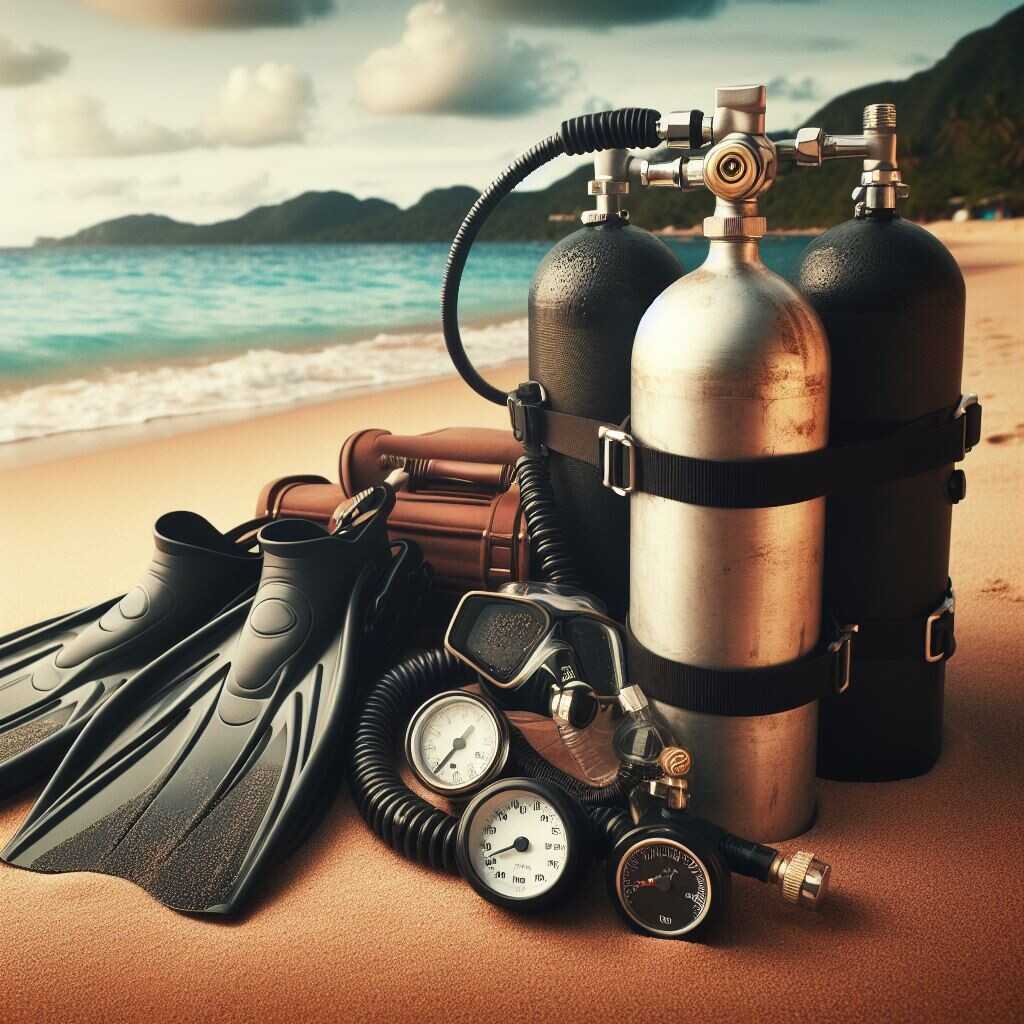
Understanding Thermal Insulation in Dive Gloves
Dive gloves utilize several types of thermal insulation to protect divers from cold water temperatures. Common materials include neoprene, which provides excellent insulation due to its closed-cell structure. Thicker neoprene gloves can handle extreme cold, while thinner options offer better dexterity. Insulation thickness typically ranges from 2mm to 7mm, giving divers options based on their diving environments. Selecting gloves designed for specific conditions enhances warmth and comfort, ensuring a better underwater experience.
Choosing the Right Insulation Thickness for Your Dive
Selecting the right insulation thickness is crucial for comfort during dives. Thicker gloves, typically 5mm to 7mm, are ideal for cold water diving in temperatures below 50°F. These gloves enhance warmth but may reduce dexterity. For warmer waters, gloves around 2mm to 3mm offer a balance between thermal protection and flexibility. Consider your diving conditions and duration when making a choice. Overall, suitable thickness improves performance while ensuring reliable protection against cold water.
Key Numbers Behind Underwater Handwear Choices
- 5 different glove materials frequently used in dive gloves.
- Warm water gloves usually have a thickness of 2 to 3 mm.
- Cold water gloves often range from 3 to 7 mm for insulation.
- Over 90% of divers seek balance between warmth and ease of movement.
- Optimal grip can enhance performance in 80% of diving tasks.
- Many gloves offer a lifespan of 2 to 5 years with good care.
- Over 70% of divers prefer gloves that can handle various conditions.
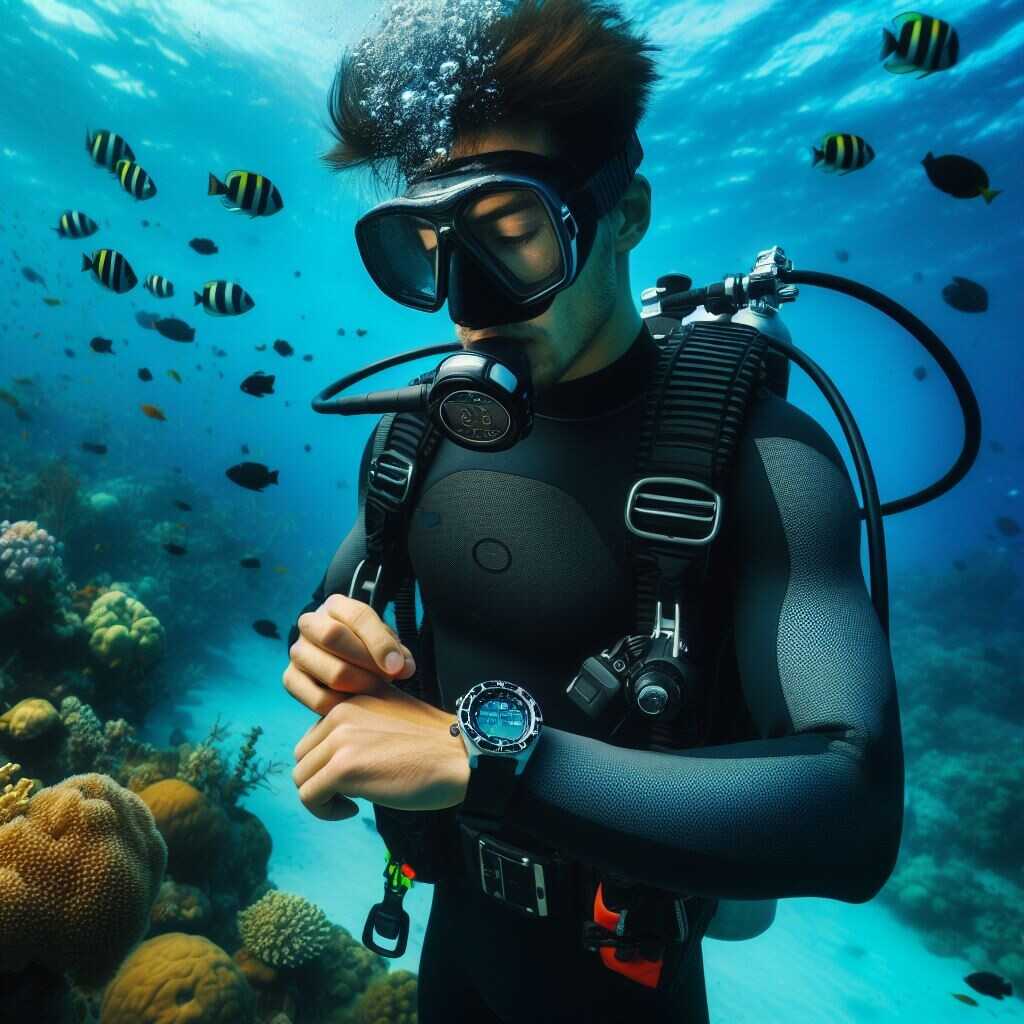
Material Comparisons for Durability and Comfort
Dive gloves are primarily made from materials like neoprene, latex, and rubber. Neoprene offers excellent thermal insulation and flexibility, making it ideal for cold-water diving. Latex provides great dexterity and sensitivity but may lack in durability over time. Rubber gloves are sturdy and can handle rough environments, but they might sacrifice some comfort for durability. Understanding these comparisons helps divers select gloves that suit their specific needs for comfort and longevity.
Diving Activities and Material Selection
Selecting the right glove material depends on the diving activity. For cold-water diving, neoprene gloves are the best option due to their thermal protection. For underwater photography, latex or neoprene offers better dexterity, enhancing functionality. Rubber gloves excel in durability for technical diving, where protection from abrasions is essential. Using this material comparison helps divers make informed choices for enhanced performance tailored to their diving activities.

Environmental Impact of Dive Gloves and Sustainable Choices
Understanding the ecological implications of dive glove materials and production processes is essential for divers. Many conventional gloves are made from neoprene and other synthetic materials that pose environmental risks. These materials can take decades to decompose, contributing to ocean pollution. Choosing environmentally friendly options helps reduce waste and supports the use of sustainable practices in the diving industry. Brands that focus on sustainable production minimize their ecological footprint while providing durable, effective gloves. Supporting these brands benefits the ecosystem and ensures divers receive reliable equipment.
Choosing Eco-Friendly Dive Gloves
When selecting dive gloves, look for eco-friendly materials like recycled neoprene or natural rubber. Recycled neoprene reduces waste and energy consumption during production. Brands such as Xcel and Patagonia are known for their commitment to sustainability, offering gloves that balance comfort, durability, and environmental responsibility. Investigating certifications like the Global Organic Textile Standard (GOTS) can also help verify sustainability claims. The quality of eco-friendly gloves often meets or exceeds traditional options, ensuring performance in various diving conditions. Emphasizing material selection impacts not only your diving experience but also the health of the oceans.
Advantages of Optimal Handwear for Aquatic Activities
- Improved warmth helps maintain body heat in cold water.
- Enhanced dexterity allows for better use of underwater tools.
- Quality grip increases safety when handling equipment.
- Wrist seals prevent water entry, maintaining thermal protection.
- Flexible materials reduce hand fatigue during extended dives.
- Durability means reduced need for frequent replacements.
- Stylish designs encourage divers to wear gloves regularly.

How to Choose the Right Size and Fit for Dive Gloves
Measuring your hand for dive gloves is essential for a reliable fit. Use a flexible tape measure to determine the circumference of your hand just below the knuckles. Compare your measurement with size charts from different brands. Many brands provide sizing guides and fitting tips to help you select the best size. This ensures maximum dexterity and thermal protection. If you are between sizes, it is better to size up for comfort. Consider the glove’s design; some gloves are more form-fitting and may require a snug fit to provide warmth. Proper fit directly enhances your grip and maneuverability underwater, which is essential for safety and performance.
Understanding Glove Thickness for Optimal Performance
Dive glove thickness plays a crucial role in balancing insulation and dexterity. Gloves typically range from 1.5mm to 7mm in thickness. Thicker gloves provide better thermal protection in colder waters, while thinner gloves offer enhanced dexterity for delicate tasks like underwater photography. If you dive in varying temperatures, consider gloves with a modular design. Modular options allow you to adjust insulation by using inner liners. Choosing the right thickness is key to maintaining comfort and the best performance. Always test gloves in water to assess their comfort and flexibility before purchasing.
Care and Maintenance for Prolonging Glove Lifespan
Maintaining dive gloves is essential for enhancing performance and durability. Rinsing gloves with fresh water after each dive helps remove salt, sand, and debris. Ensure gloves dry in a shaded area to prevent material degradation. Store gloves flat, avoiding folding, to maintain shape. Additionally, using a dedicated glove conditioner can improve flexibility and prevent cracking over time. Regular inspection for signs of wear, such as thinning or holes, is crucial. Following these glove maintenance tips promotes durability and reliability in diverse underwater conditions.
Essential Glove Care Routine for Divers
Your glove care routine should start immediately after diving. Rinse gloves with fresh water to remove salt and dirt. Allow gloves to air dry, keeping them away from direct sunlight. Avoid storing wet gloves to prevent mold and mildew growth. Use a specialized glove conditioner designed for neoprene or latex to enhance flexibility. Regularly inspect for damage and replace any worn gloves to ensure safety. Apply these practices consistently to maintain the quality and performance of your dive gloves, resulting in an extended lifespan.
Optimal User Segments for Underwater Handwear
- Recreational divers often prioritize comfort and flexibility.
- Professional divers usually look for durability and safety features.
- Diving instructors seek gloves that combine warmth with dexterity.
- Underwater photographers need gloves that allow precise handling.
- Casual snorkelers prefer lightweight gloves for easy wear.
- Technical divers often select gloves for extreme cold protection.
- Adaptive divers benefit from gloves designed for various hand sizes.
Summary of Key Considerations for Selecting Dive Gloves
Choosing the right dive gloves requires understanding crucial factors like thermal protection, comfort, and dexterity. Select gloves based on your diving environment, whether warm or cold waters. Consider materials such as neoprene for warmth or nylon for flexibility. The thickness of the gloves significantly influences thermal insulation; typically, 3mm to 5mm thickness is recommended for colder environments, ensuring that your hands stay warm while maintaining ease of movement. Reviews from experts highlight that well-fitted gloves not only enhance comfort but also improve tactile sensing when handling dive gear.
Understanding Material Choices for Optimal Performance
Material selection plays a vital role in the performance of dive gloves. Neoprene is widely recognized for its durability and ability to provide excellent thermal protection. Gloves made from this material can effectively insulate hands against cold water, enhancing comfort. Additionally, gloves made with nylon can offer better flexibility and dexterity. Combining these materials can lead to a glove design that maximizes both thermal protection and operational performance underwater. Always consider your specific diving conditions and how each material can impact your overall diving experience.