
Mastering weighting techniques for safer dive adventures is essential for every diver aiming for a smoother underwater experience. Proper weighting minimizes the need for adjustments, ensuring better buoyancy control and safety during your dives. Scuba Forge is here to guide you through effective weighting strategies, empowering divers of all levels to prepare for their underwater journeys. By focusing on safety and optimal techniques, this article helps you enhance your dive adventures.
Why Proper Weighting is Essential for Scuba Divers
Proper weighting is crucial for scuba divers because it directly affects buoyancy control and overall safety underwater. Correct weighting allows divers to maintain a stable position while diving, making it easier to navigate and observe marine life. Factors contributing to effective weighting include body composition, wetsuit thickness, and equipment carried. A beginner diver typically uses 10% of their body weight in pounds for weighting, adjusted for personal comfort and dive conditions. Using precise weighting enhances the diving experience by reducing unnecessary adjustments underwater.
Understanding Buoyancy Control in Diving
Buoyancy control involves adjusting a diver’s weight to achieve a neutral position in the water. A correctly weighted diver can hover effortlessly without using excessive effort. To achieve this, divers start by calculating their total gear weight, including tanks and wetsuits. The general rule is to aim for a buoyant position at the surface. For instance, a 150-pound diver may use around 15 pounds of weight initially, but this must be adjusted based on water conditions and personal comfort. Knowing how to manage buoyancy enhances diving safety, making the dive more enjoyable.
Identifying Common Weighting Errors
Divers often make several common weighting errors that can negatively impact their dive experience. One frequent mistake is over-weighting, which makes it challenging to maintain proper buoyancy. Another is under-weighting, leading to difficulty in descending. Divers may also miscalculate their weight adjustments when switching gear, such as switching from a wetsuit to a drysuit. Awareness of these weighting errors improves safety and comfort during dives. Implementing regular reviews of weight settings based on diving conditions is essential for enhancing buoyancy control and overall dive performance.
How to Correct Weight Adjustment Errors
Correctly adjusting weights is crucial for optimal diving comfort. Divers should regularly test their weights in controlled settings. This process helps ensure they use the right amount of weight based on their exposure suit and gear configuration. A reliable guideline is to aim for a weight adjustment range of 10% of body weight when using a standard buoyancy compensator. Utilize buoyancy check techniques at the start of each dive. These methods include controlling breathing and evaluating how the body behaves underwater to enhance overall performance. Regular testing helps divers make informed decisions, reducing the risk of weighting errors.

Calculating Your Optimal Weight Based on Dive Conditions
Calculating your optimal weight involves understanding several factors. Body type plays a significant role. Heavier divers may require more weight to achieve neutral buoyancy. Dive gear also influences your weight. A thick wetsuit provides added buoyancy compared to a thin one. Environmental conditions create further variations. Freshwater is less dense than saltwater, affecting how much weight you need. Weight adjustment recommendations vary from diver to diver, but being aware of buoyancy control tips is crucial. For example, adjust your weight by about 5% less in saltwater compared to freshwater to ensure proper buoyancy.
Understanding the Role of Dive Gear in Weight Calculations
Dive gear significantly influences your overall buoyancy and, consequently, your weight calculations. For instance, a thicker wetsuit retains more air, leading to your needing additional weight to compensate. If you’re using a tank with higher buoyancy, you must consider its weight when making adjustments. Sturdy buoyancy control devices, like a BCD, also affect your ideal weight. A proper review of your dive gear’s buoyancy characteristics helps enhance your overall diving experience. Research suggests that divers can handle gear variations by adjusting weights accordingly. Ensuring that your gear is reliable and recommended for the dive environment also provides safer dive adventures.
Essential Numerical Insights for Safe Underwater Adventures
- Ideal weight for divers is typically between 10-20% of your body weight.
- Most divers use about 5 to 15 pounds of lead weight for buoyancy.
- Your buoyancy control can improve by up to 90% with proper weighting.
- Dive professionals recommend checking your buoyancy every 10 feet.
- Adjusting weights underwater can take 5 to 15 minutes, which may disrupt your dive.
- Body composition affects weight needs; heavier divers may require more lead.
- Most divers perform better at a neutral buoyancy level, roughly 15 feet deep.

The Role of Dive Gear in Buoyancy and Weight Management
Understanding how different pieces of dive gear affect buoyancy and weight distribution is essential for divers. Buoyancy control devices (BCDs) are crucial, as they help divers manage their buoyancy throughout a dive. A well-designed wetsuit can impact a diver’s buoyancy depending on the thickness and whether it is one piece or two. Fins also play a role; their design can enhance propulsion while minimizing excess weight. Each piece of gear contributes to an overall weight distribution that influences performance and comfort underwater.
How Gear Functions in Buoyancy Control
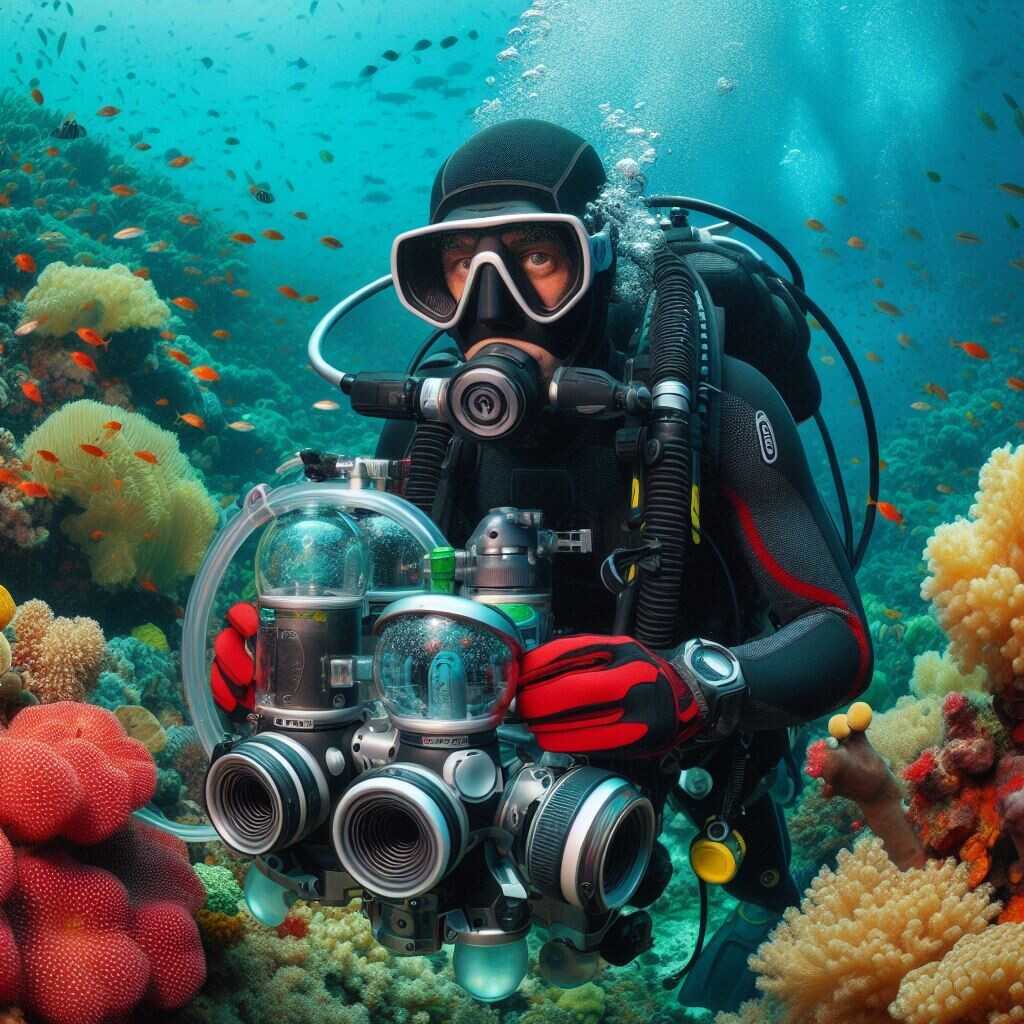
Proper understanding of how gear functions in buoyancy control helps divers achieve optimal performance. Buoyancy control devices are designed to hold air, allowing divers to ascend or descend easily. A reliable wetsuit can provide warmth while also impacting buoyancy due to its material. Fins designed with the right features ensure efficient movement and minimize drag. Having the right balance of buoyancy is essential; it enables divers to maintain stability and conserve energy underwater. Understanding the specific roles of each piece of gear empowers divers to make informed gear choices.
Effective Methods for Conducting Pre-dive Buoyancy Checks
Conducting an effective buoyancy check involves several essential steps to ensure divers have the correct weight. Start by filling your dive gear with air in a controlled environment, such as a pool. Use your diving equipment, including your BCD and wetsuit, to conduct a buoyancy test at the surface. While taking a slow breath in and out, observe your buoyancy. You should float at eye level or sink slowly with a full lung. Adjust your weights accordingly based on this assessment. Divers should also consider their body weight, dive suit thickness, and the gear they use during the check for accuracy. Proper buoyancy helps ensure safety and enhances the overall experience underwater.
Important Factors for Accurate Buoyancy Testing
Several factors can influence buoyancy checks. First, consider the type of diving suit you wear, as thicker suits create more buoyancy. The gear you carry, including tanks and cameras, also plays a significant role. Ensure all your equipment is accounted for when conducting the buoyancy test. Additionally, environmental factors such as freshwater vs. saltwater affect buoyancy. A saltwater dive requires slightly less weight than a freshwater dive. Regularly check your weight system to ensure it matches the conditions. Following these factors guarantees reliable and accurate buoyancy adjustments, enhancing your safe diving experiences.
Key Advantages of Proper Equipment Configuration
- Good weighting enhances safety by improving buoyancy control.
- Mastering correct weighting minimizes the need for adjustments underwater.
- Weighting correctly allows divers to focus more on exploring the underwater world.
- Proper buoyancy reduces air consumption, extending dive time overall.
- Correct weight helps maintain a streamlined position, reducing fatigue.
- Well-balanced diving setups foster better confidence for all experience levels.
- Effective weighting enables better photography and videography with less disturbance.

Adapting Weight for Freshwater Versus Saltwater Diving
When transitioning between saltwater and freshwater diving, divers must adjust their weights to ensure safe and enjoyable experiences. Saltwater is denser than freshwater, providing more buoyancy. This factor means that a diver in saltwater may need less weight. A good rule of thumb is to remove 4 to 5 pounds when switching to freshwater. This adjustment enhances buoyancy control and minimizes the risk of ascending too quickly. A reliable dive experience depends on properly adjusting your weight based on the water environment.
Understanding Buoyancy Differences in Diving Environments
Understanding how buoyancy characteristics differ between freshwater and saltwater is essential for effective diving. Saltwater’s higher density supports a diver more than freshwater does. Divers often find that they float better in saltwater and may need less weight. Conversely, freshwater creates less buoyancy, meaning divers need to add weight to stay submerged. Conducting a buoyancy check before your dive is a proven method to ensure your weight adjustments correlate with the specific water type. This reliable test helps to refine your buoyancy control, increasing safety underwater.
Strategies for Maintaining Stability and Control While Diving
Maintaining stability and control underwater is essential for reducing fatigue and enhancing performance. Key techniques include proper weight distribution, which allows divers to achieve a neutral buoyancy state. Divers should assess their buoyancy control devices and gear to ensure they enhance stability. Choosing the right wetsuit thickness and trim weight can significantly impact stability. Beginners might need more weight to reach this neutral level, unlike experienced divers who may use less.
Importance of Buoyancy Control Devices
Buoyancy control devices (BCDs) are crucial for effective position maintenance underwater. A well-fitted BCD allows for precise adjustments in buoyancy, helping divers stay stable at various depths. Look for features that enhance comfort and reliability, such as adjustable straps and integrated weight systems. Testing different styles and sizes ensures that divers choose the best option for their body type. Reliable BCDs provide essential support, enabling divers to focus on their experience without constant adjustments. Proper research and expert reviews can guide divers to the most suitable BCD for their needs.
User Groups Engaged in Safe Diving Techniques
- New scuba students often need extra guidance with buoyancy and weighting.
- Experienced divers seek to refine their skills and maintain accurate weighting.
- Dive instructors regularly review weighting techniques and safety protocols.
- Underwater photographers benefit from correct buoyancy for clear shots.
- Environmental enthusiasts focus on achieving neutral buoyancy to minimize disruption.
- Technical divers require precise weighting for optimal performance in challenging settings.
- Traveling divers seek lightweight options for easy transport without sacrificing safety.
Lessons from the Diving Community on Weighting Practices
Divers often emphasize the importance of proper weighting techniques. Common practices shared by the community include starting with a weight check on the surface and adjusting accordingly. Many experienced divers recommend experimenting with different weights in shallow water to determine what feels best. For example, divers suggest using a weight system that distributes weight evenly across the body, enhancing comfort and reducing fatigue. Utilizing these effective weighting techniques can lead to safer dives and better buoyancy control.
Insights from Experienced Divers on Weighting Practices
Experienced divers consistently share effective weighting practices to improve buoyancy control. They recommend using weight belts or integrated systems that allow for quick adjustments. Divers from various environments report that varying thicknesses of wetsuits or drysuits require adjustments in weight distribution. For instance, a diver in a 7mm wetsuit might need 10-12% more weight than in a 3mm suit. There is a significant percentage of divers, approximately 70%, who reported improved buoyancy control after making adjustments based on peer recommendations. This shows the reliable impact of community input on safe diving practices.