
Essential tips for maintaining scuba regulator components ensure safe dive performance and reliable air delivery. Proper maintenance prevents malfunctions that can put divers at risk underwater. At Scuba Forge, we provide actionable insights and guidance to help divers of all experience levels enhance the safety and efficiency of their scuba gear. Understanding how to care for your regulator components is crucial for an enjoyable dive experience and can significantly impact your overall underwater adventures.
Understanding the Functionality of Scuba Regulators in Diving
A scuba regulator is essential for converting high-pressure air in your tank to a breathable level. It regulates the air flow, ensuring you receive constant and reliable air supply underwater. The regulator’s first stage reduces the tank pressure while the second stage allows you to breathe easily. Understanding these functions highlights the need for regular maintenance to ensure reliability and safe diving experiences.
Key Components of Scuba Regulators
The key components of a scuba regulator include the first stage and second stage, each designed for specific tasks. The first stage connects to your air tank and lowers the pressure to an appropriate level. The second stage is where air travels just before reaching your mouth, allowing for smooth and easy breathing. Maintaining these components is vital for performance. Regular inspections help identify potential issues, ensuring the reliability and safety of your dive.
Identifying the Main Components of a Scuba Regulator
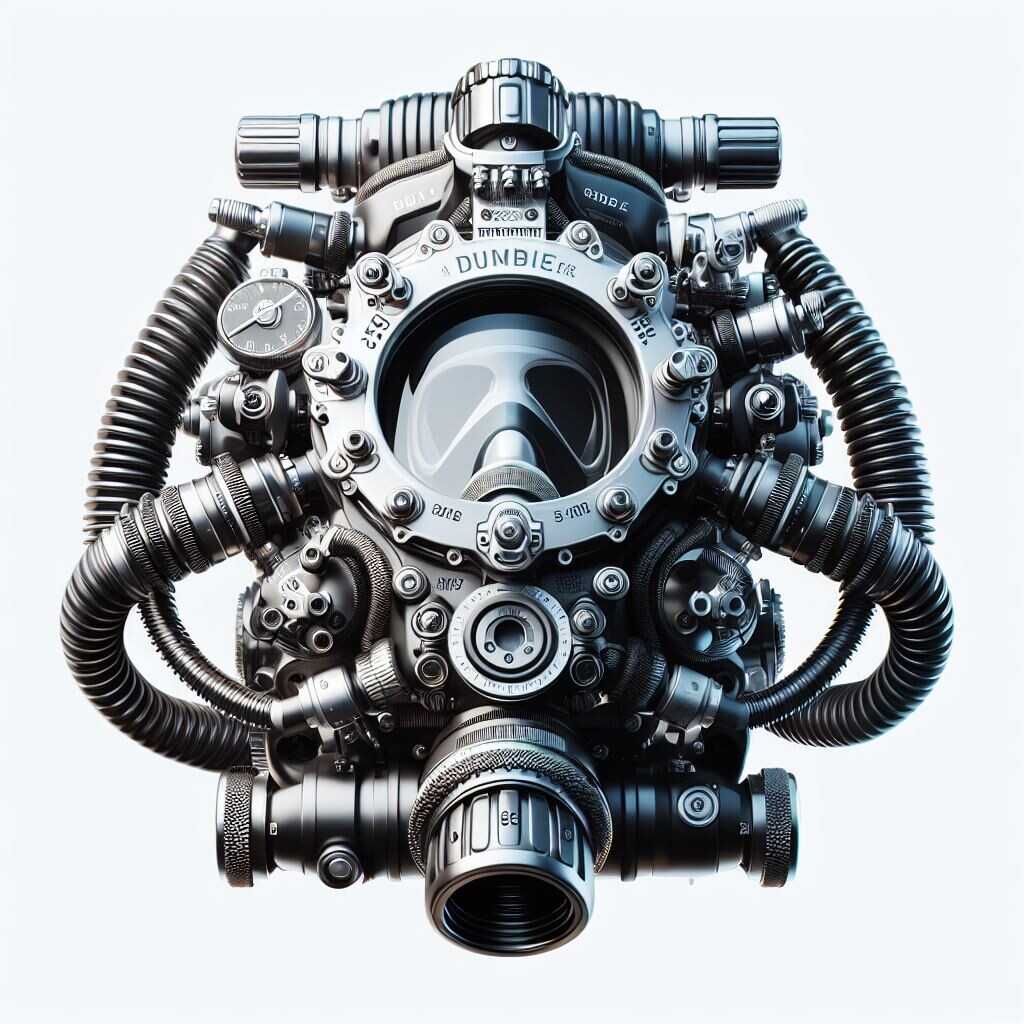
The main components of a scuba regulator include the first stage, second stage, and hoses. The first stage reduces high-pressure air from the tank to an intermediate pressure. It provides reliable air delivery to the second stage. The second stage is what you breathe from. It further reduces the pressure, allowing for easy access to air. Hoses connect these components. Understanding these scuba regulator components is essential for effective maintenance and troubleshooting. Regular checks enhance reliability and performance for safe diving experiences.
Understanding the Functionality of Each Component
The first stage is crucial for pressure regulation. It’s designed to automatically adjust incoming air pressure, ensuring a steady flow even as tank pressure decreases. The second stage features a demand valve that opens when you inhale, providing air on demand. Hoses are flexible and durable, connecting the first and second stages efficiently. Proper maintenance of these components enhances their performance during dives, helping prevent failures that could jeopardize safety. Regular testing ensures each part functions optimally to meet diver needs underwater.
Recognizing Common Indicators of Regulator Problems
Divers should be vigilant for signs that indicate potential regulator issues to enhance safety during dives. Common indicators include free-flowing air, unusual noise during inhalation, and difficulty in breathing. If any air delivery inconsistencies occur, it may indicate a problem. Divers should also check for leaks, which can compromise overall efficiency. Regular testing and careful observation during filling can help to detect these issues early. These signs, when recognized, can prevent dangerous situations underwater and enhance reliability during dives.
Understanding Regulator Free Flow and Its Causes
Regulator free flow occurs when the air supply flows uncontrollably. There are several common causes of free flow, including water ingression, damage to the second stage, or improper adjustments. Divers should inspect for debris or obstructions in the regulator and ensure all components are securely fastened. Free flow affects performance and can lead to rapid air depletion. Regular maintenance and performance checks can significantly reduce the risk of this issue, ensuring safe and effective dives.
Key Figures in Regulator Maintenance
- Annual service recommendation: Dive regulators need servicing at least once a year.
- A typical lifespan for a regulator is around 10-15 years.
- Regulators should be visually inspected before every dive.
- 30% of diving incidents relate to equipment failure, often due to poor maintenance.
- Inspect hoses for signs of wear at least twice a year.
- Over 50% of divers neglect to properly clean their equipment after each use.
- Regular maintenance can increase your regulator’s lifespan by up to 20%.

Effective Cleaning Techniques for Regulator Components
Cleaning your scuba regulator components ensures reliability and performance. For the first stage, rinse it with fresh water after each dive. Use a soft brush to clean the filter mesh gently. For the second stage, disassemble the mouthpiece and rinse it thoroughly. Avoid using solvents or harsh chemicals during cleaning. Pay attention to the ambient pressure valve; it requires a soft cloth for effective cleaning. Regularly check your O-rings and lubricate them with silicone grease to maintain their integrity.
Essential Parts Requiring Special Care
The first stage and second stage of a scuba regulator require special attention due to their essential roles. Cleaning these areas helps prevent debris accumulation. The first stage is sensitive to sediment and salt buildup, so a thorough fresh water rinse after each dive is crucial. The second stage, which includes the diaphragm and mouthpiece, needs regular care to prevent blockages. You can enhance the cleaning process by utilizing a specialty regulator cleaning solution every few months. This provides a deeper clean and prevents any degradation that may affect durability.
Steps for Inspecting and Replacing Regulator Parts
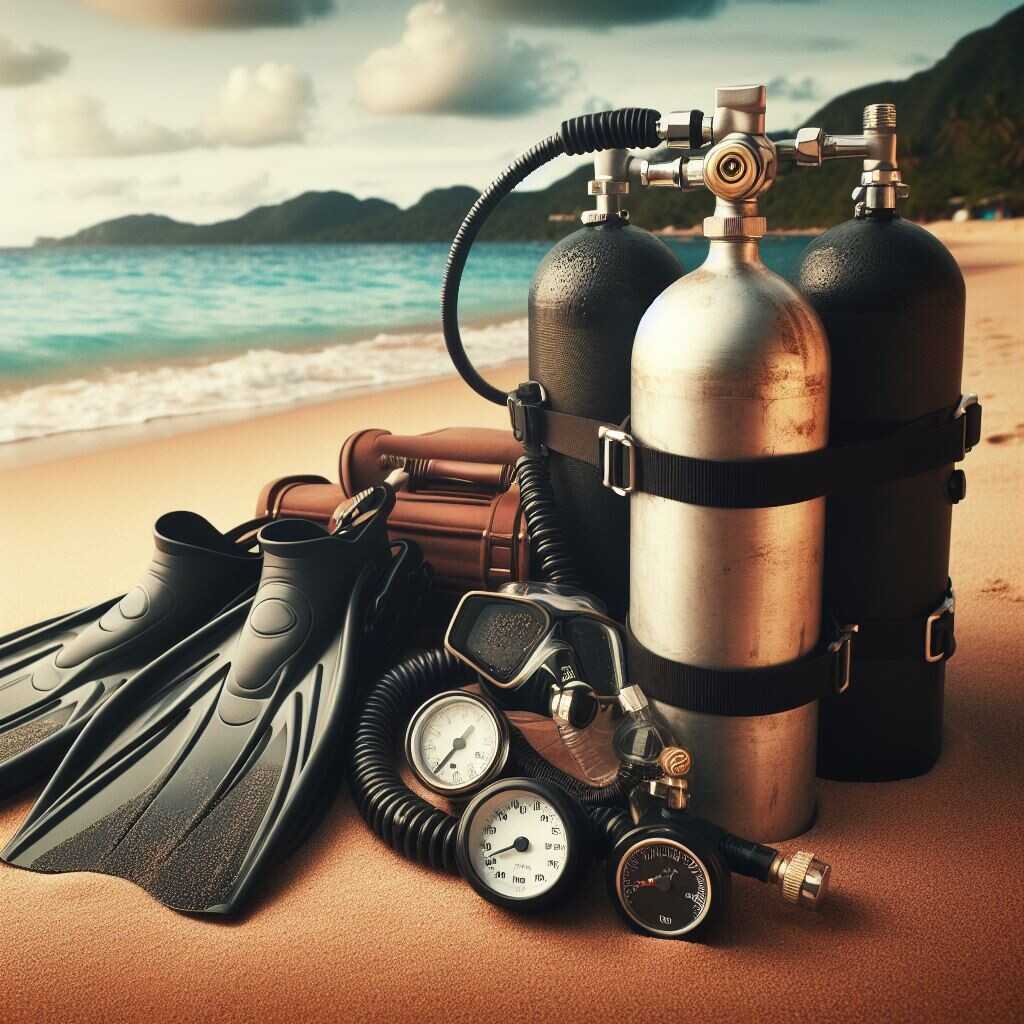
Inspecting a scuba regulator involves checking components like the first stage, second stage, hoses, and mouthpieces. Look for wear and tear such as cracks, tears, or general degradation. Indicators for replacement include compromised sealing, frayed hoses, or if the regulator leaks air. Regular inspections help ensure reliable performance underwater. Over time, rely on testing and experience to determine when parts like O-rings or filters need changing. A recommended schedule for inspections is at least every 12 months, or after every 100 dives.
Essential Maintenance Tips for Longevity
Regular maintenance is crucial for ensuring the longevity of your scuba regulator. Focus on cleaning the second stage and rinsing it with fresh water after every dive. Check for any stuck or worn components during inspections. Apply silicone grease to O-rings and threads to enhance durability. Make use of a specialized tool to easily check the pressure gauge functionality. By following these essential maintenance tips, divers can enhance the reliability and overall performance of their regulators, ensuring every dive is safe and enjoyable.
Advantages of Proper Equipment Care
- Regular maintenance enhances safety by preventing regulator malfunction.
- Proper care ensures reliable air delivery, crucial for underwater performance.
- It improves the overall lifespan of your equipment, saving you money.
- Minimized chances of equipment failure lead to fewer accidents while diving.
- Well-maintained regulators provide a more enjoyable diving experience.
- It builds the diver’s confidence, knowing their gear is in top shape.
- Consistent upkeep promotes better breathing efficiency at depth.

Creating a Practical Maintenance Schedule for Your Regulators
To develop a maintenance schedule for your scuba regulator, assess all key components: first and second stages, mouthpiece, and hoses. An effective maintenance routine should include regular inspections, cleaning, and servicing. Ensure you check your regulator before every dive to ensure reliability. For basic maintenance tasks, consider rinsing your regulator with fresh water after every dive, inspecting for leaks and wear, and ensuring all connections are secure. Every six months, plan for professional servicing to enhance performance and safety. This should include thorough testing for air delivery and adjustments as necessary.
Essential Maintenance Tasks for Longevity
Essential maintenance tasks for a scuba regulator include checking the O-rings for wear, cleaning the mouthpiece, and inspecting hoses. Conduct a visual inspection of the regulator for cracks or signs of damage. Remove any debris in the exhaust valve. Rinse the regulator in fresh water after every dive. This simple action prevents salt buildup that can hinder performance. Service your regulator at least annually, regardless of dive frequency, to maintain its reliability. This ensures it can handle deeper dives and changing pressures, providing peace of mind during your underwater explorations.
Why It’s Essential to Seek Professional Inspections of Diving Gear
Professional inspections of scuba regulators are crucial for ensuring reliability and safety during underwater dives. Experienced technicians can identify hidden problems that divers may miss, such as valve leaks or damaged O-rings. Regular professional maintenance helps maintain the performance of your diving gear. Many divers rely on their gear for safety. Neglecting inspections can lead to dangerous equipment failures. Professionals provide essential insights that contribute to safe diving experiences. They ensure that gear is compliant with safety standards. This minimizes the risk of malfunctions.
What to Expect During a Professional Inspection
During a professional inspection of your scuba regulators, technicians thoroughly check all components for wear and tear. They evaluate critical parts such as the first and second stages, hoses, and mouthpieces. The inspector will perform functional tests to ensure everything operates smoothly. They may also replace worn O-rings and update parts as needed. This assessment is designed to enhance the durability and efficiency of your equipment. Expect to receive detailed feedback on any issues found, as well as recommendations for ensuring optimal performance. This process not only prolongs gear lifespan but also confirms that it meets safety compliance guidelines.
Brands and Demographic Insights for Divers
- Brand A: Offers reliable regulators known for their durability and safety features.
- Brand B: Focuses on lightweight designs, making them popular among travel divers.
- Brand C: Targets technical divers with advanced features but requires regular servicing.
- Beginner divers often prefer user-friendly regulators for ease of use.
- Experienced divers prioritize performance and reliability over brand preference.
- Recreational divers seek balance between safety features and cost-efficiency.
- Scuba instructors commonly recommend equipment based on real-world performance evaluations.
Avoiding Common Mistakes in Regulator Maintenance Techniques
Divers often overlook essential maintenance practices, leading to failures during dives. A common mistake is neglecting to clean the regulator after exposure to saltwater, which can cause corrosion. Another frequent error is using unsuitable lubricants that may damage O-rings or impede airflow. Divers might also forget to check their equipment before each dive, risking unresolved issues. To ensure reliable regulator performance, always perform a thorough inspection and service according to manufacturer recommendations. Regular maintenance checks should ideally happen at least once a year, or more frequently based on usage.
Essential Maintenance Practices for Divers
Essential maintenance practices focus on keeping your scuba regulator in peak condition. Rinse your regulator in fresh water after each dive, paying special attention to the mouthpiece and ports. Remove any sand or debris to prevent it from affecting performance. Use a soft cloth to wipe down the outer surface, ensuring no salt residues remain. Regularly inspect hoses and connections for cracks or wear. Following a strict maintenance schedule enhances reliability. Make sure to change O-rings annually and keep a detailed log of maintenance performed. Consulting detailed reviews can help you understand the best practices tailored for your specific regulator model.