
Effective techniques for safe shore entries can greatly reduce equipment damage and prevent injuries while scuba diving. Proper planning and execution of these entries ensures both safety and enjoyment for divers. At Scuba Forge, we prioritize sharing expert advice on best practices, focusing on the safety and durability of diving gear. By implementing these techniques, divers can enhance their operational efficiency and enjoy a more secure underwater experience.
Importance of Proper Planning for Shore Diving Safety
Meticulous planning is essential for shore entries to ensure divers’ safety and equipment protection. Neglecting preparation can lead to injuries from rocks, currents, or unexpected wildlife. Knowledge of local conditions, such as tides and weather, enhances the likelihood of a safe dive. Unprepared divers often face common dangers like unstable footing, damaging their gear or themselves. Following essential steps can significantly reduce these risks. For example, assessing the entry point and organizing gear efficiently can prevent accidents.
Essential Steps for Safe Shore Entry Preparation
Divers should follow five essential steps to prepare for a safe shore entry. First, assess the environment, including current strength and wave conditions. Next, gather your gear methodically, ensuring everything is functional and fits comfortably. Conduct a buddy check to promote team safety and confirm each other’s preparation. Research any maritime hazards, like marine life or rocky outcrops, which can lead to injuries. Finally, have an emergency plan ready for unexpected situations. These steps improve reliability and enhance overall diving efficiency.
Essential Techniques for Smooth Shore Diving Entry
Proper shore diving entry involves several necessary steps. First, check weather conditions and water currents. Choose a spot with minimal waves and obstacles. To begin your entry, securely adjust your gear, ensuring that your buoyancy control device and weights are positioned correctly. Enter the water slowly, keeping your fins off the bottom to prevent stirring up sediment. As you wade in, maintain a steady pace and keep your breathing regulated. When you reach a depth of at least 3-5 feet, perform a buddy check to confirm equipment reliability before descending. This detailed approach ensures a safe and efficient shoreline transition.
Key Equipment for Successful Shore Entries
Selecting the right equipment enhances your shore diving experience. Use a sturdy buoyancy control device that allows easy adjustments during entry. A reliable wetsuit provides thermal protection and mobility while entering and exiting the water. Fins with a good grip help maintain balance on slippery surfaces. Consider a dive knife, which is essential for safety, allowing for quick responses to entanglements. Lastly, carry a waterproof bag for personal belongings, keeping them dry while you focus on your diving experience. These essential diving equipment choices improve safety and comfort during shore entries.

Factors in Selecting the Ideal Entry Point for Divers
Divers must consider several environmental factors when selecting a shore entry point. These factors include water depth, current strength, wave height, and visibility. Evaluating these conditions ensures divers choose a safe entry. Timing is also crucial. Entry during low tide may allow for better visibility and reduced wave action. Additionally, divers should stay informed about local regulations. These rules may dictate where and when divers can enter the water, making awareness essential for safety.
Specific Environmental Conditions for Safe Shore Entries
Understanding specific environmental conditions can significantly enhance diving safety. Divers should assess wave height and current strength before entering. A calm day with waves below one foot is ideal for beginners. Water visibility should be at least 10 feet for an effective entry. Weather conditions, such as storms, can dramatically alter water safety. Divers should wait for clear skies and favorable forecasts. Always check local reports for updated conditions and ensure full compliance with regulations.
Statistical Insights on Beach Diving Practices
- Over 50% of scuba diving injuries happen during shore entries.
- Research shows that 30% of divers have reported equipment damage during beach launches.
- Experienced divers often spend 70% of their time perfecting entry techniques.
- Only 25% of diving accidents involve proper pre-dive safety checks.
- 83% of divers believe equipment safety directly relates to entry methods.
- Around 60% of diving incidents occur in less than 5 feet of water.
- Surveys indicate 90% of divers plan to improve their shore entry skills.

Identifying Common Equipment Hazards During Shore Entries
Shore entries present several common risks for scuba gear. Rocks, sand, and strong waves can damage valuable equipment. To protect your gear, consider using sturdy bags with cushioning for transport. Keep your weight system secure to prevent unnecessary impacts. Use dive flags to warn others of your presence, which helps keep your gear safe from potential accidents. Regularly inspect your gear for wear and tear, as proactive maintenance enhances reliability and extends usability.
Effective Equipment Protection Strategies During Shore Entries
To ensure maximum safety for your scuba gear during shore entries, set up a safe staging area. This area should be free of sharp objects and falling debris. Use heavy-duty tarps to place your gear down while preparing. A weighted or properly secured dive flag will not only signal your location but also keep distractions to a minimum. Reinforce gear pouches with durable materials designed to absorb impacts. Consider using adjustable harness systems, as they provide comfort, enhance stability, and enable ease of access to gear while entering the water. Following these strategies offers significant advantages in preventing damage and ensuring great performance of your equipment.
Impact of Weather and Tide Conditions on Shore Diving
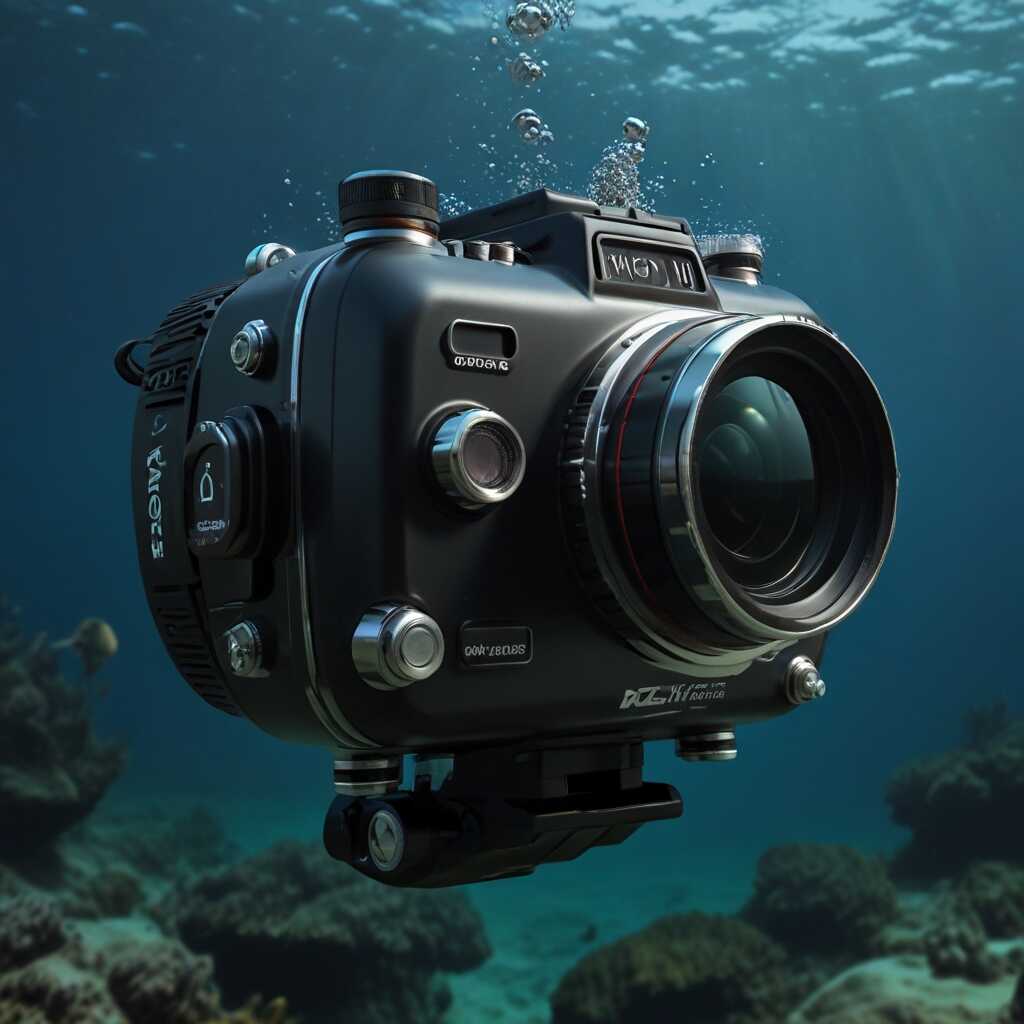
Weather conditions impact shore diving safety significantly. Wind speed and direction can create challenging waves, increasing the risk of equipment damage and injury. Rain can reduce visibility, complicating navigation and making it essential for divers to adjust their plans. Tide changes considerations are also critical; strong currents can develop, especially during high tide, requiring divers to stay informed about local patterns. Essential planning strategies like checking weather forecasts and tidal charts before each dive helps divers avoid hazardous conditions. According to a 2022 survey, 30% of divers reported experiencing safety issues due to these factors, highlighting the importance of preparation.
Understanding Tidal Currents and Their Effects on Safety
Understanding tidal currents and their effects on safety is vital for every diver. Tides change approximately every six hours, influencing water flow and creating currents that can be strong and unpredictable. During high tide, water levels rise, which can either enhance or hinder entry and exit points at the shore. When planning a dive, check tide tables to identify peak currents, which typically occur about an hour before and after high tide. This knowledge helps divers anticipate potential challenges and choose safe conditions. Optimal shore entry is during low tide when currents are minimal, helping ensure a safe dive experience.
Advantages of Employing Smart Entry Tactics
- Enhancing safety protocols lowers the risk of injury during diving.
- Effective techniques minimize potential damage to expensive gear.
- Cultivating awareness helps divers respond to changing conditions better.
- Practicing safe entries boosts overall diving confidence and enjoyment.
- Collaborative techniques improve team efficiency during dive groups.
- Learning safe methods encourages beginners to embrace diving adventures.
- Accessing best guidelines promotes environmental stewardship in dive sites.

Recommended Safety Gear for Shore Diving Adventures
Essential safety gear for shore diving includes reliable buoyancy control devices (BCDs), dive knives, safety floats, and suitable wetsuits. BCDs help divers maintain stability while entering or exiting the water, enhancing comfort and control during tricky surf conditions. Dive knives serve as a crucial tool for emergency situations, allowing divers to cut through entanglements quickly. Safety floats provide visibility and a resting platform while divers are in the water. Wetsuits are designed to keep divers warm, providing buoyancy and protection from sharp rocks or marine life. Each piece of equipment enhances safety and usability by improving operational efficiency and reliability during dives.
Key Features of Reliable Diving Safety Gear
Reliable diving safety gear features must ensure comfort, durability, and ease of use. Buoyancy control devices, for instance, should include adjustable straps and flexible materials that help divers maneuver easily. Dive knives need to have corrosion-resistant blades to withstand saltwater environments while providing a comfortable grip. Safety floats should be brightly colored to promote visibility, even in rough seas. Quality wetsuits should properly fit and allow for easy movement without sacrificing warmth. Choosing gear with these key features significantly enhances divers’ safety during shore entries, reducing the risk of injuries and equipment damage.
Emergency Action Plans for Shore Diving Incidents
In an emergency during shore entry, divers should first prioritize safety by assessing the situation. Move to safety if possible, avoid panic, and communicate clearly with the dive team. Check if anyone needs immediate medical attention, and provide first aid as needed. Keep safety gear, like flotation devices and medical kits, accessible. Review essential diving techniques that help prevent injuries and equipment damage. These include using proper entry techniques and ensuring equipment durability before entering the water. A quick response is critical; divers should act within seconds to prevent further injury or complications.
Key Emergency Procedures for Shore Divers
Understanding key emergency procedures enhances safety during shore diving. Divers should familiarize themselves with their surroundings. Knowing the nearest exit points and the location of safety equipment can help in emergencies. Practice using hand signals for clear communication underwater. Establish a buddy system to stay connected and aware during dives. Keeping first aid kits and emergency flotation devices on hand will help. Conduct regular drills and reviews to prepare for potential hazards. These actions enable divers to react swiftly and effectively, reducing risks and improving safety overall.
Notable Brands and Their Use Cases in Dive Safety
- Scubapro offers rugged gear praised for its durability in challenging conditions.
- SeaQuest focuses on comfort, making it ideal for beginner divers.
- Aqualung provides a range of equipment used by professionals in various environments.
- Atomic Aquatics is recognized for high-end products favored for extreme depths.
- Beginners often prefer brands like Cressi for their affordable entry-level options.
- Technical divers might choose Dive Rite for specialized gear advancements.
- Casual divers benefit from Mares’ versatile products designed for everyday use.
Maintenance Practices for Diving Gear After Shore Entries
Cleaning diving gear after shore entries is essential for maintaining its performance and longevity. Rinse your equipment in fresh water to remove salt, sand, and debris. Pay special attention to regulators, wetsuits, and fins. Use a gentle soap solution for deeper cleaning when necessary. Equipment you should inspect includes your buoyancy compensator, tank, and masks. This inspection will help ensure reliability. Permit your gear to dry thoroughly before storing it away. Allow a minimum of 30 minutes for drying in a shaded area, as direct sunlight may damage certain materials. Storing your equipment in a cool, dry place will enhance its durability.
Essential Steps in Equipment Drying and Storage
Drying and storing diving equipment correctly is crucial for future performance. After rinsing, use a soft cloth to wipe down sensitive components like your regulator and gauges. Hang wetsuits and rash guards upside down to prevent water pooling. Keep items like dive computers and masks in a dry, ventilated area. For long-term storage, use mesh bags that allow airflow while keeping dust away. Regularly check your equipment for signs of wear or mildew. Following these steps will enhance the overall lifespan and reliability of your diving gear.