
Planning dives for optimal visibility is key to enhancing your marine life observation experiences. By choosing the right conditions, divers can spot vibrant sea creatures and appreciate the underwater world more fully. Scuba Forge provides valuable insights into how to plan your dives effectively, ensuring you enjoy safe and adventurous trips. Optimizing visibility not only improves your experience but also helps you make the most of your diving gear.
Understanding How Visibility Affects Dive Experiences
Visibility is crucial in scuba diving. It impacts both safety and enjoyment. Clear visibility allows divers to appreciate vibrant marine life. Good visibility can enhance your overall dive experience. Poor visibility can limit what you see, making observation challenging and possibly unsafe. Factors affecting visibility include water clarity, light conditions, and environmental elements. Understanding longer visibility ranges helps divers plan for optimal conditions. The average visibility range often lies between 30 to 100 feet in tropical waters.
Key Factors Influencing Underwater Visibility
Water clarity significantly affects underwater visibility. Several elements contribute to this clarity, such as plankton levels, sediment in the water, and weather conditions. For example, areas with strong currents may stir up sediment, reducing clarity. Additionally, phytoplankton blooms can temporarily diminish visibility. Temperature differences can also create thermal layers that impact visibility. Divers should consider these visibility factors when planning dive trips. Choosing the right time and location is essential for maximizing marine life observation. Researching conditions at your dive site can help identify optimal diving conditions.
Effective Strategies for Planning Dives with Optimal Visibility
When planning dives for optimal visibility, consider factors like seasonal changes, water clarity, and weather conditions. Research locations that are known for their clear waters. Popular dive sites such as the Great Barrier Reef and the Red Sea often provide excellent visibility. Aim for at least 30 feet of visibility when observing marine life. Good visibility enhances your experience by allowing more light and clearer views of underwater ecosystems. Using local diving reports can help you make informed decisions based on current visibility conditions.
Choosing Sites Based on Visibility Trends
Choosing dive sites based on historical visibility trends can greatly enhance underwater experiences. Areas like Bonaire and the Maldives are famous for consistent visibility, often exceeding 60 feet. Research local dive community feedback and seasonal patterns to find the right time for diving. Wind direction and tidal movements also influence water clarity. Tools like underwater visibility charts and local dive guides can provide reliable data to help divers find the best sites.
Impact of Environmental Factors on Underwater Visibility
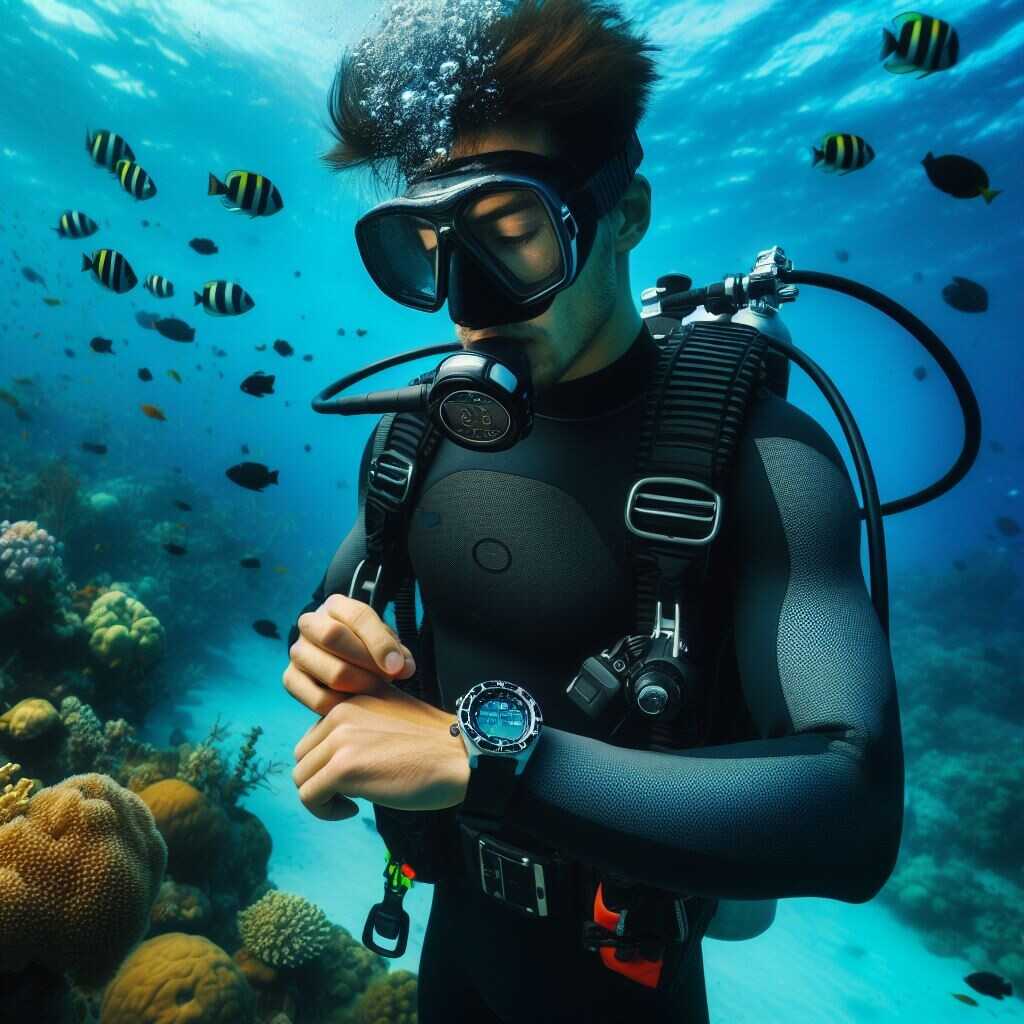
Environmental factors significantly affect underwater visibility. Water temperature plays a crucial role; warmer water often contains more nutrients and can increase particulate matter, diminishing visibility. Ocean currents also impact how clear the water is; strong currents can stir up sediment and reduce clarity. Understanding these dynamics helps divers choose the best times to dive to enhance their experiences. Locations like the Caribbean generally have better visibility due to stable conditions, while temperate waters may fluctuate seasonally. Awareness of these conditions is essential for planning a successful dive trip.
Understanding Visibility Variations in Different Locations
Different diving locations offer varying visibility based on environmental conditions. Tropical areas frequently boast visibility ranges of 20-40 meters due to warmer water and less sediment. By contrast, temperate zones may experience visibility from 5 to 15 meters as currents and colder waters disturb the seabed. Furthermore, during times of heavy rain or storms, visibility can deteriorate quickly due to run-off and increased sediment. If divers aim for optimal viewing of marine life, timing their dives around stable weather patterns significantly enhances visibility and overall dive quality.
Key Numerical Data on Optimal Underwater Conditions
- Visibility can vary from 5 to over 100 feet in different locations.
- Most divers prefer depths of 30 to 60 feet for optimal visibility.
- Marine life activity often peaks at specific tides, typically biweekly.
- Temperature differences can affect visibility; warmer water usually offers clearer sight.
- Light penetration decreases below about 100 feet, affecting observation quality.
- Visibility is best during calm seas with an average wave height of less than 1 foot.
- Planning dives during sunrise or sunset enhances colorful marine life views.

Optimizing Dive Gear for Enhanced Visibility
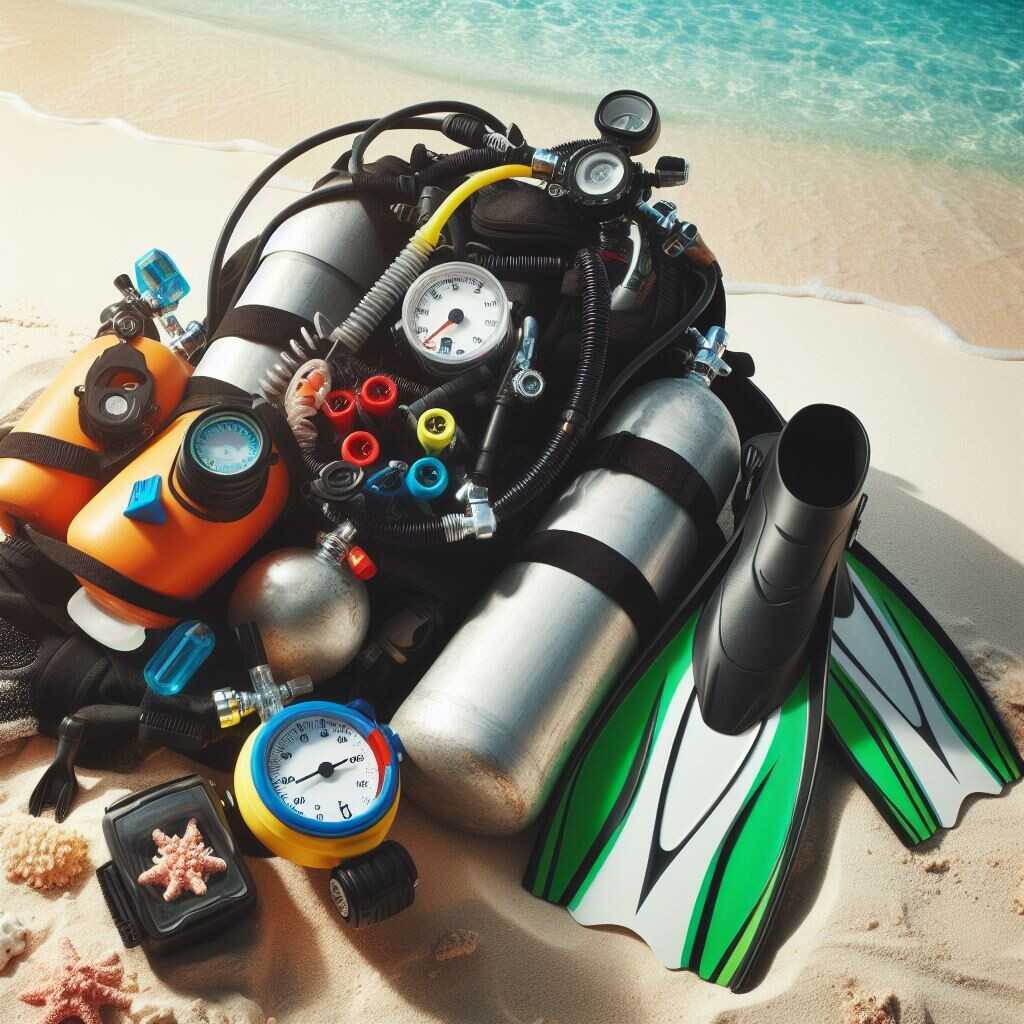
The choice of dive gear significantly influences underwater visibility. High-quality masks with anti-fog features enhance clarity. Additionally, the type of wetsuit can impact your buoyancy and water flow, affecting your sight lines. Using a reliable dive light can reveal hidden marine life in darker areas. Gear with a streamlined design helps divers move more efficiently, reducing weariness and ensuring that divers remain aware of their surroundings. Understanding which essential features to prioritize is crucial for maximizing visibility during dives.
Top Gear Choices for Better Visibility
Several types of gear can help maximize marine life observation. A well-fitted mask provides a clear peripheral view and prevents water entry. High-performance dive lights can illuminate vibrant corals and active sea creatures, even in murky waters. A streamlined wetsuit enhances your speed and reduces resistance. These factors combined create the best conditions for exploring underwater ecosystems. When planning your dives, use gear reviews to find the most effective equipment based on your diving environment. Diving seasons, like summer 2025, could also impact visibility and the types of marine life you may encounter.
Identifying the Best Times to Dive for Visibility
The best times to dive for optimal visibility include early morning and late afternoon. During these times, sunlight penetrates the water more efficiently, minimizing distortion. Seasonal factors also play a crucial role in visibility. For example, summer often provides clearer waters due to reduced rainfall and less plankton. Areas like the Caribbean and Mediterranean typically enjoy ideal diving conditions from June to September. On average, divers can expect visibility ranging from 10 to 30 meters during these peak times. The clarity enhances marine life observation chances substantially.
Understanding Seasonal Visibility Changes for Divers
Seasonal visibility changes significantly impact your dive experience. During winter months, colder temperatures can increase underwater sediment. This sediment can decrease visibility, making marine life harder to spot. In contrast, locations like Southeast Asia enjoy excellent conditions year-round, but the best visibility occurs from March to May. Research indicates that visibility can reach 30 meters during these months due to favorable weather patterns. Understanding these changes helps divers plan trips effectively to enhance marine life observation significantly.
Advantages of Diving in Clear Water
- Enhanced visibility allows for better photography of underwater scenes.
- Clear conditions improve the chances of spotting unique marine creatures.
- Planning dives when visibility is high increases overall diver safety.
- Observation of behaviors in marine life becomes more detailed and colorful.
- Clearer water lets divers enjoy the beauty of coral reefs and rock formations.
- Better visibility creates a more immersive and enjoyable diving experience.
- High visibility conditions help divers navigate safely and avoid hazards.

Principles of Environmental Awareness in Dive Planning
When planning dives, it’s essential to consider environmental sustainability. Factors such as water temperature, visibility, and marine biodiversity play critical roles in dive safety and enjoyment. Responsible diving practices include following local regulations, minimizing contact with marine ecosystems, and using eco-friendly dive gear. Organizations focused on preserving marine habitats include the Coral Triangle Initiative and the Ocean Conservancy. Understanding their work enhances awareness and helps divers make informed choices that benefit aquatic ecosystems. Lastly, research shows that over 70% of coral reefs are threatened by climate change, highlighting the need for action in dive planning.
Best Practices for Supporting Marine Conservation During Dives
To support marine conservation, divers should adopt best practices that promote environmental sustainability. Using reef-safe sunscreen protects coral reefs from harmful chemicals. Avoiding touching or standing on delicate marine life prevents damage to ecosystems. Participating in organized clean-up dives helps remove debris and protects aquatic habitats. Choosing dive operators that prioritize eco-friendly practices ensures a positive impact on marine life. Scuba Forge recommends researching operators’ environmental policies and experiences to align diving activities with preservation efforts. Following these best practices not only enhances your diving experience but also contributes to the health and longevity of marine ecosystems.
Insights from the Diving Community on Visibility and Experience
Divers often find that the best visibility conditions for spotting marine life occur in calm waters, typically with at least 20 meters of clarity. Many community members shared their experiences, emphasizing how conditions such as less plankton and suspended particles significantly enhance their observation experiences. Locations like the Caribbean and the Red Sea often provide the desired clarity, allowing divers to experience colorful coral reefs and diverse marine species. Some divers noted incredible encounters with dolphins and manta rays during dives where visibility exceeded 30 meters. To successfully plan your dive, utilize community insights to identify the best times of year when visibility is optimal.
Optimizing Dive Plans for Marine Life Observation
For divers seeking to optimize their dive plans, research shows that timing is key. Many divers recommend planning dives during the early morning or late afternoon for the best visibility. Community feedback indicates that avoiding seasonal storms or heavy rains significantly enhances the chances of clear waters. Ensure your equipment is reviewed for reliability and comfort, as properly functioning gear boosts confidence during dives. Divers suggest visiting certain locations during specific months when marine life is more active, leading to exceptional observation experiences. Utilizing local dive shops can also provide valuable insights into current visibility conditions and marine species present.
Popular Diving Brands and Their Target Audiences
- Brand A specializes in high-performance gear for marine photographers.
- Brand B designs budget-friendly options for novice divers looking to explore.
- Brand C targets experienced divers, focusing on durability and safety features.
- Brand D creates eco-conscious gear for environmentally aware divers.
- Brand E offers specialized suits for cold-water divers keen on visibility.
- Brand F provides compact gear for travel divers seeking convenience.
- Diving schools often recommend specific brands based on training levels.
Safety Protocols for Challenging Visibility Conditions
When experiencing poor visibility, it is essential to follow several safety protocols. First, divers should always dive with a buddy to enhance safety. Establish communication signals before the dive. Use reliable dive lights to improve visibility. Maintain a close physical distance to your buddy. Mark your entry and exit points to prevent losing your way. Use a compass or underwater navigation techniques when visibility is low. Divers should avoid sudden movements to prevent stirring up sediment. Understand your dive site well, and if visibility is less than five meters, it’s advisable to stick to familiar areas. The maximum recommended depth in limited visibility is typically 18 meters, though this can vary based on diver experience.
Techniques for Effective Underwater Navigation in Poor Visibility
Underwater navigation becomes crucial when visibility is limited. Divers should rely on a compass to maintain their bearings. A dive slate can help jot down important points or drawings. Familiarizing yourself with natural references like rock formations or the reef structure is essential. Planning your dive route beforehand is useful for keeping track. Following your bubbles can also guide you back to the surface. Always ensure that your visibility standards align with your experience level. Practice navigation skills in a controlled environment before diving in challenging conditions to enhance your effectiveness underwater.