
Planning dive vacations to prevent mold on your equipment is essential for enjoying your underwater adventures. Proper care and drying techniques can keep your diving gear in excellent condition and free from mildew. At Scuba Forge, we provide practical tips to help divers maintain their equipment, ensuring safety and performance while traveling. Understanding how to prevent mold is crucial for all divers, so let’s dive into effective strategies together.
Why Proper Drying is Essential for Diving Equipment
Proper drying is vital for maintaining diving equipment. Mold and mildew can cause serious health risks, including respiratory problems and skin irritations. Inhaling mold spores can lead to allergic reactions and more severe health issues. Consistent care contributes to the longevity and reliability of gear. Mold can negatively affect the performance of equipment, making it less efficient during dives. Ensuring a thorough cleaning and drying process minimizes the risk of these problems.
Best Practices for Drying Diving Gear
To effectively dry diving equipment, begin by rinsing gear with fresh water to remove salt and contaminants. Hang suits, masks, and accessories in a well-ventilated area away from direct sunlight to prevent material degradation. Use drying racks specific for diving gear that enhance airflow. Inspect gear regularly for signs of mold and ensure all parts are dry before storage. Implementing these best practices ensures your diving equipment remains reliable and is ready for your next underwater adventure.
Effective Techniques to Dry Different Types of Dive Gear
Wetsuits can be dried effectively by turning them inside out and hanging them on a sturdy hanger in a shaded area. This method helps moisture escape. Masks should be rinsed and dried on a soft surface to prevent scratches. Regulators need careful drying; breathe out to clear moisture, then hang them upside down to avoid water pooling inside. Addressing common challenges, divers must ensure proper airflow and avoid direct heat, which can damage gear. Generally, drying a wetsuit should take around 4 to 8 hours, depending on humidity. Following these techniques can enhance the drying efficiency of your diving gear while ensuring reliability and performance.
Essential Steps for Optimal Wetsuit Drying
To ensure effective wetsuit drying, first, rinse it thoroughly in fresh water to remove salt and contaminants. Hang the wetsuit on a wide hanger to avoid stretching the shoulders. Place the wetsuit in a shaded area with good airflow. If possible, use a fan to enhance drying speed. Avoid direct sunlight, as it can degrade the neoprene material. Consider using a wetsuit dryer for best results; they maintain a constant temperature that increases drying efficiency without damaging the fabric. Regular maintenance using these drying steps improves your wetsuit’s longevity and performance, making your dives more enjoyable.
Best Practices for Storing Dive Equipment Safely
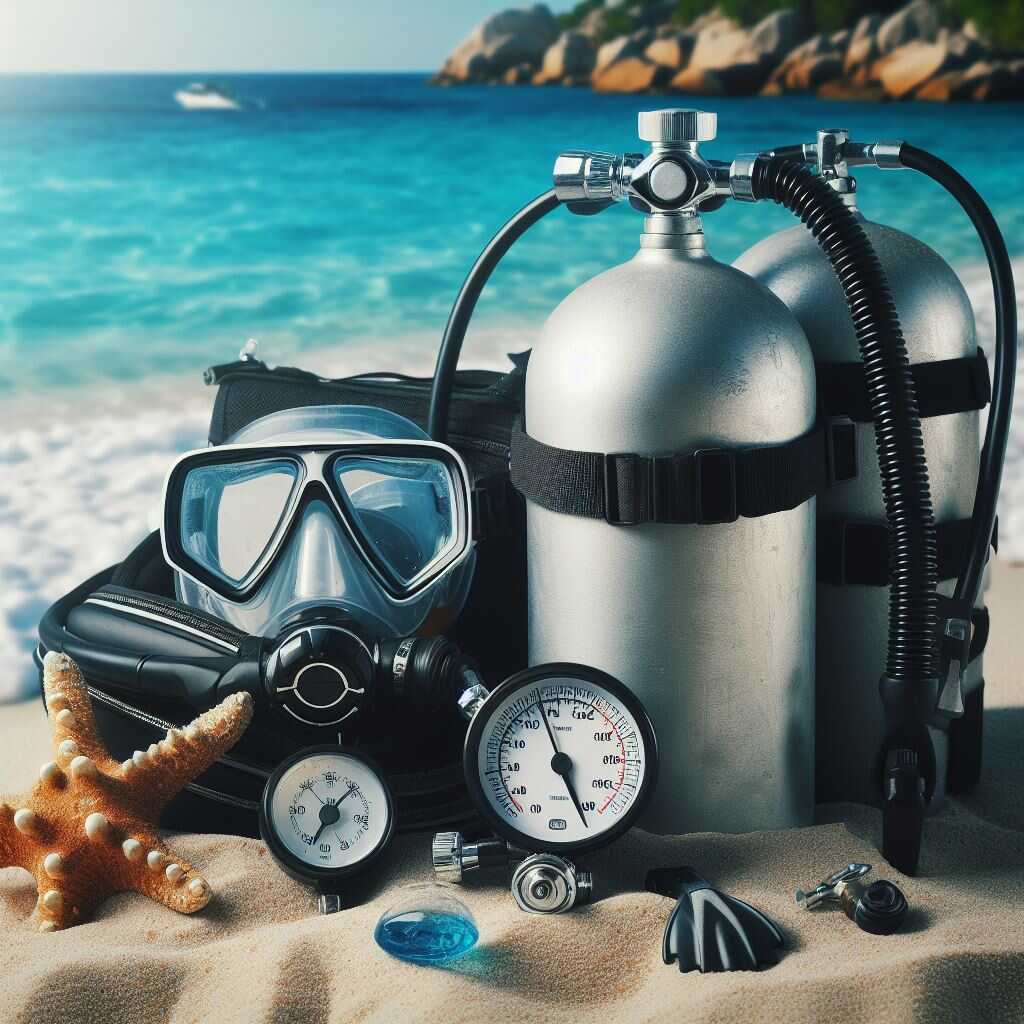
Divers can prevent mold growth on their gear through several essential practices. Store diving equipment in a cool, dry place. Avoid basements and damp areas. Use breathable gear bags designed for diving equipment storage. Ensure your gear is completely dry before packing. Proper humidity management is critical; aim for humidity levels below 50%. Consider using desiccants in storage cases to absorb excess moisture. Organize gear neatly to allow air circulation. Keep items off direct contact with surfaces to reduce humidity retention. Regular inspections for any signs of mold will help maintain quality. These practices will enhance reliability and extend the lifespan of your diving equipment.
Effective Humidity Control for Dive Gear Storage
Maintaining low humidity is crucial for safe dive gear storage. Use a hygrometer to regularly check the moisture levels in your storage area. The ideal humidity level for storing dive gear is 30-50%. If humidity is high, consider using a dehumidifier to control levels. Store tanks and gear in ventilated areas, preventing moisture buildup. Additionally, using silica gel packets can help absorb moisture inside gear bags or storage containers. These methods effectively improve the durability and performance of your equipment, ensuring that it remains in excellent condition for every dive.
Key Numeric Insights for Managing Dive Gear
- 60% of divers report issues with mold growth on equipment.
- 2-3 hours is ideal drying time for dive gear after use.
- 80°F (27°C) is the recommended temperature for optimal drying.
- Preventative care reduces mold risk by up to 90%.
- 3-5 days is the typical timeframe for mold to develop in damp conditions.
- 70% humidity levels increase mold risks substantially.
- 70% of divers use gear storage solutions to manage mold growth.
Choosing the Right Locations for Drying Your Gear
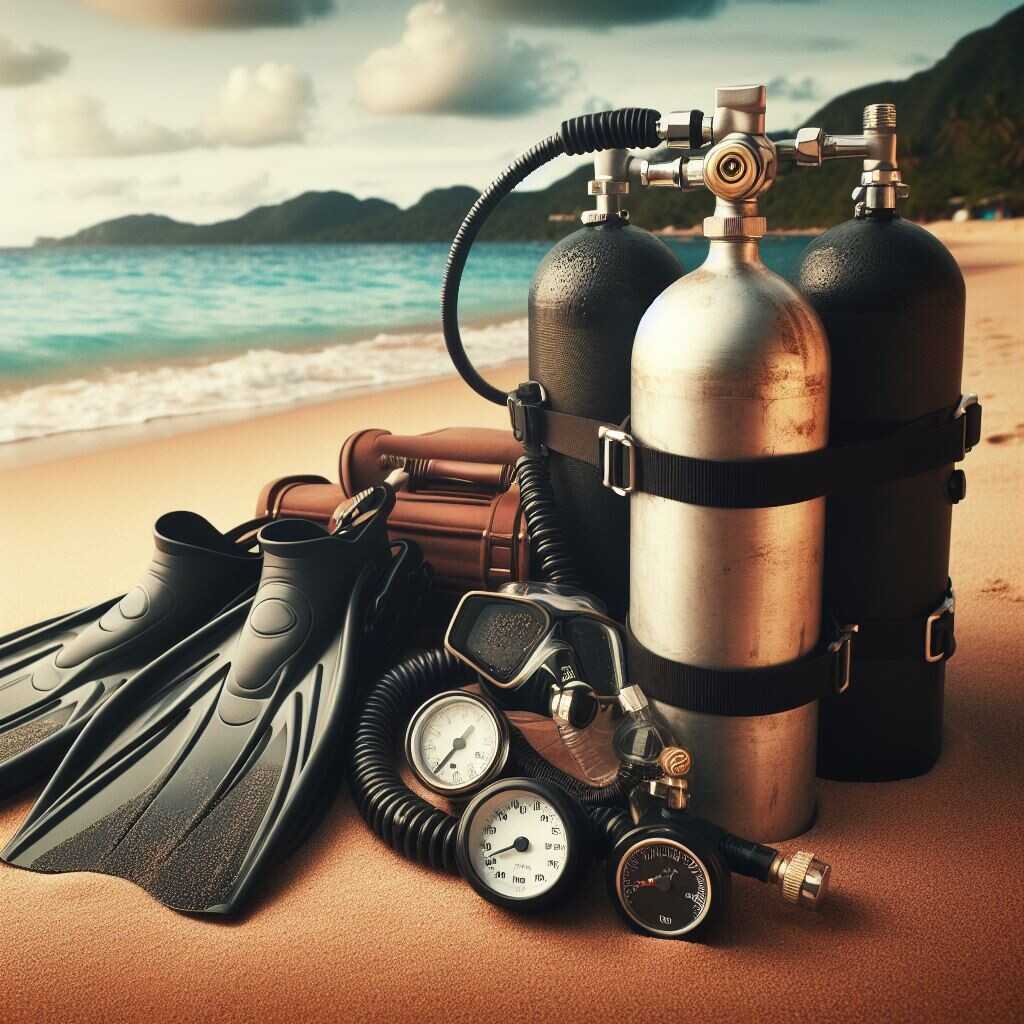
When selecting drying locations for dive gear, consider factors such as temperature, humidity levels, and air circulation. Optimal drying environments are warm and dry, with a breeze to enhance airflow. Ideal locations for drying gear include balconies, outdoor areas with sunlight, and climate-controlled hotel rooms. It’s important to allow at least 4 to 8 hours for your gear to dry thoroughly, depending on these conditions. Ensuring that gear is hung or laid flat in a well-ventilated space helps improve drying efficiency. Regularly check your equipment to prevent mold from developing.
Maximizing Airflow for Effective Drying
Maximizing airflow is essential for effective drying of your dive gear. Consider using drying racks or hangers that elevate gear away from surfaces. This setup increases air circulation around the equipment, allowing heat and moisture to escape quickly. If available, use fans to enhance airflow, especially in humid environments. Ensure that wet items are not crowded together; separation allows for faster evaporation. Remember that drying in direct sunlight can also help, but be cautious with materials sensitive to UV exposure. Following these tips will significantly improve drying times and prevent mold growth.
The Dangers of Mold Growth on Dive Equipment
Mold growth on diving equipment is mainly caused by moisture and organic matter, like skin cells or algae. Damp environments, particularly after diving, create perfect conditions for mold to thrive on wetsuits, masks, and other gear. Mold can damage equipment by breaking down materials, leading to reduced durability and performance. For divers, exposure to mold can lead to allergic reactions, respiratory problems, and skin irritations. Understanding mold prevention measures is essential for maintaining gear integrity and ensuring diver health.
Mold Prevention Strategies for Diving Gear
To effectively prevent mold on diving equipment, ensure your gear is thoroughly dried after each use. Utilize drying racks in well-ventilated areas. Avoid storing wet gear in bags or confined spaces. Clean equipment regularly with a mild detergent to remove organic matter that promotes mold growth. Consider using specialized mold inhibitors designed for diving gear. Regular maintenance, including inspecting for signs of mold, is crucial to keep equipment reliable and safe. Following these strategies can significantly enhance your diving experience and prolong gear life.
Advantages of Strategic Diving Equipment Care
- Proper maintenance extends the life of your gear significantly.
- Effective drying techniques help prevent mold on your equipment.
- Regular care promotes better performance and safety during dives.
- Using eco-conscious practices enhances environmental sustainability.
- Awareness of drying time improves overall travel planning.
- Community knowledge empowers divers to share best practices.
- Investing in good care tools ensures readiness for future use.

Quick-Drying Solutions for Traveling Divers
This section explores essential solutions for efficiently drying diving gear during travel. The best portable drying devices include the DryBuddy and the Dry Suit Dryer. They are reliable, lightweight, and designed for quick usage. Techniques like hanging gear in a well-ventilated area, using absorbent towels, or a fan can enhance drying speed. When traveling in humid conditions, ensuring airflow using portable fans or drying racks helps keep your gear dry. Under optimal conditions, it typically takes 3 to 6 hours for diving equipment to dry.
Utilizing Innovative Tools for Efficient Drying
Innovative tools significantly enhance the drying process for traveling divers. For example, using a portable fan can improve airflow around wet gear. An investment in a compact, battery-operated drying unit helps you dry gear evenly. Additionally, using microfiber towels maximizes water absorption. Thoroughly wipe down wetsuits and dive bags before hanging them to dry. Research shows that these methods can reduce drying time by up to 50%, especially in high-humidity environments. Using these reliable solutions ensures your gear is always ready for your next dive.
Regular Maintenance to Prevent Mold on Diving Gear
Routine maintenance practices are essential for preventing mold on diving gear. Divers should thoroughly rinse their equipment with fresh water after each use, especially in saltwater. This step removes salt and debris that can promote mold growth. After rinsing, it’s vital to dry the gear properly. Store it in a well-ventilated area to enhance air circulation. When gear is stored in sealed containers, mold can develop. It’s also advisable to inspect and clean equipment regularly, including checking for dampness in wetsuits, booties, and masks. Use specialized cleaning solutions designed for diving gear to maintain cleanliness without damaging sensitive materials.
Effective Cleaning Techniques for Diving Equipment
Effective cleaning techniques enhance the longevity of diving equipment. Divers should use a soft brush and mild detergent to clean their gear. Ensure to scrub areas prone to mold, like neoprene parts and seams. Rinse thoroughly to remove any soap residue and potential growth-inducing materials. Utilizing anti-fungal solutions can provide extra mold protection. Place items like masks and fins in an area with ample sunlight during drying. This natural drying method is effective in destroying mold spores while also freshening the gear. Regular cleaning every few dives is recommended to maintain quality and reliability.
Popular Diving Brands and Their Offerings
- Brand A: Offers durable gear but can be heavy for travel.
- Brand B: Lightweight with great ventilation, but slightly costlier.
- Brand C: Known for excellent drying solutions, effective against mold.
- Brand D: Affordable options available, though less durable overall.
- Brand E: High-end gear, highly rated for safety but may not be budget-friendly.
- Beginners often prefer brands with user-friendly instructions for gear care.
- Experienced divers look for gear that offers advanced features for efficiency.
Best Practices from the Diving Community on Gear Care
Experienced divers recommend several effective drying techniques for dive gear. Rinsing the gear with freshwater immediately after use removes salt and contaminants. Hang equipment in a well-ventilated area, avoiding direct sunlight to prevent material degradation. Divers often suggest using a gear dryer, like a forced air system, to enhance drying efficiency. Essential gear care includes inspecting for dampness in hidden areas. A practical tip is to use silica gel packets inside dive bags to absorb moisture. This advice helps ensure mold does not develop on diving equipment, especially in humid conditions. The ideal drying time for dive gear is typically 24-48 hours before packing it away.
Essential Tips for Drying Equipment Effectively
To effectively dry dive equipment, find a spacious, airy location. Make use of adjustable hangers designed for wetsuits and dive suits to allow airflow. Position your fins and masks upright to avoid pooling water. Implementing gear maintenance routines, like checking each item for excessive moisture before storage, significantly enhances reliability. Additionally, divers often recommend cleaning gear with specialized products designed to prevent mold. This ensures all items remain in excellent condition and perform reliably on the next dive, providing peace of mind for underwater adventures.