
Boost your chances of encountering whale sharks with smart dive planning by timing your trips to their migration seasons. Knowing when and where to find these incredible creatures can transform your diving adventure into a truly unforgettable experience. Scuba Forge is dedicated to helping divers navigate the best locations, essential gear, and safety measures for maximizing whale shark encounters. Our focus on methodical analysis and community insights ensures you are well-equipped for your marine adventure.
Discovering the Migration Patterns of Whale Sharks Around the World
Whale sharks migrate to different regions based on changing water temperatures and food availability. Typically, these gentle giants travel to warm waters between 30 degrees north and south of the equator. Notable locations include the Maldives, the Philippines, and Mexico’s Yucatán Peninsula. Understanding the timing is essential. Whale sharks usually gather in these areas from April to September, providing divers with the best opportunities to witness their majestic presence. The migration patterns reveal that certain months, like June and July, are particularly advantageous for whale shark encounters, as they converge in locations abundant with plankton, their primary food source.
Optimal Times and Locations for Whale Shark Encounters
The months of June through September offer the most reliable opportunities for encountering whale sharks. During this period, locations like Cancun, Holbox Island, and El Cid are hotspots where whale sharks gather. The nutrients in the water promote plankton blooms, attracting these magnificent creatures. Divers should consider arranging their trips around new and full moons for optimal visibility and encounter rates. Additionally, staying informed through local dive shops can enhance the chances of diving with whale sharks. The combination of well-researched planning and adaptive flexibility contributes greatly to successful whale shark encounters.
Must-Have Gear for Diving with Whale Sharks
Choosing the right diving gear enhances safety and comfort when encountering whale sharks. Essential gear includes a high-quality wetsuit designed for buoyancy and thermal insulation. A comfortable, reliable BCD (buoyancy control device) allows easy adjustments underwater. An efficient regulator ensures a steady airflow, crucial for extended dives. Scuba tanks typically provide around 12 to 15 liters of air, which is vital for managing dive times and oxygen supply. Additionally, a dive computer helps monitor your depth and time, enhancing safety during your encounter.
Recommended Brands for Whale Shark Diving
Numerous brands are known for their reliable and efficient diving equipment ideal for encounters with whale sharks. For wetsuits, consider brands like Scubapro and Bare, which offer good thermal protection and flexibility. When choosing a BCD, look at Aqua Lung and Cressi—these brands are praised for their comfort and features. For regulators, the Atomic Aquatics brand is often recommended for its excellent performance and durability. Lastly, a dive computer like the Suunto Zoop Novo is user-friendly and provides necessary data for safe dives.

Top Destinations for Whale Shark Encounters During Migration Seasons
To find the best destinations for whale shark encounters, consider locations like the Maldives, Mexico’s Yucatán Peninsula, and the Philippines. The Maldives offers clear waters and frequent sightings around May to September. Mexico’s Isla Holbox is known for its congregation of whale sharks from June to September. In the Philippines, particularly around Donsol Bay, sightings peak from November to June. Divers can use detailed migration patterns and ensure reliable sightings by planning trips during these months. At these prime locations, divers often experience excellent opportunities for marine life encounters.
Seasonal Timing for Optimal Whale Shark Sightings
Scheduling dives during peak seasons is essential for busy divers. In the Maldives, peak whale shark sightings often occur between May and September, with the best experiences reported during July and August. In Mexico, the Yucatán Peninsula is popular from June to September, with July often being ideal. The Philippines also boasts great sightings from November to June, making Donsol Bay a must-visit. Planning your travel around these optimal times helps enhance your chances of spotting these majestic creatures.
Key Statistics About Whale Shark Sightings
- Whale sharks can grow up to 40 feet long, making them the largest fish in the ocean.
- These gentle giants can live up to 70 years in the wild.
- Peak migration periods can vary, typically occurring from May to September in many regions.
- Whale shark populations remain vulnerable, requiring careful observation and conservation efforts.
- In some areas, divers can encounter up to 30 whale sharks in one day.
- Whale sharks travel within specific ocean currents, influencing their migratory patterns.
- Several countries, including Mexico, the Philippines, and Australia, are prime whale shark encounter locations.
Important Safety Practices for Diving Near Whale Sharks
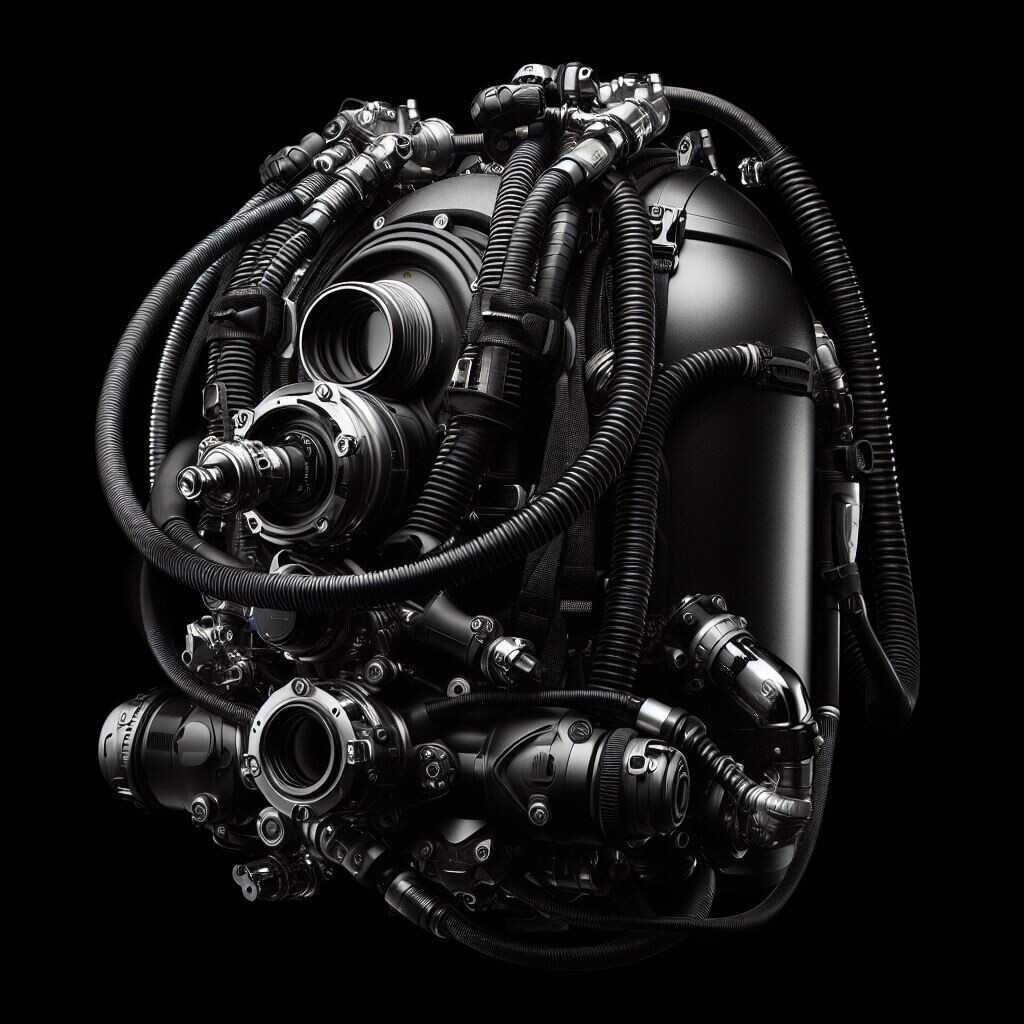
Diving near whale sharks requires strict adherence to safety practices that ensure both diver well-being and the protection of these magnificent creatures. Divers should use essential safety gear, including a wetsuit, fins, and a safety buoy, to enhance reliability during encounters. It is vital to maintain a respectful distance of at least 10 feet from whale sharks to avoid causing stress. Additionally, divers should never touch the sharks or attempt to feed them, as this could disturb their natural behavior. Practicing proper buoyancy control helps prevent accidental collisions and protects both the divers and the marine environment.
Best Practices for Whale Shark Interactions
Understanding best practices for whale shark interactions enhances both safety and enjoyment during dives. Divers should always enter the water quietly and avoid splashing to minimize disturbance. Use a dive computer to monitor your depth and time underwater, ensuring you do not exceed safe limits. It is also beneficial to dive in small groups, allowing for better management of encounters and less stress on the whale sharks. Researching their behavior, particularly their feeding patterns, helps divers choose optimal times for viewing. Engaging in responsible photography, such as avoiding flash and keeping a safe distance, protects these gentle giants.

Impact of Eco-Tourism on Whale Shark Preservation Efforts
Eco-tourism initiatives play a crucial role in whale shark conservation by promoting sustainable practices. These initiatives often generate revenue, which funds research and conservation programs. Responsible diving practices, such as maintaining a safe distance and minimizing noise pollution, help protect the delicate habitats of whale sharks. Divers can contribute by observing guidelines that ensure minimal disruption to their natural behaviors. This approach enhances the overall health of marine ecosystems while allowing divers to appreciate these unique creatures.
Key Organizations Supporting Whale Shark Eco-Tourism
Many conservation organizations engage in eco-tourism initiatives to support whale shark preservation. Groups like the Whale Shark Conservation Society and WWF work with local communities to develop responsible tourism practices. These organizations ensure divers are educated on the importance of protecting whale sharks. They offer training that emphasizes responsible diving practices, enhancing the experience for everyone involved. Countries including Mexico, the Philippines, and Australia have recognized eco-tourism as a viable method to conserve whale sharks by creating programs that secure their habitats.
Advantages of Strategic Dive Planning
- Enhanced chances of witnessing whale sharks up close during peak migration.
- Divers gain insights into proper gear for warm-water dives.
- Better understanding of marine ecosystems and conservation needs.
- Increased safety measures can significantly improve diving experiences.
- Planning trips in advance helps secure prime dive spots with fewer crowds.
- Dive planning fosters a sense of community among like-minded marine enthusiasts.
- Knowledge of the best time to dive leads to a more fulfilling underwater adventure.
Finding the Best Dive Operators for Whale Shark Experiences
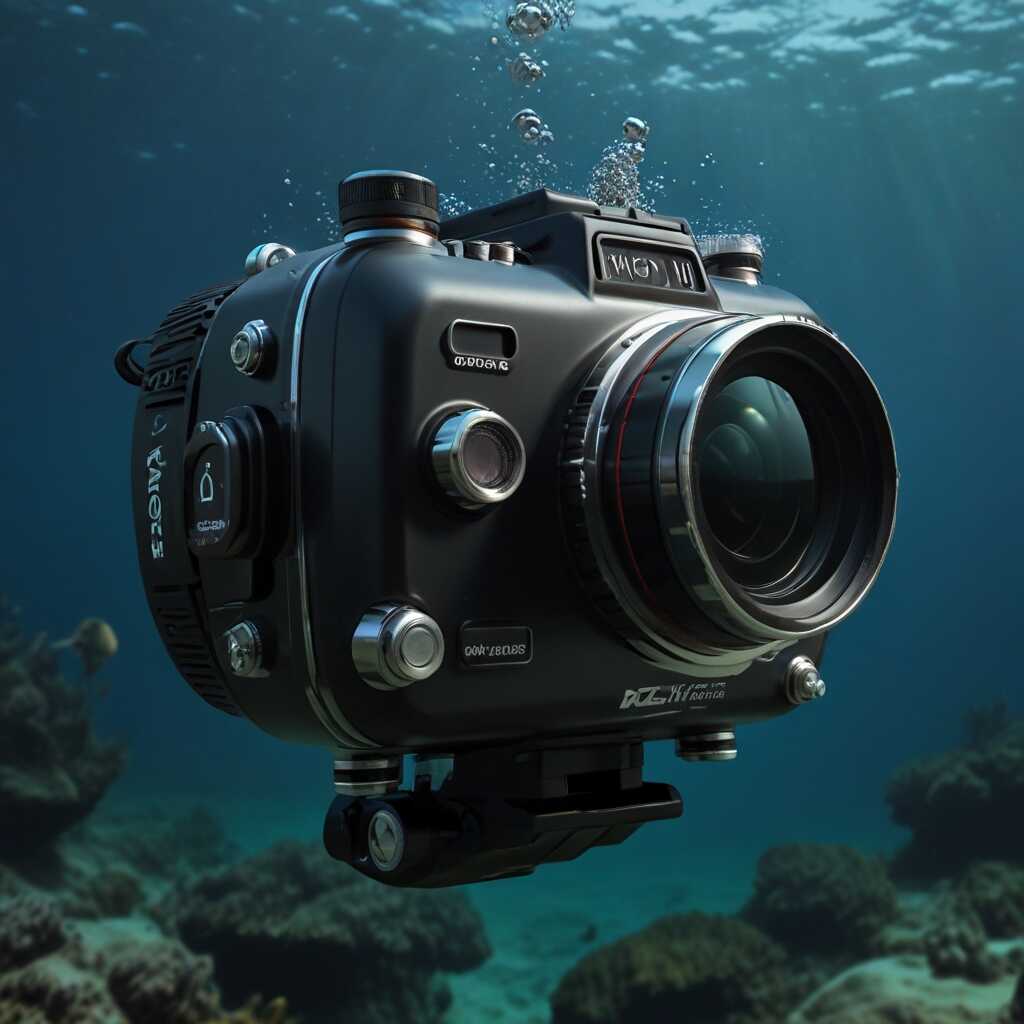
When selecting a dive operator for whale shark encounters, consider their reliability, safety records, and experience with these magnificent animals. Look for reviews that highlight the operator’s knowledge of whale shark behavior and migration patterns. Choose operators that follow marine conservation practices, which enhance environmental awareness while ensuring safe encounters. Research feedback from previous divers to assess the operator’s professionalism and support. A well-rated operator can greatly improve your diving experience through expert guidance and safety measures.
Top Destinations for Whale Shark Diving Operators
Some of the best destinations for whale shark encounters include Isla Holbox and La Paz in Mexico, Donsol in the Philippines, and Ningaloo Reef in Australia. Operators in these areas consistently receive great reviews due to their knowledgeable guides and commitment to marine conservation. A good operator trains staff to handle gentle interactions with whale sharks, ensuring safety for both divers and the creatures. They also offer quality gear and may include educational briefings that enhance your understanding of whale shark habitats and behaviors.
Building Connections in the Diving Community and Sharing Insights
Connecting with the diving community is essential for anyone seeking to enhance their dive experiences. Online forums and social media platforms can help divers share personal experiences and advice. These valuable interactions provide trip planning tips and insights specifically geared towards maximizing whale shark encounters. Divers often report that community-driven recommendations lead to more reliable and excellent experiences underwater. Remember, a significant percentage of divers have spotted whale sharks during their adventures, showing the effectiveness of community insights.
Leveraging Community Wisdom for Trip Planning
Leveraging community wisdom is crucial for effective trip planning aimed at encountering whale sharks. Participating in diving forums enables divers to gather firsthand experiences about the best locations, times, and diving gear needed for successful encounters. Experienced divers often share reviews of specific dive operators known for reliable whale shark sightings. They discuss trip planning tips that include optimal migration seasons and safety measures. Engaging with this community not only provides proven strategies but also prepares you for potential challenges underwater, enhancing the overall diving experience.
Brands and Their Use Cases in Whale Shark Diving
- Scubapro offers comfortable diving gear, ideal for longer dives with proper support.
- Suunto provides dive computers that enhance safety with accurate depth data.
- Aqualung produces high-quality wetsuits suitable for various water temperatures.
- Mares has a range of snorkel equipment very effective for surface viewing of whale sharks.
- Bottom line: Divers who prioritize comfort should choose Scubapro for gear selection.
- Safety-focused individuals might prefer Suunto for its advanced monitoring technology.
- Eco-tourists often gravitate towards brands with a focus on sustainability and environmental practices.
Preparing for Your Whale Shark Dive Adventure Efficiently
To ensure a successful whale shark dive, divers should bring essential gear such as a wetsuit, snorkel, fins, and an underwater camera. The wetsuit provides thermal protection and enhances buoyancy. A good-quality snorkel allows for easy breathing while observing these large creatures. A sturdy pair of fins helps improve mobility underwater. Additionally, underwater cameras capture stunning imagery of these magnificent animals and contribute to documenting your experience.
Best Times and Locations for Whale Shark Sightings
Whale sharks can be encountered in various locations around the globe, including the Maldives, Mexico, and Thailand. The best times to see them vary by region. For instance, in the Maldives, sightings peak from May to December, while in Mexico’s Isla Holbox, the best opportunities occur between June and September. Researching current migration patterns and local dive operators can greatly improve your chances of a successful whale shark encounter.