
Enhancing large animal encounters is possible by planning dive trips during migration seasons. Timing your dives with these migrations can lead to unforgettable experiences with pelagic wildlife like sharks, whales, and rays. At Scuba Forge, we provide insights that help divers align their adventures with the best times for sightings. Our goal is to ensure you maximize your underwater exploration while prioritizing safety and performance.
Why Timing Your Dive Matters for Animal Encounters
The timing of your dive trips can significantly enhance your chances of encountering large marine animals. Aligning your dive with pelagic migrations increases reliability in spotting species like whales, sharks, and manta rays. Many divers report up to a 50% increase in their sightings when diving during these migration seasons. Research indicates that certain times of the year offer better opportunities due to the congregations of these animals as they follow food sources. By planning your dives around these migratory patterns, you can improve your underwater experiences and ensure a more fulfilling adventure.
Which Migration Seasons to Consider for Divers
Diverse migration seasons present unique opportunities for divers eager to witness large marine animals. For instance, the humpback whale migration typically occurs from December to April, while the great white shark season peaks from August to October. In addition, manta ray gatherings are prevalent during warm-water months, making it a prime time for divers. Understanding these migration patterns can improve your diving experience, allowing for the best encounters with these magnificent creatures. Focus on research to determine the best locations and timings to maximize your chances of impressive underwater sightings.
Understanding Migration Patterns of Key Marine Species
Key marine species, such as whale sharks, manta rays, and sea turtles, migrate due to food availability and breeding patterns. Whale sharks travel to warm waters during spring and summer to feed on plankton. Manta rays can be found in cleaning stations during their migrations, enhancing your dive opportunities. Sea turtles follow specific routes based on nesting seasons, particularly from April to August. Understanding these migrations helps divers choose the best months for encounters with these magnificent creatures.
Dive Timing for Optimal Marine Encounters
Divers can significantly enhance their underwater experiences by planning trips around specific migration timelines. For example, whale shark sightings peak in places like the Philippines from March to June. In contrast, manta ray migrations often occur during the full moon. Selecting to dive during these periods provides the best chance to see these pelagic animals. Additionally, many dive operators schedule trips during these optimal times, ensuring a memorable experience for divers.
Essential Tips for Effective Dive Trip Planning
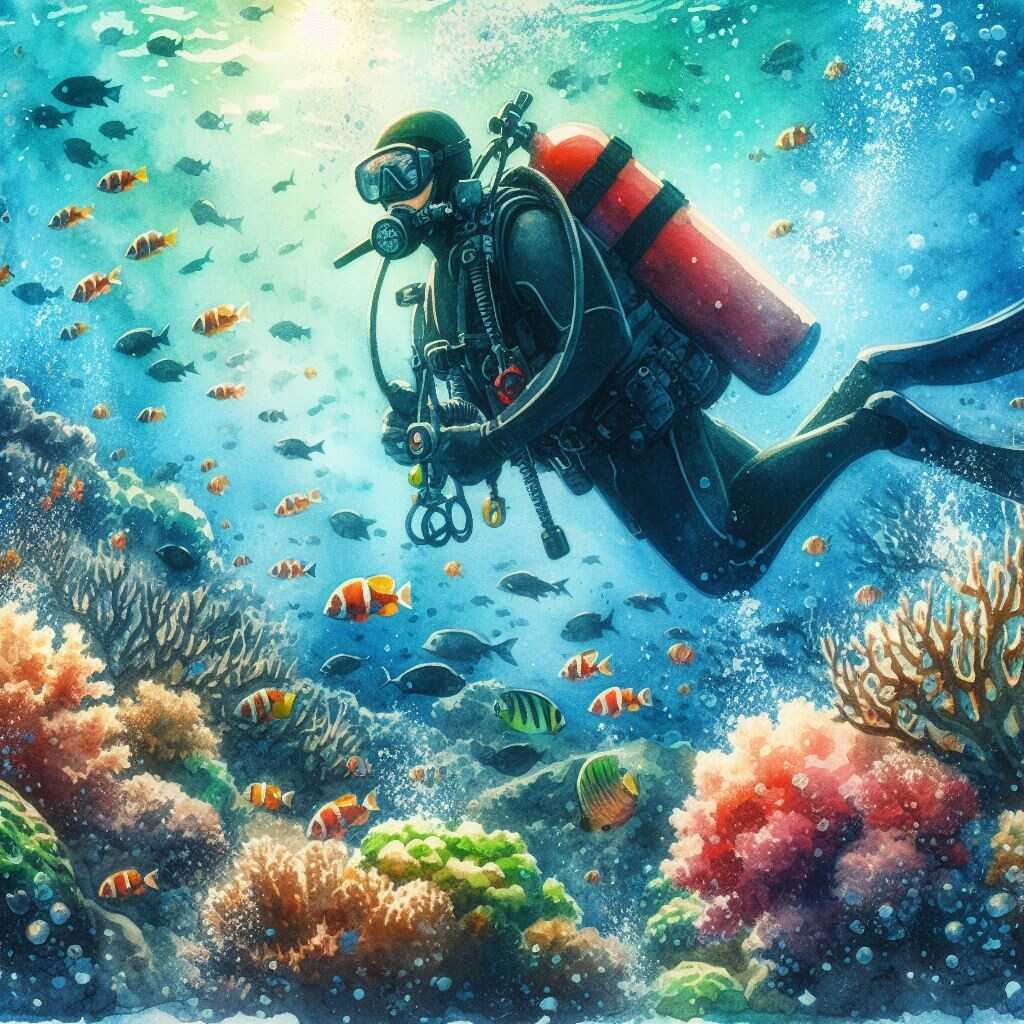
Planning a dive trip during migration seasons enhances large animal encounters significantly. The best times for diving coincide with specific migration periods. For instance, humpback whales migrate between November and April, while manta rays are prevalent from May to September. Optimal diving locations include the Fiji Islands for manta rays and the Bahamas for whale sharks. To ensure safety during these adventures, divers should check weather conditions, dive with a buddy, and have reliable communication devices.
Top Diving Locations for Migration Seasons
Some of the best diving locations for experiencing large marine animals during migration seasons include Socorro Island in Mexico, known for its robust aggregations of hammerhead sharks, and the Great Barrier Reef in Australia, where divers can often see various migratory species. Research these zones and their peak times to plan your trip effectively. Gather data on local dive shops for reliable bookings and to ensure safety features are in place. Scuba Forge provides thorough reviews of dive operators, ensuring you choose options with proven safety records and excellent customer experiences.
Numerical Facts about Underwater Exploration
- Dive trips during migration seasons can increase large animal sightings by up to 70%.
- Some migrations involve more than 20,000 marine animals in a single event.
- Over 80% of divers report a more thrilling experience during peak migration times.
- Up to 30 species of large marine animals may be encountered during prime seasons.
- Migration periods can last from several weeks to multiple months each year.
- Research shows divers can join up to five dive sessions per migration trip.
- Cost savings of up to 20% are possible when booking trips during off-peak hours.

Crucial Gear for Pelagic Diving Adventures
To enhance encounters during pelagic migrations, divers should consider essential gear such as reliable dive suits, buoyancy control devices, underwater cameras, and safety accessories. Each piece plays a role in ensuring comfort and performance. A good dive suit offers thermal protection while being flexible enough to allow movement. Safety features like a reliable dive computer with clear visibility help manage depth and time. For underwater photography, gear should be easy to handle and lightweight to capture the action without hindrance. Ideally, divers should consider four to six key pieces of equipment to maximize their experience and ensure safety.
Essential Safety Features for Pelagic Diving
Essential safety features for pelagic diving gear include buoyancy control devices designed for stability and comfort. The best personal flotation devices should provide an easy escape route while still being durable. A reliable dive computer is crucial for monitoring depth and dive time. This ensures divers remain safe while exploring deeper waters. Look for dive suits with reinforced seams for durability and features that aid in thermal regulation. Reliable safety accessories include signal devices and marking buoys that are easy to carry and deploy. Investing in equipment with proven performance records helps in making informed choices.

Top Destinations Not to Miss for Pelagic Diving
Some of the top destinations for pelagic diving include the Galapagos Islands, Cocos Island, and the Maldives. These locations enhance encounters with marine life during migrations, such as whale sharks, manta rays, and schools of barracuda. Cocos Island, for example, is renowned for its thrilling experience of diving alongside hammerhead sharks. The best time to dive at these destinations varies, but generally, visiting during migration seasons from April to September provides the highest chances for spectacular underwater experiences.
Understanding Seasonal Migration Patterns for Successful Diving
Understanding seasonal migration patterns is crucial for successful pelagic diving. The Galapagos Islands enjoy a peak migration from June to November, attracting a variety of marine life including large species like whale sharks and dolphins. Conversely, Cocos Island’s prime time is from June to November as well, offering experiences with massive schools of hammerhead sharks. The Maldives showcases incredible marine encounters from January to April with manta rays. Knowing these patterns helps divers plan trips to maximize encounters with these magnificent creatures.
Advantages of Scheduling with Nature’s Rhythm
- Divers enjoy enhanced chances to see diverse marine species, including large whales.
- Participating in migration dives boosts the excitement and creates lasting memories.
- It allows divers to observe natural behaviors of marine animals in their habitat.
- Traveling during migration supports sustainable tourism and marine conservation efforts.
- Divers can connect with expert guides to gain insights about the animals.
- This timing helps divers avoid crowded dive spots during peak tourist seasons.
- It enables divers to plan more affordable trips due to seasonal deals.

Understanding Safety Protocols Around Large Marine Life
To ensure safety while diving with large marine animals, follow crucial best practices. Maintain a calm demeanor. Make slow movements to avoid startling animals. Understand marine life’s unique behavior patterns for enhanced encounters. For example, staying clear of aggressive species like sharks is essential. Maintain a safe distance from large animals, generally around 10-20 feet, to avoid provoking them. Remember, divers should prioritize their safety by avoiding direct contact and ensuring they have an exit strategy. Reviewing your dive site’s specific guidelines about large marine life can also enhance safety during your dive.
Understanding Animal Behavior to Improve Safety
Understanding large marine animal behavior is essential for enhancing diver safety. Many species like sharks exhibit warning signs before aggression. Paying close attention can keep divers safe. Manta rays often swim gracefully; they may come close, but they are typically harmless. Understanding these interactions helps divers anticipate and react appropriately. Studies emphasize that maintaining a distance of at least 10 feet from sharks minimizes risk. Knowing these behaviors allows divers to interact safely, improve experiences, and enjoy the beauty of marine life.
Environmental Influences on Migration Patterns
Climate change impacts and ocean pollution significantly affect marine species migration routes. Rising ocean temperatures force species to adapt their movement patterns. Changes in water salinity and acidity disrupt food sources, making migration more challenging. Research shows that over 60% of marine species migrate due to climate change. Ocean pollution creates barriers and toxic environments that further threaten these pathways. Understanding these factors is essential for recognizing the challenges faced by our oceans.
Understanding the Impact of Pollution on Marine Migration
Ocean pollution, including plastics and chemicals, plays a critical role in altering animal behavior and movement. Pollutants can degrade habitats and reduce the quality of breeding grounds. Many marine animals, such as sea turtles and fish, depend on clean environments for safe migration. With pollution causing disruptions in migration patterns, species are forced to adapt to less suitable areas. Research indicates that these changes reduce survival rates and reproductive success. Efforts must focus on reducing pollution to protect critical migration paths for marine species.
Key Interest Groups and Their Reasons to Dive
- Marine biology students seek hands-on experience with pelagic species and ecosystems.
- Eco-travelers appreciate the chance to connect with nature on a deeper level.
- Scuba instructors aim to offer unique experiences to their clients based on timing.
- Wildlife enthusiasts pursue encounters with migratory species like large sharks.
- Professional divers often engage in research-focused dives during migrations.
- Family trip planners look for memorable activities that entertain all ages.
- Adventure travelers are drawn to the thrill and unpredictability of migration timing.
Conservation Efforts Supporting Pelagic Ecosystems
Several organizations focus on conservation efforts dedicated to preserving pelagic marine life. Initiatives include marine protected areas (MPAs) that restrict fishing and industrial activities in critical habitats. Divers can contribute by participating in clean-up activities and supporting conservation programs. According to recent studies, over 30% of pelagic species are currently threatened with extinction. Engaging in eco-friendly diving practices and reporting sightings of endangered species further helps protect these vulnerable populations.
How Divers Can Actively Participate in Conservation
Divers can participate in marine conservation through various initiatives designed to protect pelagic ecosystems. One effective way is to join organized dive trips focused on marine research and conservation. These trips often include activities such as monitoring coral reefs, documenting fish populations, and conducting clean-ups. Supporting organizations that conduct research on pelagic species helps gather essential data on their habitats and behaviors. Choosing eco-friendly dive operators ensures that commercial activities do not harm fragile marine environments. By getting involved, divers enhance their underwater experience while contributing to a sustainable future for marine life.