
Optimal dive trip planning for manta ray aggregation seasons leads to unforgettable underwater experiences. By understanding when and where these magnificent creatures gather, divers can enhance their chances of making incredible encounters. At Scuba Forge, we provide essential tips on timing, ideal locations, and gear preparation to ensure an enjoyable diving adventure. Our goal is to empower you with knowledge for safe and thrilling dives while observing these captivating marine animals.
Manta Ray Aggregation Patterns Influencing Dive Opportunities
Manta rays exhibit unique seasonal behaviors that greatly influence dive opportunities. During specific months, usually from November to May, vast numbers of manta rays gather in locations known for feeding and mating. These gatherings often align with specific environmental factors like water temperature, currents, and food availability, primarily plankton blooms. Understanding these factors enhances diving experiences by maximizing viewing chances. Divers should plan their trips during peak months for the best chances of witnessing these magnificent creatures in their natural habitat.
Optimal Conditions for Manta Ray Sightings
Diving for manta rays is best when water temperatures range between 24°C and 28°C. These temperatures coincide with high plankton concentrations, which attract manta rays. Areas such as the Maldives and Kona, Hawaii, become prime spots during these months due to favorable currents and rich feeding opportunities. Additionally, divers should consider local dive operators who provide reliable information on the best conditions daily. Following these guidelines enables divers to optimize their trip, ensuring encounters with these stunning animals.
Top Dive Locations for Observing Manta Rays Effectively
The best dive locations for observing manta rays during aggregation seasons include areas such as the Maldives, Hawaii, and Ningaloo Reef in Australia. These premier dive sites are renowned for consistent manta ray sightings and offer excellent accessibility for divers. Factors like warm waters, abundant plankton, and seasonal migrations make these locations highly sought after. Diving conditions often include moderate currents, so divers should consider safety guidelines including buddy systems and proper buoyancy control. The average depth for optimal manta observations typically ranges from 15 to 30 meters, ensuring a rich experience with these majestic creatures.
Dive Site Characteristics for Manta Ray Watching
Dive site characteristics play a vital role in successful manta ray watching. The Maldives offers renowned cleaning stations, attracting manta rays seeking grooming services. Hawaii’s manta ray night dives allow for close-up encounters when rays are attracted by underwater lights. Ningaloo Reef provides diverse habitats and easy accessibility, making it ideal for divers of all levels. Planning trips to these areas enhances viewing opportunities, as these sites not only have the right conditions but also ensure safety in diving with established local guidelines and support. Selecting a reliable dive operator can further improve the experience through expert guidance and thorough briefings on manta ray behavior.

Essential Equipment for Successful Manta Ray Diving
Diving with manta rays requires specific scuba gear that enhances safety and performance. Essential items include a reliable dive computer, quality wetsuit, fins, and underwater cameras. A dive computer provides crucial data like depth and time, ensuring safety while exploring. High-quality wetsuits made from flexible materials enhance comfort and help regulate body temperature. Fins designed for speed improve your underwater mobility, which is vital for keeping up with these graceful creatures. A sturdy underwater camera captures stunning images of manta rays, enhancing your diving experience and providing a lasting memory. Choosing the right scuba gear is critical to maximize enjoyment and visualize marine life.
Choosing the Right Wetsuit Material
Selecting the right wetsuit material is essential for a comfortable dive with manta rays. Neoprene is a popular choice due to its insulating properties. Thicker neoprene suits, around 5mm, are suitable for cooler waters, offering warmth and flexibility. The thickness ensures that you stay comfortable during deeper dives, typically in the 30–60 feet range where manta rays are commonly found. Additionally, lightweight and stretchy materials enhance movement, allowing divers to maneuver easily around manta rays. Suit features like seals at the wrists and ankles prevent water from entering, improving thermal efficiency. Researching the best wetsuit for your diving needs boosts overall performance and enjoyment of the experience.
Numerical Insights for an Underwater Adventure
- Manta rays typically aggregate in tropical waters, peaking from May to October.
- Optimal viewing times occur mostly in early morning or late afternoon.
- Most dive sites can reach depths of 30 to 100 feet, ideal for observation.
- Expected temperatures range from 75°F to 83°F during aggregation seasons.
- Dive group sizes should ideally be limited to 4-6 divers for best experiences.
- Guided tours often last between 2 to 4 hours, offering ample dive opportunities.
- Annual manta ray festivals may attract over 500 visitors, enhancing the experience.
Trip Preparation Tips for Manta Ray Diving Adventures
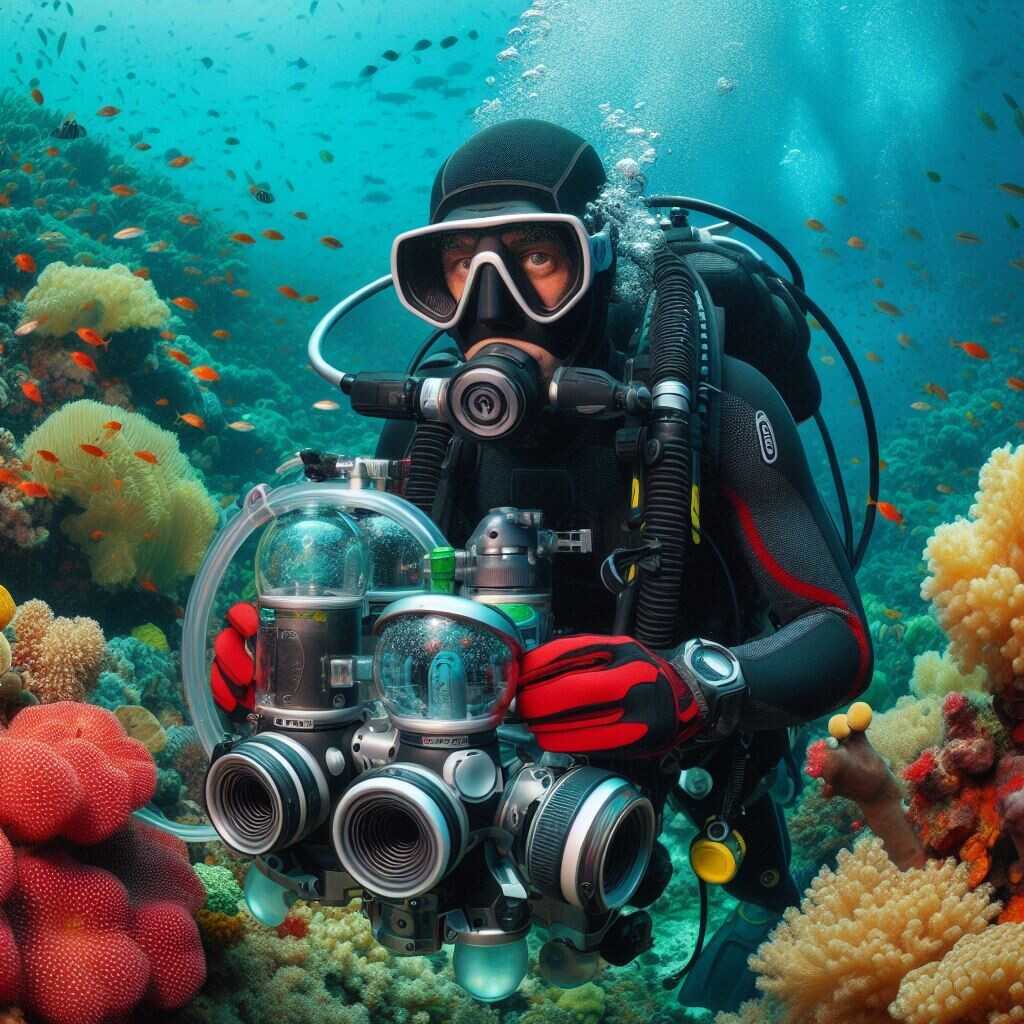
Preparing for a manta ray diving adventure involves adopting essential fitness strategies like swimming, strength training, and flexibility exercises. Divers should focus on cardiovascular conditioning by swimming at least three times a week. Essential diving gear for manta ray viewing includes well-fitted wetsuits, snorkeling masks with good visibility, and fins designed for efficiency. Mental preparation practices such as visualization and relaxation techniques enhance your diving confidence. Starting physical training at least four weeks in advance optimally prepares divers.
Recommended Fitness and Mental Preparation Techniques for Divers
Divers should include specific fitness routines tailored for diving. Activities like pool swims, open-water training, and yoga enhance both strength and flexibility. Engaging in cardio workouts helps improve stamina levels necessary for extended dives. Visualizing successful dives and positive encounters with manta rays before the trip can reduce anxiety. Divers can also maintain calmness by practicing breathing exercises during pre-dive briefings. Following these strategies ensures divers feel physically prepared and mentally focused for awe-inspiring underwater experiences with manta rays.
Promoting Environmental Sustainability While Diving
Practicing sustainable diving is essential during manta ray aggregation seasons. Divers should follow guidelines like maintaining a safe distance from marine life and avoiding contact with corals. Use environmentally friendly sunscreen to prevent chemical pollution. Proper buoyancy control helps protect the ocean floor. Support local conservation efforts by participating in beach clean-ups or contributing to marine protection organizations. This way, divers contribute to marine ecosystem protection while enhancing their underwater experience.
Supporting Marine Conservation Efforts Worldwide
Many organizations focus on marine conservation and sustainable diving practices. Initiatives like the Coral Triangle Initiative and Project AWARE provide resources for divers to engage in responsible behavior. Training programs emphasize sustainable diving techniques and promote environmental stewardship. These organizations offer certifications that confirm divers’ commitment to marine sustainability. By participating in these programs, divers enhance their diving experience while ensuring the protection of underwater biodiversity.
Advantages of Coordinating Dive Excursions
- Enhances your chances of witnessing mesmerizing manta ray behaviors.
- Allows for unique photography opportunities during shark and ray groupings.
- Makes your diving experience educational with expert-led tours available.
- Brings awareness and support for marine conservation efforts.
- Encourages camaraderie among divers as they share thrilling underwater moments.
- Increases the enjoyment of dive trips through effective planning and collaboration.
- Offers access to remote dive locations not easily reached without a plan.

Photography Tips for Capturing Stunning Manta Ray Moments
To capture stunning manta rays, consider using a wide-angle lens with a high shutter speed. Set your ISO between 400 and 800 to enhance lighting under waves. Focus on the manta’s “wings” and capture them gliding gracefully. Locations like the Maldives and Kona, Hawaii, offer excellent opportunities for underwater photography. Aim for at least three dives per day to increase your chances of encountering these magnificent creatures.
Essential Gear for Underwater Photography
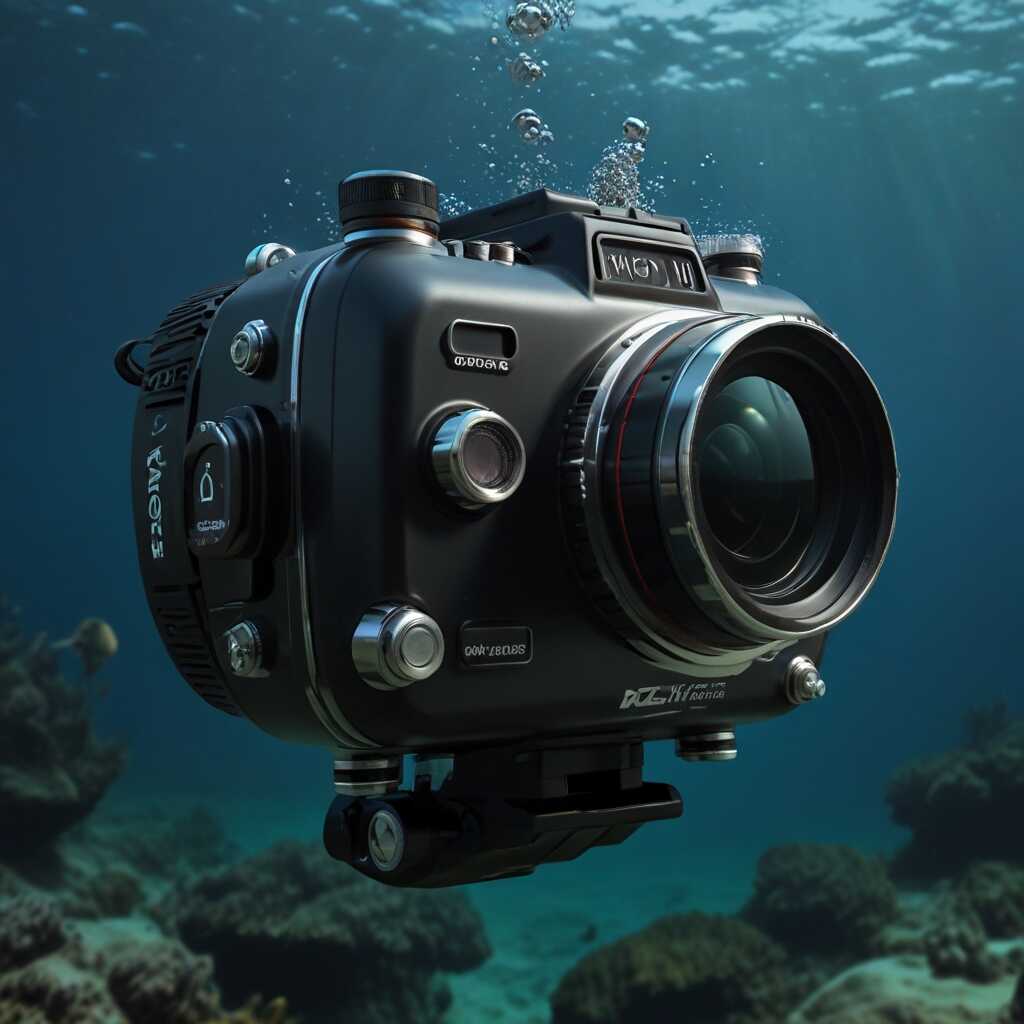
Choosing the right underwater photography gear enhances your experience dramatically. Invest in a good underwater casing designed for your camera, ensuring it can handle saltwater pressure. A strobe light improves visibility in deeper water, helping you capture clear images. Filters can also reduce the blue tint commonly found in underwater photos. A float strap prevents accidental drops, keeping your equipment safe while diving.
Local Dive Guides: Enhancing Your Manta Ray Experience
Hiring local dive guides offers many advantages. They possess expert knowledge of the area, which helps you find the best manta ray viewing spots. Local guides understand the marine environment and can ensure safety during your dives. Their familiarity with dive sites can enhance your overall experience by helping you avoid crowded locations. Additionally, they provide insights on the behavior of manta rays, improving your chances for memorable encounters. Engaging a local expert guarantees you a dive experience focused on both safety and enjoyment.
Understanding Local Expertise for Better Dive Experiences
Local dive guides bring unique skills and knowledge to enhance your manta ray diving experience. They are trained in safety measures, ensuring you dive safely among the majestic rays. Guides often understand the seasonal migrations of manta rays, allowing you to plan dives that maximize encounters. They know the best dive equipment for local conditions, contributing to your comfort and reliability while underwater. By choosing a local guide, you gain valuable insights to help you appreciate marine life more deeply.
Understanding the Audience and Their Needs
- Photographers seek optimal gear for capturing majestic manta ray moments.
- Environmentalists focus on sustainable practices and conservation initiatives.
- Adventure travelers prefer unique dive experiences and exploration opportunities.
- Scuba diving novices look for guidance from experienced divers and organizations.
- Tour operators benefit by tailoring trips to specific sea creature behaviors.
- Marine biologists require data on aggregations for analysis and research purposes.
- Experienced divers often seek out advanced trips that highlight diverse marine life.
Sharing Dive Experiences and Learning from Others
Divers can creatively document their dive experiences by using various methods. Writing detailed dive logs helps capture important details like conditions and wildlife seen. Utilizing photography and videography enhances storytelling, allowing divers to present their journeys visually. Many divers share their stories on popular platforms like social media, blogs, and diving forums. This fosters connections and community among divers. On average, divers may document and share around five to ten dive trips annually, depending on their diving frequency and engagement levels.
Creative Ways to Share Your Dive Adventures
Diving enthusiasts can enhance their dive trips by sharing experiences through visual storytelling. Creating engaging videos or photo compilations makes the dive adventure memorable. Blogs also allow in-depth reviews of dive sites, equipment, tips, and marine wildlife encountered. Using hashtags and tags on social media platforms, like Instagram or Facebook, connects divers with others who share similar passions. Providing detailed accounts of conditions and recommendations can help fellow divers plan their trips more effectively. Explore creative formats like podcasts or virtual meet-ups to reach wider audiences and foster community growth.