
Planning dive trips to experience coral spawning events underwater offers a unique thrill for divers. These spectacular events, where corals release eggs and sperm, create vibrant underwater scenes filled with marine life. Scuba Forge aims to enhance your adventures with expert advice on timing, recommended locations, and gear considerations for witnessing these natural wonders. Embrace responsible diving practices to protect these delicate ecosystems while enjoying all the beauty they have to offer.
Optimal Times for Coral Spawning Dives
Coral spawning primarily occurs during specific lunar cycles, particularly around the full moon. Typically, coral species such as Acropora and Montipora spawn in synchrony, leading to captivating underwater displays. The timing varies by location, but many tropical reefs see significant spawning events during late summer months. Generally, these events happen once or twice each year, making precise planning crucial. Research shows that scheduling your dive trips around these lunar patterns greatly enhances the chances of witnessing these spectacular events.
Understanding Lunar Impact on Coral Spawning
The lunar cycle significantly influences coral spawning patterns, mainly occurring during full moons. In many regions, spawning occurs about a week after the full moon, particularly in August and September. For example, the Great Barrier Reef sees its most predictable coral spawning from mid to late spring. This timeline offers divers the best chances to observe these events. Planning dives around full moons not only provides excellent experiences but also helps divers appreciate the synchronized beauty of nature. Scuba Forge recommends checking local reef calendars for specific dates.
Best Dive Locations for Viewing Coral Spawning
Top dive locations known for coral spawning events include the Great Barrier Reef in Australia, the Belize Barrier Reef, and the Maldives. These sites are famous for their rich marine biodiversity and stunning underwater landscapes. Divers will find varying species of corals, such as Acropora and Porites, that participate in remarkable spawning events. The spawning typically occurs around the full moon and can last for several nights, usually from one to three nights, depending on the location. During these events, underwater photography enthusiasts can capture breathtaking images of the vibrant marine life in action.
Key Considerations for Choosing a Dive Location
When selecting a dive location for coral spawning, it’s essential to consider dive accessibility, visibility, and environmental conditions. The best dive destinations should be reachable through reputable dive operators offering guided experiences. Factors such as water temperature, current strength, and visibility play crucial roles in ensuring an excellent diving experience. Researching local dive shops before your trip is beneficial. You can find reviews on gear reliability and dive conditions to optimize your underwater excursion. Scuba Forge emphasizes doing thorough research to enhance the safety and enjoyment of your dive adventure.

Fascinating Underwater Behavior During Spawning
Coral spawning events offer divers an incredible view of marine life behavior. During these events, various marine creatures engage in synchronized mating rituals. Fish such as clownfish, parrotfish, and damselfish become particularly active, utilizing the vibrant colors of newly formed coral reproductive cells. Many coral species, including the Acropora and Montipora, release eggs and sperm into the water column, creating stunning displays. This event attracts a multitude of marine creatures, leading to dynamic interactions. Observing these behaviors helps enhance the overall diving experience by showcasing the interdependent nature of marine ecosystems.
Understanding Coral Species and Their Spawning Behavior
Corals like Acropora palmata and Pocillopora damicornis are known for their impressive spawning displays. These species release gametes shortly after sunset, typically around 30 minutes to one hour after dark, synchronized with the lunar cycle. Divers at popular locations, such as the Great Barrier Reef and Caribbean Sea, witness these vibrant events. The buoyant egg clouds attract various fish, creating a spectacle of feeding and reproduction. Knowing these specific coral species and their behavior offers divers an enhanced experience that highlights the wondrous intricacies of underwater life.
Numerical Insights on Coral Phenomena
- Coral spawning occurs 1-2 times a year, usually at night.
- Most coral species spawn on specific lunar phases, like full moons.
- Coral can release millions of eggs and sperm simultaneously.
- Spawning lasts just a few hours, making timing crucial.
- Over 800 species of coral exist, many participate in spawning.
- Marine life gathering during these events can include hundreds of species.
- The best locations for spawning events host diverse coral reefs.

Potential Challenges for Coral Spawning Dives
Divers should be aware of safety precautions during coral spawning dives. Night dives may be required, making visibility a concern. Using a reliable dive light is essential to navigate dark waters. Divers should maintain a safe distance from coral formations to avoid damaging delicate marine life. Before diving, it’s important to research which coral species, such as Acropora or Pocillopora, spawn and the best dive locations. Locations like the Great Barrier Reef and Belize’s barrier reef provide exceptional viewing opportunities. Typically, coral spawning events happen 1-3 days each year in specific patterns, often tied to lunar cycles. Divers must also consider the environmental impact of their presence and follow sustainable diving practices.
Understanding Coral Spawning Patterns and Timing
Coral spawning occurs mainly during warmer months and typically aligns with full moons. In locations like the Caribbean, Acropora species often release eggs and sperm in mass during a full moon. Research shows this occurs around 7-10 days after the full moon. For the best experience, divers should plan their trips just before these events. This timing maximizes the chance of witnessing spectacular underwater displays. Understanding timing and coral species enhances underwater experiences, enabling divers to fully appreciate these natural wonders.
Essential Dive Gear for Coral Spawning Events
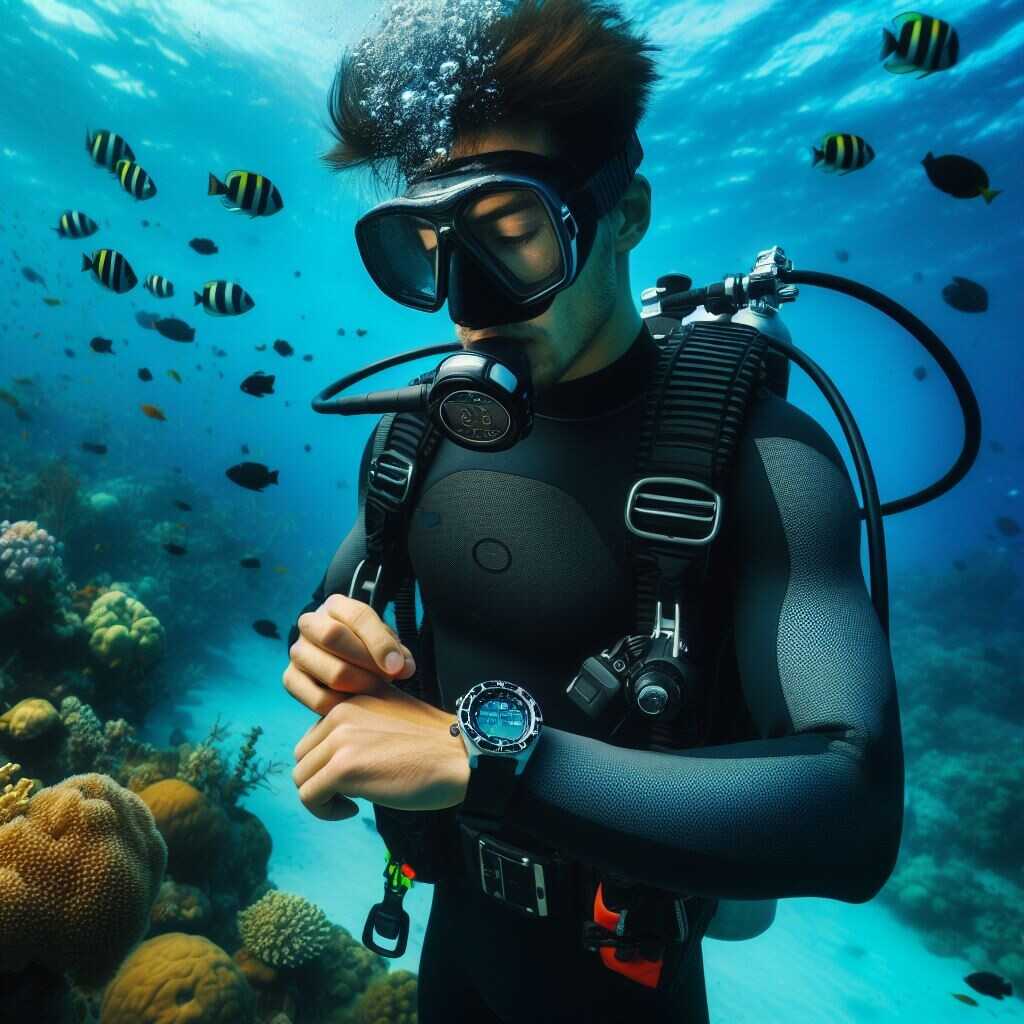
Choosing the right dive gear is key for a successful coral spawning experience. Essential gear includes visibility gear like high-visibility wetsuits and dive lights. These items enhance your underwater visibility, allowing you to see the vibrant coral colors during spawning. Dive equipment should also include a reliable underwater camera. This will help capture stunning images of the event. Safety accessories such as dive computers and first aid kits ensure your safety. The recommended maximum depth for observing coral spawning is generally around 30 meters. This is ideal for enjoying the dynamic activity while staying safe.
Importance of Visibility Gear During Coral Spawning
Visibility gear is crucial for experiencing coral spawning. A high-visibility wetsuit allows you to stand out against vibrant coral, making it easier to observe the spawning events. Dive lights with wide beams illuminate the coral and nearby marine life, ensuring you don’t miss any details. The right visibility gear enhances your underwater experience significantly. Consider using specialized filters with your underwater camera for the best color reproduction. These enhancements ensure the coral colors pop in your photos. Wearing gear designed for underwater performance improves confidence while diving, enabling you to focus on the wonders around you.
Advantages of Underwater Spawning Exploration
- Divers witness the breathtaking beauty of coral’s reproductive process.
- Experiencing coral spawning enhances underwater viewing adventures.
- Unique photography opportunities arise during spawning events.
- Diving during these times promotes awareness of coral ecosystems.
- Engaging with marine life deepens the appreciation for ocean health.
- Witnessing this phenomenon can foster conservation efforts among divers.
- Joint exploration can build community among diving enthusiasts.

Guide to Planning Successful Dive Trips
To successfully plan a dive trip around coral spawning events, you must consider several essential steps. Choose a location renowned for coral spawning, such as the Great Barrier Reef or Bonaire. Research the specific dates when coral spawning occurs, typically around the full moon during warmer months. Make travel arrangements early, especially during peak seasons. When selecting local dive operators, check their reviews for reliability and expertise in coral spawning dives. Ensure they provide quality gear and experienced instructors. Focus on safety features in your diving equipment for a reliable experience.
Identifying Reliable Dive Operators for Coral Spawning Trips
Finding local dive operators that specialize in coral spawning events is crucial for an enriching experience. Look for operators that offer guided dives specifically related to these events. Check if they provide educational insights about the ecological significance of coral spawning. A good operator should have well-trained staff and quality gear. Read reviews on platforms such as TripAdvisor or specialized diving forums to compare operators. Reputable dive shops often have certifications from organizations like PADI or NAUI, which adds to their reliability. Communication about dive conditions and safety is essential.
Responsible Diving Practices During Spawning Events
Divers must prioritize ethical diving practices during coral spawning events to ensure marine ecosystem preservation. This includes minimizing contact with corals and avoiding disturbances to the spawning process. Implementing sustainable diving techniques, like limiting the number of divers in a particular area, helps reduce stress on marine species. Divers should follow responsible diving guidelines, such as maintaining proper buoyancy and staying clear of sensitive reef areas. The impact of diving on coral spawning can be significant, so understanding how to dive responsibly is essential for the health of coral reefs.
Best Practices for Divers During Spawning Events
Divers should adopt best practices to protect fragile coral reefs during spawning. Maintaining buoyancy control is crucial to prevent physical contact with corals. Limit underwater time while observing spawning, allowing coral systems to flourish. Each diver should adhere to a maximum of one to two divers per square meter to minimize disruption. It is also beneficial to avoid using flash photography, as this can disturb spawning behaviors. Scuba Forge provides excellent resources on gear that helps divers manage their impact, ensuring they enjoy the experience while also preserving coral ecosystems.
Groups Benefiting from Coral Spawning Experiences
- Marine biologists study coral life cycles and reproductive behavior.
- Underwater photographers capture stunning visuals of coral spawning.
- Travel planners create dive trips during peak spawning times.
- Educational groups promote awareness about ocean conservation.
- Divers seeking unique experiences choose trips focused on spawning.
- Environmental enthusiasts advocate for coral preservation efforts.
- Families looking for educational vacations enjoy teaching moments about marine ecosystems.
Insights and Stories from the Diving Community
Divers from various corners of the globe have shared inspiring stories about their adventures during coral spawning events. Many have highlighted the vibrant underwater displays, describing the colors and movements of the corals as they release gametes. Divers recommend locations like the Great Barrier Reef, which offers consistent coral spawning in late summer. Each year, there are at least four main types of coral spawning events, adding excitement to every dive. These shared experiences enhance preparation and excitement for future trips.
Top Destinations for Coral Spawning Dive Trips
When planning a dive trip, several locations stand out for their extraordinary coral spawning events. The Great Barrier Reef is renowned for spectacular spawning usually around November to December. Bonaire also boasts impressive coral spawning events, primarily from late August through early September. The Florida Keys hosts coral spawning events that vary by species, peaking in late July and August. Each destination offers unique opportunities for underwater photographers to capture stunning images of this natural phenomenon. Understanding the timing and characteristics of these events significantly enhances your diving experience.