
Planning dive profiles and surface intervals is essential to avoid decompression sickness while diving. These practices help divers manage their ascent rates and rest periods effectively. At Scuba Forge, we emphasize safety, ensuring divers understand how to create safe diving plans. This article will provide you with key insights on dive profiles and surface intervals to promote safer underwater adventures.
Understanding Decompression Sickness and Its Mechanisms
Decompression sickness (DCS), often referred to as “the bends,” occurs when divers ascend too quickly after spending time at depth. This condition arises from dissolved gases, primarily nitrogen, forming bubbles in body tissues and bloodstream due to rapid pressure changes. When diving, the body absorbs more nitrogen under high pressure. As a diver ascends, pressure decreases, and nitrogen can no longer stay dissolved, leading to bubble formation. These bubbles can cause pain, joint issues, and serious complications. Understanding the physiological factors, such as pressure differences and ascent rates, helps divers appreciate the necessity of proper planning, like adhering to established surface intervals after dives.
Essential Factors in Preventing Decompression Sickness
To effectively prevent decompression sickness, divers must consider several essential factors. Diving tables or dive computers provide data-driven guidelines for ascent rates and surface intervals based on depth and time spent underwater. As a general rule, divers should plan for a minimum safety stop of 3-5 minutes at depths between 15-20 feet after deeper dives. This surface interval allows nitrogen to safely off-gas from the body. Following these recommendations not only enhances safety but also improves overall diving experience by reducing the risk of DCS. Proper planning and understanding of gas laws and saturation levels are crucial in managing DCS risk during diving activities.
The Critical Role of Effective Dive Profile Planning
Effective dive profile planning is essential for ensuring diver safety. It helps divers avoid decompression sickness, which can occur when divers ascend too quickly or spend too long at certain depths. Key variables include depth, time spent underwater, and ascent rates. These factors influence the amounts of nitrogen absorbed in the body during a dive and the risks involved with surfacing too quickly. A diver at 30 meters typically can stay for a maximum of about 20 minutes without requiring compulsory decompression stops to maximize safety.
Understanding Key Variables in Dive Profile Planning
Diving depth, duration, and ascent rate are key variables in dive profile planning. The depth of a dive directly affects nitrogen absorption. For example, at 30 meters, divers absorb nitrogen more rapidly than at shallower depths. The duration of a dive is also crucial. Longer dives increase nitrogen levels in the diver’s body, making it essential to plan surface intervals appropriately. Ascent rate matters as well. Rising slowly can help off-gas nitrogen safely. These factors together ensure reliability in avoiding dangerous decompression sickness.

Surface Intervals and Their Role in Preventing Decompression
Understanding surface intervals is crucial for divers. A surface interval is the time spent at the surface between dives. This interval allows nitrogen absorbed during diving to be eliminated from the body. Properly planned surface intervals help minimize the risk of decompression sickness. Factors influencing the required duration include dive depth, time spent underwater, and individual diver physiology. A common recommendation for surface intervals is to spend at least 1 hour per 10 meters of depth dived. These guidelines ensure divers stay safe, providing reliable methods to enhance underwater experiences.
Recommended Surface Interval Durations
Speaking about the recommended surface interval durations, divers should consider diving depth and duration. For example, after a 30-meter dive lasting 30 minutes, a surface interval of at least 1 to 2 hours is advisable. This allows sufficient time for nitrogen to be expelled from the body. If repetitive diving occurs, longer intervals become essential to ensure safety. Adjusting surface intervals based on individual experiences and conditions further ensures effective decompression practices. Following these recommendations guarantees the diver’s health and safety for enjoyable underwater adventures.
Essential Statistics for Safe Diving Practices
- Diving depth averages around 40 feet for recreational divers.
- Dive time for beginners should not exceed 30 minutes.
- Surface intervals of at least 5 minutes reduce decompression risk.
- Microbubble formation starts after 10-15 minutes of ascent.
- Decompression sickness occurs in 1 in 1,000 dives.
- 90% of diving accidents result from improper planning or equipment.
- Staying hydrated decreases the chance of decompression illness by 50%.

Best Practices for Safe Diving Techniques
To enhance diving safety, divers should evaluate dive conditions comprehensively. This includes checking weather forecasts, current water temperature, tide schedules, and visibility levels. Reliable data about local marine life also helps prepare for encounters that could affect the dive. Essential equipment includes dive tables, dive computers, and safety gear, which help manage pressure and depth efficiently. Recommended surface interval duration after a dive typically ranges from 15 to 30 minutes, depending on the depth and time spent underwater. Following these guidelines significantly reduces the risk of decompression sickness and ensures a safer dive experience.
Essential Equipment for Safe Diving
Essential equipment for diving safety includes a dive computer, which tracks depth and time underwater, providing real-time data. Carrying a reliable compass enhances navigation, helping divers maintain their course. A buoyancy control device (BCD) is essential for regulating ascent and descent, ensuring safety at various depths. Additionally, a dive knife serves multiple purposes, including safety in emergencies, as it helps with entanglements. Each of these items enhances diving safety and reliability, enabling divers to respond effectively to unforeseen circumstances.

Key Factors Impacting Surface Interval Recommendations
Divers must consider several factors when planning surface intervals to minimize decompression sickness risk. Key elements include dive depth, duration, and the type of diving activity. For example, deeper dives generally demand longer surface intervals. Activities like technical diving or deep wreck dives, which often require multiple decompression stops, further influence these intervals. By using dive tables or dive computers, divers can effectively evaluate their personal surface interval needs. This ensures that they safely recover between dives, allowing for a more enjoyable dive experience.
Understanding Dive Profiles and Their Impact on Planning
Dive profiles encompass the depth and duration of dives and significantly affect surface interval planning. A dive deeper than 30 meters usually necessitates a longer surface interval, often recommended at around 20-40 minutes for proper off-gassing of nitrogen. Technical divers may require even longer intervals based on their profiles and use of mixed gases. Divers should use a dive computer or table tailored to their specific dive profile. This approach helps enhance planning efficiency, ensuring safety and allowing divers to maintain optimal performance throughout their underwater adventures.
Key Advantages of Dive Profile Management
- Effective planning enhances divers’ safety and well-being.
- Proper surface intervals minimize the risk of decompression sickness.
- Dive profiles help optimize the underwater experience for enjoyment.
- Users can track individual dive limits, improving personal health.
- Structured planning improves skills for novice divers over time.
- Informing divers about depth limits boosts overall diving knowledge.
- Setting objectives for dives increases team coordination and safety.
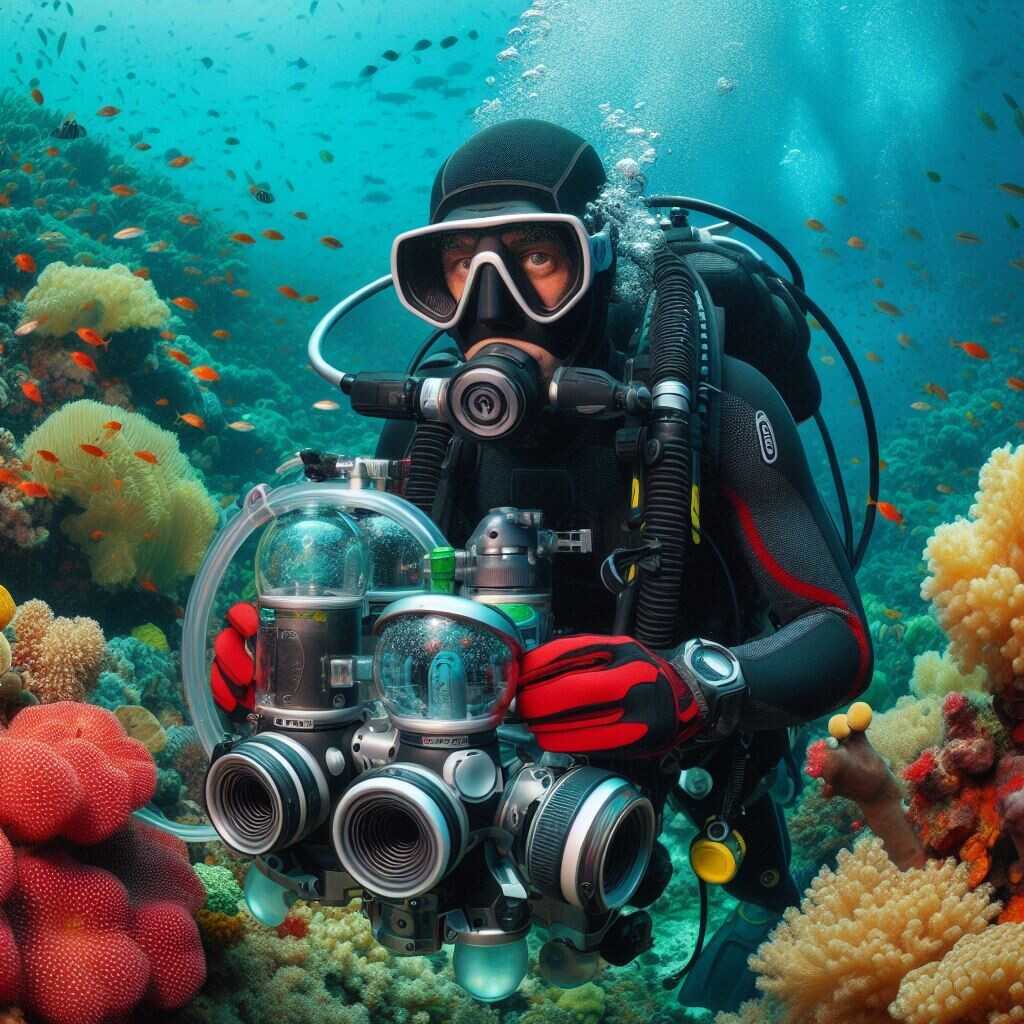
Integrating Dive Computers into Safety Protocols
Dive computers are essential tools for monitoring depth and time during dives. They help divers track their ascent rates and manage surface intervals effectively. Reliable dive computers include features such as depth sensors, time tracking, and no-decompression limit alerts. These features enhance overall diving safety by preventing rapid ascents that could lead to decompression sickness. When planning a dive, divers should consider these essential features to ensure they choose a device that meets their specific needs and enhances their safety.
Understanding Recommended Surface Intervals
Divers should typically plan for a surface interval of at least 3 minutes for every 10 meters of ascent depth. This recommendation helps manage inert gas elimination from the body, reducing the risk of decompression sickness. Reliable dive computers can calculate the necessary surface intervals and alert divers when it’s safe to dive again. Understanding these guidelines is crucial for safe diving practices and ensuring that divers can enjoy their underwater experiences without unnecessary risk.
In-Depth Analysis of Decompression Sickness Case Studies
This section explores real-life case studies that reveal the severe impact of poor dive planning and inadequate surface intervals. One notable case involved a group of divers in the Caribbean who planned multiple deep dives on the same day without proper surface intervals. Each diver experienced varying degrees of decompression sickness, all related to their planning errors. Another case highlighted was of a dive instructor leading a class of novice divers. The instructor underestimated the dive profiles and did not adhere to the recommended surface intervals. As a result, several divers experienced symptoms of decompression sickness. Understanding these incidents provides critical insights for divers by illustrating the importance of adherence to established safety practices.
Detailed Examination of Specific Incidents
In specific incidents analyzed, divers faced symptoms of decompression sickness due to insufficient surface intervals. For example, in a particular dive trip in 2020, six divers ascended without appropriate stops after executing deep dives. The study revealed they failed to follow the no-decompression limits, which proved essential for ensuring safety. This incident emphasizes the importance of understanding dive profiles and adhering to recommended surface intervals to prevent decompression sickness. Each dive’s depth and duration demand precise planning, ensuring that divers spend adequate time on the surface before the next dive. Overlapping dives and ignoring preset time limits can lead to dangerous outcomes for divers.
Target Audiences for Safe Diving Techniques
- Beginner diver students learn safety knowledge for their first dives.
- Experienced divers seek to refine dive plans for deeper explorations.
- Instructors teach best practices in dive training programs.
- Marine biology students use skills to study underwater ecosystems effectively.
- Research teams utilize safety protocols for scientific diving missions.
- Adventure divers benefit from precise planning to maximize exploration.
- Safety advocates promote awareness of decompression management methods.
Consolidated Recommendations for Enhanced Diving Safety
Divers should implement several strategies to ensure diving safety. First, always plan your dive profiles carefully. Include gradual descent and ascent rates. Utilize dive tables or modern dive computers that provide essential data for your specific conditions. Second, follow recommended surface interval durations based on your dive profiles to effectively reduce the likelihood of decompression sickness. Generally, a minimum of 10 to 15 minutes is advised between dives, but this can vary based on depth and time spent underwater. Third, embrace reliable diving gear that is easy to handle and has proven features for safety. These factors help enhance your overall diving experience.
Understanding Optimal Surface Intervals Between Dives
Determining the best surface intervals is essential for minimizing the risk of decompression sickness. According to regulations, divers should typically wait 10 minutes after shallow dives and up to 30 minutes after deeper dives. Surface intervals are designed to allow nitrogen levels to decrease in your body, enhancing safety during repeated dives. Use dive computers to track your nitrogen absorption and adjust surface intervals accordingly. This ensures that your dive plan remains efficient and reduces the risk of injury.