
Mastering buoyancy control with proper weighting is key to enjoying safer scuba diving experiences. When divers use the right amount of weight, they can maintain a balanced position in the water while also minimizing their air consumption. At Scuba Forge, we provide practical advice and expert insights to help you understand how proper weighting leads to better buoyancy control and more efficient dives. This guide will equip both beginner and experienced divers with essential tips for optimizing their underwater adventures.
Understanding Buoyancy Control in Scuba Diving
Proper buoyancy control is essential for all divers because it helps maintain safety and comfort underwater. When divers achieve the correct buoyancy, they can minimize their air consumption significantly. For example, divers generally experience less strain on their bodies, allowing for longer dives and improved enjoyment of the underwater landscape. Buoyancy control plays a crucial role in navigating different environments, such as coral reefs and wrecks. Mastering this technique enables divers to conserve air effectively while exploring, ensuring a memorable experience. Research shows that divers can reduce their air consumption by up to 30% with optimized buoyancy control.
Essential Techniques for Mastering Buoyancy Control
To master buoyancy control, divers should focus on techniques such as proper weighting, using the right gear, and maintaining a steady breathing pattern. Proper weighting is vital, as it directly impacts how a diver descends, ascends, and endeavors to maintain neutral buoyancy. Divers often utilize weight systems to find their ideal weighting configuration. This can include integrated weight pockets and adjustable belts. Regular practice in various underwater environments will enhance a diver’s skills and help them adapt to different conditions. Consistent practice leads to better control and allows divers to experience stunning underwater depths without compromising air consumption.
The Connection Between Weighting and Air Consumption Rates
Proper weighting significantly influences buoyancy control, which is crucial for enhancing air consumption rates while diving. When divers are well-weighted, they experience better buoyancy balance. This balance allows for efficient swimming and reduces the need for excessive movement, leading to lower air usage. Factors like diver’s body composition, gear type, and diving environments must be considered when determining the ideal weight for optimal air consumption. For beginners, understanding how weight affects buoyancy can help in making informed decisions about gear and weight adjustments, ultimately improving their diving experience.
Determining Your Ideal Weight for Efficient Diving
To find your ideal weight, first, consider your body composition and the gear you will use. Divers should aim for a weight that allows them to float effortlessly with minimal air in their BCD at the surface. A good technique involves performing a weight check: if you sink slowly while exhaling, you may have the right weight. Reports suggest that beginners often find optimal weights between 10 to 14% of their body weight. This range can help in minimizing air consumption, as it allows for effective buoyancy control, facilitating smoother dives and reducing strain on the lungs.

How to Calculate the Ideal Weight for Your Diving Needs
To determine the right amount of weight for diving, assess your body weight and gear. The ideal diving weight depends on various factors, such as whether you are diving in saltwater or freshwater. Saltwater has natural buoyancy due to its density, meaning you may need less weight. When using exposure protection like wetsuits, take into account the thickness and type of material, as thicker suits provide more buoyancy. Your equipment also plays a significant role in buoyancy control. For example, large tanks or buoyant BCDs may require careful weighing to ensure balance.
Understanding Weight Calculations for Specific Conditions
When calculating weights for specific diving conditions, consider your personal weight and gear. For a diver weighing 160 pounds using a wetsuit, a rule of thumb is to add 10% for adequate buoyancy control. This would amount to around 16 pounds of weight for a neutral buoyancy. Adjustments should be made depending on the dive environment. If diving in saltwater with a thick wetsuit, you might find that 10 to 12 pounds provides optimal buoyancy for controlling ascent and descent. This thorough understanding of weight assessment enhances your diving experience.
Key Statistics to Enhance Your Diving Experience
- Proper weighting can reduce air consumption by up to 30%.
- Optimal buoyancy can be achieved with just a 10% weight adjustment.
- Most divers need between 5 to 10% of their body weight in lead.
- A well-weighted diver maintains a steady profile at 15 feet.
- Improper weighting can increase your air usage by over 50%.
- Adjust your weights every 10 dives to accommodate gear changes.
- Learning buoyancy control improves dive times by an average of 20%.
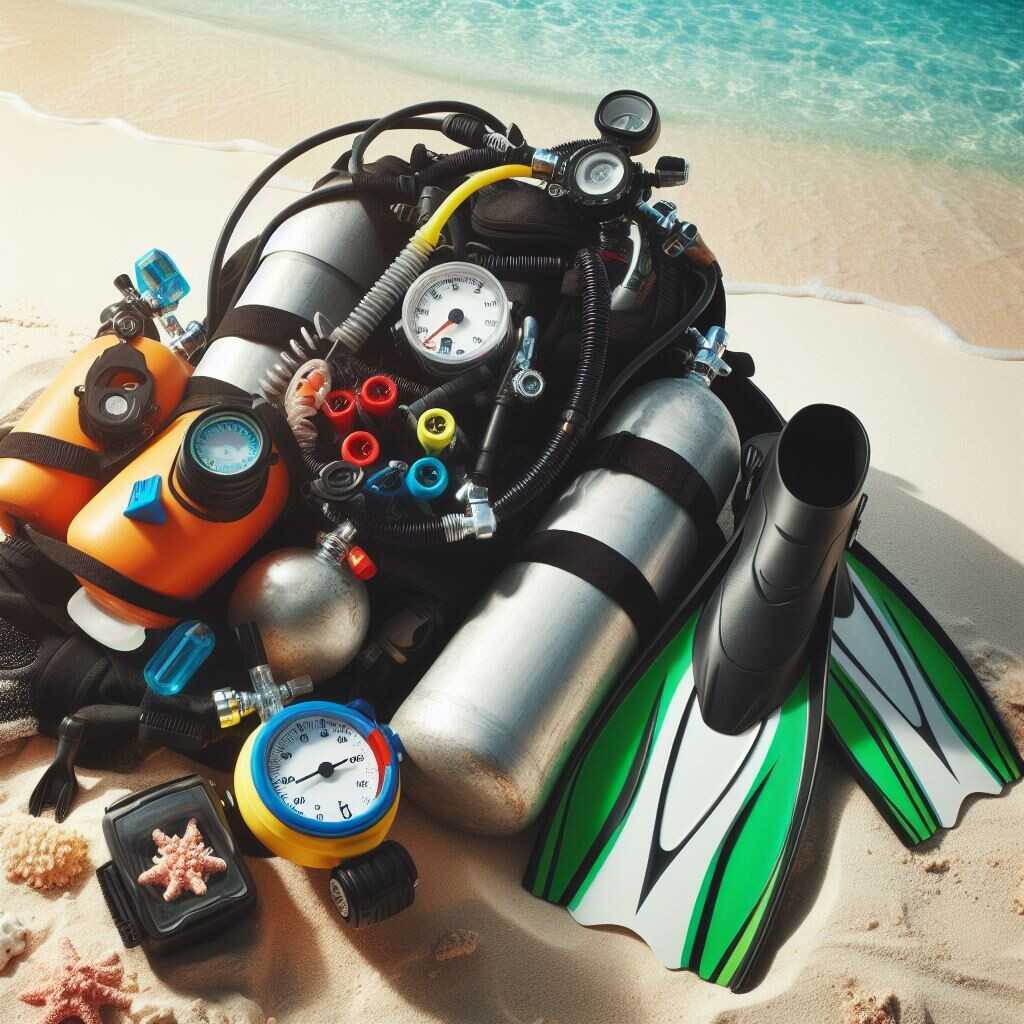
Essential Techniques for Enhancing Your Buoyancy Skills
Divers can enhance buoyancy control by mastering several key techniques. First, practice neutral buoyancy by adjusting your weights. Strive to find the right balance where you neither sink nor float. Second, use controlled breathing. Inhale deeply to rise and exhale to descend. This technique helps maintain underwater stability. Third, experiment with buoyancy compensators. Ensure your device is well-fitted and designed to enhance your efficiency in the water. Weight adjustment strategies are essential in buoyancy control. Your weight distribution should be even, allowing for easy movement. Check your trim by ensuring your body is horizontal underwater. Beginners are generally recommended to start with 10% of their body weight in lead weights for optimal buoyancy. Proper adjustments based on your body shape and diving gear also improve your overall performance during dives.
Understanding Neutral Buoyancy for Divers
Neutral buoyancy allows divers to stay suspended underwater without using excessive energy. Achieving this state involves fine-tuning your weight and monitoring your breathing patterns. Begin by testing your weight in shallow water. Adjust your lead weights based on your buoyancy compensator and exposure suit. A well-balanced configuration helps improve performance and reduces air consumption. Experts suggest that maintaining a light trim, positioning your body horizontally, significantly enhances buoyancy control. Regular practice ensures that diving becomes more enjoyable and efficient. Utilize structured reviews of gear that emphasize comfortable fit and reliable performance. This knowledge will help you make informed choices and boost your diving experience.
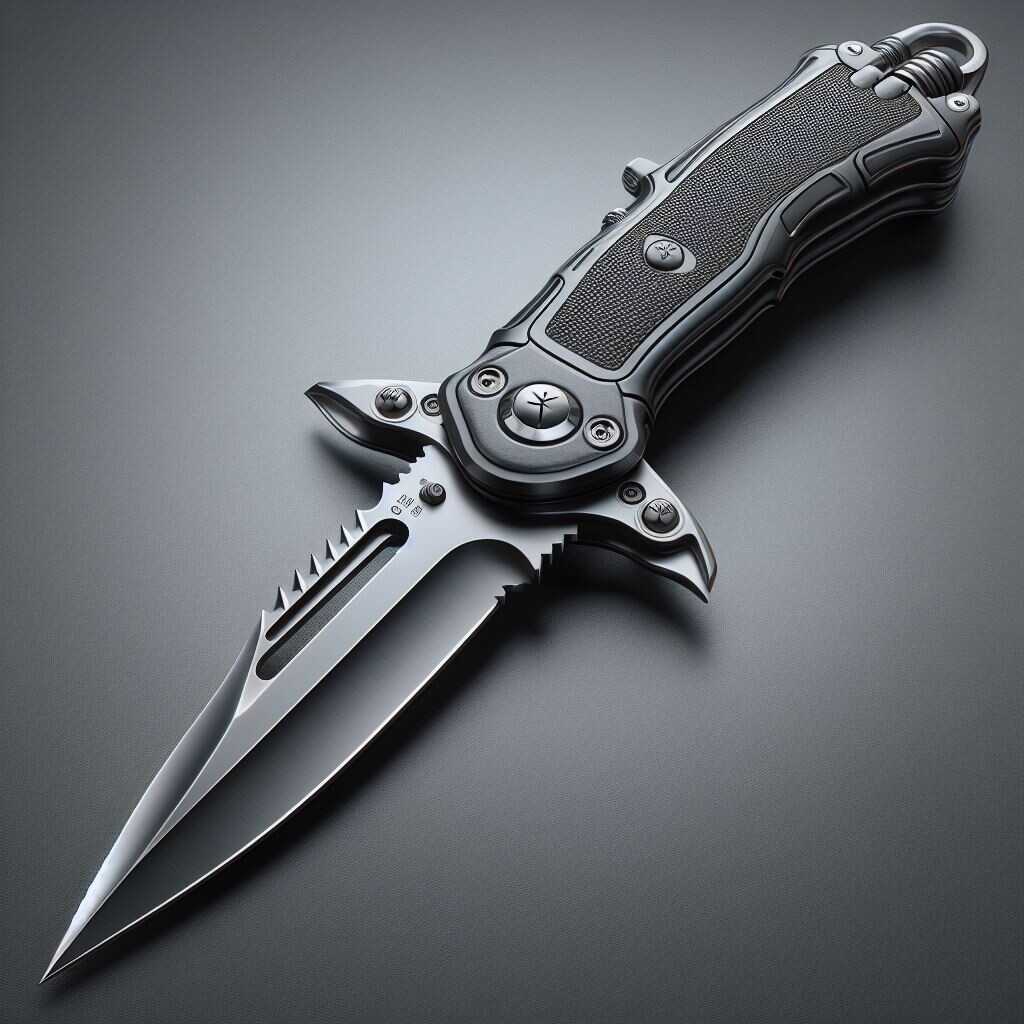
Influence of Diving Equipment on Buoyancy Adjustment
The buoyancy control of a scuba diver directly depends on their equipment. Proper scuba diving gear can significantly enhance buoyancy management. Essential equipment like wetsuits, buoyancy control devices (BCDs), and tank weights play vital roles. Different types of scuba gear affect buoyancy adjustment during a dive. For instance, a wetsuit provides increased buoyancy when underwater due to trapped air in its material. BCDs help divers manage their buoyancy by adding or releasing air, allowing for better control. When adjusting for neutral buoyancy, a typical beginner diver needs about 10 to 12 pounds of weight, depending on their body composition and gear.
Key Features of Buoyancy Control Devices
Buoyancy control devices (BCDs) provide divers the ability to easily manage their buoyancy. Designed with inflatable bladders, BCDs help achieve neutral buoyancy by adjusting the amount of air inside them. These devices enhance diving efficiency by allowing divers to ascend or descend with minimal effort. Some BCDs offer features like weight integration systems, which securely hold weights, improving gear compatibility and reducing bulkiness. Beginners should choose BCDs that are comfortable and properly sized for stability during dives. Reliable BCD units with solid construction and good performance ratings improve overall diving experiences.
Advantages of Effective Weight Management Underwater
- Better buoyancy control lets divers hover effortlessly.
- Reducing air consumption leads to longer dive times.
- Balanced weighting improves comfort during your dive.
- Choosing the right weight contributes to overall safety.
- Lower air consumption lowers your costs for tank refills.
- Effectively managed weights allow for smoother ascents and descents.
- Mastering buoyancy enhances your overall diving skills and confidence.
Sustainable Diving Practices Linked to Buoyancy Mastery
Improving buoyancy control can enhance sustainable diving practices in various ways. Divers with excellent buoyancy control produce less disturbance to marine environments. This reduces the risk of damaging sensitive habitats, such as coral reefs. A reliable buoyancy system allows divers to maintain neutral buoyancy with less energy, decreasing air consumption. Efficient buoyancy contributes to reducing the overall carbon footprint of diving activities. Many divers report a significant reduction in air consumption when utilizing proper weighting techniques, leading to longer dives with less environmental impact. This enables divers to shift their focus from constant adjustments to appreciating marine life, benefiting both the scuba community and the underwater ecosystem.
Impact of Proper Weighting on Marine Conservation
Proper weighting directly influences marine conservation efforts. Divers who master buoyancy control experience fewer accidental contacts with the seabed. Accidental contacts can harm fragile ecosystems like seagrass meadows and coral reefs. Research shows that divers using efficient buoyancy systems can significantly reduce marine life disturbance. For instance, studies indicate that divers who practice effective buoyancy can handle their gear more efficiently and remain neutrally buoyant for longer periods. This leads to less air consumption, enabling longer stays while minimizing stir-ups of sediment. Overall, enhanced buoyancy control plays a vital role in ensuring a more sustainable diving experience for both divers and marine habitats.
Common Buoyancy Challenges and Solutions
Divers often struggle with buoyancy control due to common mistakes. Over-weighting is a frequent issue; many divers carry excessive weights, making it hard to float safely. This leads to increased air consumption, as more effort is required to manage buoyancy. Not utilizing a buoyancy control device (BCD) correctly can lead to similar challenges. Divers may also forget to adjust their weighting when changing between freshwater and saltwater, which affects buoyancy. These oversights contribute to inefficient diving and can frustrate both beginner and experienced divers.
Understanding Weight-to-Buoyancy Ratio
The weight-to-buoyancy ratio is essential for good buoyancy control. The ideal ratio typically ranges between 10% and 15% of a diver’s body weight, including gear. For instance, a diver weighing 150 pounds should ideally use between 15 and 22.5 pounds of weight for optimal buoyancy. This helps in reducing air consumption because the diver can maintain a neutral buoyancy state with minimal effort. Proper weighting ensures that the diver’s BCD can easily manage buoyancy, enhancing overall diving efficiency and allowing for a more enjoyable underwater experience.
Target Audiences for Optimal Diving Techniques
- Beginner divers benefit most from understanding weight distribution.
- Experienced divers constantly refine buoyancy for efficiency.
- Dive instructors use proper weighting to teach new students.
- Environmental conservationists highlight careful buoyancy to protect marine life.
- Advanced divers adapt their weighting based on dive conditions.
- Photographers seek better buoyancy to stabilize gear during shots.
- Technical divers require precise weighting for complex dives.
Further Resources for Developing Diving Skills
To improve buoyancy control in scuba diving, consider these essential reading materials. Popular books include “The Complete Diver” by Simon Pridmore and “Scuba Diving Safety” by John J. Cargill. Both of these works provide proven techniques and real-world experiences from expert divers, ensuring you can enhance your skills effectively. Advanced diving courses, like the PADI Advanced Open Water Diver course, offer a structured approach to developing buoyancy control and efficiency in the water. These courses focus on practical skills and hands-on experience. Community diving resources like local dive clubs also offer excellent opportunities for skill enhancement through shared knowledge and group experiences. For proficiency, most divers should aim for around 15 to 20 hours of focused training to master buoyancy control competency.
Understanding Advanced Diving Techniques
Advanced diving techniques include specific training sessions designed to enhance buoyancy control and air efficiency. Advanced courses often cover skills such as trim adjustment and controlled ascents. Practicing these essential techniques allows divers to maintain a more stable position underwater. Diving instructors usually emphasize the importance of proper weighting to help divers minimize air consumption. Training often incorporates exercises that simulate different underwater conditions, further challenging divers to apply buoyancy principles. Engaging in community resources, like workshops and group dives, can also support this advanced skill development, enabling divers to learn from one another’s experiences.