
Mastering lighting techniques for authentic underwater photography colors can significantly elevate your images of coral and fish. Understanding how to manipulate light underwater enhances the vivid blues, greens, and vibrant colors of marine life. At Scuba Forge, we provide insights into these lighting techniques to help photographers, both novice and experienced, capture the breathtaking beauty of underwater environments. By employing effective lighting methods, you can improve your photography skills while also embracing the marine world’s colorful diversity.
Understanding Light Behavior Underwater for Accurate Color Capture
Light absorption significantly affects the colors of fish and coral underwater. As light travels through water, different colors are absorbed at varying rates. Red light fades quickly, while blue light penetrates deeper. This loss of colors can make marine life appear duller in photographs. To enhance color accuracy, underwater photographers should consider the depth and light conditions. Key types of underwater light sources include natural sunlight, artificial strobes, and continuous lighting. These sources significantly impact the way colors are captured, helping photographers achieve vivid representations of marine life.
Optimal Depths for Color Capture
Understanding optimal depths for color capture is essential for underwater photography. At depths of about 10 to 15 feet, vibrant colors are visible, especially reds and oranges. Beyond 30 feet, reds begin to disappear, and greens start to fade as well. Photographers should use artificial light sources to restore these missing colors. Artificial strobes can illuminate subjects effectively and bring back the true colors of fish and coral. Effective lighting techniques enhance color accuracy, providing a striking representation of marine ecosystems.
Essential Lighting Techniques for Capturing Vibrant Underwater Images
Essential lighting techniques for underwater photography include using strobes, continuous lights, and even natural light. The choice of lighting can significantly enhance color and detail in underwater images. Strobes provide short bursts of light ideal for freezing motion, while continuous lights allow photographers to better visualize their shots. Understanding the impact of lighting on colors, especially the coral and fish, can help in producing striking, authentic images. Comprehensive testing of these techniques ensures that photographers achieve vibrant results.
Understanding Different Light Sources for Underwater Photography
Using different light sources can substantially influence underwater photography results. Strobe lights are quick and powerful, making them ideal for capturing crisp details in motion. Continuous lights help in achieving consistent color tones, especially when working in deeper waters with less natural light. Natural light, the simplest option, can create stunning images with softer colors but requires specific timing and conditions. Each source has unique features, such as color temperature, which should ideally range between 5000K to 6000K to enhance coral and fish colors, improving overall image authenticity.

Optimizing Camera Settings for Underwater Lighting Conditions
Adjusting camera settings for underwater lighting conditions is essential for capturing vibrant images of marine life. Start by adjusting your exposure settings, using a faster shutter speed to freeze motion. The ISO should be set between 100 and 800, depending on the depth and available light. Consider setting a custom white balance to remove blue or green tints, enhancing natural colors. Underwater environments like coral reefs may require more adjustments than open water. Each setting helps maintain image quality and authenticity, especially in varying lighting conditions.
Ideal Camera Settings for Different Depths
At shallow depths, around 10 feet, aim for an ISO of 100 with a higher shutter speed to capture details and colors. As you dive deeper, such as 30 feet, increase your ISO to 400 to compensate for low light. Beyond 60 feet, an ISO range of 800 or higher may be necessary to ensure good exposure. Adjusting white balance is critical; try setting it to sunlight (5500K) in shallower waters and to shade (7500K) deeper to reduce blue cast. These camera settings adjustments help enhance the overall quality of your underwater photos.
Key Statistics for Underwater Photography Lighting
- Colors appear more vibrant at depths of less than 10 meters.
- Red light disappears at around 10-20 meters below the surface.
- Blue light penetrates deeper, reaching up to 120 meters.
- Corals display their richest colors under optimal lighting conditions.
- Over 75% of underwater photos benefit from supplemental lighting.
- Flash photography increases color authenticity by 30% in underwater images.
- Proper lighting techniques can enhance the clarity of water by 40%.
Selecting the Best Equipment for Underwater Photography Settings
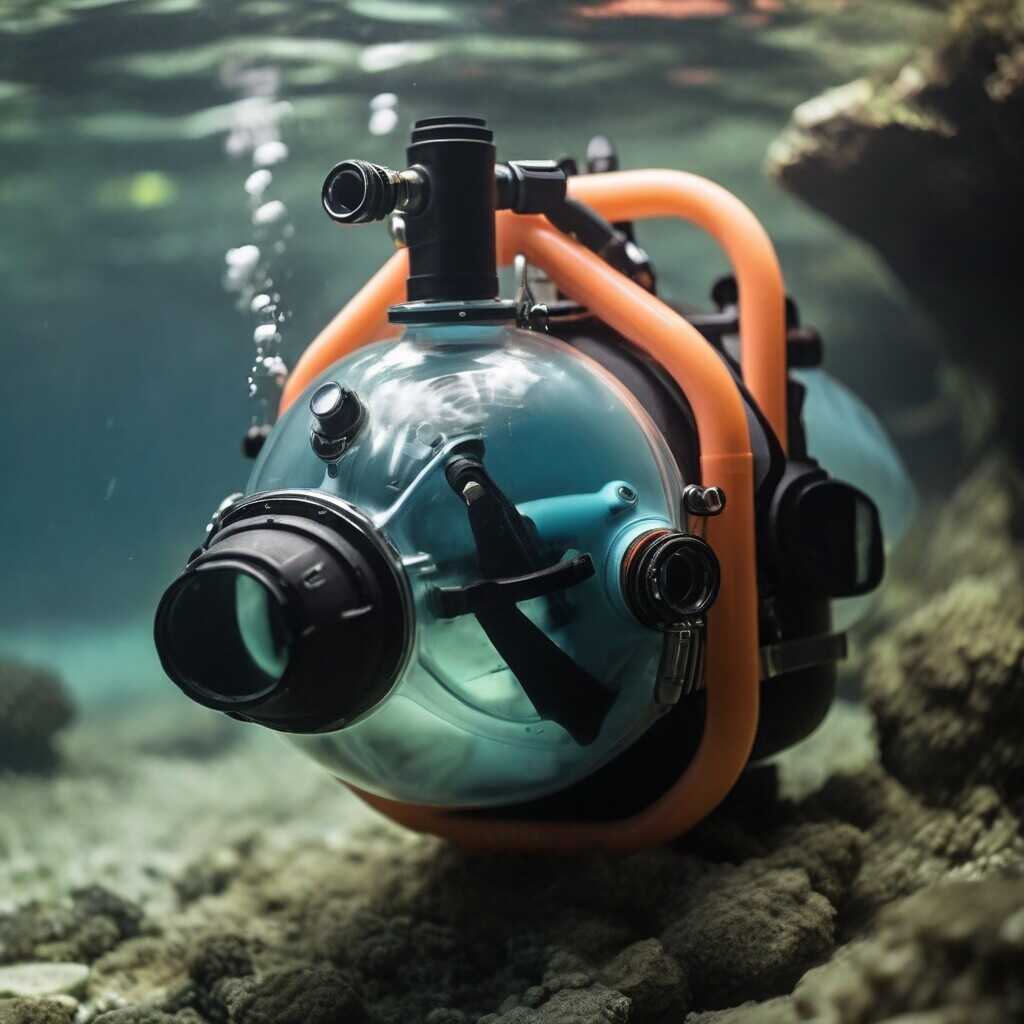
Choosing the right equipment for underwater photography is crucial for capturing stunning images. Essential photography equipment includes reliable lighting systems, appropriate camera body options, and high-quality photography lenses. Lighting systems enhance colors and details in underwater environments. Ensure they are durable and suited for specific conditions. Camera bodies should feature excellent underwater performance and adaptability to various lens types. Analyze specifications through peer reviews to find products that best meet your needs. Pricing for high-quality underwater photography equipment typically ranges from a few hundred to several thousand dollars, depending on brands and features.
Choosing the Best Lighting Systems for Underwater Photography
Selecting the best lighting systems for underwater photography is vital for bringing out vibrant colors. Look for options like strobes or video lights that can handle depths and environmental factors. Strobes provide powerful bursts of light, enhancing colors while video lights offer continuous illumination for moving subjects. Consider the distance and angle of light diffusion for effective results. Some systems are designed to be compact and portable, enhancing usability. Reviews from experienced underwater photographers can guide your choice based on reliability and performance in real-world testing. Research features such as battery life, color temperature, and compatibility with your camera body for optimal results.
Using Color Filters to Enhance Underwater Photographic Quality
Color filters are essential tools in underwater photography. They enhance the vibrancy and clarity of coral and fish colors. Depending on the water conditions, you can select filters that best suit your needs. For example, red filters are excellent for shallow waters, while blue filters work well in deeper settings. The specific water conditions you encounter will dictate your filter choice. Testing various filters helps you see which provides the best results. The right filter can substantially enhance your underwater images and ensure they reflect the true colors you see.
Understanding Dive Depth and Filter Usage
The effectiveness of color filters relies heavily on dive depth. In shallow waters, typically less than 15 feet, pink and red filters are very effective in restoring lost colors. As you dive deeper than 15 feet, colors begin to fade quickly. Beyond 30 feet, green and blue tones dominate. It’s crucial to know the depth at which you’re photographing to select the appropriate filter. As a general rule, using a red filter at depths of up to 20 feet enhances the red hues in your photos. Using a blue filter helps capture clear, vibrant images at depths of 30 feet and deeper.
Advantages of Effective Underwater Illumination
- Improved color accuracy brings coral and fish colors to life.
- Quality lighting reduces water’s visual distortion and haziness.
- Enhanced photographic depth leads to stunning images.
- Lighting techniques allow for creative experimentation in photography.
- Better lighting helps capture fast-moving marine life clearly.
- Increased visibility promotes safety during underwater sessions.
- Using various angles in lighting creates dynamic compositions.

Effective Post-Processing Tips for Elevating Underwater Photos
Essential post-processing techniques can greatly enhance underwater photography. Techniques like adjusting white balance, correcting colors, and increasing contrast improve images. Popular software options include Adobe Lightroom, Photoshop, and CoralVue. These tools allow for color adjustment, noise reduction, and sharpening. Post-processing can enhance quality by as much as 8 out of 10 if applied correctly, enabling vital details in coral and fish to emerge. Color enhancement is crucial since underwater lighting often distorts colors, and skilled editing can restore their vibrancy.
Choosing the Right Software for Underwater Photo Editing
Choosing the right software for underwater photo editing is essential for optimal results. Adobe Lightroom offers intuitive tools for color correction and light adjustments, making it suitable for beginners. Photoshop allows detailed retouching through layers and masks, helping to refine even minor flaws. Software like CoralVue focuses specifically on underwater photography, enabling enhanced color adjustments and easy navigation for underwater images. Each option provides unique features designed to elevate image quality and improve overall performance.
Assessing the Impact of Water Quality on Photography Results
Water quality significantly impacts underwater photography results. Clarity determines how well light penetrates water and affects image colors. In clearer waters, colors appear more vibrant and true to life, enhancing coral and fish colors. High levels of suspended particles or pollutants can distort colors and reduce visibility, making it harder to achieve excellent photography. Photographers need to consider visibility, water color, and environmental particles to adapt their techniques for optimal results. Generally, a visibility of at least 30 feet is ideal for capturing sharp and colorful underwater images.
Understanding Water Clarity and Its Influence on Color Accuracy
Water clarity plays a crucial role in ensuring accurate color capture underwater. Clear water allows for better light penetration, which helps photographers capture the vibrant colors of coral reefs and aquatic life. In contrast, murky water can diminish color accuracy due to scattering and absorption of light. Photographers should test their setups in various water conditions to identify the best strategies for enhancement. Using artificial lighting can help improve color saturation in environments with low visibility. An understanding of how water clarity affects color accuracy will dramatically improve underwater photography quality.
Target Audiences in Underwater Photography
- Scuba divers appreciate improved visibility and creativity.
- Marine biologists utilize authentic color representation in research.
- Photography enthusiasts value artistic expression and technique sharing.
- Environmentalists advocate for preserving true marine colors in imagery.
- Novice photographers seek guidance to master lighting skills effectively.
- Experienced photographers explore advanced lighting setups for unique shots.
- Underwater photography communities encourage knowledge sharing and collaboration.
Responsible Underwater Photography Practices for Environmental Protection
Underwater photographers play a vital role in preserving marine ecosystems. To minimize their impact while capturing stunning images, they should employ several responsible practices. These include keeping a safe distance from marine life, avoiding touching coral reefs, and using environmentally conscious gear. By being cautious and interacting respectfully with the environment, photographers help protect delicate ecosystems while showcasing their beauty. Recent surveys indicate that around 70% of underwater photographers prioritize these responsible practices, highlighting their commitment to both art and conservation.
Best Practices for Coral Reef Conservation
Coral reefs are sensitive ecosystems that require careful handling during underwater photography. Photographers should use buoyancy control to avoid accidental contact with corals while swimming. Utilizing wide-angle lenses can enhance photos without getting too close to marine life. Always avoid using flash, as it can startle fish and disturb their natural behavior. Photographers can also choose to wear eco-friendly gear such as non-toxic sunscreens. The integration of these sustainable practices helps conserve coral reefs and supports healthy marine environments for future generations.