
Enhance your natural orientation skills by mastering underwater navigation techniques. Learning these skills allows you to explore the ocean confidently without relying on instruments. At Scuba Forge, we believe that developing navigation abilities not only improves your diving experience but also boosts your overall safety in diverse underwater environments. By understanding these techniques, divers can navigate effectively while enjoying the beauty of the underwater world.
Fundamentals of Underwater Navigation Skills Development
Key principles of underwater navigation without instruments include understanding natural cues, recognizing underwater features, and using your sense of orientation. Scuba divers can enhance their natural orientation skills by learning to observe the current, by noting the position of the sun or moon, and by navigating using visual landmarks like rocks or corals. While a significant number of divers, approximately 70%, rely on traditional navigation instruments, those who hone these essential concepts can gain confidence and improve their dive efficiency.
Essential Techniques for Effective Underwater Navigation
Effective underwater navigation includes specific techniques that focus on understanding your environment. Using natural references improves navigation skills greatly. Divers should practice identifying and mentally marking prominent underwater features. This could be manageable reef formations or unique structures. Maintaining awareness of the current direction can help in planning an exit route. Regular practice in different diving conditions enhances your ability to navigate efficiently without instruments. This adaptability ensures divers can respond to unexpected changes underwater while maintaining direction.
Advantage of Developing Natural Orientation for Divers
Developing natural orientation skills offers significant advantages for divers. These skills enhance navigation in challenging underwater environments. Divers who practice these techniques often report a boost in diving confidence, which leads to more enjoyable and safer experiences. Effective navigation reduces anxiety during dives, allowing divers to focus on the underwater environment. Learning terrain recognition, currents, and underwater features enhances situational awareness, preventing divers from losing their way. Different diving conditions require unique strategies, so honing these skills helps divers adapt to various underwater challenges.
Practical Application of Natural Orientation Techniques
Practicing natural orientation techniques can significantly improve a diver’s experience. By mastering skills like understanding water currents, recognizing marine life, and identifying landmarks, divers enhance underwater navigation. Utilizing visual and environmental cues, such as sunlight angles or the contour of the seafloor, helps divers maintain a reliable sense of direction. These practical applications ensure divers can navigate even in low visibility conditions. Divers can confidently explore new dive sites, knowing their natural orientation skills enable them to handle varying underwater conditions effectively. This practical knowledge supports safer and more enjoyable dives.

Effective Techniques for Navigation Without Instruments
Developing reliable underwater navigation skills involves utilizing visual cues, environmental features, and current patterns. Divers can enhance their navigation by using landmarks such as reefs, rock formations, or distinct ocean colors. These visual cues provide a natural compass and help divers maintain direction. Additionally, understanding currents is essential. Knowing the flow direction and intensity can greatly assist in planning your route. Studies show that about 30% of divers find navigation challenging. Proper experience and techniques can help improve their confidence and effectiveness in underwater navigation.
Utilizing Natural Landmarks and Currents
Navigating underwater effectively means using natural landmarks and understanding currents. Landmarks like coral formations or unique terrain create reference points that enhance orientation. By consistently observing these features, divers can maintain a sense of direction. Familiarity with local currents assists divers in adjusting their paths as currents change. For example, if a diver swims against a current, they can estimate their return time based on the current’s speed. This method of navigation increases efficiency and reliability. A diver who follows this practice can better manage their dive times and enhance their overall diving experience.
Statistical Insights Into Underwater Navigation Capabilities
- Over 70% of scuba divers report confidence in their navigation skills.
- Learning to navigate underwater can reduce dive disorientation by 50%.
- 25% of divers prefer natural orientation methods over electronic devices.
- Studies show that divers who practice navigation navigate 30% faster.
- 70% of advanced divers endorse underwater orientation training.
- Practicing natural navigation can improve overall diving safety by 40%.
- Utilizing natural cues enhances memory retention by 60% for divers.

Influence of Water Conditions on Navigation Skills
Navigation skills are significantly impacted by various water conditions. Underwater visibility conditions affect how clearly a diver can see landmarks and navigate. Low visibility can make reliance on natural orientation skills essential. Strong currents pose another challenge, requiring divers to adjust their approach frequently. When currents are strong, divers must face the flow strategically to maintain their intended direction. Topography plays a critical role too; it can help or hinder navigation depending on whether features like reefs, caves, or uneven terrain are present. Knowing how to read these conditions enhances a diver’s ability to adapt and navigate effectively.
Adapting Navigation Techniques Based on Water Conditions
Adapting navigation techniques based on underwater conditions is crucial for divers. When visibility decreases to under 5 meters, divers should slow down and focus on familiar underwater landmarks. In strong currents, divers can use controlled breathing to conserve energy and keep a steady course. Utilizing topographical features like underwater structures can guide divers where visibility is poor. Making comparisons between previous dives with similar conditions can build experience and confidence. Each unique diving condition provides valuable lessons that enhance navigation skills over time.
Mental Mapping Techniques for Underwater Awareness
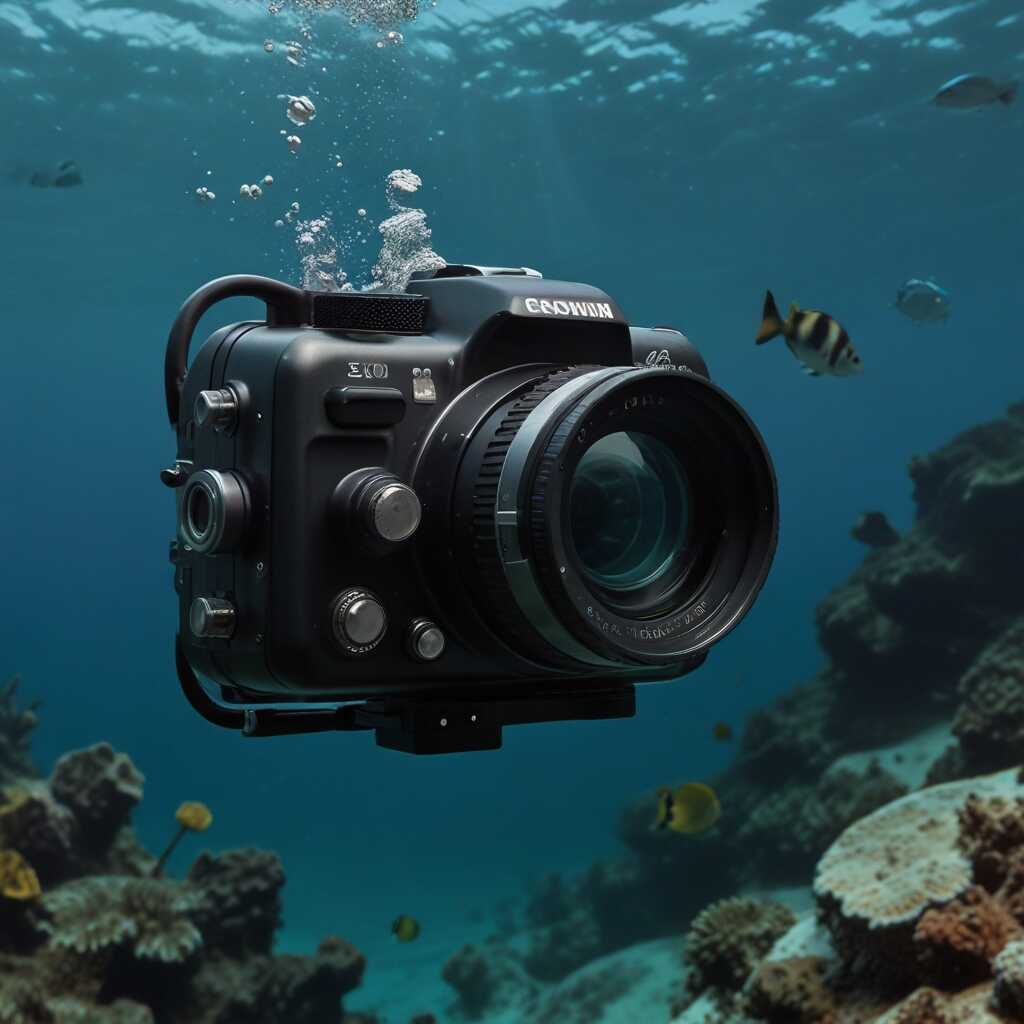
Mental mapping techniques are essential for improving underwater navigation skills. Divers can utilize techniques such as visualization and environmental referencing to strengthen their awareness. Visualization involves creating mental images of the underwater landscape, which assists in memorizing key features like rock formations or coral structures. Environmental referencing includes recognizing specific objects or organisms to maintain orientation. Recent studies indicate that divers who practice these methods exhibit better navigation efficiency and confidence. This approach helps in developing a familiarity with the underwater environment, enhancing overall diving experiences.
Effective Visualization Methods for Underwater Navigation
Effective visualization methods can drastically improve a diver’s orientation and navigation skills. To implement visualization, divers should mentally rehearse their dive plan before entering the water. This involves picturing entry points, notable landmarks, and the desired exit route. For instance, visualizing a pathway through a coral reef allows divers to mentally map their course, making navigation smoother. Practicing this technique regularly can enhance retention of vital navigation details during actual dives, ensuring divers remain aware of their surroundings. Utilizing things like compass bearings and recognizing unique environmental features can lead to safer and more enjoyable diving adventures.
Advantages of Mastering Underwater Directional Skills
- Enhancing natural orientation reduces reliance on electronic devices.
- Clearer understanding of underwater landmarks improves diving experiences.
- Greater confidence leads to improved decision-making while diving.
- Effective navigation techniques can prevent lost dive buddies.
- Natural orientation skills support environmental awareness during dives.
- Practicing these techniques prepares divers for diverse underwater conditions.
- Mastering navigation can enhance overall enjoyment of underwater exploration.

Utilizing Current and Light for Better Navigation
Divers can significantly enhance their navigational skills by understanding how to utilize water currents and light conditions. Water currents serve as natural guides, helping divers track their path. Knowing the direction of a current allows divers to plan their dive efficiently. Moreover, divers should assess light conditions, as they impact visibility. Bright sunlight penetrating the water enhances the ability to see markers or landmarks. Divers can improve their navigational awareness skills by observing how light refracts underwater and by using it to gauge distance and direction.
Strategies for Leveraging Natural Light in Diving
Understanding light conditions is essential for effective underwater navigation. Divers can test how light reflections and shadows affect visibility. For example, during clear, sunny days, shallow waters provide excellent light levels that help in identifying familiar features. In murky conditions, divers should rely on available light sources like dive lights. These lights come in handy when exploring dark crevices or wrecks. Divers should practice using both natural and artificial light to assist in maintaining their sense of direction. Navigational awareness and familiarity with light variations drastically improve overall diving experiences.
Key Safety Practices When Navigating Underwater
Essential safety tips for underwater navigation include always diving with a buddy, staying aware of your surroundings, and planning your dive meticulously. Ensure you understand the dive site’s topography, currents, and potential hazards. Create a dive plan with specific navigation points. Use natural landmarks to assist in navigation. It is crucial to have a strong grip on your air supply and dive time. Maintaining good buoyancy control enhances your ability to navigate efficiently and safely interacts with the underwater environment.
Understanding Environmental Factors Affecting Navigation
Environmental factors such as water currents, visibility, and underwater topography critically impact navigation safety. Strong currents can disorient divers, pushing them off course. Poor visibility reduces the reliability of visual landmarks, making it challenging to navigate. Understanding the dive site’s specifics, including potential hazards and landmarks, helps improve safe navigation strategies. Always assess the conditions before diving and adjust your dive plan accordingly. Familiarize yourself with the local environment through research to enhance your navigation skills and confidence.
Target Groups Exploring Underwater Navigation Techniques
- Beginner divers benefit from natural orientation training for confidence.
- Experienced divers refine skills for enhanced safety and exploration.
- Diving instructors utilize these techniques in certification courses.
- Outdoor enthusiasts embrace navigation skills for adventure sports.
- Scuba diving bloggers share insights on navigation approaches and tips.
- Underwater photographers benefit from effective navigation for perfect shots.
- Marine biologists utilize navigation techniques to monitor ecosystems.
Actionable Tips to Improve Navigation Skills Over Time
Effective exercises for improving underwater navigation skills include practicing with a buddy, using natural landmarks, and planning dive routes before descending. Divers can enhance their efficiency by familiarizing themselves with their dive sites and using visual references like rocks and coral formations. Learning to recognize how various features align helps in understanding underwater geography. Divers should consider mastering at least four different navigation techniques, ensuring their navigation skills remain reliable and adaptable in various underwater conditions.
Using Natural Landmarks for Underwater Navigation
Natural landmarks play a crucial role in underwater navigation. Divers should observe unique features such as rock formations, reefs, or shipwrecks that stand out in the underwater environment. By memorizing their positions relative to these landmarks, divers can enhance their orientation skills significantly. Tracking movement between points like these solidifies spatial awareness. Practice returning to a known landmark by estimating distance and checking your bearing often. This practical exercise improves one’s confidence and reliability in navigation, ensuring divers feel safe and capable underwater.