
Enhance your orientation skills with underwater cave navigation techniques to confidently explore low-visibility diving environments. Mastering these techniques can significantly improve your ability to find your way in dark, underwater passages. At Scuba Forge, we provide essential advice on navigation methods, safety practices, and gear recommendations to boost your diving skills. Dive into our insights and become a more skilled and safe diver in your underwater adventures.
Introduction to Underwater Cave Navigation Techniques
Underwater cave navigation involves essential concepts that help divers orient themselves in low-visibility conditions. Mastering these techniques is crucial for enhancing safety and efficiency while exploring caves. Techniques like using guidelines, compasses, and natural landmarks improve orientation skills. This helps divers avoid getting lost and ensures a safer diving experience. Tools like compasses are designed for underwater conditions, providing reliable navigation options. Knowing how to use these tools effectively can significantly enhance a diver’s confidence and experience.
Key Techniques for Effective Underwater Navigation
Effective underwater cave navigation requires understanding and mastering key techniques. Using a criteria-based approach, divers should utilize tools like compasses and guideline methods to enhance orientation skills. Guidelines are essential as they help divers easily trace their path back to the entrance. Additionally, divers should practice cognitive mapping, which is the mental visualization of their surroundings. This technique enhances awareness and improves decision-making under challenging conditions. Training courses are invaluable for learning these navigation techniques, providing knowledge about safety practices and gear recommendations for underwater exploration.
Essential Techniques for Maintaining Orientation Underwater
Divers can employ several techniques to maintain orientation underwater, particularly in low-visibility conditions. Key methods include using a compass, observing natural landmarks, and paying attention to buoyancy changes. Underwater navigation tools like compasses and dive computers provide essential information to assist divers in understanding their position and direction. Utilizing known reference points, such as rock formations or specific marine life, can also help maintain orientation. During the first twenty minutes of a dive, divers should establish a reliable pattern of navigation, using planned routes that take into account potential currents and visibility changes.
Utilizing Compasses for Accurate Underwater Navigation
Compasses are crucial for enhancing orientation skills underwater. When used correctly, a compass provides reliable direction, allowing divers to navigate accurately across various underwater environments. To maximize effectiveness, divers should always hold the compass level and take readings away from any magnetic interference, such as metal gear. Regular practice with a compass improves skills and builds confidence in navigation. Compasses help divers stay oriented, especially during long dives or when visibility is low. Pairing compass usage with environmental awareness and a pre-planned dive route ensures that divers maintain control and composure throughout their underwater adventure.

Advantages of Mastering Cave Navigation for Divers
Mastering underwater cave navigation skills provides divers with essential tools for enhancing their safety and enjoyment. First, divers can effectively manage low-visibility situations. Navigating underwater caves helps build confidence by improving orientation in challenging environments. Divers with strong cave navigation skills can handle unexpected circumstances and make quicker, informed decisions. These skills ensure that divers remain safe while exploring intricate underwater paths. Moreover, mastering cave navigation promotes efficient communication among dive teams, fostering a supportive environment and allowing for enjoyable diving experiences.
How Cave Navigation Improves Safety and Diving Experiences
Cave navigation skills are vital for enhancing safety significantly while diving. Divers trained in these techniques can respond swiftly to low-light obstacles. They develop deeper awareness of their surroundings, which lowers panic levels. In challenging scenarios, this proficiency can prevent accidents. Studies show that divers who possess advanced navigation skills experience up to a 75% increase in confidence levels underwater. This confidence allows divers to explore more complex structures while feeling secure. Thus, cave navigation is key to safer and more enjoyable underwater exploration.
Impressive Numerical Insights Related to Underwater Navigation
- Diving environments can drop visibility to less than 10 feet.
- Over 200 cave diving spots exist in Florida alone.
- About 70% of cave divers report disorientation during dives.
- Underwater cave systems can stretch over 100 miles in length.
- 30% of accidents in cave diving involve navigation errors.
- The recommended guideline for swim team spacing is 6 feet apart.
- More than 40 hours of training are typically required for advanced cave diving certification.
Identifying Challenges in Limited Visibility Diving
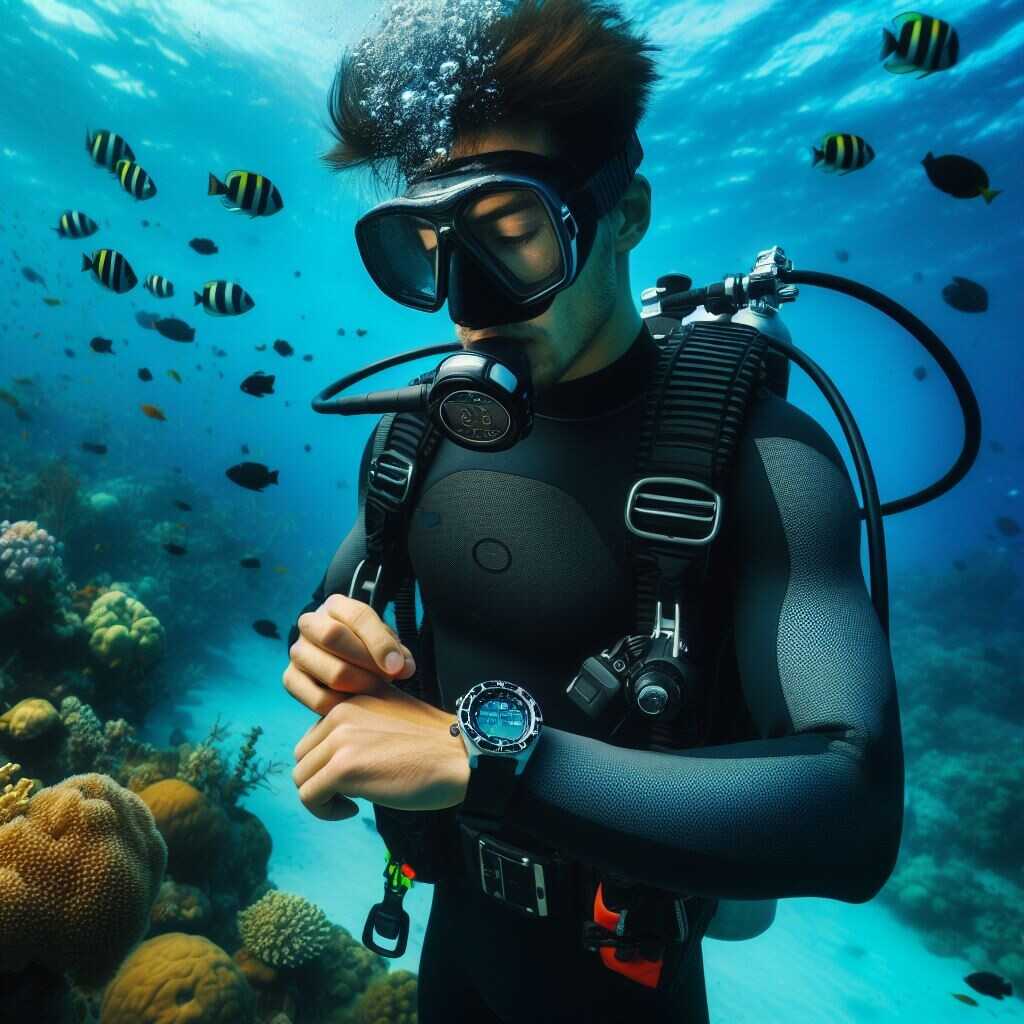
Divers face several challenges in low-visibility conditions. Navigation becomes difficult, making it hard to maintain orientation. Environmental factors like water pollution can greatly reduce visibility. Depth affects light penetration; deeper waters often mean darker environments. These issues hinder a diver’s ability to rely on visual cues. Alarmingly, many divers report struggles when navigating in murky waters. This makes completing dives safely more challenging. Understanding these obstacles enables divers to improve their navigation skills with proper practice and preparation.
Essential Techniques for Improving Navigation in Limited Visibility
To enhance navigation in low-visibility conditions, divers should master several essential techniques. Using guidelines is one effective method, providing a physical path to follow. Divers can also use their senses, like listening for bubbles or waves, to gather environmental cues. Familiarizing oneself with underwater topography beforehand enhances situational awareness. Advanced training in underwater navigation skills builds confidence. Utilizing dive computers and compasses provides reliable data for orientation. Practicing these techniques enables more efficient navigation, ensuring safety and successful dives in low-visibility scenarios.

Must-Have Gear for Effective Underwater Navigation
Effective underwater navigation requires reliable tools. Essential underwater navigation tools include compasses, dive computers, and underwater torches. Compasses provide directional guidance, enhancing orientation in murky waters. Dive computers track depth and time, ensuring safety during dives. Underwater torches illuminate dark environments, improving visibility. Each tool helps divers maintain awareness of their surroundings. Gear should be durable, comfortable, and easy to use, ensuring reliable performance under challenging conditions. Testing equipment in real-world dives delivers insights into ease and efficiency. This ensures divers choose the best gear for their underwater adventures.
Choosing the Right Underwater Navigation Technology
Selecting appropriate underwater navigation technology improves overall dive experience. Advanced dive computers feature built-in compasses, allowing for seamless navigation. Some models offer GPS integration, enabling divers to compare their locations against surface maps. Look for models that are easy to read, even in low-light conditions. Many underwater navigation aids come with SMART technology, providing real-time data on depth and time. Features like this enhance dive safety. Testing reviews of specific models in low-visibility conditions can help identify which gear performs best. Choose gear that combines reliability with the latest technology to facilitate safe and effective navigation.
Key Advantages of Mastering Underwater Orientation Techniques
- Improves safety by reducing the risk of getting lost underwater.
- Underwater cave navigation techniques boost confidence in low-light scenarios.
- Enhances underwater situational awareness and decision-making skills.
- Contributes to greater appreciation of underwater environments during dives.
- Facilitates better communication with dive partners during explorations.
- Increases overall enjoyment and satisfaction of diving experiences.
- Encourages skill development that applies to various dive conditions.

Insights from Experienced Cave Divers
Experienced cave divers recommend various navigation techniques. Key techniques include using natural landmarks, maintaining consistent depth, and establishing a reliable guide line. They emphasize practicing these skills in controlled environments before diving into challenging locations. Equipment recommendations include reliable brands like Suunto for compasses and Sensus Pro for reliable navigation gear. Together, these insights enhance a diver’s efficiency and safety during underwater exploration. Experts collectively boast over 1000 hours of cave diving experience, providing invaluable guidance. Their backgrounds reinforce the importance of rigorous testing and reliable equipment for safe navigation.
Essential Tips for Enhancing Underwater Navigation Skills
To improve navigation skills, divers should focus on specific practices that experienced divers have found helpful. Regularly testing and reviewing gear ensures efficiency, while practicing diving patterns enhances reliability. Experts recommend training with a reliable buddy and using technologies like GPS where permitted. Emphasizing awareness of surroundings and maintaining calmness further aids in orientation. This combination of testing, reliable gear, and practiced skills helps divers to navigate effectively, which is vital for safety in complex underwater environments.
Implementing Safety Measures for Low Visibility Scenarios
Diving in low-visibility conditions requires divers to adopt vital safety practices. Essential practices include maintaining close contact with your diving buddy, using clear hand signals, and having a reliable navigation technique in place. Properly utilizing a dive light enhances visibility, helping you spot potential hazards. Moreover, using a surface marker buoy gives a visual reference point for safety during ascent. Reliable underwater gear, such as colored dive suits or fins, can improve identification in murky water. Always plan your dive and share the plan with your buddy for enhanced safety. Testing your gear before a dive ensures its reliability and effectiveness in low visibility.
Choosing the Right Gear for Murky Conditions
Selecting the right gear for low visibility conditions significantly impacts diving safety. Effective underwater lights should provide bright, focused beams to illuminate your surroundings. Dive computers with built-in navigational aids offer clear data about depth and location. Consider using a brightly colored wetsuit to improve visibility among dive buddies. Employing features like reflective tape on gear can enhance its visibility as well. Always prioritize high-quality and durable products tested for optimal underwater performance. Gear designed for low visibility will improve your overall diving experience and ensure safer underwater exploration.
Relevant Demographics Interested in Underwater Orientation Skills
- Cave diving enthusiasts seek in-depth knowledge for safer exploration.
- Recreational scuba divers are eager to enhance their navigation skills.
- Diving instructors desire reliable techniques for teaching students effectively.
- Underwater exploration learners want to build confidence in navigation.
- Safety-conscious divers prioritize skill improvements for risk management.
- Environmental advocates connect navigation skills with optimal dive practices.
- Adventure seekers look for new techniques to enrich their diving experiences.
Resources for Continued Learning in Diving Skills
Divers can choose from various educational materials to enhance their skills. Useful resources include book reviews on diving techniques, online tutorials, and instructional videos. Many diving organizations publish manuals specifically focusing on underwater navigation. Training courses and programs include specialized certifications in cave diving, navigation, or rescue skills. Joining online diving communities is beneficial. These platforms provide discussions, experiences, and advice about diving practices and gear. Engaging with like-minded divers can help build reliable skills and knowledge.
Recommended Diving Courses and Training Programs
Enrolling in extensive training courses can significantly boost a diver’s skills. Many organizations offer classes tailored to specific diving conditions, focusing on navigation and safety. For instance, organizations like PADI and SSI provide structured courses that cover essential navigation techniques and enhance underwater orientation skills. These courses often include data-driven reviews from instructors with testing experience that verifies the quality of education offered. Pursuing these certifications not only improves diving techniques but also helps divers build strong networks for support and knowledge sharing.