
Enhance your dive experience by learning coral identification skills. This knowledge allows divers to appreciate the rich biodiversity of underwater ecosystems. Recognizing different coral species can also contribute to environmental sustainability efforts during your dives. At Scuba Forge, we believe that understanding marine life deepens your connection to the ocean and promotes responsible diving practices.
Overview of Coral Reefs and Their Importance to Ecosystems
Coral reefs play essential roles in marine ecosystems. They provide habitats for over 25% of all marine species, including fish, crabs, and mollusks. Coral reefs stabilize coastlines, protect shorelines from storms, and reduce erosion. They also aid in nutrient cycling, supporting the overall health of the ocean. By learning about the importance of coral reef ecosystems, divers can enhance their diving experience and develop a deeper appreciation for marine life. Additionally, understanding coral species diversity reveals how interconnected all ocean life is.
Key Species Associated with Coral Reefs
Coral reefs host a variety of species, each playing a role in maintaining ecosystem balance. Common fish species include clownfish, parrotfish, and angelfish, each serving unique functions like cleaning and grazing. Invertebrates such as sea urchins and starfish are vital for bioerosion and nutrient recycling. Coral reefs are also home to larger predators like sharks and sea turtles, which help control fish populations. This intricate web of life contributes to the high biodiversity seen in coral ecosystems. Recognizing these connections enhances divers’ respect for the ocean, encouraging sustainable diving practices and conservation efforts.
Fundamental Techniques for Identifying Coral Species
Identifying different coral species involves observing key characteristics such as color, shape, and structure. Look for branching, massive, or table-like formations. Each coral type has unique features that can help you distinguish it. For example, Elkhorn coral has a branching structure resembling antlers, while Brain coral is known for its rounded, maze-like patterns. Understanding these classifications can greatly enhance your diving experience, allowing you to appreciate marine life more deeply. Coral species diversity significantly impacts marine ecosystems, providing habitat for fish and other sea creatures. Divers can expect to see common types such as Staghorn, Brain, and Plate corals. According to marine biologists, there are generally over 30 primary coral types recognized, each offering vital ecological functions.
Essential Features for Effective Coral Identification
Effective coral identification requires attention to essential features such as texture, growth patterns, and coloration. Take note of the surface texture; some corals feel rough or bumpy, while others are smooth. Growth patterns can vary from branching to encrusting forms. For example, the Acropora genus features fast-growing, branching corals that are essential for reef structures. In contrast, Porites corals tend to grow as massive, boulder-like forms. Familiarizing yourself with these essential features enables better identification while diving. Additionally, utilizing underwater guides provides visual support, helping you name and understand corals more efficiently. Learning these identification techniques enhances safety and enriches your diving experience by connecting you to the underwater world.

The Value of Coral Identification for Diving Enthusiasts
Coral identification greatly enhances the diving experience by enabling divers to appreciate the underwater world on a deeper level. Recognizing coral species fosters a connection to the marine ecosystem, encouraging stewardship for these vital environments. When divers know the characteristics of different coral types, they develop a keen awareness of their role in supporting marine life. This knowledge helps in understanding the unique relationships within the underwater ecosystem and the importance of environmental conservation. Additionally, identifying coral species provides divers with context for what they see during dives, transforming a routine experience into an enriching adventure.
Common Coral Species and Their Unique Features
Divers should recognize several common coral species to enhance their underwater exploration. Staghorn coral has distinct branching structures that serve as essential habitats for many marine creatures. Brain coral, with its grooved appearance, plays a crucial role in reef building. Elkhorn coral features thick, horizontal branches that offer shelter to various fish. Understanding these types aids divers in recognizing the signs of a healthy coral reef. Knowledge of coral diversity enhances the diving experience by promoting marine stewardship and ensuring divers can share valuable insights about the underwater environment. Identifying coral types empowers divers to support conservation efforts effectively.
Fascinating Facts About Coral Ecosystems
- Over 25% of marine species depend on coral reefs for survival.
- The Great Barrier Reef is the world’s largest coral reef system.
- Corals can live for hundreds of years, some even over a thousand!
- There are approximately 800 known coral species globally.
- Coral reefs cover less than 0.1% of the ocean floor.
- Coral polyps can grow just a few centimeters a year.
- Coral bleaching occurs when water temperatures rise too high for safety.

Characteristics Differentiating Hard Corals from Soft Corals
Hard corals, also known as stony corals, have a rigid calcium carbonate skeleton. They build reef structures and provide essential habitats for marine life. Soft corals, on the other hand, do not possess a hard skeleton. Instead, they have a flexible, fleshy body which allows them to sway gently in the water. This key difference influences their growth and ecological roles. Hard corals generate complex structures that support biodiversity by offering shelter to various marine organisms. Soft corals contribute to reef aesthetics and offer protection but do not build structures. Learning these coral types helps divers enhance their underwater experiences.
Examples of Hard Corals and Soft Corals
Several notable examples illustrate the variety of hard and soft corals. Hard corals include species like brain coral, staghorn coral, and elkhorn coral. These corals form intricate structures crucial for reef ecosystems. Soft corals comprise sea fans, sea whips, and leather corals. They provide essential habitats for small fish and invertebrates. Understanding these species helps you recognize their ecological roles within reef structures. A deeper knowledge of their characteristics enables you to appreciate the rich biodiversity and health of coral ecosystems.
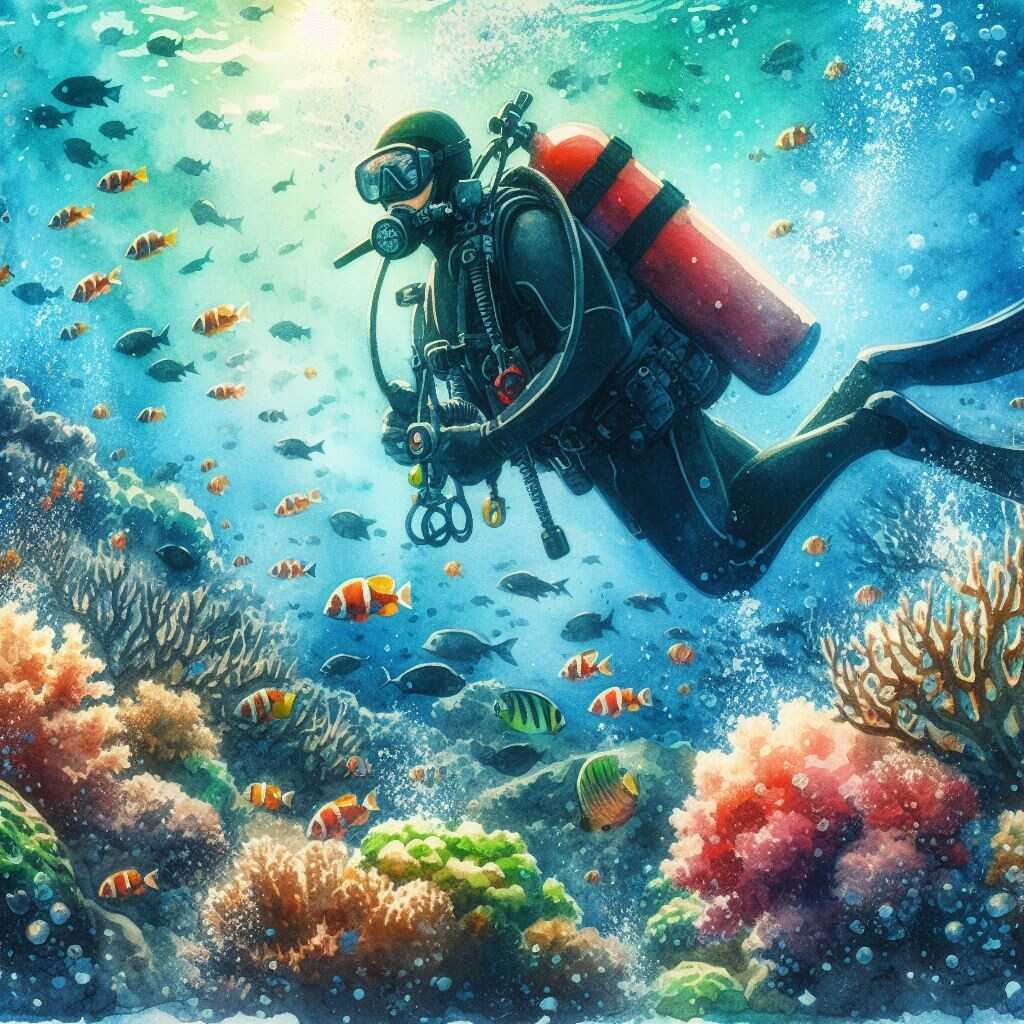
Coral Reefs and Their Role in Environmental Protection
Coral reefs provide essential coastal protection by acting as natural barriers against storms and erosion. They absorb wave energy, reducing the impact of storm surges on shorelines. This protection helps maintain ecosystems and communities near the coast. Many marine species rely on coral reefs for their habitats, enhancing ocean biodiversity. Fish, crustaceans, and other marine life find shelter and food among the coral structures. Coral reefs can protect up to 30% of the world’s coastlines, demonstrating their vital role in safeguarding against environmental threats.
Understanding the Importance of Coral Habitats
Coral habitats are crucial for maintaining the health of ocean ecosystems. They support over 25% of all marine species, providing food and shelter. This includes a wide variety of fish, mollusks, and other organisms. The structural complexity of coral reefs creates diverse living spaces, which boosts marine biodiversity. Conserving these habitats enhances their natural abilities to provide storm protection and supports local economies dependent on fishing and tourism. Effective management helps ensure these valuable ecosystems continue to thrive and protect coastlines for future generations.
Key Advantages of Recognizing Coral Types
- Understanding coral species supports marine conservation efforts.
- Knowledge enhances underwater interactions during dives.
- You can educate others about important ecosystems.
- Identify coral damage and report it for environmental protection.
- Awareness fosters respect for marine life and habitats.
- Boost your confidence and enjoyment while diving.
- Know how to support local conservation groups effectively.

Current Threats to Coral Reefs and Their Impact
Coral reefs face significant threats such as climate change, marine pollution, and habitat destruction. Coral bleaching occurs due to rising sea temperatures, affecting the health of entire ecosystems. Marine pollution, including plastics and chemicals, severely degrades coral reef health. The countries with the highest coral reef degradation include Australia, the Philippines, and parts of the Caribbean. It is estimated that if current trends continue, nearly 90% of the world’s coral reefs could be lost by 2025. Awareness of these threats can inspire divers to participate in conservation efforts.
Impact of Climate Change on Coral Reefs
Climate change causes increasing ocean temperatures, leading to coral bleaching processes that endanger reef health. Coral bleaching strips away essential algae that provide nourishment to corals. Research shows that even a temperature rise of just 1-2°C can trigger coral stress. Additionally, ocean acidification from increased carbon dioxide levels weakens coral structures, hampering their ability to grow and recover. To protect coral reefs, divers must be part of advocacy groups focused on climate action and environmental sustainability.
Best Practices for Preserving Coral Reefs During Dives
Divers can adopt several best practices to minimize their impact on coral reefs. Maintaining a minimum distance of three feet from corals reduces the risk of physical damage. Avoid touching the coral or marine life as skin oils and pressure can harm them. Divers should use buoyancy control to avoid contact with the substrate. Planning dives to only visit well-marked and designated areas helps prevent accidental damage. Following local guidelines ensures compliance with conservation laws, helping to protect sensitive ecosystems.
Effective Techniques for Responsible Diving Behavior
Effective techniques for responsible diving behavior include using proper diving gear and practicing good buoyancy control. Gear should be lightweight, comfortable, and easy to manage to ensure a better experience while exploring. Full wetsuits can protect against abrasion caused by coral. Techniques like hovering above the coral instead of resting on it help prevent damage. Joining guided dives led by experts can provide invaluable insights into coral health and behavior. Divers should also participate in cleaning events to help maintain the reefs they enjoy.
Exploring Brands and Groups Focused on Coral Knowledge
- CoralWatch promotes coral monitoring for conservation efforts.
- The Ocean Conservancy works on policy changes for ocean health.
- ReefBase offers marine information but has limited interactive tools.
- Project AWARE engages divers in underwater clean-up events.
- Coral Triangle Initiative focuses on regional biodiversity efforts.
- Explore local dive shops; many offer coral identification courses.
- Join diving clubs that support coral conservation initiatives.
Recommended Resources for Advancing Coral Knowledge
To develop your coral identification skills, consider exploring curated lists of coral identification resources. Books like “Corals of the World” provide detailed descriptions and images of various species. Websites such as ReefBase and Coral Triangle Initiative offer extensive data on coral reef ecosystems. Online platforms, including the Marine Conservation Society, feature valuable educational materials on coral health. Joining local and global marine conservation communities enhances your learning experience and keeps you updated on conservation efforts. Organizations like the Coral Triangle Initiative and Coral Restoration Foundation provide opportunities for hands-on learning.
Exploring New Coral Species and Their Habitats
Diving in diverse locations opens chances to identify over 500 different coral species. Popular spots, such as the Great Barrier Reef, boast a rich variety. Special guides are designed to assist divers in recognizing key features of various corals. Understanding each species’ environment is essential for appreciating their ecological role. Coral species guides often include detailed illustrations comparing similar corals, enabling quick identification while diving. These resources help divers connect with the underwater landscape better, ensuring a memorable diving experience.