
Explore rare marine species to enhance unusual underwater encounters and create unforgettable diving experiences. Discovering unique creatures like the elusive Dumbo octopus or the vibrant leafy sea dragon adds excitement to diving adventures. Scuba Forge encourages divers and enthusiasts to understand these remarkable species, promoting awareness and conservation efforts while enjoying the wonders of marine life.
The Importance of Rare Marine Species in Ocean Ecosystems
Rare marine species play a crucial role in maintaining ecological balance. They contribute to biodiversity, ensuring that marine ecosystems function effectively. Understanding rare species enhances divers’ appreciation of these environments. Unique species often serve as indicators of environmental health, meaning their presence can reflect the state of their ecosystem. For instance, the presence of certain corals signifies a healthy reef system. Additionally, rare species support complex food webs and nutrient cycles, which promotes overall marine stability.
Recognizing Key Rare Marine Species and Their Ecological Contributions
Recognizing rare marine species includes understanding their specific roles in ecosystems. One such species, the Wolffish, produces valuable ecological benefits by consuming sea urchins and thus maintaining kelp forest health. The Mola Mola, or ocean sunfish, helps regulate jellyfish populations, which, if unchecked, can disrupt marine life balances. Moreover, numerous studies have documented over 1,500 rare marine species, indicating their importance in coastal diversity and environmental stability. These species demonstrate reliability and adaptability in changing conditions, vital for ecological resilience in ocean habitats.
Techniques for Identifying Rare Marine Species Underwater
To identify rare marine species underwater, divers can use several techniques. Visual recognition is essential. Divers should familiarize themselves with the key characteristics of species like body shapes and colors. Photographs are useful for comparison. Underwater guides and apps provide helpful information about local marine life. Keeping an observation journal helps track encounters and enhances recall. Attention to detail is crucial. A diver may discover nuances in behavior that aid in identification. Engaging with local marine biologists can greatly enhance one’s knowledge and skills.
Essential Dive Tools for Species Identification
Using essential dive tools improves species identification. A waterproof identification guide is fundamental. These guides provide illustrations and descriptions of marine life. A dive computer can help track your underwater time for better observation. Cameras with macro lenses allow divers to capture detailed images of rare species, making later identification easier. Additionally, apps designed for marine species help divers recognize and record their finds immediately after encounters. These tools ensure that divers have everything they need for effective, enjoyable identification underwater.
Unique and Fascinating Rare Marine Species to Watch For
Divers should look for rare marine species like the Leafy Seadragon, Mola Mola, and Ghost Pipefish. Each species presents unique characteristics. The Leafy Seadragon has flowing leaf-like appendages that aid in camouflage. Mola Mola, or Ocean Sunfish, can reach impressive sizes of up to 2000 kg. The Ghost Pipefish mimics seaweed, offering an eccentric appearance. Depending on diving locations, divers can spot about 50 to 70 rare marine species through specific diving expeditions. Recognizing these marine creatures enhances underwater experiences, providing divers with engaging interactions.
How to Identify Rare Marine Species While Diving
To effectively identify rare marine species while diving, divers should focus on notable physical traits, habitats, and behaviors. For example, the Leafy Seadragon often hides among kelp beds, while the Mola Mola prefers warmer waters. Observing how these creatures move, their coloration, and their interactions within the ecosystem provides key identification clues. Divers equipped with waterproof cameras can enhance their experiences by capturing images for comparison later. Using reliable diving guides or mobile apps designed for marine identification can ensure a successful recognition of these unique underwater encounters.
Fascinating Numerical Data About Ocean Creatures
- Over 230,000 marine species are officially recognized by scientists.
- The ocean covers about 71% of the Earth’s surface.
- Around 500 species of marine life are classified as rare.
- Anywhere from 2,000 to 3,000 new species are discovered each year.
- More than 90% of the ocean is still unexplored.
- Marine ecosystems provide food and habitat for billions of organisms.
- Rare marine species can survive at depths over 36,000 feet in the ocean.
Impact of Climate Change on Rare Marine Life Populations
Climate change dramatically impacts rare marine species and their habitats. Rising ocean temperatures disrupt breeding and feeding patterns of sensitive species. Ocean acidification from increased carbon dioxide harms coral reefs, which provide crucial shelter for these species. Pollution further exacerbates habitat degradation, leading to a loss of biodiversity. Understanding these factors enhances divers’ commitment to conservation efforts. Engaging in sustainable diving practices can help protect these threatened marine ecosystems.
Major Environmental Shifts Threatening Marine Biodiversity
Major environmental shifts threaten marine biodiversity through phenomena like ocean warming and pollution. Ocean temperatures are expected to rise by 1.5°C to 2°C by 2025. This increase affects the distribution of marine species, making rare species like the vaquita porpoise more vulnerable. Pollution, including plastic waste and chemical runoff, degrades habitats and reduces the quality of marine life. Divers who understand these threats can promote essential conservation efforts. Choosing environmentally friendly diving practices helps safeguard fragile ecosystems.

Essential Diving Gear for Observing Rare Marine Species
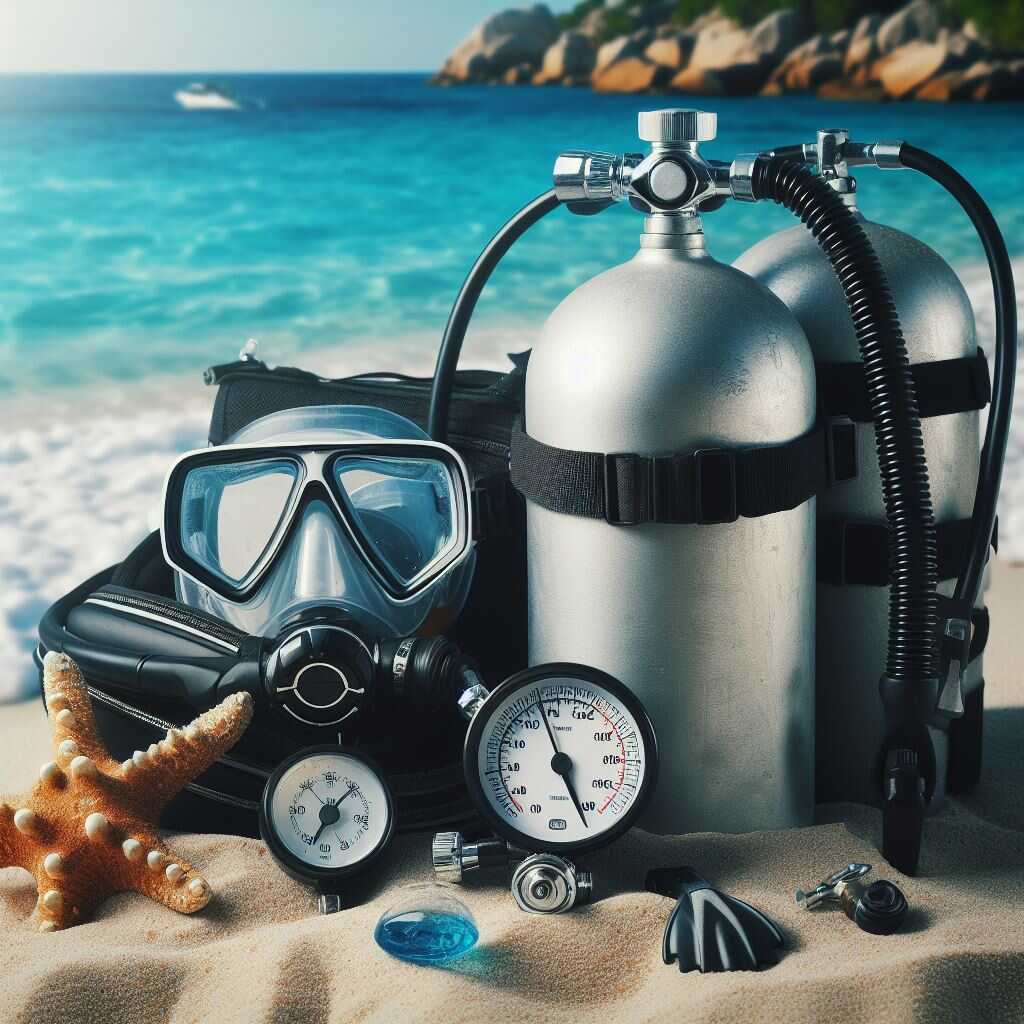
When observing rare marine species, divers should consider equipment that prioritizes diving safety gear and underwater comfort features. Essential features include wetsuits crafted from durable materials that allow flexibility in cold waters. High-quality dive masks enhance visibility and comfort, providing a reliable seal to prevent leaking. Fins designed for efficient propulsion improve mobility while enabling divers to quietly observe marine life. Dive computers and reliable depth gauges help ensure safety, offering real-time data during your adventure. A buoyancy control device tailored for your gear enhances stability, which is crucial when closely interacting with marine species.
Top Equipment Choices for Enhanced Underwater Experiences
The top equipment choices for enhanced underwater experiences include specialized masks with wide views and anti-fog technology, making observations easier. Consider fins with adjustable straps for better comfort and reduce fatigue during long dives. High-performance wetsuits provide insulation without compromising mobility. Reliable dive computers offer accurate data and are user-friendly, featuring easy-to-read displays. Opt for dive lights with strong beams, illuminating dark areas where rare marine life may hide. These specific choices can greatly enhance your comfort and safety while allowing you to immerse yourself in the wonders of underwater ecosystems.
Advantages of Encountering Uncommon Marine Life
- Divers often gain unique experiences that enhance their adventures.
- Unusual marine species, like the leafy sea dragon, inspire awe and curiosity.
- Witnessing rare species fosters deeper appreciation for marine ecosystems.
- Learning about marine conservation becomes more impactful during rare encounters.
- Uncommon species like the giant squid increase scientific understanding.
- Divers become case studies for education and research in marine biology.
- Encounters with niche species can lead to new tourism opportunities.

Best Practices for Memorable Underwater Encounters with Marine Life
To maximize your experiences with marine creatures, it is essential to follow respectful interaction techniques. Prioritize maintaining a respectful distance, ideally at least three meters from larger animals. This distance ensures safety while allowing for observation. Understanding marine animal behaviors enhances these encounters. Each species communicates and moves differently. Familiarizing yourself with these behaviors will improve your ability to interact safely. Remember to stay calm, maintain eye contact, and avoid sudden movements to appear non-threatening. Following these underwater safety tips ensures that your encounters remain enjoyable without disturbing the wildlife.
Understanding Marine Animal Behaviors for Enhanced Experiences
Recognizing marine animal behaviors is crucial for enhancing your underwater experiences. Different species display unique patterns that signal their feelings and intentions. For instance, dolphins may approach curiously but can retreat if they feel threatened. Observing the color changes in cuttlefish can indicate stress or relaxation. Approach creatures like sea turtles slowly. They might swim away if they feel harassed. Staying aware of these behaviors allows divers to interact respectfully. By practicing awareness and letting marine life dictate the pace, you ensure memorable encounters that are enjoyable and safe for both divers and wildlife.
Conservation Efforts and Their Role in Protecting Rare Species
Conservation efforts are essential for safeguarding rare marine species. These initiatives help prevent extinction and promote biodiversity in ocean ecosystems. Divers can actively participate in these efforts by joining conservation programs, reporting rare species sightings, and adhering to sustainable diving practices. Organizations such as the Marine Conservation Society and Oceana provide resources for divers to engage in marine preservation. Currently, over 1,700 marine species are recognized as endangered globally. Each diver’s contribution enhances marine health, ultimately supporting a balanced ecosystem.
How Divers Can Contribute to Marine Conservation
Divers can significantly impact marine conservation by participating in community efforts and programs designed for environmental sustainability. Local dive shops often facilitate clean-up dives, which remove debris impacting marine habitats. Additionally, divers can help monitor and report essential data on rare species sightings for research purposes. Supporting marine protected areas by diving responsibly ensures the reliability of these ecosystems. By choosing dive destinations known for their conservation efforts, divers help promote practices that enhance the health of underwater environments.
Target Audiences Interested in Marine Exploration
- Adventure travelers seek thrilling underwater discoveries to boost travel experiences.
- Marine biologists focus on learning about rare species to study ecosystems.
- Environmental advocates work to protect rare species in their natural habitats.
- Subaqueous researchers often require advanced gear for deep-sea exploration.
- Diving instructors teach divers how to safely observe uncommon marine life.
- Photography enthusiasts wish to capture stunning images of unique sea creatures.
- Ecotourism businesses promote rare species explorations to boost local economies.
Community Stories: Diving Adventures with Rare Marine Encounters
Divers can enhance their underwater adventures by sharing experiences with rare marine species. What rare marine species have you encountered during your dives? Many divers have seen animals like the leafy seadragon or the elusive dugong. Your unique diving experiences help build a supportive community. Sharing memorable experiences allows an exchange of knowledge that contributes to marine species identification, making diving adventures more exciting.
Highlighting the Most Memorable Rare Marine Life Encounters
Your stories can provide insights into encounters that many divers may not have experienced. Can you share your most memorable experience with unusual marine life, including the location and species? These underwater adventure stories enhance collective wisdom and inspire other divers to explore diverse ecosystems. Unique encounters with rare marine species, whether in warm tropical waters or cooler temperate zones, require attention to detail. Documenting specifics about the conditions and surroundings can improve understanding and appreciation of the delicate marine world.