
Enhancing awareness of marine environmental threats for divers is vital for the safety of underwater activities. Understanding these threats helps divers make informed choices and protect marine ecosystems. Scuba Forge provides insights into how environmental issues impact diving experiences and offers gear recommendations to support responsible practices. This article aims to educate divers about potential threats while inspiring commitment to conservation efforts.
Overview of Marine Environmental Threats for Scuba Divers
Divers today face several significant marine environmental threats. Marine pollution threatens underwater visibility and affects marine life. Overfishing alters fish populations, disrupting delicate ecosystems where divers explore. Climate change impacts the ocean’s temperature and acidity, leading to coral bleaching. These factors reduce overall marine life and compromise diving experiences. Understanding these threats enhances safety and enjoyment underwater, allowing divers to appreciate and protect the ecosystems they cherish.
Understanding the Impact of Marine Pollution
Marine pollution, including plastic and chemical waste, harms underwater ecosystems significantly. Divers often encounter debris that can entangle marine life and decrease visibility. Chemical runoff can lead to harmful algal blooms, threatening fish populations and overall ecosystem health. Divers should be aware that polluted waters impact marine biodiversity and their own health. By understanding pollution’s effects, divers can advocate for cleaner oceans, enhancing their diving experience while promoting marine conservation efforts.
Why Environmental Awareness Matters for Divers
Environmental awareness is crucial for divers because they play an active role in protecting marine ecosystems. Understanding threats like pollution, climate change, and habitat destruction helps divers make informed choices. Awareness enhances diving safety practices as it allows divers to minimize their impact on these sensitive environments. Many divers actively participate in coral reef preservation efforts and sustainable diving approaches that contribute to marine habitat conservation.
The Impact of Pollution on Underwater Activities
Pollution significantly affects diving experiences by harming marine life and ecosystems. Marine debris, plastics, and oil spills can drastically reduce visibility and damage delicate habitats. Divers can encounter litter while exploring underwater, which affects their overall enjoyment. Furthermore, pollution can lead to the decline of biodiversity, making it essential for divers to advocate for clean oceans and responsible waste disposal practices. Understanding pollution’s impact can enhance diving safety and ensure that underwater adventures remain enjoyable and pristine.
Identifying Environmental Threats Underwater
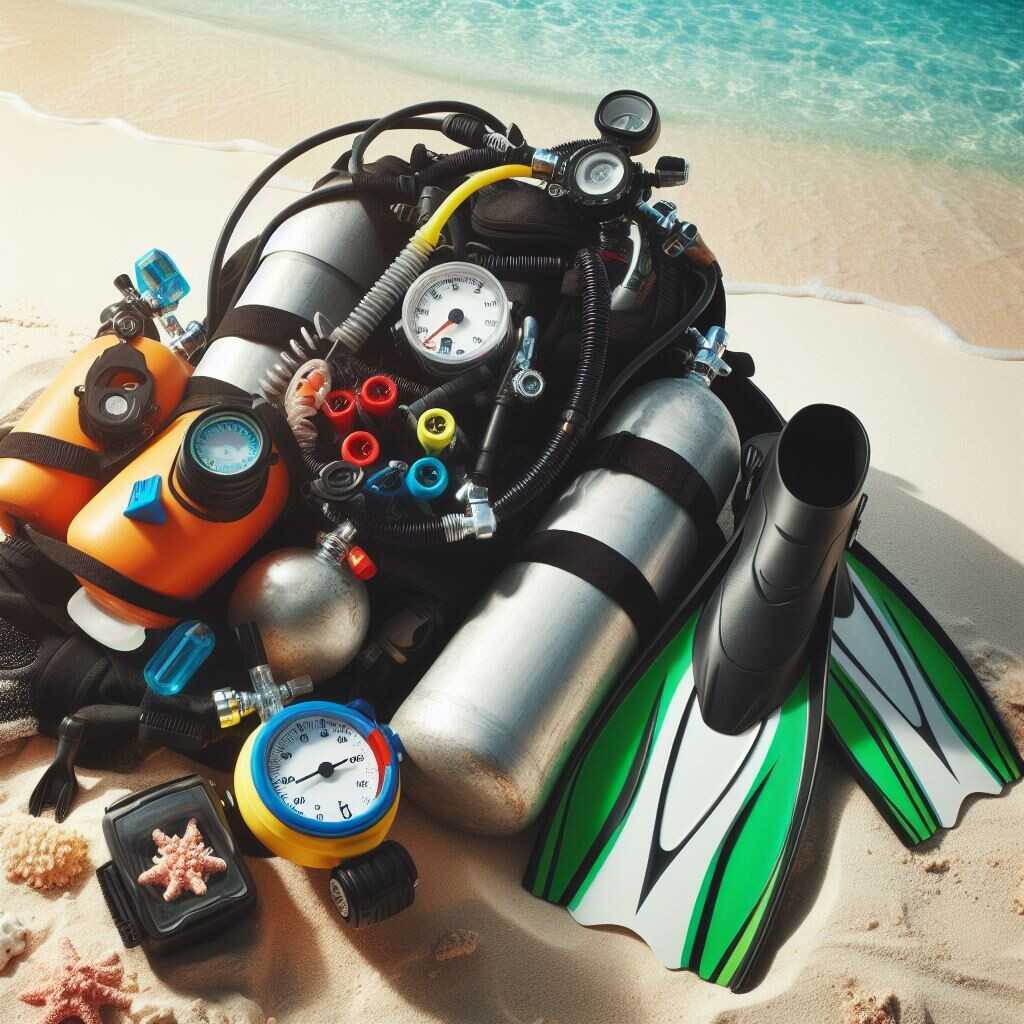
Divers can encounter several significant marine environmental threats during their underwater experiences. Coral bleaching occurs when corals expel the algae living in their tissues due to stress, typically from rising water temperatures. This phenomenon can diminish coral cover by up to 90% in severely affected areas. Plastic pollution poses another serious issue, with large quantities of plastic waste entering oceans each year, harming marine life through ingestion and entanglement. Destructive fishing practices, such as blast fishing, damage delicate marine ecosystems, resulting in habitat loss. By recognizing these critical issues, divers can help promote awareness and contribute to conservation efforts.
Understanding the Impact of Coral Bleaching
Coral bleaching is increasingly affecting reefs worldwide. It is primarily caused by elevated water temperatures and pollution. 30% of coral reefs globally are currently affected by bleaching, leading to a loss of biodiversity and reduced fish populations. Recognizing signs of bleaching, like color change in corals, is essential for divers. By observing and reporting these changes, divers can participate in research efforts aimed at conservation. Engaging in eco-friendly diving practices, such as avoiding contact with corals, enhances the resilience of marine ecosystems and supports coral recovery efforts.
Numerical Insights on Underwater Ecosystems
- Earth’s oceans cover about 71% of the planet’s surface.
- Approximately 80% of marine pollution comes from land.
- Coral reefs support 25% of all marine life.
- Over 1 million marine species face extinction threats.
- The ocean absorbs about 30% of carbon dioxide emissions.
- Plastic waste in oceans reaches approximately 150 million tons.
- Marine protected areas cover only about 7% of the oceans globally.

Impact of Climate Change on Marine Life and Diving
Climate change significantly impacts ocean temperatures and marine ecosystems. Rising ocean temperatures can lead to coral bleaching, affecting marine biodiversity. Marine species such as fish, mollusks, and crustaceans are increasingly experiencing shifts in their habitats. This affects divers by changing where and how they can safely dive and observe marine life. In addition, warmer waters can lead to harmful algal blooms, impacting water quality. By 2050, ocean temperatures are expected to rise by 1 to 2 degrees Celsius, dramatically altering underwater environments.
Effects of Rising Ocean Temperatures on Coral Reefs
Rising ocean temperatures severely affect coral reefs, which are vital to marine biodiversity. Coral bleaching occurs when temperatures exceed certain thresholds, disrupting the relationship between corals and their symbiotic algae. This phenomenon leads to a loss of colors and critical habitats for various marine species. For example, over 30% of global reefs may face severe bleaching by 2025. Divers may find that once vibrant reefs become desolate, impacting their overall diving experiences. Understanding these changes allows for better preparation and adaptation for eco-conscious diving practices.

Implementing Sustainable Diving Practices
Divers can adopt numerous sustainable practices to protect marine environments. Essential actions include avoiding contact with coral and using reef-safe sunscreen. Responsible divers always follow guidelines that limit their environmental impact. This includes not disturbing marine life and avoiding fishing in sensitive areas. When shopping for gear, divers should consider eco-friendly products that are designed with sustainability in mind. Many brands offer gear made from recyclable materials or products that enhance marine conservation. As of 2023, there are over 7,000 marine protected areas worldwide that divers can explore responsibly, ensuring their activities contribute positively to marine ecosystems.
Choosing Eco-Friendly Diving Gear
When selecting gear, divers should focus on options that minimize environmental impact. Look for reputable brands that offer products made from sustainable materials. Divers should consider gear that enhances marine conservation, such as biodegradable wetsuits or fins designed for efficient swimming. Using reliable and durable gear helps reduce waste and supports environmental stewardship. Research to find companies that participate in ocean cleanup efforts or support marine conservation projects. Making informed choices about diving equipment is essential for divers who want to contribute positively to marine health.
Positive Effects of Learning About Ocean Challenges
- Increased knowledge improves safety during diving experiences.
- Understanding threats helps individuals support marine conservation efforts.
- Awareness encourages responsible interaction with sea life.
- Fostering marine conservation creates healthier ecosystems.
- Education promotes eco-friendly practices while diving.
- Informed divers raise awareness among peers and communities.
- Engagement in conservation initiatives enhances overall diving enjoyment.

How Divers Can Contribute to Marine Conservation
Divers can participate in marine conservation projects by volunteering with organizations focused on habitat restoration, reef clean-ups, and research. Local initiatives often seek divers for underwater monitoring and data collection. Advocating for marine protection policies is essential. Divers can support regulations that control pollution, establish marine protected areas, and promote sustainable fishing practices. Research suggests that more than 30,000 divers engage in marine conservation initiatives each year, combining their passion for diving with commitment to safeguarding marine ecosystems.
Joining Community Initiatives for Environmental Protection
Divers can join community initiatives that focus on restoring coral reefs and cleaning ocean debris. Participating in organized clean-ups helps remove trash from marine environments, enhancing habitats for wildlife. Training programs are often available that teach divers the right techniques for underwater cleanup. Community events usually welcome divers of all skill levels, creating opportunities for networking and collaboration. These initiatives allow divers to learn about marine ecosystems while contributing positively. Organizations often provide resources for divers, ensuring they understand both the impact of their actions and how to engage effectively.
Community Resources to Enhance Marine Awareness
Several organizations focus on marine environmental protection, such as Oceana, the Ocean Conservancy, and the Marine Conservation Society. These organizations provide valuable resources for divers and eco-conscious travelers interested in learning about marine conservation. Online platforms such as iNaturalist and Dive Against Debris offer opportunities for citizen science projects, enabling individuals to contribute to marine research and advocacy. According to research, marine preservation volunteers contribute over 20 million hours a year worldwide, helping ensure the health of marine ecosystems.
Engaging with Marine Conservation Organizations
Engaging with marine conservation organizations can enhance divers’ understanding of ocean health and sustainability. Organizations like the Coral Triangle Initiative focus on protecting marine biodiversity in the Coral Triangle region. Exploring their initiatives allows divers to connect with local projects aimed at coral reef restoration, habitat protection, and community education. Participation in their programs not only improves marine environments but also provides divers with firsthand experiences of conservation impacts. Utilizing these platforms helps divers become informed advocates for marine protection.
Target Groups and Their Relation to Marine Awareness
- Recreational divers focus on safety and health of ecosystems.
- Marine biology students study environmental impacts on marine habitats.
- Eco-conscious travelers seek sustainable travel experiences.
- Underwater photographers aim to showcase marine beauty and issues.
- Environmental activists advocate for protecting ocean life.
- Research organizations analyze data on marine preservation.
- Fishing communities learn sustainable practices to protect ecosystems.
Engaging Others in Marine Conservation Discussions
Divers can share their experiences about marine threats effectively through various platforms like social media, diving forums, and local dive clubs. These avenues provide excellent opportunities for discussing environmental threats and raising awareness. Participating in conservation events or collaboration with marine biology organizations enhances these discussions. Creating blogs or videos showcasing underwater experiences can also inspire peers. Engaging local communities through awareness campaigns can significantly impact conservation efforts. Overall, encouraging open dialogues allows divers to foster a sense of responsibility toward marine ecosystems.
Effective Platforms for Sharing and Discussing
Social media platforms like Instagram and Facebook allow divers to connect with a vast audience. Sharing personal videos and stories about marine threats on these platforms can grab attention. Online diving forums provide a focused space for discussions where divers can seek advice and share experiences. Websites dedicated to marine conservation can help link divers with ongoing projects, ensuring their voices impact broader initiatives. Utilizing visual platforms like YouTube to showcase diving experiences can create awareness and engage a more extensive community concerned about marine issues.