
Dive operator sustainability practices play a crucial role in supporting marine conservation efforts. By adopting eco-friendly measures, dive operators help protect fragile underwater ecosystems that divers explore. Scuba Forge is dedicated to providing insights into how these practices influence marine health and enhance conservation initiatives. Understanding this relationship allows divers to make informed choices that benefit both their experiences and the environment.
Significance of Sustainable Practices in Scuba Diving
Sustainable diving practices are essential for preserving marine ecosystems. Dive operators can implement various eco-friendly strategies like waste reduction, marine protected areas, and responsible tourism. These methods help maintain biodiversity and reduce the impact of human activities on delicate underwater environments. Research shows that dive operators who commit to sustainability enhance marine conservation efforts, ensuring cleaner oceans and healthier marine life. A growing number of organizations, approximately 60% in the last decade, have adopted sustainability practices, highlighting the increasing importance of eco-conscious diving.
Effective Sustainable Practices for Dive Operators
Effective sustainable practices for dive operators include conducting regular underwater cleanups, training staff on environmental impact, and using eco-friendly materials in gear. Offering guided tours that educate divers on marine life and conservation can help raise awareness. Dive operators can also implement strict no-touch policies to protect delicate coral and marine habitats. These measures not only improve divers’ experiences but also promote a culture of environmental stewardship within the diving community. By choosing operators that prioritize these practices, divers contribute to the integrity of marine ecosystems.
Overview of Marine Conservation Efforts Worldwide
Marine conservation encompasses efforts to protect marine ecosystems and promote the sustainable use of ocean resources. Organizations like the United Nations, World Wildlife Fund, and Greenpeace lead global initiatives to safeguard marine environments. The primary goals include preserving biodiversity, protecting habitats, combating pollution, and restoring fish populations. Effective marine conservation helps ensure that recreational activities like diving do not harm delicate ecosystems. As of 2023, approximately 8% of the world’s oceans are protected under various marine conservation policies, highlighting the need to enhance these efforts. Sustainable diving practices provide essential support for these initiatives, enabling divers to participate in conservation activities while enjoying ocean exploration.
How Divers Can Support Marine Conservation Efforts
Divers play a significant role in supporting marine conservation efforts. By choosing eco-friendly dive operators that uphold sustainable practices, divers help protect vital marine ecosystems. Eco-conscious travel choices enhance conservation outcomes by ensuring that dive operators minimize their environmental impact. Many dive operators participate in habitat restoration projects and involve divers in efforts like reef clean-ups and species monitoring. In 2025, researchers project that collaborations between divers and marine conservation groups will increase, leading to a more substantial impact on ocean health. Dive operators offering such programs promote hands-on experiences for divers while fostering a deeper appreciation for marine life and its preservation.

Advantages of Choosing Eco-Conscious Dive Operators
Choosing eco-conscious dive operators offers numerous benefits for both divers and marine ecosystems. These operators focus on sustainable diving practices, which help protect marine life. By engaging in environmental initiatives, eco-friendly dive operators contribute to conservation activities. Divers who select these services enjoy enhanced underwater experiences through knowledgeable guides who prioritize safety and environmental awareness. Furthermore, these operators often support local economies by promoting responsible tourism. Choosing an eco-conscious dive operator makes a direct impact on marine conservation efforts and ensures divers can appreciate healthy, vibrant marine ecosystems.
Impact on Marine Ecosystems and Local Economies
Eco-conscious dive operators play a vital role in protecting marine ecosystems. By practicing sustainable diving methods, they minimize disturbances to marine habitats. Operators may engage in coral reef restoration and educational programs, fostering awareness about marine conservation. This commitment not only benefits the environment but also enhances divers’ experiences. Eco-friendly services contribute to local economies by collaborating with community projects and local businesses. Tourists looking for sustainable dive options often seek out these operators, increasing revenue for environmentally responsible initiatives. Overall, these practices help ensure that marine ecosystems remain diverse and thriving for future generations.
Key Statistics on Eco-Friendly Diving Practices
- Over 60% of dive operators adopt sustainable practices globally.
- 76% of divers prefer companies that practice marine conservation.
- 80% of marine life exists in coral reefs, crucial for eco-friendly diving areas.
- Monthly marine conservation events hosted by dive operators reach 10,000 participants.
- The ocean absorbs 30% of carbon dioxide, emphasizing the need for sustainable practices.
- About 50% of dive operators reduce plastic waste on their trips.
- Studies show a 25% increase in marine species populations near protected dive sites.
Recognizing Sustainable Dive Operators
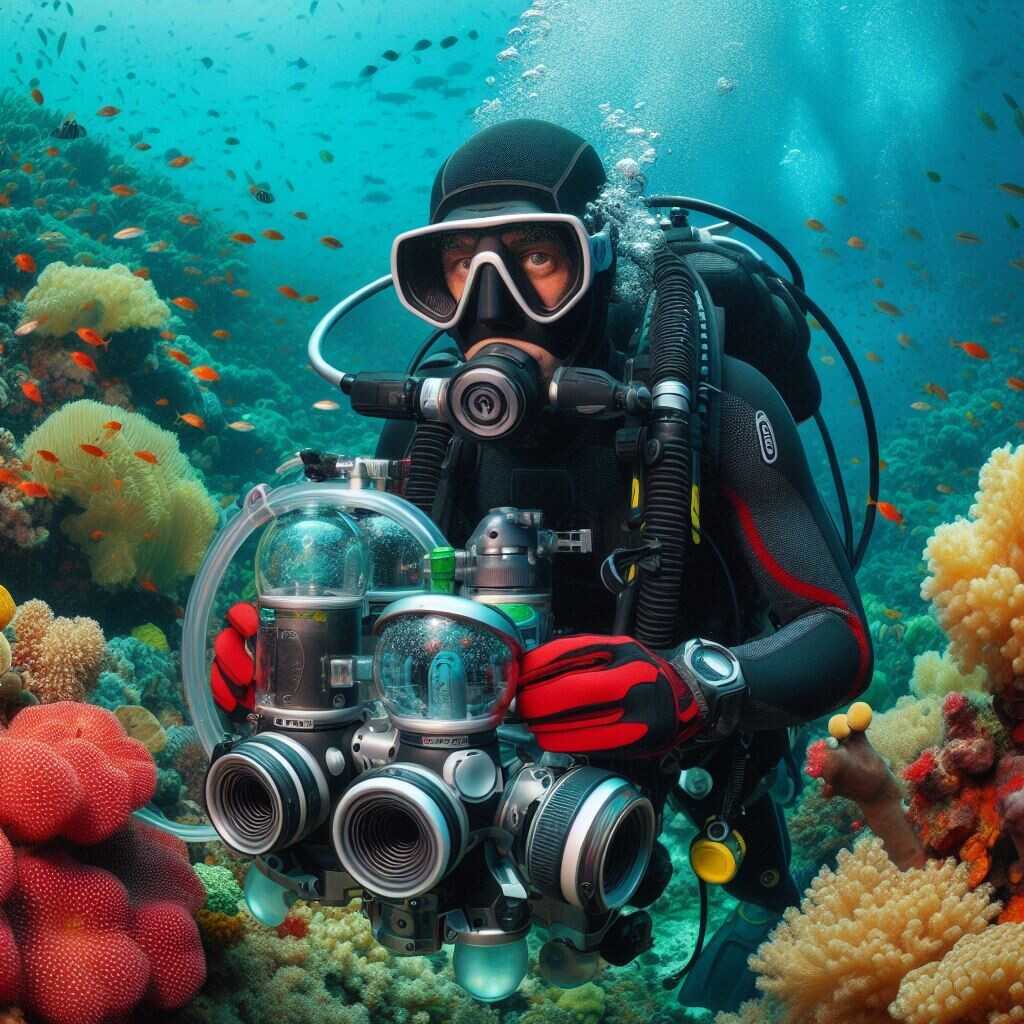
To identify a sustainable dive operator, look for several key indicators. First, check for environmental certifications, such as PADI’s Green Star Award or the Global Sustainable Tourism Council certification. These certifications prove that operators implement eco-friendly practices. Next, read customer reviews that mention sustainability or conservation efforts; genuine diver experiences provide insights into an operator’s commitment to responsible practices. Lastly, assess a dive operator’s community involvement. Operators actively supporting local conservation initiatives or participating in beach cleanups typically demonstrate a strong commitment to eco-friendly operations.
Understanding Environmental Certifications for Dive Operators
Environmental certifications are crucial when selecting a dive operator. Certifications like the ISO 14001 for Environmental Management or the Green Marine certification indicate adherence to high standards of sustainability. These certifications require dive operators to demonstrate efforts in waste management, energy efficiency, and habitat protection. Select operators with these distinctions to ensure your diving experience minimizes ecological impact. Research the specific actions operators take to uphold these standards. This knowledge helps enhance your dive trips while supporting businesses dedicated to marine conservation.

Effects of Scuba Diving on Marine Environments
Scuba diving can have several adverse effects on marine ecosystems, particularly on coral reefs and marine wildlife. Activities such as touching corals, kicking up sand, or using gloves can damage fragile coral structures. Divers may unknowingly disturb marine life, disrupting their natural behaviors. Sustainable diving practices are essential to mitigate these impacts. Dive operators play a vital role by educating divers about responsible behavior and offering training on eco-friendly practices. The preservation of sensitive underwater ecosystems depends on the collective efforts of divers and operators alike. Research shows only about 30% of divers are fully aware of their environmental impact.
Understanding Coral Reef Degradation
Coral reef degradation is a significant concern related to scuba diving. Many divers may not realize that direct contact with coral can lead to long-lasting damage. Coral reefs are highly sensitive and can take years to recover from disturbances. Sustainable practices such as maintaining a safe distance from corals, avoiding finning near sensitive areas, and using eco-friendly equipment can enhance the health of these ecosystems. Educational programs by dive operators help raise awareness and improve divers’ understanding of coral protection. By choosing responsible diving practices, divers can play an active role in underwater conservation efforts.
Advantageous Outcomes of Sustainable Diving Practices
- Eco-friendly diving reduces damage to fragile marine ecosystems.
- Collaborations with marine conservation initiatives lead to impactful projects.
- Sustainable practices enhance diver safety through responsible exploration.
- Diving operators investing in conservation help maintain vibrant underwater landscapes.
- Eco-conscious practices attract more tourists, boosting local economies.
- Protecting marine life promotes biodiversity and ecological balance in oceans.
- Engaged divers often become ambassadors for marine conservation efforts.
Success Stories of Effective Conservation Practices
Dive operators worldwide have successfully implemented various conservation practices. For example, operators in the Maldives have introduced reef restoration programs. These initiatives enhance coral health and stability while attracting diverse marine life. Another case involves dive centers in Belize working with local communities to reduce plastic pollution. They initiated clean-up dives and educational programs, leading to healthier coastal ecosystems. Various non-profit organizations, such as Ocean Conservancy, have played crucial roles alongside these dive operators. Their collaborations have ensured the solid implementation of sustainability practices, achieving tangible results in marine environments.
Successful Dive Operator Collaboration with Marine Organizations
Various dive operators collaborate with marine organizations to promote effective sustainability methods. For instance, partnerships with ReefBase are common in tropical waters. These alliances focus on coral monitoring and education, providing divers with practical knowledge while preserving marine biodiversity. Operators often host workshops that offer divers insights into local ecosystems and conservation methods. This education enhances divers’ experiences and encourages responsible diving behavior. By participating in these initiatives, dive operators not only improve their practices but also contribute to the long-term health of marine ecosystems.
Actions Divers Can Take for Marine Conservation
Divers can support marine conservation by engaging in various actions. They can participate in beach cleanups and organize campaigns to raise awareness about marine issues. Joining local marine advocacy groups enhances community involvement and provides opportunities for collaboration. Practicing responsible diving is crucial; divers should avoid touching coral, refrain from feeding fish, and adhere to regulations. These actions protect delicate ecosystems while promoting environmentally friendly initiatives among the diving community.
Effective Community Involvement for Divers
Effective community involvement enables divers to make a significant impact on marine conservation. Participating in local organizations like reef restoration projects or citizen science initiatives can enhance environmental outcomes. Divers can share their experiences and findings through local forums or social media, which helps educate others about responsible diving practices. Collaborative projects, such as monitoring marine life populations or assisting with underwater cleanup events, deliver measurable benefits to marine ecosystems while fostering a strong conservation ethic within the diving community.
Profiles of Enthusiasts in Sustainable Diving
- Marine biologists value responsible dive practices for research and observation.
- Underwater photographers seek pristine environments committed to preservation.
- Adventure tourists prefer dive operators focused on sustainability and conservation.
- Check dive operators’ eco-credentials, such as partnerships with conservation groups.
- Educators look for programs that incorporate marine conservation in diving.
- Frequent divers remain loyal to operators demonstrating environmental responsibility.
- Local communities benefit from tourism attracted by sustainable dive operators.
Emerging Trends in Sustainable Diving Practices
Current trends in sustainable diving emphasize eco-friendly practices and technologies. Innovative programs include marine debris clean-up dives, reef restoration projects, and bans on harmful sunscreen products. Several companies lead the charge with initiatives such as promoting responsible diving education and utilizing sustainable diving gear. An increase in dedicated marine conservation initiatives launched by dive operators since 2021 exemplifies a commitment to preserving marine ecosystems. These approaches enhance the reliability of diving practices, ensuring divers contribute positively to marine conservation efforts.
Eco-Friendly Technologies Revolutionizing Diving
Eco-friendly technologies in diving gear are gaining traction, allowing divers to engage while protecting the ocean. Many manufacturers are developing biodegradable fins and wetsuits made from recycled materials. Solar-powered dive lights offer a sustainable option for underwater visibility. Companies are also investing in advanced diving computers that track environmental conditions, helping divers minimize their impact. These technologies are designed to improve performance, comfort, and the overall diving experience. As these innovations evolve, they provide divers with essential tools that enhance both enjoyment and environmental responsibility.