
Maximize dive time with liveaboard trips to remote locations, allowing divers to explore the best underwater sites. These trips enable you to access diverse marine ecosystems while maximizing your time spent diving. At Scuba Forge, we provide insights into how liveaboard adventures can enhance your diving experiences and help you choose the right gear for safety and comfort in those remote waters. Join the community of divers eager to optimize their underwater journeys and discover the thrills of liveaboard diving.
Understanding Advantages of Liveaboard Diving Experiences
Liveaboard dive trips offer several primary advantages. They provide maximum diving time by allowing divers to access multiple dive sites without the hassle of daily transfers. These trips enhance experiences by reaching remote marine environments, offering unique underwater landscapes often untouched by day boats. The ability to stay onsite means you enjoy deeper immersion in the underwater world. Typical durations for liveaboard dives vary but often last from three days to two weeks, allowing divers to experience numerous adventures in one trip. Each of these factors contributes to optimizing your diving experience.
Exploring Remote Locations with Liveaboard Trips
Liveaboard trips excel at exploring remote locations that offer incredible underwater sights. With a liveaboard, divers gain access to dive sites that day boats cannot reach, enhancing diving experiences significantly. Locations like the Galapagos Islands, the Maldives, and Raja Ampat are popular for their rich biodiversity. These sites are designed to provide divers with unique opportunities to observe marine life and stunning coral reefs. Liveaboard itineraries include multiple dives at varied depths, increasing the likelihood of encountering diverse species in vibrant ecosystems. Such experiences help create unforgettable memories while ensuring safety and enjoyment throughout the adventure.
Exploring Unique Marine Ecosystems in Untouched Locations
Remote dive sites are home to remarkable marine life, including vibrant coral reefs, diverse fish species, and unique underwater structures. Visiting these lesser-known locations plays a crucial role in marine conservation. Each dive helps raise awareness of their environmental importance and enhances the protection of these fragile ecosystems. It is estimated that more than 80% of the world’s oceans remain unexplored, meaning countless diving experiences await adventurers willing to explore these pristine waters.
How Remote Dive Sites Support Marine Conservation
Remote dive sites significantly support marine conservation by offering a unique opportunity to observe untouched ecosystems. They contain rich biodiversity not often seen in more popular dive locations. For instance, these sites often feature rare species of fish such as the Napoleon wrasse or endemic coral types that thrive in their specific habitat. Responsible diving practices in these areas help limit human impact and promote environmental sustainability. Divers can engage in habitat restoration efforts, contributing to coral health and local ecosystem balance. By prioritizing these lesser-known locations, divers enhance their experience while ensuring the future of vibrant marine ecosystems.
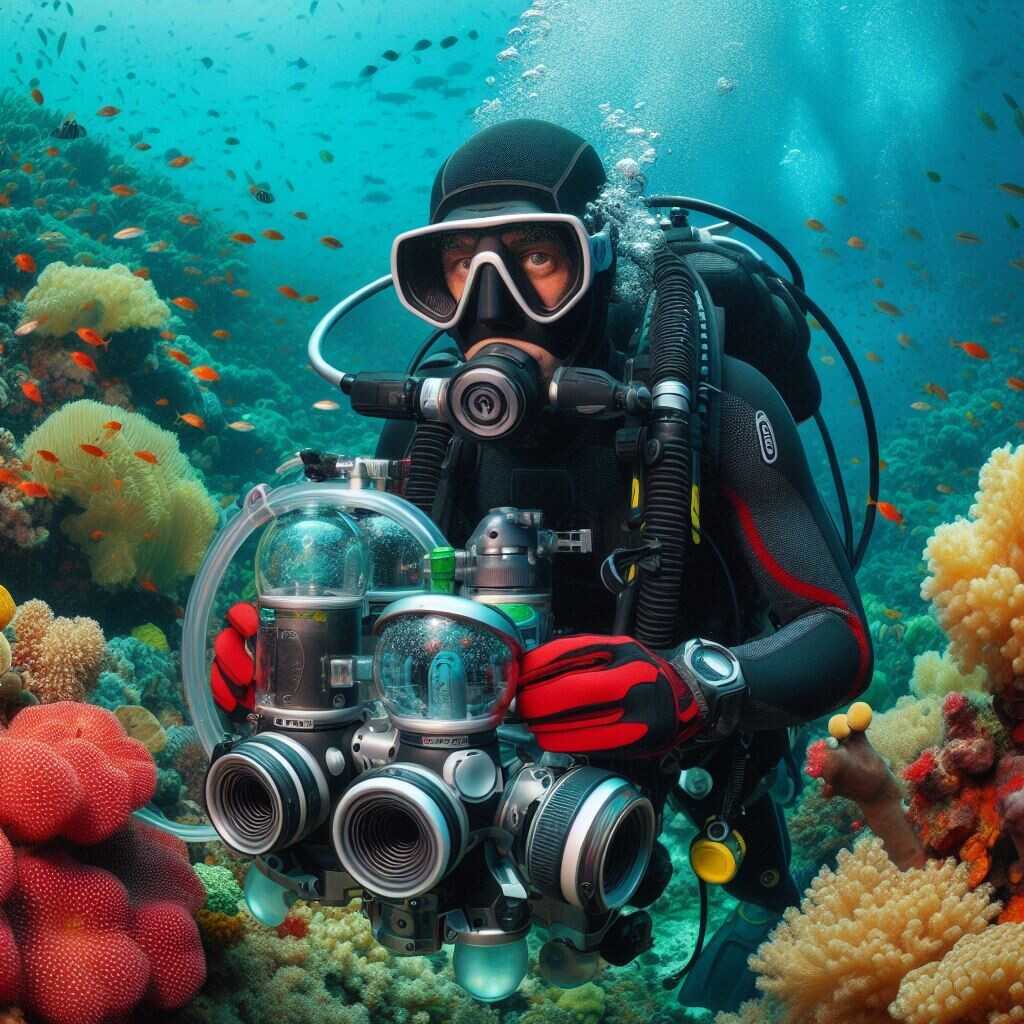
Budgeting and Skill Levels for a Successful Liveaboard Trip
When budgeting for a liveaboard trip, consider the duration, destination, included amenities, and level of comfort. Many trips offer all-inclusive packages covering meals and diving, while others have additional costs for equipment rental or excursions. Evaluate different liveaboard options to find the best fit for your diving experience levels. Each liveaboard caters to varied skill levels, from novice to advanced divers, ensuring everyone has a fulfilling experience. The average cost for a week-long liveaboard diving trip in 2025 typically ranges from $1,200 to $3,500. Understanding these factors helps you make informed decisions about your adventure.
Exploring Liveaboard Options for Different Skill Levels
Liveaboard trips provide various options to cater to different diving experience levels. Beginner-friendly trips often include additional training sessions and support from skilled instructors. This aids in building essential skills and confidence underwater. Advanced liveaboard trips focus on challenging dives in stunning locations, perfect for experienced divers seeking adventure. To enhance your experience, consider liveaboards that offer specific focuses, such as marine conservation or underwater photography, aligning with your interests and expertise. Always research and compare options to find the best fit for your comfort and enjoyment.
Key Numerical Insights About Dive Adventures
- A typical liveaboard trip lasts 7 to 14 days.
- Divers often log 15 to 20 dives during a week-long trip.
- Some trips cover remote locations over 200 miles from the nearest land.
- Liveaboard trips usually allow up to 5 hours of diving each day.
- A dedicated diver can spend around 70 hours underwater on a single trip.
- Liveaboards can cater to groups of 12 to 30 divers at a time.
- Approximately 70% of liveaboard trips feature unique dive sites not accessible from shore.

Important Safety Measures for Liveaboard Diving
Safety in diving is crucial, especially on liveaboard trips. Divers should follow essential safety measures that include pre-dive safety briefings, adherence to dive plans, and understanding emergency procedures. Reliable diving equipment, such as buoyancy control devices and underwater communication tools, enhances safety. Divers must also review their gear for any signs of wear or damage. The recommended maximum depth for recreational divers is 130 feet or 40 meters, ensuring safety during dives.
Understanding Emergency Procedures on Liveaboard Trips
Knowing emergency procedures is vital for liveaboard diving safety. Divers should familiarize themselves with the boat’s safety protocols, including the location of safety equipment like first aid kits and oxygen supplies. Each diver must participate in safety briefings, where guides explain how to respond to emergencies, such as decompression sickness or equipment malfunctions. Emergency procedures often include methods for notifying crew members underwater and during surface intervals. This understanding helps ensure that divers can respond swiftly and effectively in case of unexpected situations.

How to Select a Liveaboard that Fits Your Diving Style
Choosing the right liveaboard that suits your diving preferences starts with understanding your dive style. Casual divers might prefer a boat with relaxed itineraries and ample time for surface intervals. In contrast, technical divers often look for vessels equipped for deep dives with specialized support. Research available liveaboard options, focusing on different itineraries and the types of dive sites they visit. Compare onboard services such as dive instructors, gear rental, and food quality. Reading reviews from previous guests can provide helpful insights into their experiences while highlighting essential features that matter most to you.
Essential Features to Consider on a Liveaboard
When selecting a liveaboard, one should evaluate essential features that enhance your diving experience. Look for spacious and comfortable cabins, as these allow for relaxation after dives. Reliable compressors for tank refills ensure you have air for multiple dives each day. Quality dive operations like experienced instructors and safety equipment enhance your overall experience. Additionally, consider amenities such as hot showers, fresh meals, and relaxation areas. Boats equipped with tenders allow easy access to remote dive sites, optimizing your diving opportunities. Prioritize service quality and guest reviews to ensure a satisfying adventure.
Advantages of Exploring Undiscovered Dive Sites
- Divers enjoy the convenience of on-board accommodation and meals.
- Liveaboard trips provide maximum diving time and access to remote locations.
- Divers experience a variety of marine environments without traveling on land.
- Guided trips often feature expert dive instructors for safety.
- Liveaboards foster a strong community among divers with shared experiences.
- Essential dive equipment is usually included, reducing packing stress.
- Many liveaboards support sustainability initiatives, enhancing marine conservation.

Checklist of Essential Gear for Your Liveaboard Trip
To maximize your diving experience on a liveaboard trip, you need essential diving gear. Bring a well-fitted wetsuit or drysuit for the water temperature, snorkel gear, and a buoyancy control device (BCD). A reliable regulator and dive computer are crucial for measuring your dives. Don’t forget your diving safety equipment such as a first aid kit and a dive knife. An underwater camera gear will help you capture the stunning marine life. Ensure your gear is durable and tested for underwater conditions to enhance your overall experience.
Choosing the Right Wetsuit for Water Temperatures
Selecting the best wetsuit is vital for comfort during dives. Temperatures dictate your wetsuit thickness. In warm waters (above 75°F), a 2mm shorty wetsuit suffices. For temperate waters (68°F – 75°F), opt for a 3mm or 5mm wetsuit. In cold conditions (below 68°F), a 7mm wetsuit is essential. Each suit should feel comfortable, offer good flexibility, and be durable enough for multiple dives. Research wetsuit brands with reliable reviews from experienced divers to ensure you get the right wet suit for your trips.
Building Connections with Fellow Divers While Abroad
Liveaboard trips provide divers ample opportunities to connect and bond with fellow divers. Shared diving adventures often lead to lasting friendships, as divers learn from one another and share stories about their experiences. Activities such as group dives, photography sessions, and social nights on board can enhance these connections, making for a richer diving experience. Many trips include games or team challenges, which help to foster camaraderie and teamwork among divers. Being surrounded by like-minded individuals who share a passion for exploration allows for easy and meaningful conversations.
Key Activities to Foster Friendships During Liveaboard Trips
Group diving experiences are essential for building connections among divers. Activities such as guided night dives or underwater photography workshops not only improve diving skills but also create lasting bonds among participants. Social gatherings on the boat allow divers to share their adventures and showcase their best dives. Additionally, dining together at communal tables fosters a family-like atmosphere, making it easy for divers to converse and relax. These friendship-building activities create a supportive community, enriching both the diving experience and the memories created.
Exploring Popular Brands and Their Audiences for Diving Offers
- Liveaboard companies often target adventure travelers who want unique experiences.
- Some brands focus on families, offering child-friendly diving programs.
- Experienced divers prefer brands known for adventure trips to remote locations.
- Younger divers seek out brands promoting eco-friendly dive practices and equipment.
- Scuba instructors often recommend brands with strong safety records for novice divers.
- Established brands cater to couples looking for romantic diving getaways.
- Many brands appeal to marine conservation enthusiasts through eco-tours and educational insights.
Supporting Marine Conservation Efforts During Your Dive Trip
Divers can play a key role in marine conservation during their liveaboard trips. They can participate in organized beach cleanups, adopt responsible diving practices, and avoid touching or disturbing marine life. Support local conservation organizations by donating or volunteering, which enhances community efforts. Additionally, divers should consider eco-friendly products to minimize their environmental impact. Practicing buoyancy control helps protect fragile ecosystems by preventing damage to corals and underwater habitats.
Participating in Conservation Initiatives and Organizations
Diving enthusiasts can engage with various organizations focused on marine conservation. For example, groups like Project Aware, Ocean Conservancy, and the Marine Conservation Society actively work to protect ocean environments. Divers can join local chapters to participate in research and volunteer efforts. Supporting these organizations provides essential funding for their projects and raises awareness about crucial environmental issues. People can also consider participating in eco-certifications for dive operators that prioritize conservation.