
Explore the thrill of diving into captivating underwater caves with our guide to exciting dive sites. These unique environments offer incredible exploration opportunities for divers of all levels. Scuba Forge provides essential information on gear and safety for your adventurous journeys, helping you navigate the best cave diving experiences and making informed choices. Get ready to uncover the hidden wonders beneath the waves.
Unique Allure of Exploring Underwater Caves While Diving
Underwater caves provide divers with a thrilling experience due to their distinct environments. These caves often boast mesmerizing geological formations, such as stalactites and stalagmites, which captivate adventurers. The unique ecosystem within these caves allows for encounters with rare marine life, enhancing the dive experience. The seclusion of underwater caves makes them less crowded, offering divers a chance for tranquility and exploration. Reliable safety gear is crucial when venturing into these areas, as cave diving can present challenges that require specialized equipment and training.
Diverse Marine Life and Geological Features in Underwater Caves
Divers can expect to encounter a variety of marine life in underwater caves. Species like blind cave fish and colorful coral formations thrive in these unique habitats. Geological features such as submerged passages, ancient rock formations, and crystal-clear pools create stunning visuals that are exclusive to cave diving. Understanding the important features of reliable dive lights and sturdy wetsuits is essential for maximizing safety and enjoyment during these exploration adventures. Effective research ensures divers choose sites that provide the best immersion in nature’s underwater wonders.
Key Safety Guidelines for Cave Diving Adventures
Safety is vital in cave diving. Essential safety measures include adequate training, proper planning, and regular practice. Ensure that you have an experienced buddy. Check equipment before every dive. Essential gear includes reliable tanks, buoyancy devices, and powerful lights. You should always stick to the recommended dive depth limit of 130 feet for safety. This helps minimize risks while exploring underwater caves.
Understanding Equipment for Cave Diving Safety
Having the right equipment is crucial for cave diving safety. Key gear includes durable tanks designed to handle increased pressure. Buoyancy devices must be reliable and comfortable. Invest in bright lights that provide excellent visibility in dark caves. Underwater communication techniques can enhance safety by enabling divers to stay in contact. Regular maintenance practices keep your gear in top shape to handle cave conditions, which is essential for ensuring safety.
Essential Scuba Gear for Successful Cave Diving Experiences
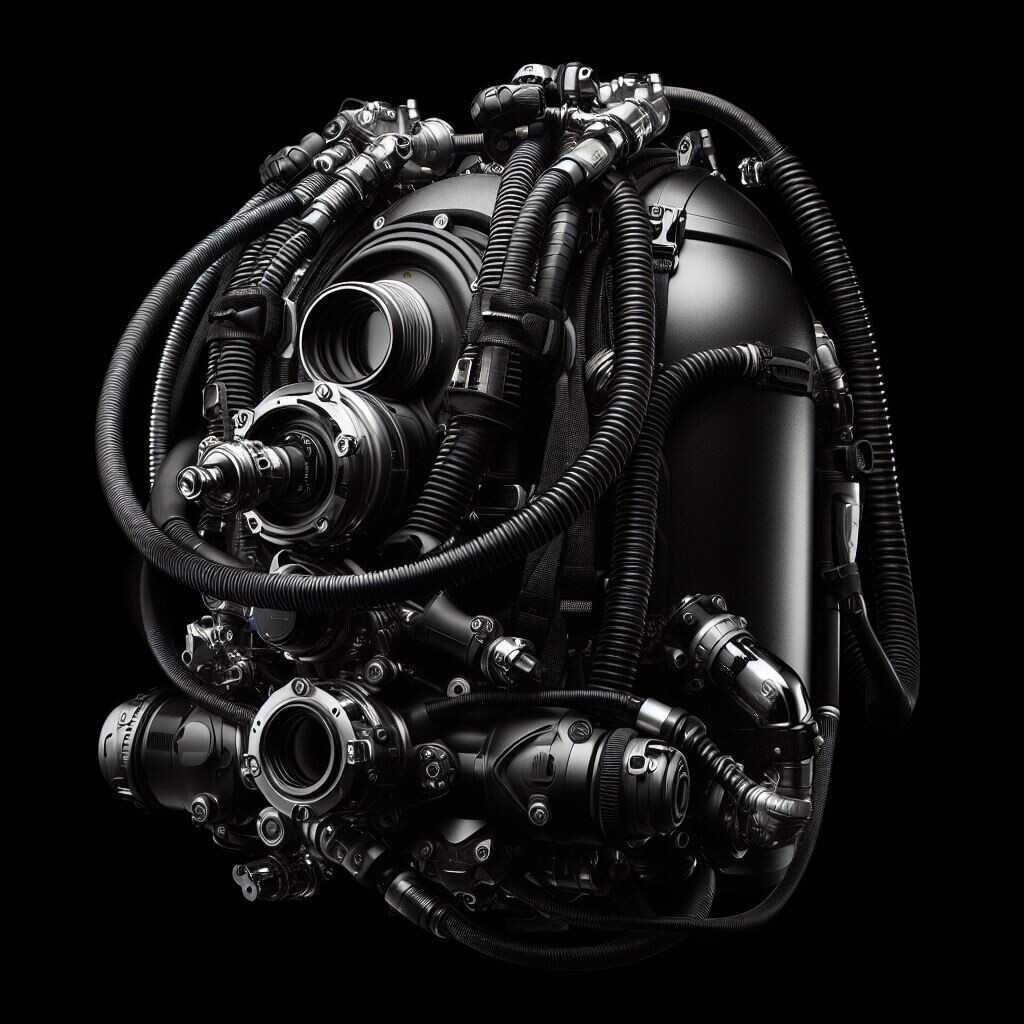
Essential scuba gear for cave diving includes reliable tanks, advanced regulators, sturdy BCDs, and specialized fins. Each piece enhances safety and performance in unique ways. Reliable tanks ensure sufficient air supply during dives. Advanced regulators provide consistent airflow, critical in confined cave spaces. Sturdy buoyancy control devices (BCDs) help divers maintain stability in tricky underwater environments. Specialized fins offer superior propulsion, allowing easy maneuverability, essential for navigating tight passages. This combination helps divers have a safe and enjoyable experience.
Key Features of Cave Diving Equipment
Cave diving equipment requires specific features for optimal performance. Reliable tanks should have a capacity between 80 to 120 cubic feet, accommodating extended dive times. Advanced regulators designed for cold water can handle varying temperatures, ensuring efficient air delivery. Sturdy BCDs with multiple attachment points improve gear organization, facilitating easier underwater navigation. Specialized fins with a larger blade surface area enhance thrust with minimal effort. These features provide divers with the performance needed to tackle challenging cave environments safely.
Interesting Metrics About Underwater Exploration Sites
- Over 60% of the world’s oceans remain unexplored.
- Approximately 25% of dive sites feature underwater cave systems.
- More than 30,000 registered cave diving sites exist worldwide.
- Deepest underwater cave, the “Henderson Cave,” reaches 200 meters.
- Only 1% of divers experience cave diving while the rest opt for open waters.
- Average temperature in underwater caves is around 10-15 degrees Celsius.
- Nearly 95% of underwater cave systems are found in limestone deposits.

How to Locate the Best Cave Diving Sites Globally
Divers can find the best cave diving sites by researching dive maps and local diving communities. Websites like Scuba Forge offer extensive reviews of popular locations. Engaging with global diving forums helps connect divers with others who share exploration interests. Notable cave diving destinations include the cenotes of Mexico, the Blue Hole in Belize, and the underwater caves in Florida. Each location has unique features and diving experiences. Explore local diving shops and associations for guided tours and additional resources.
Essential Resources for Locating Cave Diving Experiences
Cave divers should utilize dive maps and local communities to enhance their exploration. Websites with detailed dive maps highlight essential underwater caves and their specific entry points. Local dive shops often provide expert reviews and can recommend reliable tour operators. Joining social media groups also allows divers to share experiences and tips. Engaging with experienced divers ensures access to the best sites and improves safety. Researching past experiences through online forums provides valuable insights that enhance dive planning.

Anticipating Challenges While Diving in Underwater Caves
Cave diving presents specific challenges. Visibility issues are common due to silt and tight spaces. When exploring underwater caves, divers may experience reduced light, especially in deeper sections. Choosing the right gear, like powerful underwater lights, can enhance visibility. The physical demands include managing buoyancy and navigating currents. Understanding how to control your breathing and movement is essential. Complex underwater terrains require great navigation skills. Divers must stay aware of potential hazards like sharp rocks and sudden drops.
Essential Gear for Cave Navigation
Selecting the right diving gear enhances your ability to navigate underwater caves successfully. Essential items include a reliable light source, which allows for better visibility in dark environments. A sturdy wetsuit provides warmth and aids buoyancy control. High-quality fins improve mobility, making it easier to maneuver through narrow passages. A durable dive computer keeps track of air levels and depth, ensuring safe diving practices. Additionally, dive knives can be essential for freeing yourself from entanglements in complex underwater terrains. Investing in proven equipment improves overall performance, making your cave diving experience safer and more enjoyable.
Advantages of Exploring Submerged Caverns
- Cave diving offers unique and breathtaking scenery with stunning rock formations.
- Explorers encounter rare marine life adapted to cave ecosystems.
- This activity fosters teamwork and communication skills among divers.
- Diving into underwater caves enhances your overall diving experience.
- Cave diving provides a sense of accomplishment and adventure.
- It encourages physical fitness and improves diving skills.
- Cave diving allows for stunning underwater photography opportunities.

Necessary Training and Certifications for Cave Diving
Training is vital for safe cave diving. The key certification programs for cave diving include the National Speleological Society Cave Diving Section (NSS-CDS) certification and the Technical Diving International (TDI) Cave Diver certification. These programs teach essential diving skills such as navigation, buoyancy control, and emergency procedures. Many divers find it crucial to complete at least 20 hours of specific cave diving training to handle underwater environments safely. The experience gained through practical training significantly enhances reliability when navigating complex cave systems.
Essential Skills for Cave Divers
Cave diving requires divers to master several essential skills. These include advanced buoyancy control, situational awareness, and effective communication with dive partners. Divers must also learn to interpret cave maps and navigate using guidelines. Properly using safety gear such as tethers and lights enhances underwater exploration safety. These skills help divers respond effectively in emergencies, ensuring a safe and enjoyable experience in challenging environments. Completing hands-on training maximizes the chances of having reliable and enjoyable dive experiences.
Understanding Environmental Responsibility in Cave Diving
Environmental stewardship is essential for cave divers. Key practices include avoiding touching fragile formations and disturbing wildlife. Divers should use safe entry techniques that minimize sediment disturbance. Proper waste disposal, such as taking all trash out, protects cave ecosystems. Sustainable diving practices also involve using eco-friendly gear, which reduces environmental impact. Ensuring that gear is properly maintained enhances safety and performance while exploring these fragile environments. Responsibly sourced materials in dive equipment help protect underwater habitats. Current reports suggest that approximately 60% of cave divers regularly practice sustainable dive techniques.
How to Choose Eco-Friendly Diving Gear for Cave Exploration
Selecting eco-friendly diving gear is vital for responsible cave exploration. Look for equipment made from sustainable materials, such as recycled plastics or biopolymers. Reviews of eco-conscious gear often highlight performance without compromising safety. Consider products with durable designs that minimize waste and environmental impact. Using gear that is proven to have low environmental repercussions helps protect delicate ecosystems. Check for certifications like Green Seal or similar, which indicate reliable eco-friendliness. Engaging with brands like Scuba Forge can provide insights through thorough gear reviews to support informed choices.
Target Audiences for Submersible Excursions
- Cave diving beginners often seek guidance on safety and techniques.
- Experienced divers look for new challenges in underwater exploration.
- Adventure seekers are drawn to the thrill of exploring hidden caverns.
- Underwater photographers aim for astonishing shots of mysterious caves.
- Environmental organizations advocate for sustainable diving practices.
- Scuba gear researchers analyze equipment suitable for cave conditions.
- Travel enthusiasts plan trips to famous cave diving destinations for new experiences.
Building Connections in the Cave Diving Community
Connecting with the cave diving community is essential for sharing experiences and gaining valuable insights. Platforms like social media groups, dedicated forums, and local dive clubs provide abundant opportunities for divers. Websites like DiveBuddy and ScubaBoard host forums where divers share reviews and recommendations. These platforms help reduce the learning curve for beginners and enhance their diving knowledge through peer support. Exploring professional organizations such as the National Speleological Society Cave Diving Section can offer mentorship opportunities, connecting newbies with seasoned divers who can provide guidance and essential safety tips.
Finding Mentorship in Cave Diving
Finding a reliable mentor can significantly enhance your cave diving experience. Organizations such as the National Association for Cave Diving and the Cave Divers Association often hold workshops and training events. These gatherings are designed to connect beginners with experienced divers. Mentorship provides essential insights into safe diving practices, gear recommendations, and effective strategies for challenging underwater environments. Participating in local dive clubs or online communities like Facebook groups focused on cave diving can also lead to mentorship opportunities. Engaging in these platforms is a great way to find reliable mentors who guide you through the specifics of cave diving.