
Explore dive destinations with diverse ecosystems for unique experiences that can transform your underwater adventures. From vibrant coral reefs to mysterious shipwrecks, each ecosystem offers its own set of wonders waiting to be discovered. Scuba Forge provides valuable insights and recommendations to help you find the perfect dive spots that cater to your interests. Our focus on unbiased gear reviews and environmental sustainability will support your journey towards unforgettable diving experiences.
Importance of Ecosystem Diversity for Scuba Diving
Ecosystem diversity is crucial for scuba divers because it enhances marine biodiversity and creates varied underwater experiences. Different habitats, like coral reefs, kelp forests, and wrecks, feature unique flora and fauna that contribute to the excitement of diving. Exploring these diverse ecosystems helps divers witness various species interactions and environmental adaptations, enriching their underwater adventures. Research shows that healthy ecosystems support vibrant marine life, which divers seek. Proximity to diverse underwater habitats allows divers to see changes, ensuring fresh experiences every time they dive.
Diving in Diverse Ecosystems
Diving in diverse ecosystems provides exceptional experiences for every diver. Coral reefs are known for their stunning colors and rich biodiversity, hosting thousands of species. Kelp forests provide a unique environment teeming with marine life, sheltering fish and invertebrates. Mangroves offer nurseries for young marine creatures, showcasing a different side of marine ecosystems. Each of these environments delivers unique challenges and views, enabling divers to build a rich tapestry of underwater experiences. Engaging with the variety of habitats allows for deeper appreciation of marine life’s reliability on these ecosystems.
Main Types of Underwater Ecosystems for Divers
Coral reefs, kelp forests, and mangroves each present unique characteristics for divers. Coral reefs, known for their vibrant colors, support diverse marine life from fish to mollusks, making them essential for marine biodiversity. Kelp forests, with towering kelp plants, provide a habitat for species like sea otters and various fish. Mangrove habitats are crucial as they serve as breeding grounds for many species and help stabilize coastlines. By understanding these underwater ecosystems, divers can choose locations that enhance their diving experiences.
Exploring Kelp Forest Diving Opportunities
Kelp forest diving offers divers an immersive experience within rich underwater landscapes. The dense kelp can grow up to 100 feet tall, providing shelter and feeding areas for marine life. Divers often encounter sea lions, colorful fish, and unique invertebrates. The water is generally colder, requiring appropriate thermal gear. Visibility can vary, enhancing the adventure as divers navigate through vibrant underwater forests. Kelp forests are also valuable for ecological studies, promoting awareness of marine conservation. Consider diving in areas like California or British Columbia for spectacular kelp forest encounters.

Advantages of Exploring Multiple Ecosystems While Diving
Diving in diverse ecosystems enhances your experience with greater marine life encounters. Each ecosystem, whether it’s a coral reef, wreck site, or kelp forest, provides unique species and formations. Exploring multiple underwater environments helps divers appreciate the beauty of marine biodiversity. This diversity leads to richer diving experiences and increases the potential for witnessing rare species. Research indicates that regions with varied habitats support more than 800 species of fish per square kilometer, showcasing the importance of preserving these areas for future diversification.
Top Dive Destinations for Diverse Ecosystems
Some of the best dive destinations include the Great Barrier Reef, which showcases vibrant coral communities, and the Bahamas, known for its stunning blue holes and diverse aquatic life. The Red Sea offers spectacular visibility and colorful reef systems filled with unique species. In addition, the waters around Indonesia, often referred to as the Coral Triangle, boast the highest marine biodiversity in the world. Divers can expect encounters with everything from turtles to elusive mantas. Each location provides a variety of unique diving experiences, highlighting the importance of environmental sustainability.
Key Statistical Insights for Divers
- Over 70% of the Earth’s surface is covered by water, offering countless dive sites.
- Coral reefs hold about 25% of marine species despite covering less than 1% of the ocean floor.
- Approximately 3 million recreational divers explore underwater globally each year.
- Palau and its diverse ecosystem attract thousands of divers annually.
- Only 10% of the ocean has been explored, leaving vast areas for divers to discover.
- Up to 80% of ocean life exists at depths below 650 feet, creating unique dive opportunities.
- Diving in diverse ecosystems can enhance diver skills significantly, offering growth opportunities.
Must-Visit Destinations for Diverse Diving Ecosystems
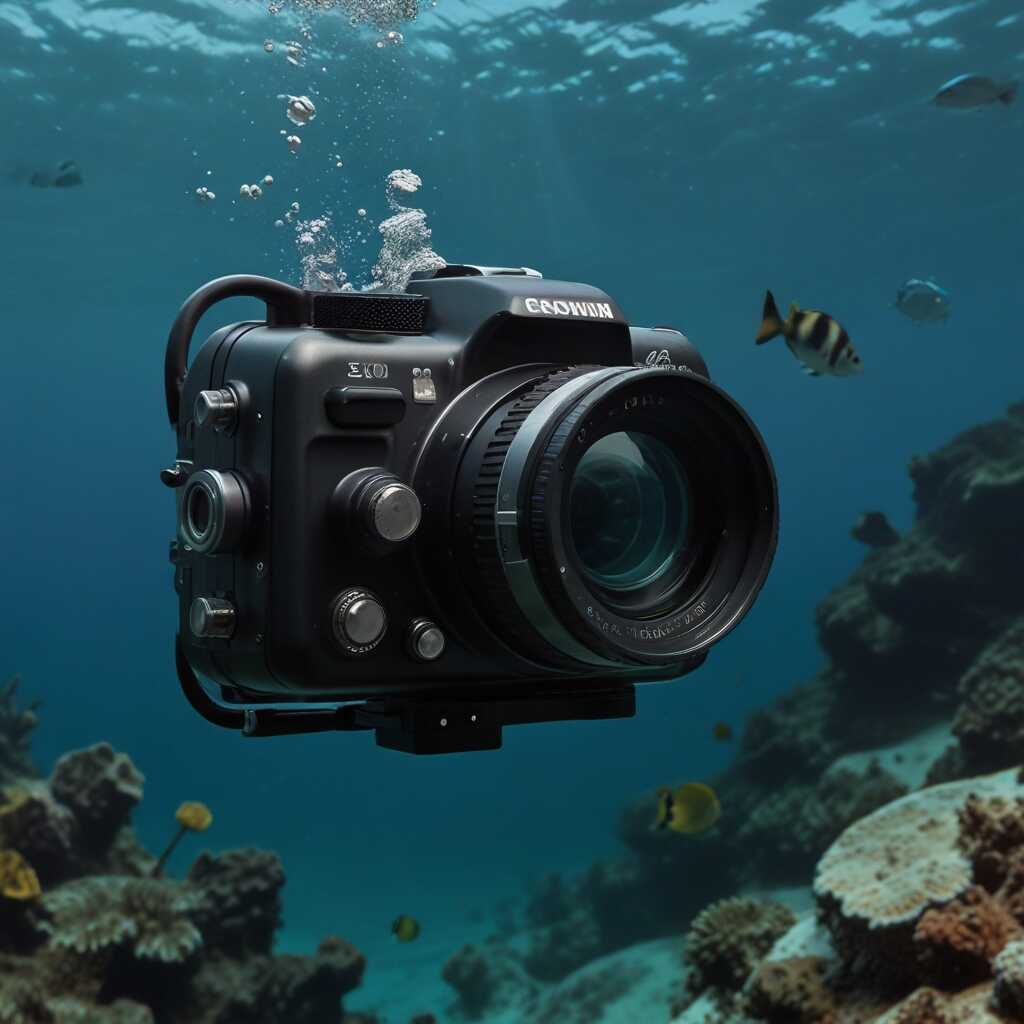
Some top dive destinations known for their diverse underwater ecosystems include the Great Barrier Reef in Australia, the Red Sea in Egypt, and the Galápagos Islands in Ecuador. These locations offer unforgettable marine life experiences, coral reefs, and a variety of underwater habitats. Regions such as the Coral Triangle in Southeast Asia are renowned for rich biodiversity. The Great Barrier Reef itself has over 400 distinct coral species and countless fish varieties, providing divers with unique features at every dive site.
Dive Experiences Across Varied Marine Ecosystems
Dive destinations like the Maldives, Belize Barrier Reef, and Raja Ampat are famous for their impressive marine biodiversity. The Maldives is known for clear waters, abundant coral reefs, and a multitude of fish species. Belize Barrier Reef offers a unique combination of marine life, such as nurse sharks and manatees. Raja Ampat features over 1,500 species of fish and 600 species of coral, making it one of the most biodiverse marine environments. Each location delivers a distinct diving experience, ensuring divers encounter rich underwater ecosystems.

Choosing the Right Equipment for Unexplored Ecosystems
Diving in varying ecosystems requires specialized equipment tailored to specific conditions. For coral reef diving, essential gear includes a lightweight wetsuit, reef-safe sunscreen, and a durable diving mask that provides a wide field of view. Kelp forest diving necessitates robust fins for maneuverability and a drysuit for warmth. Drysuits should have features like seals at the wrist and neck to prevent water entry, ensuring comfort and protection in colder waters. When choosing masks, consider designs that accommodate different visibility needs with options like prescription lenses or corrective features.
Essential Features of Drysuits for Cold Water Diving
When selecting a drysuit for cold water diving, focus on the material and fit. Neoprene and trilaminate are popular choices, with trilaminate offering great flexibility and lower weight. Look for suits with reinforced knees and elbows for durability. A suit that includes built-in insulation will enhance warmth. Ensure the drysuit has an adjustable neck seal for comfort and to prevent water infiltration. Additionally, an integrated inflator or exhaust valve can improve your diving experience, allowing for easy buoyancy control while exploring cold underwater environments.
Advantages of Diving in Varied Aquatic Environments
- Diverse ecosystems provide a wider range of marine life encounters for divers.
- Dive trips to unique locations often promote environmental awareness and conservation efforts.
- Exploring varied ecosystems enhances the thrill and excitement of underwater adventures.
- Diving in places like the Great Barrier Reef offers breath-taking views and experiences.
- Access to different diving conditions improves a diver’s adaptability and confidence.
- Engaging with diverse environments fosters a deeper connection to marine conservation.
- Varied ecosystems can offer both relaxing and challenging dives for all skill levels.

Environmental Stewardship for Responsible Diving
Responsible diving is essential for protecting diverse marine ecosystems. Adopting best practices includes avoiding contact with coral reefs, not disturbing marine life, and ensuring that trash is removed. Divers should also use eco-friendly diving equipment to reduce their impact. Joining organizations that promote environmental stewardship helps reinforce commitment to sustainable practices. Engaging in underwater conservation efforts maintains marine habitats, enhancing their resilience.
Essential Practices for Eco-Friendly Diving
Eco-friendly diving focuses on minimizing environmental damage while enjoying underwater experiences. Divers should participate in local clean-up events to enhance marine cleanliness. Properly using biodegradable sunblock protects aquatic life from harmful chemicals. Training in buoyancy control prevents accidental damage to delicate ecosystems. Advocating for marine protected areas is crucial, as these areas, which number over 15,000 globally, safeguard habitats and biodiversity. By practicing these techniques, divers can effectively contribute to underwater conservation efforts.
Planning Dive Trips Across Multiple Ecosystems
When planning multi-ecosystem dive trips, consider logistics such as travel routes, dive regulations, and required permits. Ensure to research seasonal considerations for each ecosystem. Dive destinations like Belize, the Great Barrier Reef, and the Caribbean offer diverse marine life and unique features. Ideally, spring and fall provide the best conditions to explore contrasting underwater habitats. These timings help divers experience rich biodiversity and clear waters.
Dive Destinations with Exceptional Ecosystem Diversity
Many destinations provide amazing multi-ecosystem experiences. Belize features barrier reefs, mangroves, and coastal environments, ensuring a wide variety of marine life. The Great Barrier Reef offers coral gardens, underwater canyons, and sandy plains, making it an excellent choice for diverse diving. The Maldives presents atolls, lagoons, and vibrant reefs. Research these destinations to ensure optimal timing, enhancing the opportunities to see unique marine species and beautiful underwater landscapes. Understanding seasonal patterns helps you plan dives that maximize your experiences in these incredible ecosystems.
Popular Platforms for Engaging Dive Experiences
- Scuba Forge provides unbiased gear reviews helping divers make informed choices.
- Local dive shops often offer tailored experiences for specific environmental conditions.
- Online forums connect divers, sharing insights about unique dive destinations worldwide.
- Travel agencies focus on dive travel, arranging trips to eco-diving hotspots.
- Dive instructors offer personalized guidance to improve skills in various ecosystems.
- Groups based on skill level often plan diverse trips, catering to beginners and experts.
- Environmental organizations run diving programs aimed at boosting awareness and conservation.
Diving Community Experiences and Insights
Divers often share unique experiences that provide insights into their adventures across various ecosystems. Many recommend the vibrant reefs of the Great Barrier Reef in Australia for stunning marine life encounters. Others frequently mention the incredible underwater caves in Mexico, which offer a surreal diving experience. Personal stories highlight encounters with manta rays, sea turtles, and colorful coral gardens. Each community member’s review helps enhance the trip planning for new divers and seasoned travelers. Insights from reliable sources enable divers to understand what to expect and how to prepare effectively for their next diving adventure.
Diving Ecosystem Recommendations Shared by the Community
Divers frequently discuss their top recommendations for ecosystems that provide thrilling adventures. The Caribbean is often highlighted for its warm waters and abundant sea life, making it an ideal spot for divers of all skill levels. The islands of Bonaire and Cozumel receive high ratings for their excellent visibility and well-preserved coral reefs. Southeast Asia is also popular, with diving spots like Thailand and the Philippines, where divers can experience impressive biodiversity. Reviews from divers emphasize the comfort and accessibility of these locations, ensuring that every dive provides great enjoyment and a memorable experience.