
Exploring diverse dive destinations opens the door to unique underwater adventures around the globe. Each dive site offers its own charm, rich marine life, and stunning environments waiting to be discovered. At Scuba Forge, we guide divers in finding the best destinations and gear to enhance these thrilling experiences. Join us as we embark on an exploration of the world’s top dive sites, ensuring you are well-prepared for all your underwater adventures.
Exploring the Value of Diverse Dive Destinations
Diverse dive destinations offer a range of experiences that significantly enhance underwater adventures. Each location presents unique dive sites, from vibrant coral reefs to intriguing wrecks. This variety introduces different marine life encounters, ensuring that every dive remains exciting. Exploring diverse sites enables divers to experience various underwater environments, enhancing their overall diving experience. In 2025, divers can expect to discover an increased number of unique dive locations around the world, which will further enrich their adventure.
Understanding the Types of Dive Sites
Divers can explore several types of dive sites, each designed to provide different experiences. Popular dive types include shipwrecks, coral reefs, caves, and wall dives. Shipwrecks often serve as artificial reefs, attracting diverse marine life. Coral reefs showcase breathtaking ecosystems, while caves offer thrilling exploration. Wall dives allow divers to explore steep drop-offs filled with vibrant marine life. Selecting a dive destination with a variety of these sites ensures divers have the best opportunities for memorable underwater adventures.
Diving into the Different Types of Dive Sites
Dive sites offer a range of underwater experiences, each with unique characteristics. Wreck dives are fascinating because they allow divers to explore submerged ships and planes from history. Reef diving provides vibrant ecosystems teeming with marine life, enhancing the underwater adventure. Cave dives open up a mysterious world with stunning rock formations and aquatic habitats. Knowing these features improves appreciation for each dive site. Globally, there are more than 3,000 recognized wreck dive locations, making them a popular choice for experienced and novice divers alike.
Understanding Wreck Diving: Historical Treasures Await
Wreck diving is an exhilarating form of exploration that allows divers to witness history beneath the waves. These sites often contain sunken ships, aircraft, and other artifacts, providing a unique glimpse into the past. Popular wreck dive locations include the USS Indiana in the Caribbean and the Yongala in Australia. These dives reveal structural remnants and marine life that have colonized over time. Divers can experience a mix of adventure and learning, making each dive a profound journey into maritime history.
Essential Tips for Selecting Varied Dive Destinations
Selecting dive destinations with varied dive sites requires careful consideration. Divers should focus on criteria such as water conditions, marine life diversity, environmental regulations, and local dive shop reliability. Experienced divers benefit from seeking out locations that include wreck dives, reef dives, and cave dives. These varied options enhance the underwater experience and provide opportunities to see different environments. For example, locations like the Great Barrier Reef, Maldives, and Florida Keys offer great diving destination variety along with local expertise that can help divers feel secure in their underwater adventures. Divers can expect to find over ten unique dive experiences at popular destinations known for varied dive site options.
Top Locations for Mixed Dive Experiences
Some of the best locations for mixed dive experiences include the Red Sea in Egypt, Belize Barrier Reef, and Cozumel in Mexico. Each spot is designed to provide easy access to multiple dive environments. In the Red Sea, divers can enjoy pristine coral reefs alongside shipwrecks, offering a reliable combination of marine life encounters. Belize’s dive sites allow exploration of both stunning blue holes and vibrant reefs, ensuring quality underwater adventures. Cozumel’s clear waters enhance visibility, making it ideal for photographers and adventure seekers. Researching current dive reviews from experts on these locations will provide detailed insights into dive conditions and marine biodiversity, ensuring every dive trip is memorable.
Measurable Highlights of Adventurous Locations
- Over 3,000 dive sites exist worldwide, each offering unique underwater views.
- Coral reefs cover about 284,300 square kilometers of the ocean floor.
- Blue holes can reach depths of up to 300 meters, revealing stunning marine life.
- Each year, divers contribute around $11 billion to global tourism through underwater trips.
- Many dive sites host over 1,000 species of fish, showcasing marine biodiversity.
- Scuba divers can reach depths below 40 meters at specialized dive locations.
- Advanced certifications allow divers to explore at depths of 60 meters or more.

Understanding the Benefits of Diverse Underwater Environments
Exploring diverse underwater environments enhances enjoyment and safety during dives. Each ecosystem offers unique elements like coral reefs, kelp forests, and shipwrecks, providing divers with varied experiences. Engaging with multiple landscapes improves environmental awareness and encourages better diving habits. Different ecosystems offer different challenges and learning opportunities, ensuring divers remain vigilant and adaptable. Understanding these elements allows divers to make informed choices about gear and techniques tailored for each environment.
Types of Underwater Ecosystems to Explore
Divers should explore underwater ecosystems such as shallow reefs, deep-sea environments, and freshwater lakes. Shallow reefs are teeming with biodiversity, offering excellent visibility and vibrant marine life. Deep-sea environments present unique challenges, requiring specialized gear to handle pressure and temperature fluctuations. Freshwater lakes provide a different experience, often featuring unique plant life and calmer conditions. Each ecosystem requires tailored strategies, ensuring divers use appropriate gear for safety and enjoyment.

Important Safety Guidelines for Diverse Diving Conditions
Understanding vital safety precautions can enhance your diving experience and prevent accidents. Check dive conditions before entering any site. Always dive within your certification level. Use reliable equipment designed for specific underwater environments. Regularly review and test your gear to ensure optimal performance. It’s essential to have a dive buddy for safety. Communication underwater is crucial. Always establish clear signals before diving. Popular diving sites may require specific gear, so research their unique conditions. Also, know the local marine life to avoid dangerous encounters. Properly learning these guidelines builds confidence while diving.
Essential Diving Equipment for Various Conditions
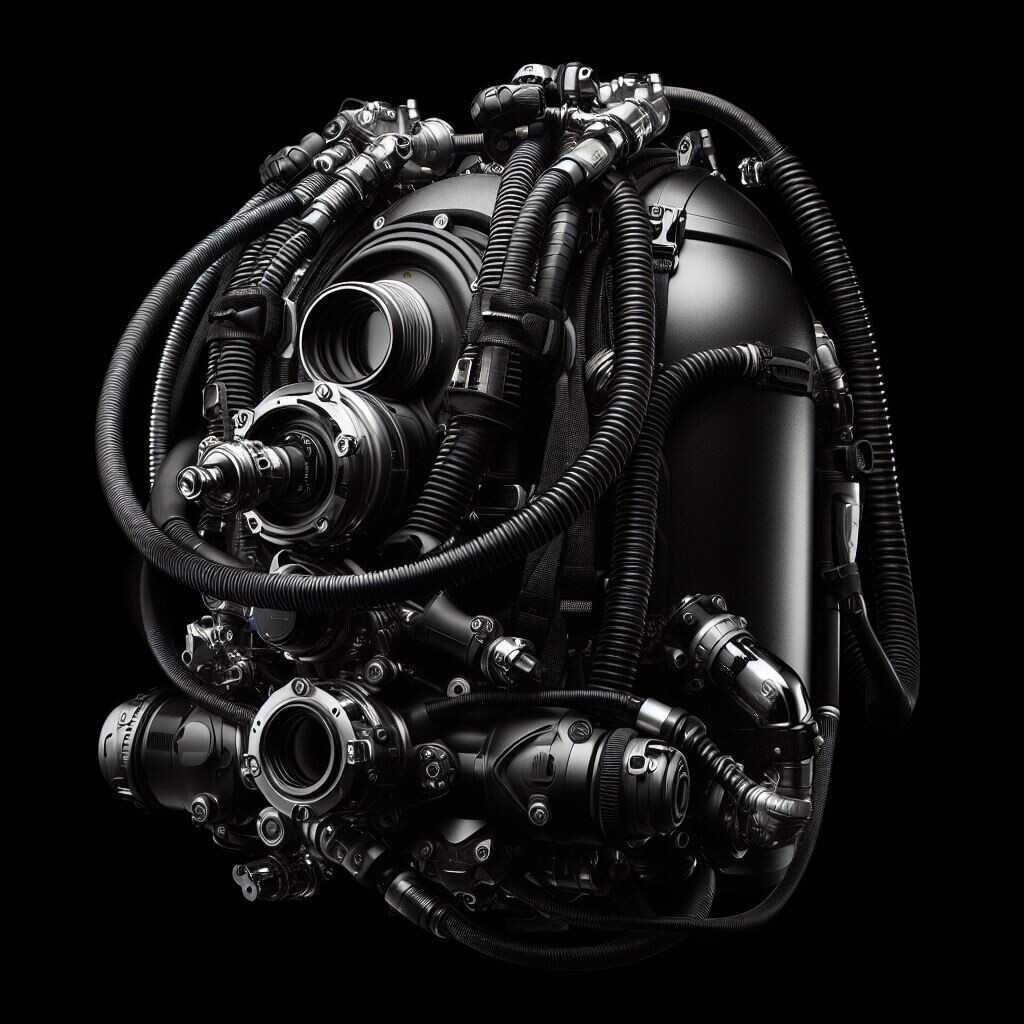
Essential diving equipment includes reliable masks, fins, and wetsuits designed for specific water temperatures and conditions. A buoyancy control device (BCD) helps maintain stability underwater, while a regulator ensures an easy breathing experience. Always consider skill level before selecting equipment. For deep or wreck dives, specialized gear like dive computers and safety floats enhances safety. Regularly review your equipment’s condition and compare performance with proven models. A well-maintained gear setup directly contributes to a comfortable diving experience. Scuba Forge reviews gear extensively, delivering data-driven insights for selecting the best equipment for every diving adventure.
Advantages of Different Underwater Exploration Spots
- Diverse sites cater to all experience levels, ensuring safety and enjoyment.
- Unique underwater adventures promote marine conservation awareness.
- Some locations offer awe-inspiring wreck dives, rich in history.
- Adventurous destinations provide divers with vibrant coral gardens to explore.
- Specialized trips allow divers to interact with wildlife in their natural habitats.
- Adventurers can experience stunning underwater visibility for clearer views.
- Share experiences with fellow divers from around the globe at popular spots.

How Equipment Influences Diving in Different Environments
Understanding dive site types greatly influences equipment choice for divers. Different environments require specific gear to ensure safety and performance. For instance, diving in wrecks demands reliable light sources and buoyancy devices to navigate safely. In contrast, reef diving emphasizes sturdy fins and masks tailored for visibility. Cold water diving requires dry suits that provide insulation and comfort. Furthermore, knowing about gear compatibility enhances diving efficiency, as mismatched equipment can lead to discomfort and safety risks. According to current research, recreational divers should use equipment designed for maximum depths not exceeding 40 meters, ensuring that gear meets durability and performance standards.
Essential Features of Equipment for Diverse Dive Environments
Choosing the right equipment for specific dive environments involves understanding their unique challenges. Wreck diving gear should include durable lights and reliable buoyancy control devices to handle potential hazards. For divers exploring reefs, equipment with excellent visibility features like high-quality masks and fins that provide propulsion and stability is essential. Caves present challenges requiring specialized gear such as full-face masks and backup lights for safety. Cold water divers need equipment with insulation properties, including dry suits that retain heat and keep divers comfortable. Identifying these essential features helps divers enhance their underwater efficiency and ensures a safer diving adventure.
Effective Planning for Multi-Site Dive Trips
When planning a multi-site dive trip, research is key. Start by selecting dive destinations that cater to your skill level and interests. Compare various dive sites, considering factors like accessibility, marine life diversity, and seasonal conditions. Essential gear recommendations enhance your experience across different locations. Budget for transportation, accommodations, and dive costs, ensuring you stay within your means. In 2025, the average cost of a multi-site dive trip can range from $1,500 to $4,000, depending on location and amenities.
Choosing the Right Dive Destinations
Choosing the right dive destinations involves evaluating various sites based on underwater experiences. Popular choices include the Great Barrier Reef, Caribbean locations like Cozumel, and the Red Sea. These places provide access to vibrant marine life and unique topographies. Research the best times to dive at each site to maximize your experience. Reliability of dive operators and their equipment, safety features, and environmental practices are crucial. This careful selection ensures that your adventure is both memorable and environmentally responsible.
Brands and Their Target Audience for Dive Enthusiasts
- ScubaPro appeals to professionals with high-performance gear options.
- Aqualung attracts beginners with user-friendly equipment and reliable designs.
- Mares serves adventurous divers looking for innovative features.
- Many instructors prefer Cressi for its durable, versatile gear.
- Sharks and reef fish attract marine photographers and videographers.
- Environmentalists appreciate brands that emphasize sustainability in production.
- Resort operators often choose rentals from brands with excellent service records.
Learning from the Diving Community’s Varied Experiences
Personal stories from the diving community highlight the diverse experiences divers have encountered. From the vibrant coral reefs of the Great Barrier Reef to the mysterious shipwrecks in the Caribbean, each destination offers unique tales. Divers share their insights on the varying conditions and wildlife they encountered, enhancing the knowledge base for future adventurers. Comparisons reveal which sites are known for reliability and safety, making them ideal for new divers or experienced professionals. According to community data, over 150 unique dive sites have been shared, offering a wealth of options for exploration.
Dive Destinations and Their Unique Features
Dive destinations vary significantly in features and conditions. For example, the vibrant marine life of the Red Sea provides an exceptional experience for divers seeking colorful corals and abundant fish populations. In contrast, diving in the cold waters of British Columbia offers stunning kelp forests and the chance to encounter diverse marine mammals. Each location has its own set of guidelines and recommended gear for optimal performance underwater. Community reviews emphasize that proper gear comparisons and understanding local conditions can greatly enhance the overall diving experience.