
Mastering air consumption techniques is essential for extending dive times and enhancing exploration underwater. By optimizing how much air you use while diving, you can safely increase your adventure duration and discover more underwater treasures. Scuba Forge provides valuable insights and strategies to help divers of all levels improve their air management skills. These techniques promote safe diving practices and encourage an enjoyable experience in the world beneath the waves.
Introduction to Air Consumption and Diving Essentials
Air consumption refers to the amount of air a diver uses while underwater. Understanding air consumption is essential for extending dive times. Lower air consumption rates allow divers to stay submerged longer. Factors affecting air consumption include depth, swimming activity, and stress levels. Different diving equipment, such as regulators and tanks, significantly impacts air consumption rates. A more efficient regulator can help optimize air usage, enabling longer dives. The average air consumption rate for recreational divers typically ranges from 15 to 25 liters per minute, depending on the diver’s experience and activity level.
Understanding Air Consumption Rates
Understanding air consumption rates begins with recognizing how body activity affects your breathing underwater. Active movements, such as swimming against currents, can increase your air consumption significantly. Divers who maintain a relaxed and streamlined position use less air compared to those who swim energetically. Efficient breathing techniques are equally vital. Slow, deep breaths will help maximize oxygen intake, extending dive times. Additionally, using high-quality, reliable diving gear enhances comfort and minimizes exertion, lowering air consumption rates. Regular testing and comparison of equipment will ensure you find the best performing systems for your diving style.
Key Factors Affecting Air Consumption in Diverse Conditions
Several factors influence air consumption underwater. Physical effort plays a significant role; the more you exert yourself, the more air you will use. For example, strong currents require additional effort to maintain position, resulting in higher consumption rates. The diving environment also impacts air usage. Warmer waters may lead to longer dives, while colder waters demand more energy to keep warm. Scuba diving gear can affect efficiency as well; well-fitted masks and wetsuits allow for easier movement and better breathing performance. Lastly, deeper dives generally result in increased consumption due to the effects of pressure on breathing. Studies show that divers can consume anywhere from 10 to 20 liters of air per minute depending on these factors.
Optimizing Your Gear for Maximum Air Efficiency
Choosing the right scuba diving gear is crucial for optimizing air efficiency. A streamlined wetsuit minimizes drag underwater, allowing divers to swim more easily. High-quality regulators provide consistent airflow, reducing the effort needed to inhale. Masks that fit well not only improve visibility but also lessen the chances of discomfort that can lead to increased breathing rates. When selecting a BCD, ensure it supports your breathing without being overinflated. Properly maintaining gear according to expert reviews guarantees reliable performance. Regular testing and comparisons of diving gear help ensure you are using the best equipment designed for your diving needs. This focus on quality and efficiency enables divers to enhance their overall underwater experience.
Proven Breathing Techniques to Enhance Air Efficiency
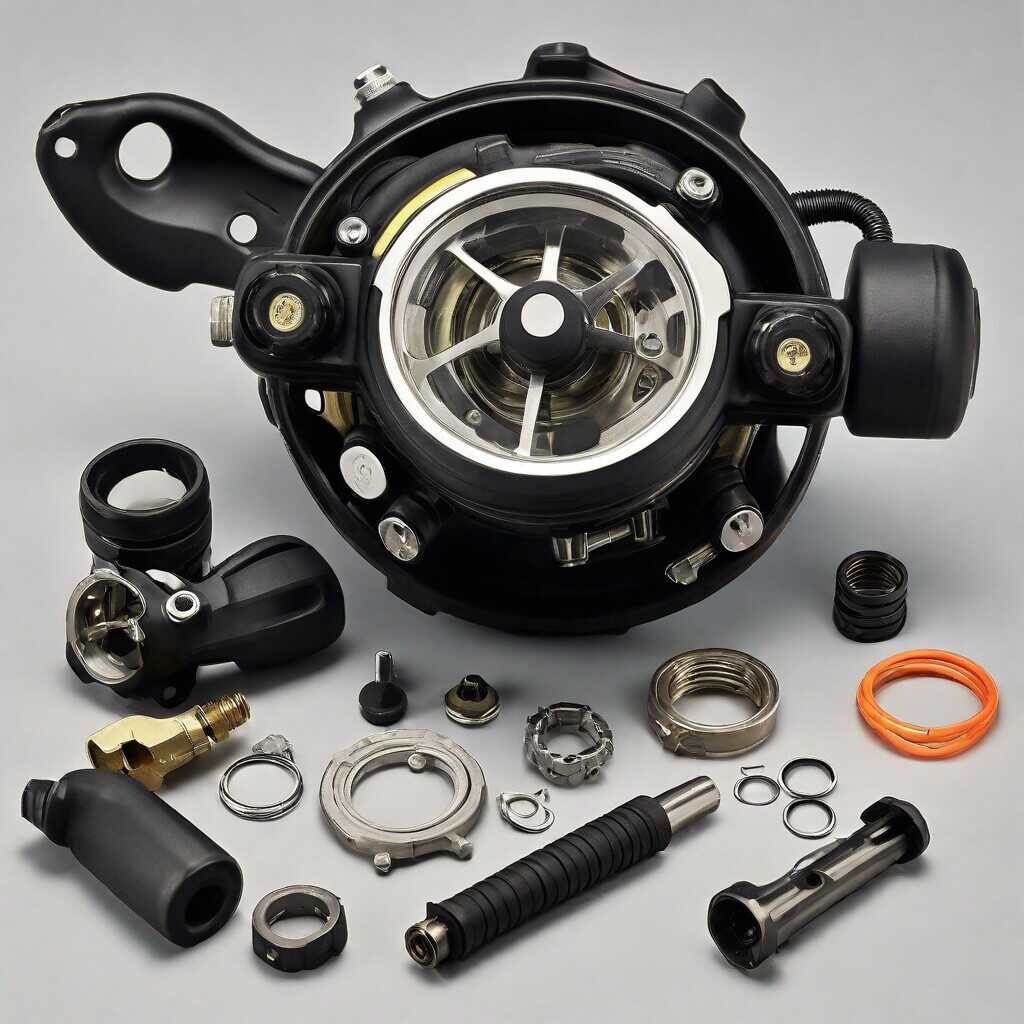
Divers can adopt several breathing techniques to optimize their air consumption. These include slow, deep inhalations and controlled exhalations. Using a rhythmic breathing pattern helps regulate air use. Practicing diaphragmatic breathing allows for deeper lung capacity, enhancing air efficiency. Additionally, maintaining a relaxed state during dives improves overall comfort. Divers report an average percentage reduction of 20 to 30 percent in air consumption when utilizing these effective breathing methods. Graduating from shallow rapid breaths to steady full breaths leads to significant enhancements in dive time.
Understanding Diaphragmatic Breathing for Divers
Diaphragmatic breathing is a crucial technique for scuba divers. This method involves using the diaphragm instead of the chest to draw air. This approach maximizes lung capacity, allowing for greater oxygen intake. By focusing on deep belly breaths, divers can increase air efficiency by up to 30 percent. Practicing this technique on land can improve comfort underwater. Divers should integrate this method during pre-dive training sessions to enhance their performance in water. Consistent practice ensures that diaphragmatic breathing becomes second nature, allowing divers to enjoy longer dives and better exploration.
Key Numerical Insights on Air Usage Underwater
- Divers can consume 20-40% less air with proper techniques.
- Optimal breathing can extend dive times by up to 30 minutes.
- Reducing speed underwater can save 1-2 liters of air per minute.
- Average tank holds 80 cubic feet of air; this supports about 60-70 minutes of diving.
- Mastering air consumption can increase dive time by 50% or more.
- Dives below 30 feet often require less air; this extends exploration time.
- Effective buoyancy control can reduce air usage by up to 25%.
Selecting Optimal Equipment for Efficient Breathing
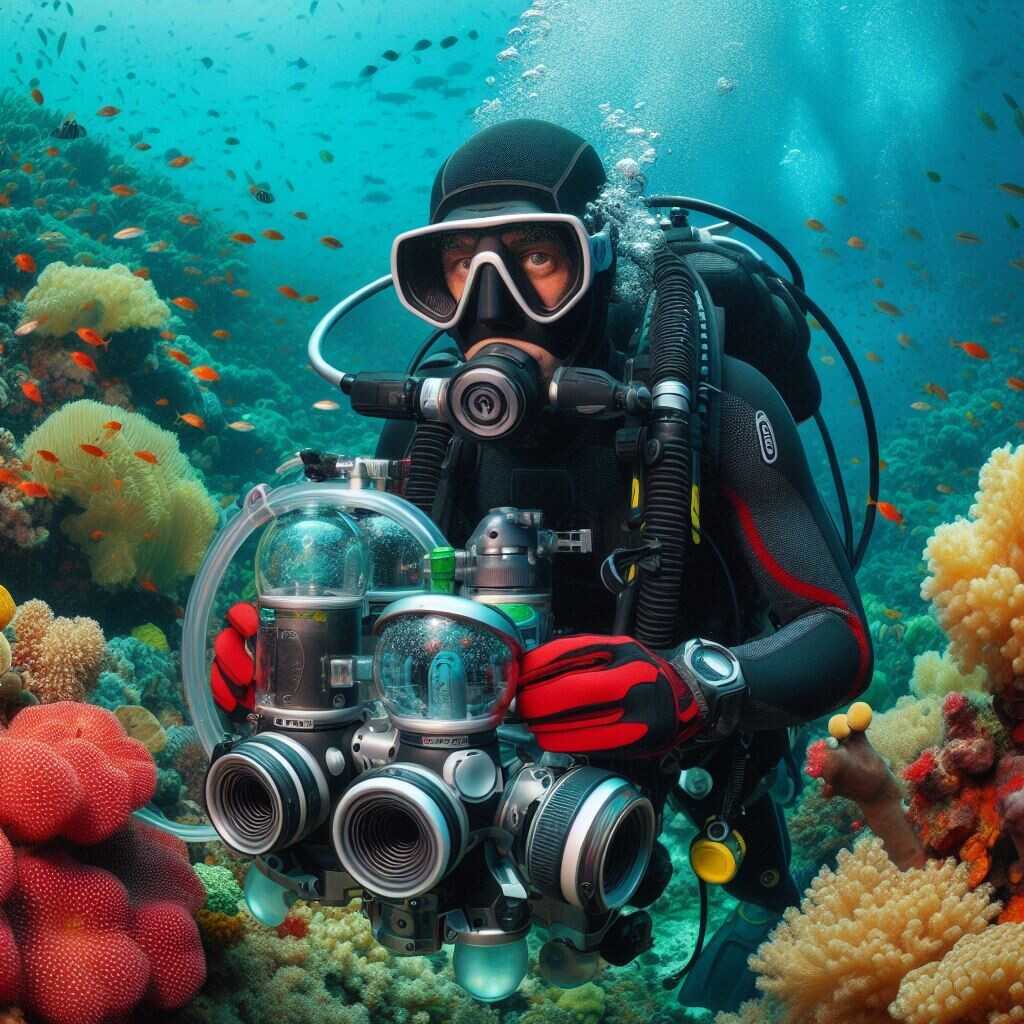
Choosing the right scuba gear is essential for enhancing air efficiency during dives. Equipment like high-quality regulators can significantly improve the air consumption rate. Divers should consider features such as adjustable flow rates, comfort, and breathing resistance in their breathing apparatus. High-performance wetsuits can contribute to thermal efficiency, reducing oxygen consumption. Reliable equipment testing ensures that selected gear meets the requirements for longer dive times without compromising safety. Studies indicate that proper gear can extend dive times by up to 30% depending on conditions and diver experience.
Key Features of Efficient Breathing Equipment
When selecting breathing apparatus, focus on features like adjustable overpressure valves and ergonomic mouthpieces. High-quality regulators, designed for minimal air resistance, can enable divers to breathe easily under pressure. Look for regulators that include a balanced first stage, delivering consistent airflow regardless of tank pressure. Dive computers can track air consumption rates in real-time, providing data that helps divers manage their oxygen supply. Reliable gear provides comfort and enhances performance, ensuring divers can focus on exploring the underwater world longer and more safely.

Importance of Strategic Dive Planning for Air Management
Effective dive planning enhances air management by ensuring divers choose suitable dive sites and durations. Divers should consider environmental factors like currents, visibility, and the complexity of marine life when selecting a site for optimal air consumption. For example, performing a simple dive in a calm area may require less energy, resulting in a longer dive time. The ideal dive duration for recreational divers often ranges from 30 to 60 minutes. This range helps recreational divers maximize air efficiency while allowing ample time to explore underwater environments safely.
Dive Site Selection Strategies for Efficient Air Consumption
Dive site selection is critical to improving air consumption. Choose locations with minimal currents and good visibility. These factors reduce energy expenditure while diving. Look for dive spots that add interest, such as coral gardens or wrecks, to make the most of your dive time. Stay aware of your dive plan and surface interval rules to ensure a safe ascent and effective use of your air supply. Monitor your air consumption rate to adapt your dive plan as necessary. By selecting the right dive site, you boost your air management strategy and enhance your overall diving experience.
Advantages of Efficient Breathing Techniques
- Improved air consumption allows for longer dive durations.
- Mastering air-saving methods enhances overall underwater exploration.
- Better breathing habits reduce stress and increase comfort levels.
- Efficient air management enhances safety during dives.
- Divers can conduct more extensive underwater photography sessions.
- Eco-friendly practices promote marine conservation during diving.
- Increased dive times create opportunities for better marine life observation.

Hydrodynamic Techniques to Minimize Air Usage
Understanding hydrodynamic techniques is key for reducing air consumption during dives. First, streamlined movements such as keeping your body flat and minimizing resistance can help. Proper techniques include using your fins effectively and maintaining an optimal buoyancy position. Employing these methods can significantly lower your air consumption rates, leading to longer dive times. Investing in quality dive gear designed for hydrodynamics can further enhance your efficiency underwater. In fact, research indicates that divers can reduce their air usage by up to 30% by fully embracing these techniques.
The Impact of Streamlined Movements on Diving Efficiency
Streamlined movements greatly improve diving efficiency by reducing drag. This involves body positioning and finning techniques that allow divers to glide through water effortlessly. For instance, keeping arms and legs close to the body minimizes resistance. Additionally, using fins with a good surface area can provide effective propulsion while requiring less energy. Divers who consistently practice these techniques notice a drastic improvement in air consumption rates and overall dive experience. Reliable gear that complements these hydrodynamic techniques further enhances dive performance, providing a safe and enjoyable adventure.
The Connection Between Physical Fitness and Diving Performance
Physical fitness plays a crucial role in improving air consumption during dives. Divers who maintain good physical health tend to have better endurance and lower heart rates. This efficiency translates to using air more effectively underwater. Cardio exercises, strength training, and flexibility workouts enhance overall diving performance. Specifically, fit divers can optimize their buoyancy control and manage fatigue, creating a more enjoyable experience. Regular fitness routines boost lung capacity and improve circulation, helping divers to stay relaxed and conserve air.
Recommended Fitness Routines for Divers
To enhance dive performance, divers should focus on specific exercises. Aerobic activities like swimming, running, or cycling improve cardiovascular health. Strength training builds muscle endurance, essential for managing gear and movement underwater. Flexibility routines, such as yoga, increase adaptability and reduce injury risk. A balanced fitness regimen, including core workouts, supports buoyancy control and stability. The combined benefits lead to an overall improved diving experience and greater efficiency. Engaging in these activities regularly can boost a diver’s air consumption efficiency by up to 30% in some cases.
Brands and Use Cases in Enhancing Dive Efficiency
- Scubapro offers reliable gear but may be pricier than competitors.
- Mares focuses on comfort; they have great wetsuits but fewer tech features.
- Apeks provides high-performance regulators for serious divers.
- Beginner divers benefit from brands like Cressi that offer budget-friendly options.
- Underwater photographers often prefer gear with advanced buoyancy capabilities.
- Advanced divers may choose custom setups for optimal air consumption.
- Eco-conscious divers are attracted to brands prioritizing sustainable materials.
Insights and Practical Tips from Experienced Divers
Experienced divers highlight essential air consumption techniques for better dive times. They recommend maintaining proper buoyancy to prevent excessive finning, which wastes air. Effective breathing techniques, like slow, deep breaths, significantly enhance air efficiency. Many divers stress avoiding rapid ascents and descents, as those increase air uptake. Common mistakes include overexerting yourself or using inefficient gear configurations. This harms air consumption and dive enjoyment. Maintaining a relaxed state underwater provides a substantial improvement in air efficiency, leading to extended dive durations.
Key Buoyancy Control Strategies for Efficient Diving
Proper buoyancy control is one of the most critical skills for improving air consumption. To master buoyancy, divers should practice with controlled breathing. Inhale slowly to rise, and exhale gradually while descending. Using a buoyancy control device (BCD) effectively helps maintain neutral buoyancy. Divers should also regularly check their weight for comfort and adjust gear as necessary. Techniques for adjusting weight distribution, like shifting tank positions, can significantly enhance stability. Divers who master buoyancy control can often extend dive times up to 30%, providing more exploration opportunities.