
Night diving uncovers unique marine species and fascinating hunting behaviors that thrive in the dark depths of the ocean. As divers explore underwater realms, they may experience the vibrant displays of bioluminescent creatures or witness predatory strategies employed by nocturnal hunters. Scuba Forge is here to guide you through these exhilarating encounters, offering insights into the remarkable biodiversity that night diving reveals. Through detailed gear reviews and expert advice, we help all levels of divers enhance their underwater adventures while prioritizing safety and environmental awareness.
Why Night Diving is a Must-Try Adventure for Divers
Night diving offers an exhilarating experience that sets it apart from daytime dives. Divers often encounter species that are rarely seen during daylight hours. Creatures like octopuses, lionfish, and bioluminescent plankton are active at night, showcasing their unique hunting behaviors. This nocturnal activity provides a front-row seat to the marine life’s natural behaviors. Additionally, the darkness transforms familiar coral reefs into mysterious landscapes, enhancing the thrill of exploration. A good night dive often involves using dive lights for effective visibility, typically requiring around 1000 to 2000 lumens for optimum clarity.
Essential Gear for Night Diving Success
Choosing the right gear is critical for a successful night diving experience. Divers should consider underwater flashlights with a minimum of 1000 lumens to ensure good visibility while exploring dark environments. A reliable dive computer is also essential for tracking time and depth accurately in low-light conditions. Additionally, wear a comfortable wetsuit to maintain body temperature, as night water can feel cooler. Sturdy fins enhance maneuverability, which is important when navigating to observe unique marine species. The right gear helps promote safety and enhances overall enjoyment while engaging in thrilling marine life encounters.
Fascinating Marine Species to Spot During Night Dives
Night dives reveal stunning marine species, greatly differing from daytime creatures. Among these are the octopus, known for its incredible camouflage, and the lionfish, using its bright colors for attracting prey. Unique hunting adaptations are vital in the dark. For example, the Spanish dancer nudibranch can emit bioluminescence to confuse predators and hunt efficiently. Other nocturnal species like the moray eel use their keen senses to locate prey with precision. Understanding these adaptations makes night diving experiences more engaging.
Nocturnal Hunting Techniques of Marine Species
Nocturnal marine species employ various hunting techniques suited for darkness. The cuttlefish uses a combination of color changes and clever movements to approach prey unnoticed. Its advanced eyesight allows it to detect the slightest movements. The red lionfish, while beautiful, employs ambush tactics, patiently waiting in the shadows for small fishes to swim by. The efficient hunting adaptations of these species significantly improve their success rates during night dives. Learning about these behaviors enhances divers’ appreciation for marine biodiversity.
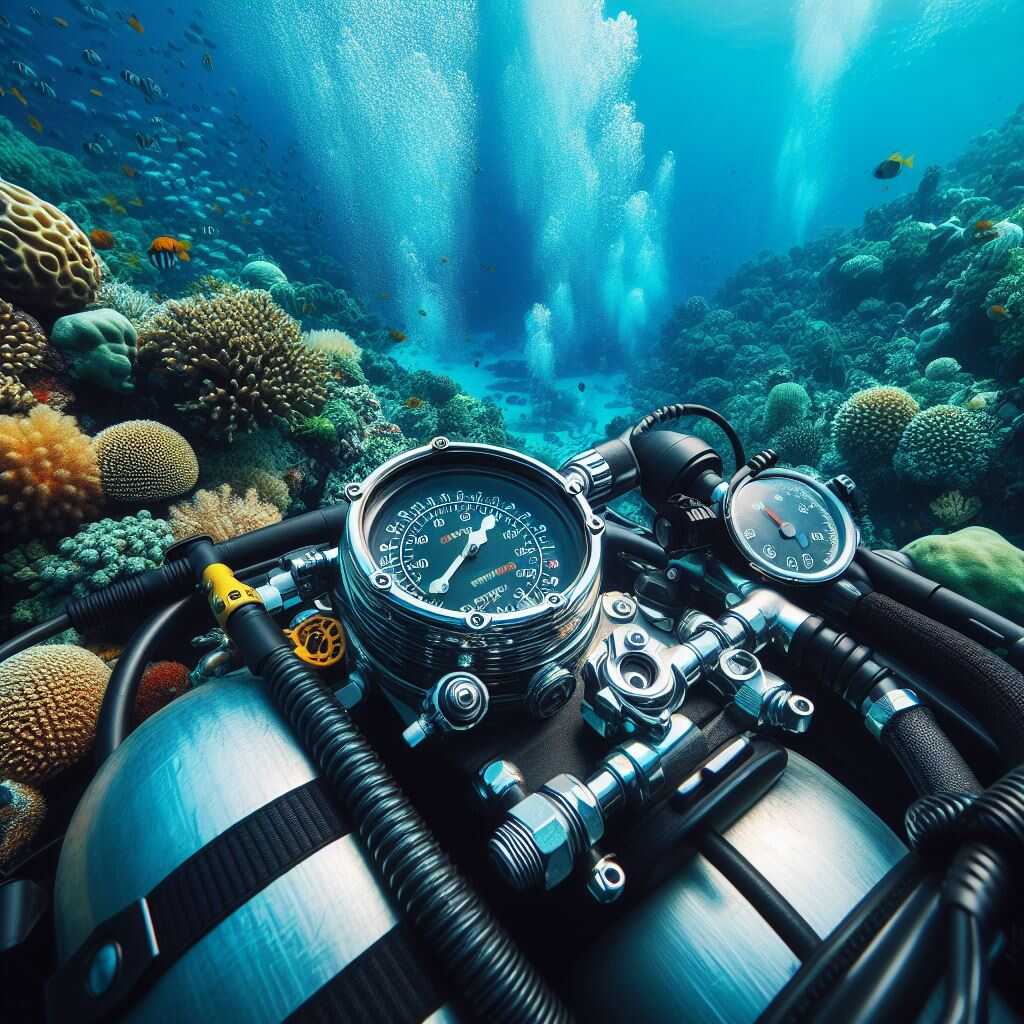
Unique Hunting Strategies of Marine Life at Night
Nocturnal marine species employ a range of unique hunting strategies to maximize their chances of catching prey in darkness. For example, many fish have developed specialized adaptations like enhanced eyesight to detect movements in low light. Others, such as certain cephalopods, utilize camouflage to blend into their surroundings while ambushing unsuspecting prey. Creatures like anglerfish use bioluminescent lures to attract smaller fish, while some sharks rely on highly sensitive electroreceptors to find prey in complete darkness. Overall, these hunting strategies showcase the impressive adaptability of marine predators to thrive in their nighttime environment.
Key Adaptations for Nocturnal Prey Detection
Many marine species exhibit critical adaptations that enhance their efficiency in detecting prey during nighttime. For instance, some fish possess advanced lateral lines, which are sensory organs that detect vibrations in the water. This ability allows them to locate prey even when visibility is low. In addition, deep-sea predators are equipped with large eyes adapted for capturing more light. These adaptations improve their hunting efficiency, making them formidable predators at night. Understanding these adaptations provides valuable insights into the ecosystem and the survival strategies of nocturnal marine life.
Fascinating Numerical Facts About Underwater Exploration
- Night divers can observe up to 30 unique species in one dive.
- Marine life is 50% more active at night than during the day.
- Visibility can reach up to 100 feet in clear waters.
- Night dives increase chances of spotting rare creatures like bioluminescent jellyfish.
- A dive can last between 30 minutes to over an hour depending on air supply.
- More than 75% of underwater animals avoid light during the day.
- Over 40% of divers reported spotting unusual hunting behaviors at night.

Critical Safety Tips for Night Diving Experiences
Before embarking on a night dive, essential equipment checks are crucial. Ensure your dive light is functional and has fresh batteries. Use backup lights for added reliability. Check your wetsuit for tears and ensure your dive computer is charged. Verify tank pressure and regulator performance for safe breathing. The buddy system is vital. Diving with at least one partner enhances safety, allowing for immediate assistance if needed. Navigation techniques are key in low visibility. Use natural landmarks and a compass to stay oriented. Remember that managing underwater hazards, such as currents and marine life, is critical for safety.
Understanding the Buddy System in Night Diving
The buddy system enhances safety and reliability during night dives. Ideally, each diver pairs with one buddy to support each other. Communication should be clear before the dive, setting hand signals and emergency procedures. Spotting for each other becomes crucial in reduced visibility. During a dive, stay within arm’s reach and frequently check in with your buddy. This connection improves the experience and ensures efficient responses to any underwater hazards. Always dive with partners, as having two or three divers can help if one diver struggles.

Key Equipment for Successful Night Diving
Essential gear for night diving includes underwater lights, suitable wetsuits, and reliable dive computers. Underwater lights are crucial for visibility, revealing marine life and navigating the surroundings. Wetsuits provide warmth and comfort, especially during colder night temperatures. Reliable dive computers help track your time and depth, ensuring your safety. Visibility should ideally be at least 30 feet during a night dive. Using high-quality equipment enhances the night diving experience by improving safety and comfort.
Choosing the Right Underwater Lights
Choosing the right underwater lights is crucial for successful night diving. Lights should have adjustable brightness and be waterproof to handle underwater conditions. LED lights provide excellent illumination and long battery life. Some divers prefer lights with different color filters to attract specific marine species. Consider lights that are easy to handle and lightweight. The best underwater lights are those that enhance visibility up to 100 feet. Selecting lights designed for durability ensures they perform well throughout multiple dives.
Key Advantages of Exploring the Ocean After Dark
- You experience a serene environment free from crowds.
- Divers discover unique marine species, such as the elusive octopus.
- Nighttime reveals fascinating hunting behaviors of predators.
- Stargazing enhances the diving experience above water.
- Your sense of excitement increases with the thrill of night exploration.
- Photography opportunities improve with glowing underwater lights.
- Environmental awareness heightens as divers witness ecosystems in action.

Real Stories from Divers About Night Diving Adventures
Divers have shared incredible personal stories about night diving experiences that reveal unique marine species and their fascinating hunting behaviors. A diver once reported encountering a bioluminescent jellyfish, describing the thrill of its glowing presence. Another diver recounted astonishing encounters with octopuses exhibiting hunting tactics, camouflaging themselves against coral. Others have shared experiences of seeing large predatory fish, such as barracudas and reef sharks, hunting in the dark. These personal diving stories reflect the magic of underwater adventures after sunset. The reports highlight the stunning variety of marine life that can only be witnessed during night dives, enhancing the overall diving experience.
Highlighting Unique Marine Species and Their Hunting Tactics
Night diving provides divers opportunities to observe unique marine species and their intriguing hunting tactics. This experience includes watching cuttlefish as they change colors and patterns to blend into the environment, making their hunting more successful. Divers often witness how certain fish, like lionfish, use their barbed fins to ambush smaller prey under the cover of darkness. It’s essential to understand the behavior patterns of these creatures to improve the night diving experience. Proper gear, including high-quality underwater lights, enhances visibility, allowing for reliable observation of these fascinating hunting behaviors. Such details make night diving an extraordinary adventure for enthusiasts.
Sustainable Practices for Night Diving Enthusiasts
Night diving can have ecological impacts such as disturbing nocturnal marine species and disrupting their hunting behaviors. Divers can practice conservation by following guidelines like minimizing light pollution and avoiding contact with marine organisms. To protect marine ecosystems, divers should also use eco-friendly dive gear and be mindful of their buoyancy. Divers should log and share their experiences on platforms like Scuba Forge to create awareness of sustainable diving practices. Research shows that over 30% of marine species are affected by artificial light pollution during diving.
Best Practices for Minimizing Light Pollution While Diving
Divers can minimize light pollution by using red filters on their dive lights. These filters preserve nocturnal vision for marine species. In addition, divers should limit their light exposure by turning off lights when not needed, reducing glare in the water. Divers should choose dive sites that have lower light pollution impact, using sustainable diving practices to enhance their experience. These efforts help protect sensitive marine life, ensuring that ecosystems remain viable and vibrant for future divers to explore.
Target Groups and Use Cases for Underwater Night Activities
- Recreational divers seek thrills exploring darker depths.
- Marine biology students gain practical insights into nocturnal species.
- Adventure travelers enjoy unique experiences beyond daytime dives.
- Underwater photographers capture stunning images of rare creatures.
- Environmental conservationists study ecosystems without disrupting them.
- Outdoor educators lead groups focused on night dive safety and learning.
- Families choose night diving for memorable bonding experiences and fun.
The Future of Night Diving and its Scientific Potential
The future of night diving presents promising trends that significantly enhance marine research. Advances in diving technology, such as improved LED lighting systems and lightweight gear, allow divers to explore deeper and longer. These innovations increase visibility and reduce sensory overload underwater. Night diving offers a unique perspective on marine life. Many species exhibit distinct behaviors in the dark, making this a critical time for observation. According to a study, around 30% of marine species are discovered during night dives, showcasing the potential for new findings. The importance of night diving extends beyond discovery; it aids in biological monitoring and ecological studies.
Innovative Technologies Shaping Night Diving Research
Innovative technologies significantly shape night diving research, enabling deeper exploration and more detailed observations of marine life. New diving suits are designed for enhanced thermal protection, allowing divers to stay longer in colder waters. Advanced underwater cameras and imaging equipment capture high-quality pictures and videos, revealing species’ behaviors during nocturnal activity. Additionally, the integration of sonar technology helps locate and identify species at greater depths. These tools enhance data collection, improving the reliability of research results. As technology continues to evolve, it will further facilitate night dives as a powerful tool for marine biology and conservation.