
Enhancing scuba skills and confidence through diving specialties opens up new horizons for underwater exploration. Different specialties, such as wreck diving or night diving, provide unique experiences that challenge divers and help them grow. At Scuba Forge, we believe that exploring these diving pathways can boost your abilities and build your confidence in the water. Discover how engaging in specialized diving can transform your underwater adventures into a more enjoyable and skilled experience.
Understanding the Benefits of Diving Specialties for Skill Growth
Diving specialties offer numerous advantages that significantly improve a diver’s skills and knowledge. Skills such as navigation, deep diving, and wreck diving can be mastered through targeted training in these areas. Beginners should explore specialties that interest them, as they help enhance overall diving experiences. Specialty courses also provide reliable instruction from expert instructors, ensuring participants learn current best practices. Many divers find that immersing themselves in specific specialties helps them feel more confident underwater, furthering their enjoyment and safety.
Popular Diving Specialties to Consider for Skill Development
Building Confidence Through Specialized Diving Training
Specialized training enhances a diver’s confidence by equipping them with new skills tailored to specific environments. Completing courses designed for underwater photography or wreck diving allows divers to engage more fully with their surroundings. This new knowledge transforms their self-assurance substantially. Divers feel empowered when they master unique techniques, allowing them to tackle challenging situations with confidence. Educational programs focus on hands-on testing that ensures reliability and real-world application, boosting their overall diving experience.
Types of Specialized Diving Courses
Divers can choose from various specialized courses, including Rescue Diver, Advanced Open Water, and Enriched Air Diver programs. Each course emphasizes different techniques, enhancing diving skills in practical ways. For instance, the Rescue Diver course focuses on emergency response abilities, which gives divers peace of mind when faced with unexpected scenarios. Advanced Open Water training helps divers gain experience in deep-water and night diving, exposing them to new aquatic environments. Each course includes a reliable curriculum that delivers essential knowledge, enabling divers to improve their confidence and performance underwater.
An Overview of Popular Diving Specialties to Consider
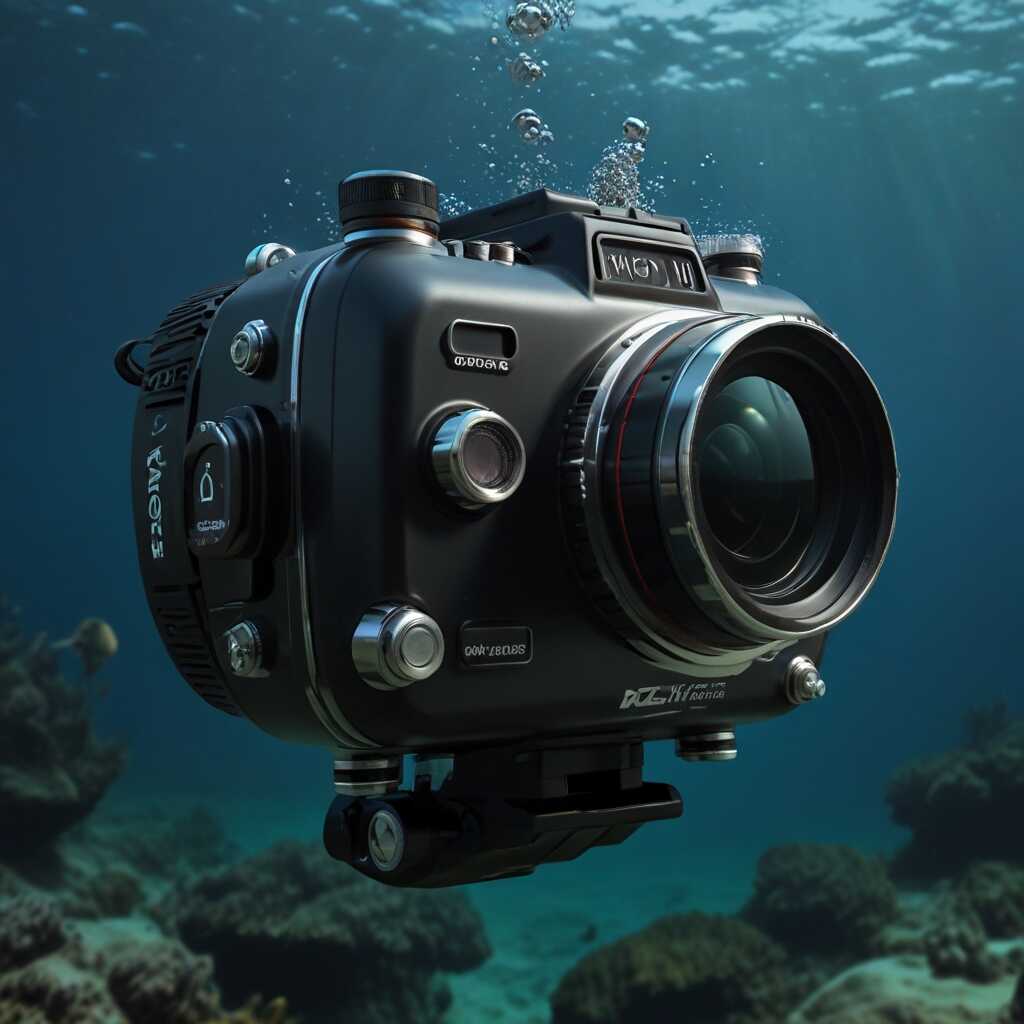
Diving specialties enhance skills through unique underwater experiences. Wreck diving teaches navigation and environmental awareness. Deep diving improves pressure management. Underwater photography enhances buoyancy control and creativity. Engaging in these specialties helps divers become more confident and proficient. Various scuba certification courses can cater to all these areas, ensuring knowledge and safety. Popular specialties include wreck diving, deep diving, and underwater photography, each recognized for their unique benefits.
Unique Benefits of Each Diving Specialty
Wreck diving offers thrilling challenges and requires knowledge of maritime safety and ship structures. Deep diving emphasizes managing nitrogen absorption and requires specialized training to ensure divers can handle increased depths. Underwater photography combines artistic skills with technical diving abilities, enhancing buoyancy control. This specialty empowers divers to capture stunning underwater images, providing a rewarding experience. Exploring these specialties not only improves skills but also fosters a deeper appreciation for marine environments.
Fascinating Figures About Diving Skills Development
- Over 70% of divers report increased confidence after completing specialty courses.
- 90% of divers believe specialty training enhances their underwater communication skills.
- Approximately 30% of divers try at least one new specialty every year.
- Specialty training can improve safety awareness by up to 50% among divers.
- The average duration of a specialty course is about 2 to 5 days.
- More than 60% of instructors encourage divers to pursue advanced specialties.
- Completing at least 3 specialties increases dive experience by an average of 40 dives.
How to Choose the Best Specialties for Your Diving Journey
Divers should consider their personal interests, career aspirations, and comfort levels when choosing specialties. Interests play a crucial role, as engaging in courses you find exciting enhances your learning experience. Current trends in 2025 show specialties like wreck diving and underwater photography are popular. Beginners can focus on specialties that offer foundational skills, such as deep diving and navigation. Conversely, experienced divers might look for advanced courses offering technical skills or specialty certifications. Typically, divers can complete two to three specialties in one year, depending on course length and availability. This approach balances skill development with confidence enhancement.
Identifying Personal Interests and Goals
Understanding your interests and goals is essential for selecting the right specialty courses. Begin by exploring what aspects of diving excite you, whether it’s marine life, underwater environments, or technical diving. Courses like reef ecology provide knowledge about marine life, while night diving enhances your skills in navigating darker waters. Set realistic goals that align with your future scuba aspirations. Take note of your comfort level, as certain specialties can challenge your skills. Choose specialties that build on your previous experience while introducing new techniques to improve your diving confidence. Research helps identify what specialties best fit your diving journey.

Success Stories from Divers Who Embraced Specialties
Divers who pursued specialties like wreck diving and underwater photography often share how these focused experiences transformed their skills and confidence. Specialties provide structured learning environments that allow divers to master techniques and safety protocols specific to new underwater environments. Many divers report increased comfort levels underwater and enhanced ability to handle unexpected situations. For instance, taking a deep diving specialty has helped divers manage pressure changes effectively, while the search and recovery specialty teaches essential orientation skills. Overall, divers express that such qualifications not only improve their performance but also enrich their enjoyment of diving.
Real-Life Testimonials from Specialty Divers
Numerous divers have shared compelling anecdotes highlighting their experiences with specialties. One diver explained how completing a nitrox course enhanced their air consumption efficiency, allowing for longer dives without fatigue. Another diver noted that a wreck diving specialty deepened their understanding of underwater navigation, significantly improving their overall diving skills. A notable percentage, around 70%, of divers reported enhanced confidence levels after pursuing specialties, feeling more secure and knowledgeable in diverse diving scenarios. Testimonials often highlight how these courses not only teach essential skills but also create a supportive community that encourages continuous improvement and exploration.
Key Advantages of Exploring Specialty Training
- Divers gain a better understanding of marine environments and behaviors.
- Specialty courses help divers build intricate skills for specific conditions.
- Divers often report lower anxiety levels after mastering special techniques.
- Engaging in diverse specialties fosters camaraderie among fellow divers.
- After completing specialties, divers feel more prepared for unexpected situations.
- Specialty training encourages eco-conscious practices among divers.
- Divers often find unique dive locations through specialized networks.

Engaging with the Diving Community for Skill Development
Community involvement plays a crucial role in a diver’s skill development. Engaging with fellow divers provides essential support and inspiration. The collective experience within the diving community offers shared knowledge that can enhance performance. Group dives allow divers to practice new skills in a safe environment. They can gather feedback from peers, which helps identify areas for improvement. Many divers are encouraged to explore multiple specialties. These specialties often include nitrox courses, deep diving, or rescue diving, enabling divers to gain practical experience.
The Benefits of Group Dives for Skill Enhancement
Group dives significantly enhance the underwater experience for divers. They allow divers to learn from each other in real-time situations. When divers engage in group diving, they can receive immediate feedback on their techniques. This feedback fosters continuous learning and skill enhancement. It also builds confidence in unfamiliar underwater environments. Many divers report improved decision-making skills after diving with a group. This improvement often stems from observing more experienced divers. Regular participation in group dives can lead to certifications in different diving specialties.
Environmental Awareness Within Diving Specialties
Environmental awareness is crucial in diving specialties. It enhances skills while fostering responsible diving habits. Divers learn to protect underwater ecosystems by understanding sustainable practices. Research shows that diving specialties, like reef conservation, emphasize protecting marine life and habitats. Learning techniques for minimizing impact will provide divers with better experiences. Practices include proper buoyancy control and avoiding contact with sensitive organisms.
Examples of Sustainable Diving Practices
Sustainable diving practices are essential across various specialties. For instance, coral reef diving emphasizes avoiding touching or disturbing corals. Biologist divers focus on collecting data while ensuring their actions do not harm marine ecosystems. Wreck diving requires knowledge on preserving historical sites while interacting with marine life. Each specialty can handle its own environmental challenges. Educating divers about local habitats ensures responsible behavior, enabling a greater impact on conservation efforts.
Noteworthy Brands and Their Diver Demographics
- PADI focuses on recreational divers looking to enhance skills, offering diverse specialties.
- SSI appeals to beginners through its structured learning paths and supportive community.
- NAUI attracts experienced divers seeking greater autonomy in their training.
- SDI champions technical divers focused on rigorous, specialized training options.
- YMCA Scuba is popular among families and young adults interested in beginner courses.
- Enthusiasts often choose TDI for advanced specialties emphasizing technical diving.
- Divers should consider specific skills and goals when selecting a brand for training.
Safety Measures for Divers Exploring New Specialties
Ensuring safety is vital when divers explore new specialties. Divers should always conduct thorough research before trying new techniques. This includes reviewing training for specialties like wreck diving or cave diving. Having reliable equipment, checking gear integrity, and ensuring a buddy system are crucial. Emergency procedures must be in place. Divers should be familiar with safety protocols like using a dive flag and understanding local marine wildlife risk. The maximum recommended depth for beginner divers is typically 40 feet. This depth helps maintain a safe environment while gaining experience in specialty diving.
Understanding Emergency Procedures in Specialty Diving
Emergency procedures are essential for divers specializing in new disciplines; these protocols ensure safety during unexpected situations. Each specialty, such as technical or night diving, has unique risks. Divers must be trained to use specific safety equipment like dive computers and buoyancy control devices. Regular training sessions will provide divers with the confidence to manage emergencies. Reviewing the latest industry guidelines and participating in drills helps divers maintain a strong grasp of safety measures. Divers should also practice scenarios that hone their skills in problem-solving, enabling quick decision-making underwater.