
Enhancing appreciation for coral reefs through ecological exploration can deepen our understanding of these vital ecosystems. These vibrant underwater worlds are teeming with life but face significant threats from pollution and climate change. At Scuba Forge, we emphasize the importance of preserving coral reefs by sharing insights into reef ecology and the necessary gear for exploration. Our comprehensive approach helps scuba diving enthusiasts and marine advocates appreciate the delicate balance of these environments while promoting conservation efforts.
The Vital Role of Coral Reefs in Ocean Health
Coral reefs perform several essential functions in ocean ecosystems. They provide a habitat for diverse marine life, including fish, crustaceans, and many invertebrates. Coral reefs contribute to marine biodiversity by supporting approximately 25% of all marine species. This high level of biodiversity ensures a stable ecosystem. Coral reefs also protect coastlines from erosion by absorbing wave energy. Furthermore, they play a critical role in nutrient cycling, which helps maintain the health of the surrounding marine environment. By recognizing these contributions, users can better appreciate the fragile nature of coral ecosystems.
Importance of Coral Reef Conservation
Conserving coral reefs is crucial for sustaining marine biodiversity and ocean health. These ecosystems provide food and shelter for countless species, allowing fish populations to thrive. Healthy coral reefs enhance local fisheries, benefiting communities that rely on fishing. They also offer protection against storms and flooding, safeguarding coastal areas. Engaging in reef conservation efforts helps combat threats like climate change and pollution. Protecting these ecosystems ensures that they continue to support marine life and provide essential services for future generations. Scuba Forge emphasizes the significance of selecting eco-friendly diving practices to preserve coral reefs and their biodiversity.
Major Threats to Coral Reef Ecosystems Today
Coral reefs face significant risks today, primarily due to climate change and pollution. Climate change leads to increased sea temperatures, resulting in coral bleaching. Pollution introduces harmful chemicals and excess nutrients that disrupt marine life. Coastal development also contributes to sedimentation, harming coral health. These factors threaten biodiversity and the overall stability of coral ecosystems. Understanding these challenges can help motivate conservation efforts.
Effects of Climate Change on Coral Reefs
Climate change significantly alters coral reef ecosystems. Rising sea temperatures cause coral bleaching, where corals expel the algae they need for survival. This process reduces the coral’s energy supply, making them more susceptible to disease and death. Ocean acidification, caused by higher carbon dioxide levels, weakens coral skeletons and affects their ability to grow. Together, these factors may lead to a 70% loss of coral reefs by 2025, threatening numerous marine species that rely on these ecosystems for habitat and food. Understanding these effects enhances awareness and encourages actions that support coral reef conservation.
Diving Practices That Support Coral Reef Protection
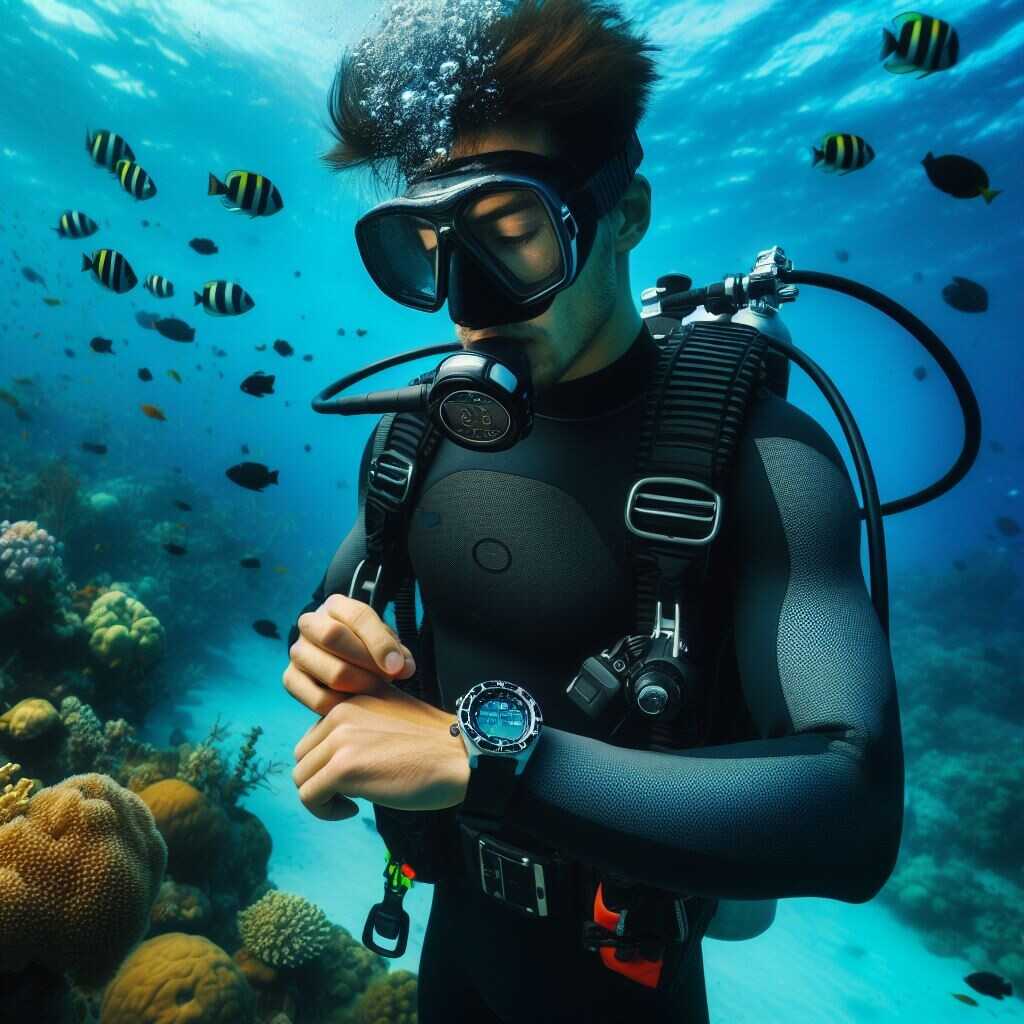
To protect coral reefs while enjoying scuba diving, divers should adopt responsible diving practices. These techniques include maintaining a safe distance from the reef to avoid touching or damaging coral. Avoid kicking up sand can smother coral and marine life. Using a buoyancy control device ensures proper buoyancy, preventing accidental contact with reefs. Diving with a guide improves safety and provides insights into preserving these ecosystems. Adopting environmentally friendly habits, like not disturbing marine life, enhances coral reef protection and promotes ecological balance.
Techniques for Minimizing Reef Damage
Divers can implement several specific techniques to minimize reef damage. First, practicing neutral buoyancy significantly reduces the likelihood of contact with delicate corals. Second, using reef-safe sunscreen prevents harmful chemicals from leaching into the water. Third, divers should avoid collecting marine life or coral souvenirs, which contributes to ecological disruption. Furthermore, divers should carefully choose dive sites to ensure they do not contribute to overfishing or habitat destruction. Implementing these techniques can significantly enhance coral reef protection and ensure a sustainable underwater experience.
Fascinating Numerical Insights About Marine Habitats
- Coral reefs cover less than 1% of the ocean floor.
- Over 4,000 species of fish inhabit these vibrant ecosystems.
- Coral reefs can grow about 1 to 3 centimeters annually.
- Coral reefs support over 500 million people worldwide.
- They protect coastlines from erosion and storm damage.
- Approximately 30% of coral species are at risk of extinction.
- Healthy reefs can enhance fish populations by up to 100 times.

Selecting Gear That Promotes Coral Reef Safety
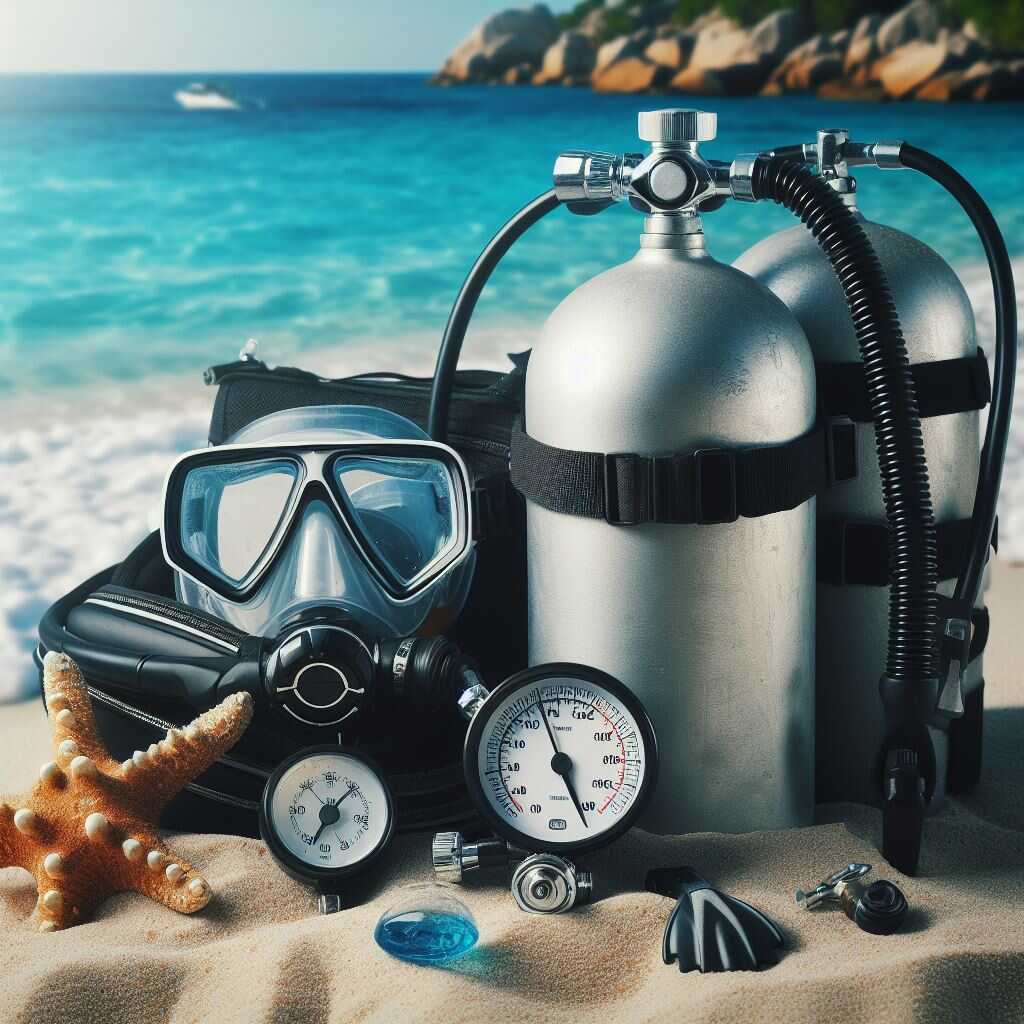
Choosing gear that enhances coral reef safety is vital for eco-friendly diving. Essential gear elements include soft-soled dive boots, buoyancy control devices, and reef-safe sunscreen. Soft-soled dive boots help prevent accidental damage when walking on the reef. Buoyancy control devices allow divers to maintain a steady position, minimizing contact with the reef. Reef-safe sunscreen is crucial for protecting delicate marine ecosystems from harmful chemicals. Selecting equipment designed for underwater ecosystem protection fosters safe exploration and enhances overall diving experiences.
Key Features of Environmentally Friendly Diving Equipment
Environmentally friendly diving equipment includes features that minimize harm to coral environments. Look for durable, high-performing materials that resist wear, ensuring long-term reliability. Equipment with streamlined designs facilitates easy maneuverability, reducing the risk of accidental reef contact. Additionally, gear made from sustainable materials significantly decreases the environmental impact. Utilizing gear with safety features, like impact-resistant components, can handle unexpected underwater conditions while protecting coral structures. Choosing products that have undergone rigorous testing ensures they meet durability and performance standards.

Interactions Between Marine Species and Coral Dynamics
Different marine species play crucial roles in the health and survival of coral reefs. For instance, herbivorous fish, like parrotfish, graze on algae. This helps prevent algae overgrowth, which can smother corals. Additionally, various invertebrates, such as sea urchins, contribute to the balance of the reef by grazing on unwanted organisms. The interactions between these species and coral emphasize the complexity of these ecosystems. Every organism contributes to the overall health of coral reefs, supporting biodiversity.
Key Roles of Marine Organisms in Coral Ecosystems
Coral reefs host a diverse array of marine species, with nearly 4,000 species of fish commonly found in these environments. This diversity enhances the ecosystem, as different species fulfill unique roles. For example, cleaner wrasses inhabit coral reefs and help remove parasites from larger fish. This interaction boosts the health of these fish, which are vital for maintaining coral ecosystems. Furthermore, invertebrates like shrimp and crab are essential for recycling nutrients, ensuring the ecosystem functions effectively. Their presence and activities shape the overall health and stability of coral reefs, demonstrating the need for conservation efforts.
Valuable Advantages of Understanding Underwater Ecosystems
- Knowledge promotes conservation efforts to protect fragile reefs.
- Ecological exploration raises awareness of marine habitats.
- Respect for biodiversity encourages sustainable practices.
- Coral reef tours create memorable connections with nature.
- Exploring reefs stimulates scientific research and discoveries.
- Increasing appreciation leads to better policy change.
- Learning about reefs enhances diving experiences for enthusiasts.
Global Initiatives Aimed at Coral Reef Restoration
Many notable global initiatives focus on coral reef restoration. Projects like the Coral Triangle Initiative in Southeast Asia aim to protect marine biodiversity and enhance coral health. The Great Barrier Reef Foundation in Australia conducts extensive research and restoration work. The Caribbean Coral Restoration initiative focuses on replanting native corals and improving underwater ecosystem preservation. Countries like Australia, the USA, and several in the Caribbean lead these efforts by investing in proven methods for coral health improvement. Since 2010, major initiatives have helped restore approximately 6,000 acres of coral reefs worldwide, showcasing the effectiveness of strategic restoration projects.
Success Stories in Coral Reef Rehabilitation
Success stories in coral reef rehabilitation highlight the effectiveness of community involvement and scientific research. Projects in the Florida Keys have demonstrated great results with new coral nursery techniques that have effectively increased coral populations. The Philippines’ coral farming methods have shown promising outcomes, as community-led restoration has significantly boosted local reef biodiversity. These successes provide hope that continued efforts in coral reef restoration will lead to healthier underwater ecosystems. Ongoing monitoring and data collection ensures that these initiatives remain effective, proving adaptability and innovation are crucial for long-term coral health improvement.
Sustainable Diving Practices for Eco-Conscious Explorers
Eco-friendly diving practices are essential for protecting fragile coral reefs. Divers can follow several guidelines, such as avoiding contact with corals, using reef-safe sunscreen, and never collecting marine life. Respecting local regulations and sustaining minimal buoyancy reduces harm to the underwater ecosystem. Many organizations offer resources for sustainable diving, including PADI and the Coral Triangle Initiative. Currently, there are over 8,000 marine protected areas worldwide aimed at safeguarding marine biodiversity. Following these practices enhances the reliability of coral reefs and helps ensure their survival for future generations.
Essential Tips for Responsible Diving in Coral Ecosystems
Responsible diving in coral ecosystems requires specific techniques to protect their health. Divers should use proper buoyancy control to avoid accidental contact with corals. Training courses on coral recognition can help divers identify sensitive areas. Staying off the bottom and choosing entry points wisely prevents physical damage. Following guidelines from organizations like the ReefBase can improve overall awareness of coral reef conservation. Using eco-friendly products, such as biodegradable soap and reef-safe sunscreen, enhances your responsibility towards these ecosystems. Always respect wildlife and avoid disturbing natural habitats. Each action contributes significantly to the preservation of coral reefs.
Communities Interested in Marine Conservation and Diving
- Scuba diving enthusiasts explore reefs for adventure and beauty.
- Marine conservation advocates work to preserve coral habitats.
- Underwater photographers capture stunning images of marine life.
- Environmental educators teach others about reef protection.
- Travelers engage in responsible tourism to support marine conservation.
- Students participate in research to learn about marine ecosystems.
- Researchers study coral reefs to understand climate change impacts.
Spreading Awareness about Coral Reef Conservation
Educating others about coral reef conservation is essential. Effective methods include community outreach programs, workshops, and school presentations. Sharing impactful stories and visuals about reef ecosystems enhances understanding. Additionally, collaborating with marine biologists can improve educational content. Engage in awareness campaigns through social media to reach a broader audience. Organizations like the Coral Triangle Initiative and the ReefBase project focus on coral reef education and protection. They provide resources and support for community-driven conservation initiatives. Over the past 50 years, approximately 50% of coral reefs globally have degraded due to climate change and pollution.
Understanding the Role of Community in Coral Reef Conservation
The community plays a vital role in coral reef conservation. Local groups can coordinate beach clean-ups and restoration projects. Establishing marine protected areas helps preserve marine ecosystems. Education programs aimed at schools foster a sense of environmental stewardship among young individuals. Encouraging diving enthusiasts to participate in citizen science projects enhances conservation efforts. These efforts collect data that can inform future research and policy decisions. Engaging the community ensures that conservation initiatives are comprehensive, impactful, and sustainable for the long term.