
Discover muck diving locations for unique marine creatures and stunning photography is an exciting journey into the underwater world. These spots allow divers to encounter rare species while enhancing their skills with a camera. Scuba Forge provides valuable insights and reviews to help you select the right gear for muck diving adventures. With our focus on performance and safety, you can explore diverse marine ecosystems and capture breathtaking images of their inhabitants.
Introduction to Muck Diving and Its Unique Charm
Muck diving is a distinctive underwater experience focused on exploring less common diving sites. This type of diving often takes place in sandy or muddy seafloors, where divers discover hidden marine gems. These locations reveal vibrant ecosystems that include unique marine creatures and are often overlooked in favor of coral reefs. Popular muck diving locations include Indonesia, the Philippines, and parts of the Caribbean. Divers can see everything from colorful nudibranchs to rare critters like seahorses. Studies have shown that over 100 unique species of marine life can be found in these areas, making muck diving a thrilling adventure for those interested in underwater photography, marine biology, and conservation efforts.
Why Muck Diving is Great for Underwater Photography
Muck diving offers extraordinary opportunities for underwater photography. The contrasting colors of marine life against the sandy backdrop make every shot eye-catching. Diving in muck sites allows photographers to capture images of creatures that are often not found in traditional settings. Subjects such as frogfish, mimic octopuses, and other rare specimens provide unique photographic potential. The shallow waters in muck diving locations ensure good lighting conditions. The slow pace of muck diving encourages more careful observation, enabling photographers to enhance their skills and explore details in marine life. This focus helps capture breathtaking images while promoting the importance of marine conservation.
Must-Visit Muck Diving Destinations Worldwide
Muck diving locations are treasure troves for divers seeking unique marine life and stunning photographic opportunities. Sites like Lembeh Strait in Indonesia are known for its outstanding biodiversity, including critters like nudibranchs and mimic octopuses. The Komodo National Park also provides exceptional muck diving experience with diverse corals and rich marine flora. Another notable location is the Philippines, particularly Anilao, where divers can observe countless species, enhancing underwater photography experiences. On average, divers at these sites can expect to see between 50 to 100 different species on a single dive, depending on the season and the location’s conditions.
Enhancing Your Underwater Photography Skills in Muck Diving
When it comes to muck diving, having the right equipment is essential to enhance your underwater photography skills. Use macro lenses to capture the intricate details of unique marine life. Proper lighting is crucial for vibrant colors, so consider using strobes or video lights to illuminate your subjects. Muck diving environments often have variable light conditions, requiring adaptive techniques. Researching each muck diving location can help identify the best times for diving and photography. Scuba Forge offers reliable equipment reviews, aiding photographers in choosing the best gear for the conditions they will encounter.
Uncommon Marine Life You Can Find While Muck Diving
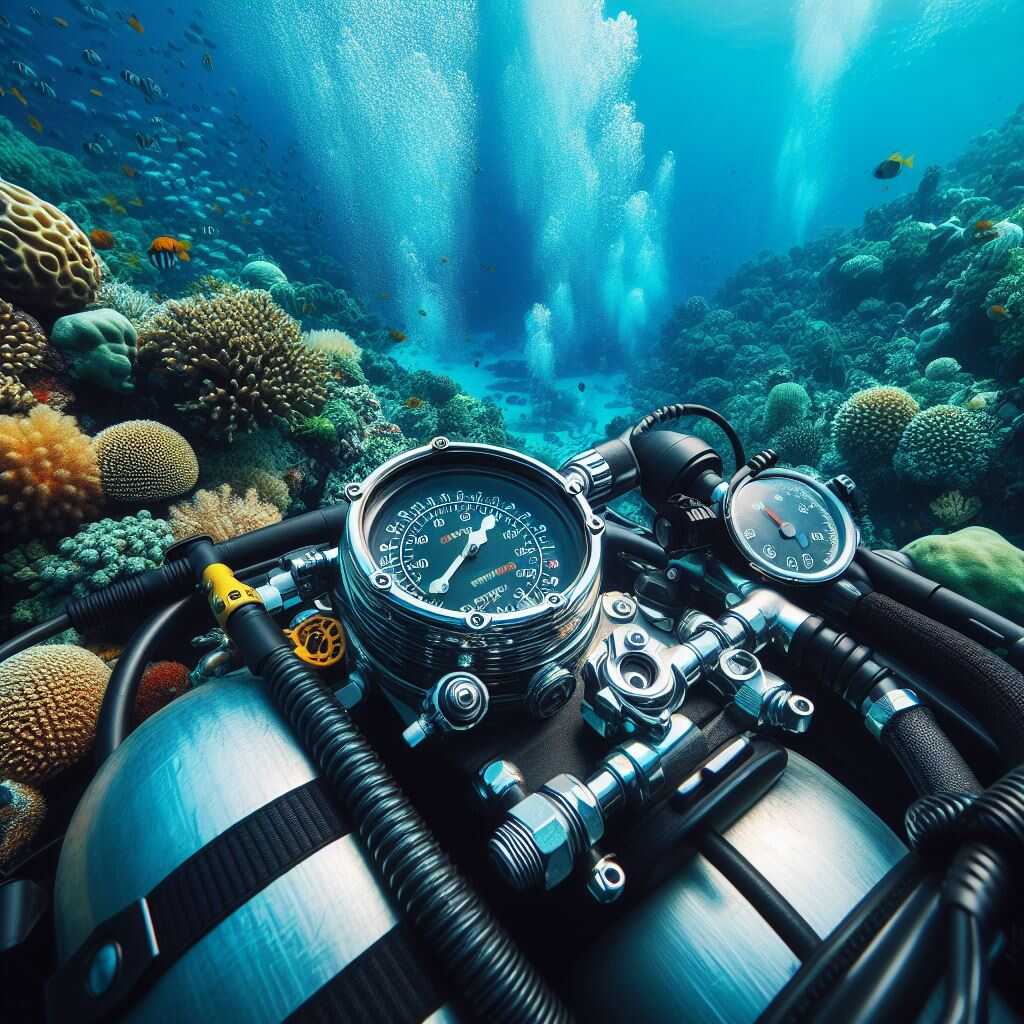
Muck diving is known for its unique underwater environments and diverse species. Divers can encounter rare creatures like the mimic octopus, which can change its appearance to mimic other species. Nudibranchs, often referred to as sea slugs, showcase vibrant colors and intricate patterns. Additionally, divers may observe various species of pipefish and ghost pipefish, known for their cryptic appearances. Muck diving locations often yield hidden surprises, including tiny seahorses, unusual crabs, and vibrant anemones. These habitats provide exceptional marine photography opportunities, allowing divers to capture the fascinating world beneath the surface.
Common Species Encountered During Muck Diving
Muck diving offers an opportunity to see a range of uncommon marine species. Locations like Ambon Bay and Anilao are famous for their biodiversity. Divers may frequently spot rare critters like frogfish, which come in various colors. In addition, unique coral species often provide homes for small marine life. The presence of macro fauna like orangutan crabs and hairy shrimps enhances biodiversity and adds to the thrill of exploration. This variety of species makes muck diving a prime target for marine photography enthusiasts, as every dive can reveal new findings.
Numerical Insights into Uncommon Diving Sites and Marine Life
- Over 150 unique muck diving spots exist worldwide.
- Some locations boast over 200 species of unusual marine creatures.
- Underwater photographers can capture stunning shots in less than 10 meters of water.
- The best muck diving sites average around 25 degrees Celsius in temperature.
- Many dives last between 45 minutes to an hour for optimal exploration.
- Photographers often need a minimum of 2-3 lenses for varied shots.
- Record more than 15 types of nudibranchs at certain muck locations.
Recommended Equipment for Muck Diving Adventures
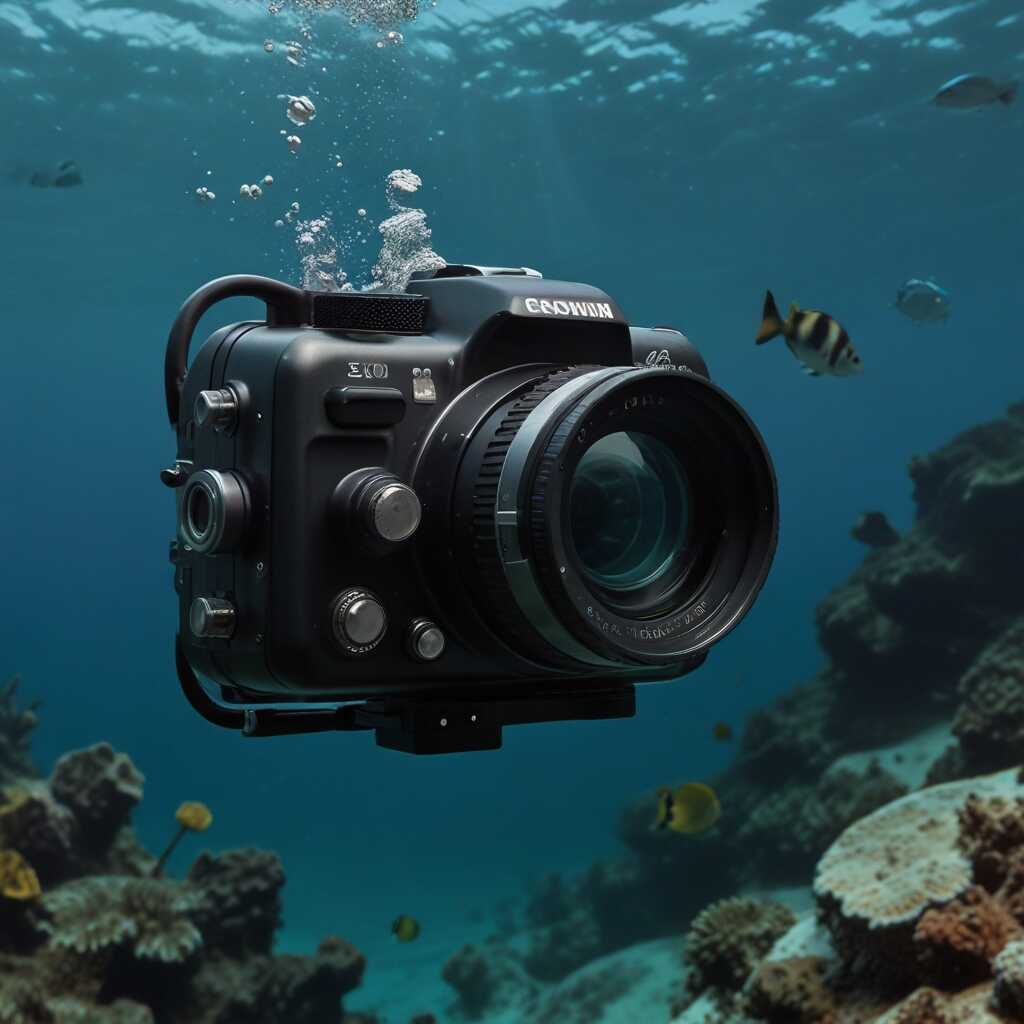
Comfort during muck diving focuses on reliable wetsuits or drysuits. These must provide thermal protection and mobility. Quality dive boots enhance comfort while navigating muck. Safety equipment includes dive computers and reliable buoyancy control devices, which are essential. For underwater photography, choose compact, high-resolution cameras and macro lenses designed for close-up shots. The recommended maximum depth for muck diving gear is typically around 30 to 40 meters. This depth allows divers to observe unique marine life while ensuring gear reliability and safety.
Essential Accessories for Underwater Photography
When it comes to underwater photography, having the right accessories is crucial for capturing stunning images. Macro lenses are essential as they allow you to get up close and focus on minute details of marine creatures. Strobe lights enhance visibility in low-light conditions, providing excellent lighting without scaring away subjects. Use a sturdy camera housing designed for durability and water resistance. Selecting high-quality memory cards will ensure that you do not lose valuable photos. These accessories improve your chances of capturing impressive underwater scenes while muck diving.

Best Photography Techniques for Capturing Unique Creatures
To capture unique marine creatures while muck diving, focus on using macro photography techniques. This helps to highlight small organisms that thrive in these environments. Gear with a reliable macro lens improves the clarity and detail of photographs. Pay attention to lighting conditions, as many muck diving locations can appear murky. Utilize external lights or strobes to illuminate subjects effectively. Experiment with different angles and distances to reveal the best features of each creature. Knowledge of your gears’ features ensures you achieve high-quality images.
Optimal Camera Settings for Muck Diving
Learning about optimal camera settings is essential for photographing underwater subjects effectively. Adjust your camera to shoot in manual mode allowing for complete control over exposure. A shutter speed of 1/125 second is often suitable for freezing the motion of marine life. Aperture settings should range from f/8 to f/11 to balance depth of field and sharpness. ISO settings can be increased to 400 or 800 in low light conditions common in muck diving. Regular testing of these settings helps to achieve impressive results, ensuring reliable capture of the stunning creatures you encounter.
Advantages of Exploring Hidden Underwater Ecosystems
- Muck diving allows photographers to discover unique marine creatures.
- Visitors improve their underwater photography skills through exciting challenges.
- Adventurers experience lesser-known dive sites away from tourist crowds.
- Engagement with diverse habitats leads to enhanced marine biology knowledge.
- Diving in these areas promotes conservation awareness among enthusiasts.
- Unique species often display fascinating behaviors for observation.
- Participants form connections within the diving community during shared experiences.

Key Safety Tips for Successful Muck Diving
Muck diving can be enjoyable and rewarding, but safety is crucial. It is essential to follow safety measures such as ensuring proper buoyancy control, maintaining adequate underwater visibility, and using reliable communication signals with dive buddies. Common muck diving hazards include poor visibility, marine life encounters, and entanglement risks. Divers should remember essential emergency procedures, such as being familiar with their equipment. Keeping these safety tips in mind enhances overall dive experience and reliability.
Muck Diving Hazards and How to Avoid Them
Potential muck diving hazards include poor visibility, which can lead to disorientation. Use a dive light to improve visibility, especially in murky waters. Be cautious of marine life, including stinging creatures and debris that can entangle. Maintain clear communication with dive buddies using hand signals, especially in low visibility situations. Always be aware of your surroundings and avoid disturbing the habitat. Preparing properly for these risks enhances your overall safety and performance while muck diving.
Personal Stories from the Muck Diving Community
Divers from around the world share incredible muck diving experiences. Many describe their encounters with rare creatures, like the elusive mimicking octopus. Testimonies emphasize the joy of discovering vibrant nudibranchs. Others recount the surprise of seeing strange seahorses camouflaged in the sand. These stories create a sense of unity in the diving community. Locations like Ambon, Raja Ampat, and Anilao consistently come up in conversations, highlighting their muck diving fame.
Diving into the Depths of Unique Marine Encounters
Divers often share experiences that detail their interactions with unusual marine life. Specifically, muck divers report finding diverse species in places such as Lembeh Straits and the Philippines. Unique marine creatures like frogfish, harlequin shrimp, and ghost pipefish captivate divers. These experiences enhance underwater photography skills, as divers practice capturing fleeting moments with stunning clarity. The community supports each other by sharing tips for photographing elusive life forms, ensuring everyone can capture their adventures.
Key Players and Interests in Underwater Exploration
- Marine biologists study crushing biodiversity of muck diving areas.
- Amateur divers are eager to see unusual marine creatures firsthand.
- Photographers capture vivid images of rare species in unique habitats.
- Sustainable tourism advocates promote conservation efforts at dive sites.
- Travel adventurers seek off-the-beaten-path locations for their next trip.
- Environmentalists raise awareness about protecting these delicate ecosystems.
- Scuba dive schools offer specialized courses focused on muck diving strategies.
Environmental Conservation in Muck Diving Areas
Conservation efforts in muck diving areas focus on protecting delicate marine ecosystems. Initiatives include habitat restoration, pollution reduction, and awareness campaigns. Divers can significantly contribute by following environmentally responsible diving practices. They can help collect data on marine health, support local conservation groups, and participate in clean-up events. Muck diving habitats are known to host around 25% of marine biodiversity, emphasizing their importance to conservation efforts.
How Divers Can Promote Marine Ecosystem Health
Divers can promote marine ecosystem health by engaging in local conservation projects. This includes participating in reef clean-ups and reporting pollution. Another vital action is educating fellow divers about minimizing their impact. Divers can also collaborate with marine biologists to conduct surveys and document species diversity in muck diving areas. Responsible diving practices, such as not touching or disturbing creatures, enhance ecosystem sustainability. These actions form a community that advocates for the delicate muck diving habitats, ensuring marine biodiversity thrives.