
Local quarry diving provides affordable opportunities for skill improvement in scuba diving. Many divers seek safe and economical ways to practice between trips. Exploring local quarries allows divers to enhance their skills while enjoying a community experience. At Scuba Forge, we support your journey to become a better diver through helpful resources and gear analysis.
Advantages of Practicing Skills in Local Quarries
Practicing skills in local quarries offers numerous advantages for divers. Quarry diving provides an economical way to enhance your diving skills without the high cost of travel. The calm and controlled environments found in many quarries enable divers to focus on technique, ensuring reliable practice sessions. These settings also boost confidence, as divers can make mistakes in a safe space. Local quarries often have unique underwater features that offer varied experiences, making skill enhancement easier and more enjoyable. Engaging with fellow divers in local quarries helps build a supportive community, sharing tips and enhancing the overall local dive experience.
Maximizing Your Practice Time in Quarries
Divers can maximize practice time in quarries by establishing a structured schedule. Planning sessions at least twice a week can lead to significant improvements in skills. Local quarries often feature multiple training areas, enabling divers to focus on specific skills every session. Engaging in group practices while following safety protocols can also enhance learning experiences. Understanding local conditions is essential, as different depths and visibility levels can affect performance. Quarry diving offers a consistent opportunity for divers to improve their underwater techniques in a supportive setting, making it a great choice for both novice and experienced divers alike.
How to Identify Nearby Quarry Diving Locations
To find local quarry diving spots, use online resources and databases that list quarries open for diving. Websites such as DiveSite offer user-generated databases of diving locations. Check local dive shops for recommendations. Community forums and social media groups can also help identify hidden gems. Focus on evaluating factors like depth and accessibility. Quarry diving areas usually have depth charts available online. Accessibility can be assessed by reading reviews or contacting local dive instructors for their experience. Look for nearby quarries within a 50-mile radius, and prepare to explore the best local dive spots.
Essential Factors for Researching Quarry Diving Sites
When searching for quarry diving locations, consider depth and accessibility as essential factors. Depth ranges often dictate the type of diving experience available. Many quarries have varying depth levels from shallow areas, suitable for beginners, to deeper sections ideal for advanced divers. Accessibility includes factors such as parking, entry points, and entry permits. Check for any local regulations that may require a compulsory dive instructors’ presence. Some quarries offer facilities such as restrooms and training spaces, enhancing your overall diving experience.
Essential Gear Considerations for Quarry Diving
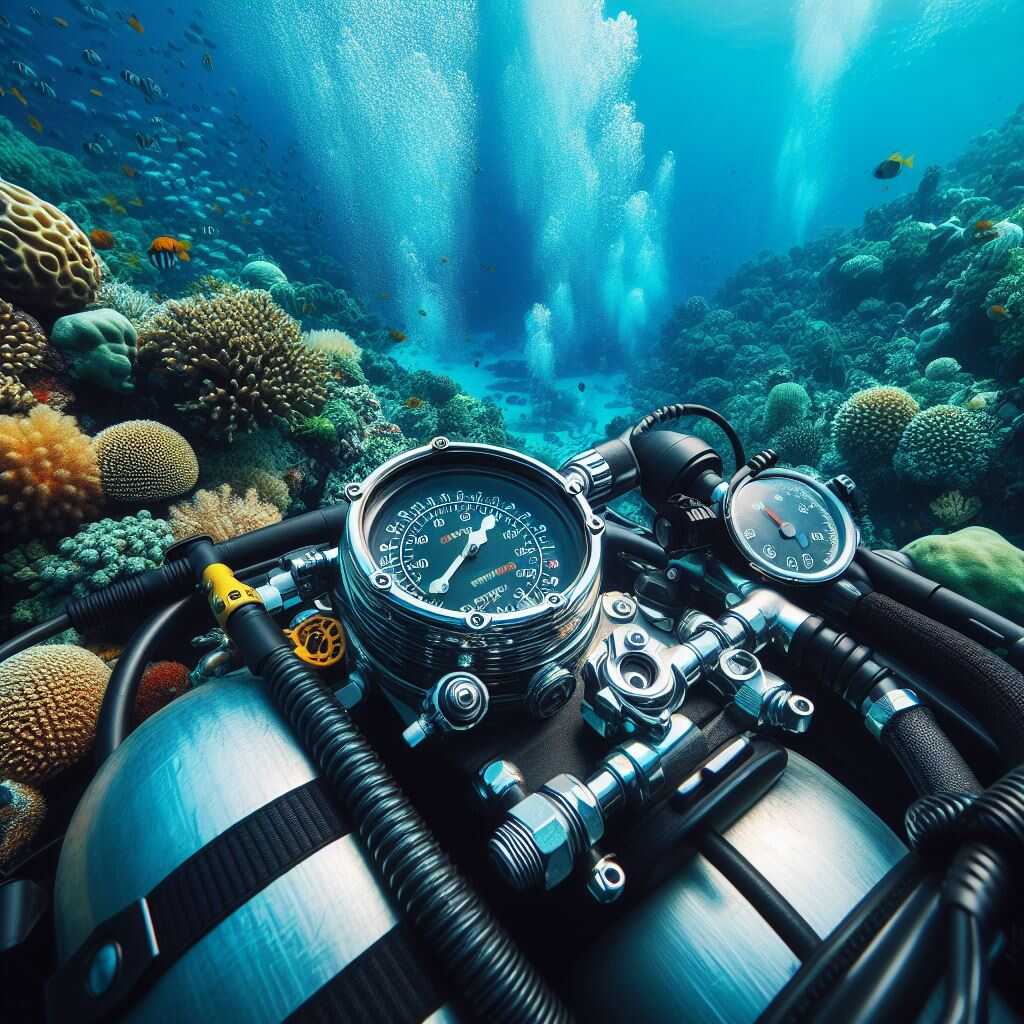
Quarry diving requires specific gear adjustments to handle unique conditions like visibility and temperature changes. First, consider a reliable wetsuit designed for cooler temperatures, ensuring freedom of movement while providing warmth. Check your diving mask for proper fit to avoid leaks. Use a buoyancy control device (BCD) that offers stability and adjusts easily. Regularly inspect and maintain your equipment, focusing on seals and valves for performance reliability. Carry a dive knife or tool for emergency situations. Following these essential gear adjustments helps enhance your diving experience.
Effective Maintenance Tips for Diving Gear
To ensure your quarry diving gear remains at peak performance, establish a maintenance routine. Rinse your wetsuit and BCD with fresh water after each dive to remove contaminants. Inspect your regulator for any wear or corrosion, performing a full service every year or after 100 dives. Clean your mask with anti-fog solutions to improve visibility. Check your tank for signs of damage or corrosion regularly, and ensure your dive computer is updated for optimal use. Consistent maintenance helps provide reliability and safety, ensuring that your gear performs well in quarry conditions.
Key Statistics Related to Local Diving Spots
- Over 70% of divers prefer quarry sites due to low entry costs.
- Local quarries can save divers up to $100 per practice session compared to trips.
- More than 30 regional quarries offer diving within a two-hour drive.
- 85% of quarry divers report improved skills within weeks of regular practice.
- Local divers frequently log an additional 15-20 dives per season at quarries.
- Around 50% of instructors recommend quarries for skill enhancement.
- Quarries provide visibility up to 30 feet, ideal for practice.

Safety Measures for Quarry Diving Activities
Safety should always be a priority while diving. Essential safety protocols for quarry diving include conducting thorough risk assessments to identify hazards like submerged objects, varying water depths, and unstable shorelines. Establishing buddy systems becomes crucial, enabling divers to monitor each other’s well-being and respond to emergencies. A recommended practice is to dive in groups of at least three, ensuring there’s always a buddy available for assistance.
Importance of Conducting Risk Assessments for Quarry Diving
Conducting risk assessments before diving in quarries is vital for ensuring safety. This process identifies potential dangers like low visibility, strong currents, and underwater debris. Divers should evaluate environmental conditions and discuss safety measures with their buddy. Additionally, it helps divers prepare appropriately, selecting suitable gear that can handle the specific environment. A comprehensive risk assessment continually improves safety measures, enhancing the reliability of the diving experience.

Techniques to Enhance Your Diving Skills While Practicing
Divers can improve their skills through techniques such as buoyancy control exercises, navigation drills, and emergency procedures practice. Buoyancy control exercises, like floatation tests at different depths, help enhance a diver’s control over their ascent and descent. Navigation drills enable divers to learn how to follow a line or find an object underwater. Emergency procedures practice includes skills such as sharing air with a buddy and handling equipment malfunctions. Divers should engage with various drills and exercises tailored to their skill levels, ensuring steady performance improvement.
Key Drills for Effective Skill Enhancement
Key drills for effective skill enhancement include mask clearing, regulator recovery, and simulated emergency ascents. Mask clearing helps divers become comfortable in the water when visibility is reduced. Regulator recovery teaches quick and reliable equipment handling in unexpected situations. Simulated emergency ascents allow divers to practice controlled ascents from depth in a safe environment. Practicing these critical drills in a local quarry provides divers the chance to test their skills repeatedly. Regularly implementing these drills can significantly enhance your confidence and reliability under pressure.
Advantages Gained from Diving Practices in Local Sites
- Divers save money while enhancing their underwater skills.
- Regular practice in quarries builds confidence among divers.
- Divers can sharpen their techniques without long-distance travel.
- Local quarry diving helps in mastering buoyancy control efficiently.
- Divers experience a variety of underwater environments at quarries.
- Community support fosters friendships and learning exchanges among divers.
- Quarries often feature less crowded settings for focused practice.

Building a Supportive Local Diving Community
Joining local diving clubs enhances your diving experience by providing camaraderie and shared learning opportunities. These clubs often offer group dives, skill-sharing sessions, and workshops led by experienced divers. Networking opportunities arise from meeting fellow divers who can share valuable knowledge and experiences. Notable local diving clubs often have online forums where members exchange advice and tips related to gear, diving locations, and safety. Together, these resources create a strong diving community, ensuring you learn and grow in this exciting sport. Most clubs host about 10 to 15 events or dives each year, which offer great chances to improve your skills and enjoy diving.
Finding the Right Local Diving Club
To find the right local diving club for you, consider researching options in your area by checking online forums or social media groups dedicated to diving. Look for clubs that focus on shared learning experiences, safety, and community engagement. Examine reviews to assess their reliability and expertise. Reach out to members or instructors to discuss their experiences. A strong, community-oriented club will provide ample opportunities for skill improvement while encouraging interactions among members. This type of involvement helps create lasting friendships and fosters a supportive environment for divers of all levels.
Adapting to Challenges Unique to Quarry Diving
Divers face several unique challenges when diving in quarries. Visibility can vary significantly due to sediment and water quality, making it essential to adjust navigation strategies. Currents in quarries may be less predictable than in ocean dives, calling for an understanding of local conditions. Temperature variations can also be considerable, with deeper areas often being colder than surface waters. Divers should prepare for these factors by equipping themselves with reliable gear and skills that handle changing conditions. Quarry diving provides opportunities for skill improvement, and addressing these challenges can help enhance overall diving experience.
Understanding Visibility and Current Management in Quarries
Visibility in quarries often suffers from limited light penetration and nutrient runoff, which can reduce clarity. Divers may experience fewer than 10 feet of visibility due to high sediment levels. Unlike ocean currents, quarry currents can be more localized and varied, influenced by structure and depth. Effective current management requires divers to study the site beforehand, identify potential current patterns, and stay close to walls or structures to minimize drift. Employing reliable dive lights can improve visibility during dives. Staying calm and maintaining buoyancy will enhance performance in challenging conditions, making quarry diving a valuable training ground.
Target Demographics for Quarry Diving Benefits
- New divers benefit from affordable practice environments in local quarries.
- Advanced divers seek quarries for refining complex skills with ease.
- Budget-conscious enthusiasts choose quarries over costly trips.
- Instructors utilize local sites for hands-on training sessions.
- Students in diving courses acquire essential diving skills at quarries.
- Adventure seekers target quarries for unique underwater experiences.
- Families enjoy safe diving options suitable for divers of various skill levels.
Cost-Effective Strategies for Quarry Diving Trips
To reduce costs for quarry diving trips, consider forming groups with fellow divers. Group diving rates often provide discounts for larger parties. Many local quarries offer membership discounts that reduce fees. Look for rental equipment options at a lower price compared to buying new gear. Choosing budget-friendly excursions, like picnics or camping at the quarry, further saves costs while enhancing the diving experience. Quarry diving locations frequently feature affordable amenities, which make trips more enjoyable without breaking the bank.
Exploring Local Quarry Options
Local quarries can provide numerous cost-effective diving opportunities. Research different quarries in your area to find those that offer group rates, special memberships, or rental gear. Joining a local diving club typically provides access to discounts and exclusive events, making experience even more affordable. Many clubs also organize outings to local quarries, allowing divers to share travel costs. By pooling resources and equipment, members can enjoy the best quality diving experience while saving money simultaneously.