

Using the SMACO Scuba Tank Model S400 for boat cleaning offers a reliable method to maintain vessel cleanliness while enjoying the underwater experience. This small diving oxygen cylinder enhances cleaning efficiency by allowing divers to access hard-to-reach areas below the water’s surface, ensuring a thorough job without the hassle of surface cleaning methods.

How to Effectively Utilize the SMACO Scuba Tank for Cleaning Boats
The advantages of using a scuba tank like the Portable 1L Scuba Tank S400 for boat cleaning include improved reach and mobility underwater, making it easier to tackle tough grime. Essential safety measures when using the SMACO scuba tank involve checking for leaks, using a buddy system, and familiarizing oneself with the equipment to prevent accidents while cleaning boats. Proper maintenance of the SMACO scuba tank ensures optimal use, which includes regular inspections of the tank and valves after each dive. Best practices for cleaning a boat with a scuba tank involve choosing the right cleaning products and developing a thorough cleaning plan to efficiently address different surfaces and areas of the vessel.
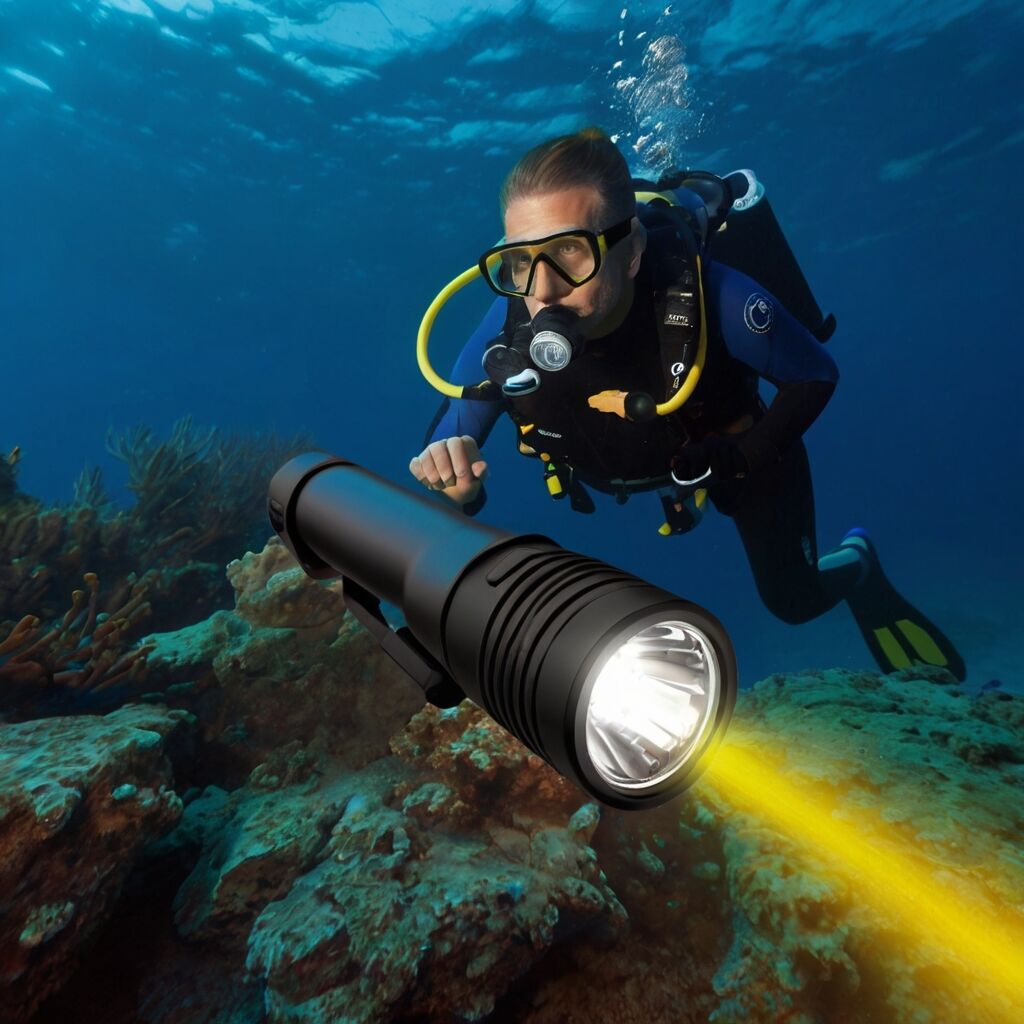
What are the necessary steps for preparing the scuba tank for boat cleaning?
Preparing the scuba tank for boat cleaning requires checking the tank pressure and ensuring it meets safe diving levels, typically above 2000 psi. The specific tools needed include brushes for scrubbing and environmentally friendly cleaning agents designed for use underwater, promoting surface integrity and preventing damage. It is advisable to allow the tank to pressurize for at least 15 minutes before use to ensure proper functionality and reliability. A minimum water visibility of 5 feet is usually necessary to see and address cleaning tasks effectively, ensuring better results and safety.

Guidelines for Safety and Maintenance of the SMACO Scuba Tank During Cleaning
Wearing appropriate safety gear while using a scuba tank for cleaning, such as a wetsuit, gloves, and a mask, is critical to prevent injuries and ensure comfort underwater. Common maintenance tasks for the SMACO scuba tank include checking the pressure gauge and inspecting the regulator for wear, which helps in maintaining reliable performance. Recognizing potential problems with the SMACO scuba tank involves monitoring for any unusual noises or air leaks that could compromise safety. In emergencies while cleaning the boat, it is essential to know how to ascend slowly, use an emergency flotation device, and communicate with your dive buddy for assistance in resolving issues.

What precautions should I consider while using scuba equipment for cleaning?
Wearing at least two layers of protective gear while cleaning underwater, including a wetsuit and gloves, enhances safety and comfort during the procedure. The maximum weight of a scuba tank that can be carried safely depends on individual strength but, for most individuals, tanks like the Mini Diving Tank S400 typically weigh around 3-5 kg, making them manageable. Checking the scuba tanks pressure gauge every 15 minutes helps ensure the tank has sufficient air for the entire cleaning duration, enhancing operational safety. The standard time limit for underwater cleaning with a tank like the SMACO Model S400 generally ranges from 30 to 60 minutes, depending on individual comfort and experience levels.
Techniques for Effective Boat Cleaning using the SMACO Scuba Tank
Using techniques such as soft scrubbing and rinsing with fresh water works best when utilizing a scuba tank underwater; this method helps remove stubborn residues like algae and barnacles effectively. Choosing the right cleaning products for underwater use includes selecting biodegradable materials that do not harm aquatic life, ensuring both efficiency and environmental responsibility. The types of residue that are most effectively removed with a scuba tank include tough organic growth, mineral deposits, and grime. To ensure thorough cleaning of hard-to-reach areas on the boat, divers should utilize long-handled brushes and nozzles designed for underwater cleaning tasks.
What cleaning methods should I use when underwater with scuba equipment?
Different cleaning methods that can be utilized with a scuba tank include scrubbing, chemical treatments, and water jetting, each tailored to the debris type being addressed. The ideal temperature range for effective cleaning is typically 60F to 80F, as it promotes comfort and efficiency during cleaning tasks. Expect to encounter a variety of debris while cleaning, including barnacles, algae, and fish waste; understanding this can help in selecting the appropriate cleaning strategy. To effectively remove barnacles or algae, a water pressure of at least 1000 psi is generally required, ensuring thorough cleaning without damaging the boat’s surface.