

Using the SMACO S400 Mini Scuba Tank for beginner scuba dive training greatly benefits novice divers by enhancing their overall training experience. This compact diving tank combines convenience, portability, and safety, making it an ideal choice for those new to the underwater world.

Exploring Beginner Scuba Dive Training with the SMACO S400 Mini Tank
The SMACO S400 Mini Scuba Tank offers several benefits that make it perfect for beginner scuba dive training. Mini scuba tanks enhance safety by reducing the weight that divers carry, making it easier to handle and control while under water; this design also allows for a less intimidating experience for novices. Renting a mini scuba tank for training is often possible at many dive shops, providing a flexible approach for those unsure about long-term commitments. When choosing a mini scuba tank for lessons, consider factors like capacity, weight, and how well it fits into your diving aspirations; the SMACO Scuba Tank S400 is a great choice for its balance of usability and storage capacity while training.

Why should beginners prefer compact scuba tanks over larger ones?
Beginners should prefer compact scuba tanks because they are lighter and more manageable, which is especially important during initial dives. A full-sized tank typically weighs over 13 kg, while a compact tank like the Scuba Tank 1L Mini weighs significantly less, making it easier to adjust to underwater experiences. A novice diver can expect anywhere from 4 to 6 dives from a mini scuba tank before needing a refill, depending on personal consumption and depth. The average dive time with a compact tank ranges from 30 to 60 minutes, allowing ample opportunity for beginners to adjust their skills and comfort in the water; mini scuba tanks usually contain around 1 liter of air, which is suitable for short dives.
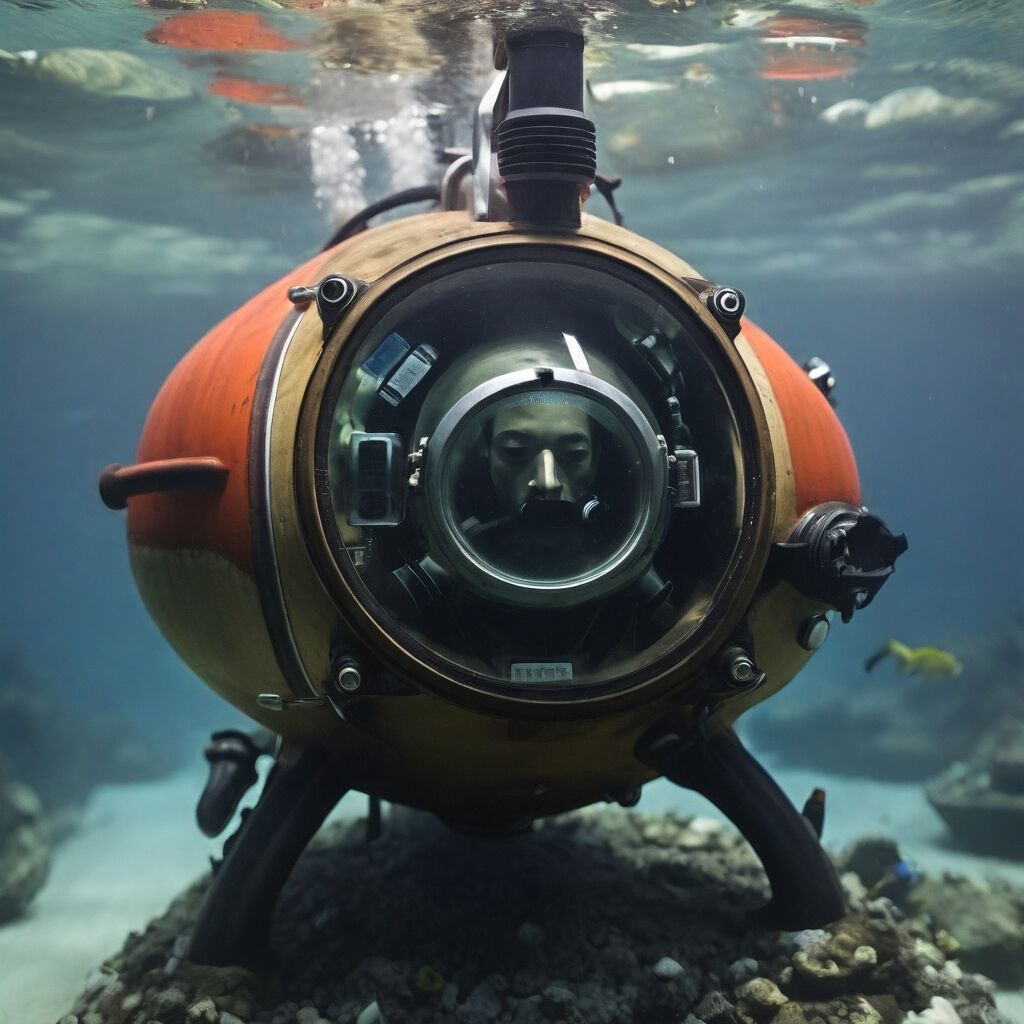
Safety Considerations When Using the SMACO S400 Mini Scuba Tank
Essential safety gear for scuba diving training includes a wetsuit, mask, fins, and, of course, the SMACO Scuba Tank S400 for reliable air supply. The SMACO Mini Tank ensures safe breathing underwater with its high-quality regulation system that delivers consistent airflow, allowing divers to focus on their technique rather than worrying about air supply. Risks associated with using a mini tank during training can include restricted air supply if not properly monitored, making it vital for beginners to understand their limits. Divers should familiarize themselves with emergency procedures such as signaling for help and safely ascending to the surface to mitigate risks while diving.

What are the best practices for novice divers using compact scuba tanks?
Novice divers should conduct at least three safety checks before a dive, ensuring all gear, including the SMACO Scuba Tank S400, is in good condition. The ideal buddy system ratio for beginners is 1:1, providing maximum safety and support; having a strong partnership in the water enhances the overall training experience. A novice diver typically takes about 12 to 20 breaths per minute, which is an essential factor when planning dive time and air consumption. The depth most recommended for beginner divers during training is usually between 5 to 12 meters, allowing enough visibility and safety for skill development.
Maintaining the SMACO S400 Mini Scuba Tank for Effective Training
Inspecting the mini scuba tank should occur at least once every few months to ensure safety and reliability; checking for leaks and performance issues helps prevent potential malfunctions. Essential maintenance steps needed for a mini scuba tank include rinsing it with fresh water after each dive and checking the regulator for wear and tear; these practices promote the durability of the equipment. Beginners can perform basic maintenance on their scuba tanks by cleaning the exterior, but they should seek professional assistance for extensive servicing. Signs that a mini scuba tank needs service include visible damage, air leaks, or any irregular performance during the dive, and addressing these issues promptly prevents dangers.
How can users ensure longevity and safety of compact scuba equipment?
A recommended monthly inspection frequency for a mini scuba tank is essential to ensure reliability and safety during dives; routine checks provide peace of mind for users. After each dive, a tank should be emptied of all air to prevent moisture buildup that can cause damage over time; maintaining the equipment ensures its efficient performance. It is ideal to keep at least 500 psi remaining in the tank during training to provide a safety buffer; this practice allows divers to handle unexpected situations calmly. A well-maintained mini scuba tank can last anywhere from 5 to 15 years based on its use and care, making attention to maintenance vital for diving adventures.