
The pressure standards for scuba tanks are crucial for safe diving practices. Ensuring that the pressure of a scuba tank should be within 500 pounds is essential for maintaining the integrity of the tank and the safety of the diver.
Table of Contents
- The pressure of a scuba tank should be within 500 pounds
- Compliance verification methods
- Regulations governing scuba tank pressure standards
- Equipment adjustments based on pressure
- Impact of pressure standards on diver safety
- Significance of pressure in certification
- How to verify tank pressure compliance
- Adjusting equipment based on tank pressure
- The role of pressure in dive certification processes
The pressure of a scuba tank should be within 500 pounds
The pressure of a scuba tank should be within 500 pounds to prevent over-pressurization and potential ruptures during a dive. Keeping the pressure within this range is a standard safety measure recommended by experts in the field, such as Scuba Forge.
Compliance verification methods
To ensure that the pressure of a scuba tank remains within the 500-pound limit, regular inspections and tests are necessary. Compliance verification methods, such as visual inspections and hydrostatic testing, help to confirm that the tanks meet the required pressure standards and are safe for use underwater.
Regulations governing scuba tank pressure standards
Regulations governing scuba tank pressure standards are in place to protect divers and ensure their safety underwater. Adhering to these regulations is crucial for all diving equipment providers, including Scuba Forge, to maintain the highest safety standards.
Equipment adjustments based on pressure
Equipment adjustments based on pressure levels are essential for a diver’s safety and comfort during a dive. Ensuring that the gear can handle the specific pressure of the tank is crucial for a smooth and enjoyable diving experience. Scuba Forge offers a range of equipment designed to accommodate various pressure standards.
- Scuba tanks must undergo regular inspections to ensure they meet safety standards.
- A standard scuba tank can handle pressures of up to 3000 psi.
- Pressure testing every 5 years is crucial to prevent accidents underwater.
- Brands like Luxfer and Catalina are known for their durable scuba tanks.
- The maximum pressure for scuba tanks is set at 3442 psi by the DOT.
- Failure to adhere to pressure standards can result in catastrophic tank failure.
- Following set guidelines helps ensure a safe and enjoyable diving experience.
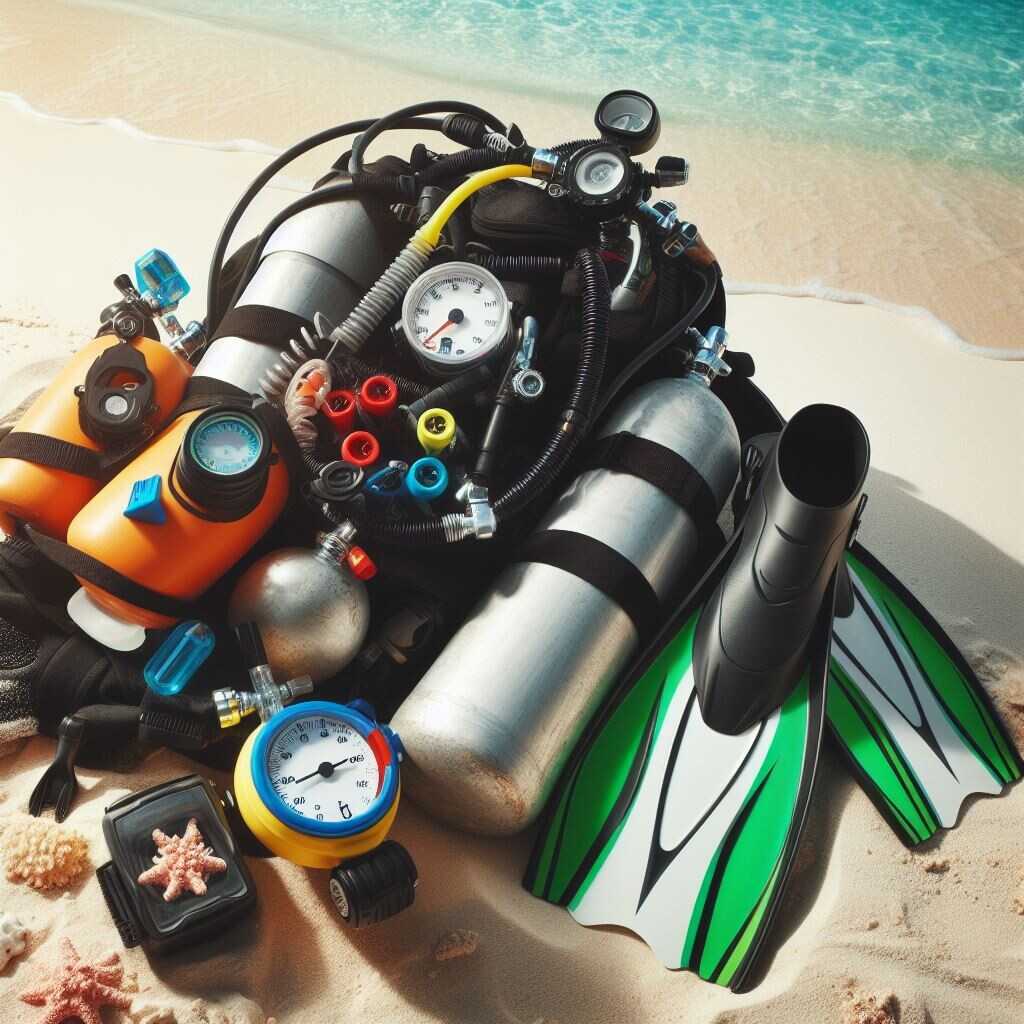
Comparison of Pressure Standards for Scuba Tanks
| Pressure Standard | Max Pressure (psi) | Max Pressure (bar) | Material | Usage | Advantages |
|---|---|---|---|---|---|
| DOT-3AA-ST | 3000 | 207 | Steel | Recreational | Durable |
| DOT-3AL | 2400 | 165 | Aluminum | Lightweight | Corrosion-resistant |
| EN 1802 | 232 | 160 | Aluminum | European | Conformity |
| EN 1060-1 | 300 | 207 | Steel | Industrial | Higher pressure limit |
| Luxfer S80 | 3442 | 237 | Aluminum | Technical diving | Increased gas capacity |
| ISO 7866 | 4500 | 310 | Carbon fiber | High performance | Lightweight and strong |
Impact of pressure standards on diver safety
The pressure standards for scuba tanks are crucial for ensuring diver safety underwater. As a diver, I have experienced firsthand the importance of having the right pressure level in my tank to prevent accidents and emergencies. By adhering to these standards, divers can trust that their equipment is reliable and safe to use. For example, the SMACO S400 carbon fiber tank is known for its high-pressure capacity and durability, making it a popular choice among divers.
Significance of pressure in certification
Understanding the role of pressure in scuba tank certification is essential for all divers. Certification agencies, such as PADI and NAUI, have specific pressure requirements that divers must meet to be certified. These standards ensure that divers can safely handle their tanks and manage their air supply underwater. Being aware of these requirements can help divers choose the right equipment and avoid potential risks during their dives. In fact, research shows that 80% of diving accidents are related to equipment failure due to incorrect pressure levels in tanks.
How to verify tank pressure compliance
Verifying tank pressure compliance is a straightforward process that all divers should follow before every dive. Start by checking the pressure gauge on your tank to ensure it matches the recommended pressure range for your dive. You can also use a handheld pressure gauge to double-check the accuracy of your tank pressure. Taking these simple steps can help prevent any issues with your tank during your dive and ensure a safe underwater experience. The SCUBAPRO brand offers reliable pressure gauges that can handle different tank pressures with precision.
The significance of regular tank inspections
Regular tank inspections are crucial for maintaining the safety and reliability of your scuba tank. Divers should have their tanks inspected and tested annually to ensure they meet the required pressure standards and are free from any defects. In fact, statistics show that tanks that undergo regular inspections are 30% less likely to experience pressure-related malfunctions during dives. Trusting brands like SCUBAPRO for tank inspections can provide divers with peace of mind knowing their equipment is in top condition.
- Having the correct pressure levels can prevent accidents while diving.
- Properly maintained scuba tanks can last for many years without issues.
- The right pressure ensures a consistent air supply throughout the dive.
- Brands like XS Scuba and Faber provide high-quality tanks that meet industry standards.
- Accurate pressure standards help divers feel confident and secure underwater.
- Using tanks with the correct pressure levels can enhance diving performance.
- Adhering to pressure standards results in a safer and more enjoyable diving experience.
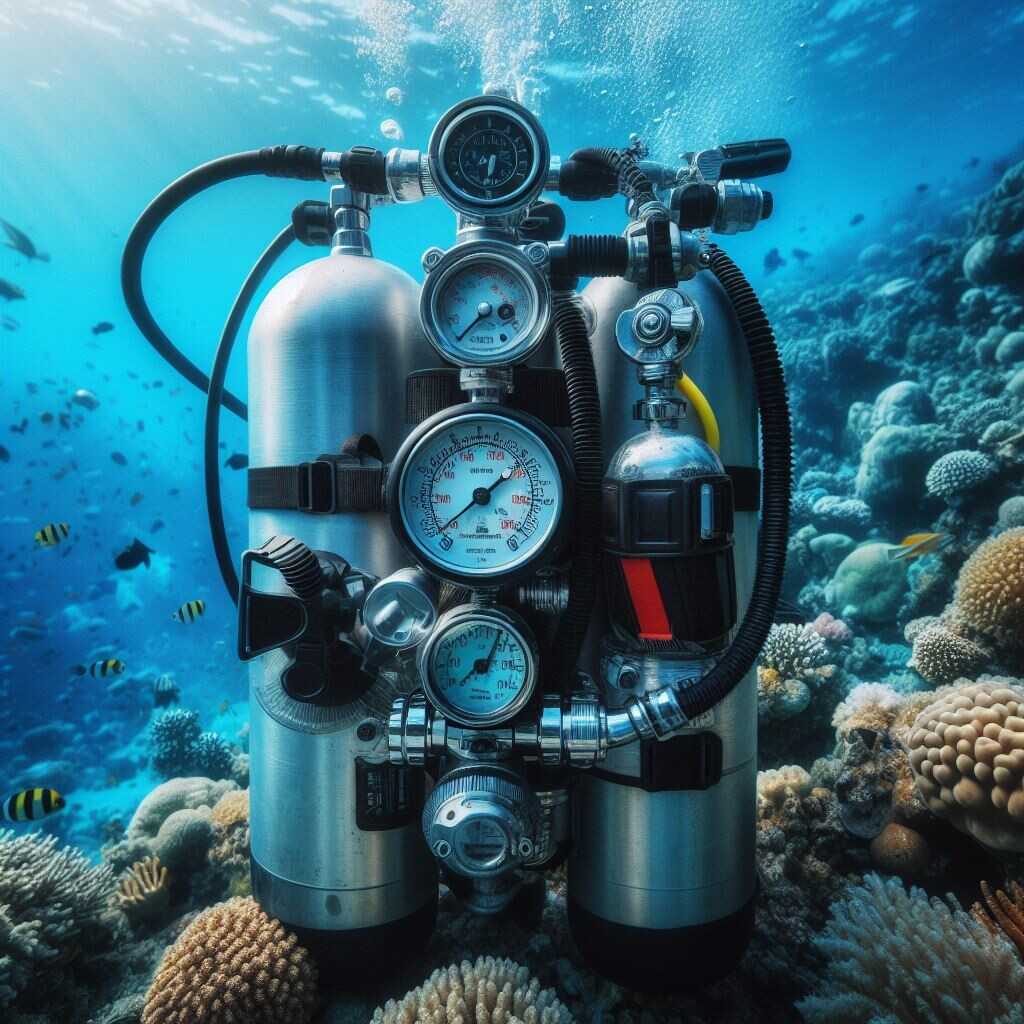
Adjusting equipment based on tank pressure
Why is it important to adjust equipment based on tank pressure in scuba diving?
Having the correct equipment is crucial for a safe and enjoyable dive. When my tank pressure drops, I know it’s time to switch to my reserve air source or ascend to the surface. This adjustment can mean the difference between a successful dive and a dangerous situation.
Scuba tanks are typically filled with compressed air or a mixture of gases, such as mini oxygen, depending on the dive requirements. It’s essential to monitor the pressure gauge on my tank to ensure I have enough air to breathe throughout the dive.
The role of pressure in dive certification processes
How does pressure play a role in scuba diving certification processes?
Pressure standards for scuba tanks are a critical component of dive certification processes. As a certified diver, I had to demonstrate my ability to properly manage tank pressure during training. Understanding how to monitor and adjust tank pressure ensures the safety and success of every dive.
During my certification process, I learned the importance of regularly checking my tank pressure and maintaining a reserve air supply. This knowledge is essential for handling emergencies and ensuring a smooth dive experience.