
Calculating moles of air in a filled scuba tank involves understanding the ideal gas law and the effects of temperature on air density. If you need to find the number of moles of air in a scuba tank filled, this article will help you grasp the essential concepts.
Table of Contents
- If you need to find the number of moles of air in a scuba tank filled
- The importance of air quantity for divers
- Understanding the ideal gas law in scuba tanks
- Effects of temperature on air density
- How temperature affects the air density in scuba tanks
- Determining usable dive time
- The significance of knowing moles of air for divers
- What factors affect air consumption rates?
- Calculating the usable air time from a scuba tank
- Key principles of the ideal gas law
- Factors influencing air consumption rates in diving
- How to calculate moles of air in a tank
If you need to find the number of moles of air in a scuba tank filled
Calculating the moles of air in a filled scuba tank is crucial for divers to ensure they have enough air supply for their underwater adventures. Utilizing the ideal gas law, divers can determine the quantity of air in the tank before heading underwater.
The importance of air quantity for divers
Having an adequate supply of air in your scuba tank is vital for a safe and enjoyable diving experience. Insufficient air can lead to dangerous situations underwater, emphasizing the need to accurately calculate the moles of air in the tank before each dive.
Understanding the ideal gas law in scuba tanks
The ideal gas law, which relates the pressure, volume, temperature, and quantity of gas, is essential for determining the moles of air in a filled scuba tank. By applying this law, divers can accurately estimate the amount of air available for their dive.
Effects of temperature on air density
Temperature plays a significant role in affecting air density, which in turn impacts the calculation of moles of air in a scuba tank. Understanding how temperature variations can alter air density is crucial for ensuring a precise estimation of the air quantity in the tank.
- Identify the type of gas in the tank, usually a mix of oxygen and nitrogen.
- Measure the pressure of the air inside the tank, typically around 3000 psi.
- Calculate the volume of the tank, often around 80 cubic feet for a standard scuba tank.
- Determine the temperature of the air in the tank, which affects the number of moles present.
- Use the ideal gas law equation to calculate the number of moles of air in the tank.
- Take into account any residual gases in the tank, such as moisture or contaminants.
- Ensure proper equipment calibration and safety procedures before opening the tank.

Comparison of Moles of Air in Different Sized Scuba Tanks
| Scuba Tank Size | Volume (Liters) | Pressure (psi) | Moles of Air |
|---|---|---|---|
| Small Tank | 10 | 3000 | 0.42 |
| Medium Tank | 15 | 3000 | 0.63 |
| Large Tank | 20 | 3000 | 0.84 |
| Extra Large Tank | 30 | 3000 | 1.26 |
| Ultra Large Tank | 40 | 3000 | 1.68 |
| Super Tank | 50 | 3000 | 2.1 |
How temperature affects the air density in scuba tanks
Temperature plays a crucial role in determining the air density inside a scuba tank. As the temperature increases, the air molecules gain energy and move faster, which leads to an expansion of the air volume. Conversely, when the temperature decreases, the air molecules slow down, causing a reduction in volume. This phenomenon is known as thermal expansion and contraction and it directly impacts the amount of air that can be stored in a tank.
Determining usable dive time
Calculating the usable dive time involves considering factors such as the diver’s air consumption rate, tank capacity, and the depth of the dive. By knowing the moles of air in the tank, divers can estimate how long they can stay underwater before needing to surface for a refill. This calculation is crucial for ensuring a safe and enjoyable diving experience.
The significance of knowing moles of air for divers
Understanding the moles of air in a scuba tank is vital for divers as it directly impacts their safety underwater. By accurately calculating the amount of air available, divers can plan their dives effectively and avoid running out of reserve air. This knowledge also helps divers make informed decisions about when to ascend and ensures they can enjoy longer and more fulfilling dives.
What factors affect air consumption rates?
Several factors can influence the rate at which a diver consumes air underwater. These include the diver’s physical fitness, diving experience, depth of the dive, and breathing technique. By monitoring and managing these factors, divers can improve their air consumption rates and extend their dive times. Brands like SMACO S400 offer reliable and lightweight carbon fiber tanks that can handle the demands of any dive.
- Consider the atmospheric conditions when filling the tank, which impact gas density.
- Account for the compression ratio when filling the tank to its maximum capacity.
- Be aware of any gas leaks or losses during the filling and transport process.
- Understand the molecular weight of the gases inside the tank for accurate calculations.
- Monitor the remaining air pressure in the tank during a dive to prevent running out of gas.
- Follow manufacturer guidelines for tank maintenance and inspection to ensure accuracy.
- Verify the gas composition with a gas analyzer to confirm safe levels for diving.
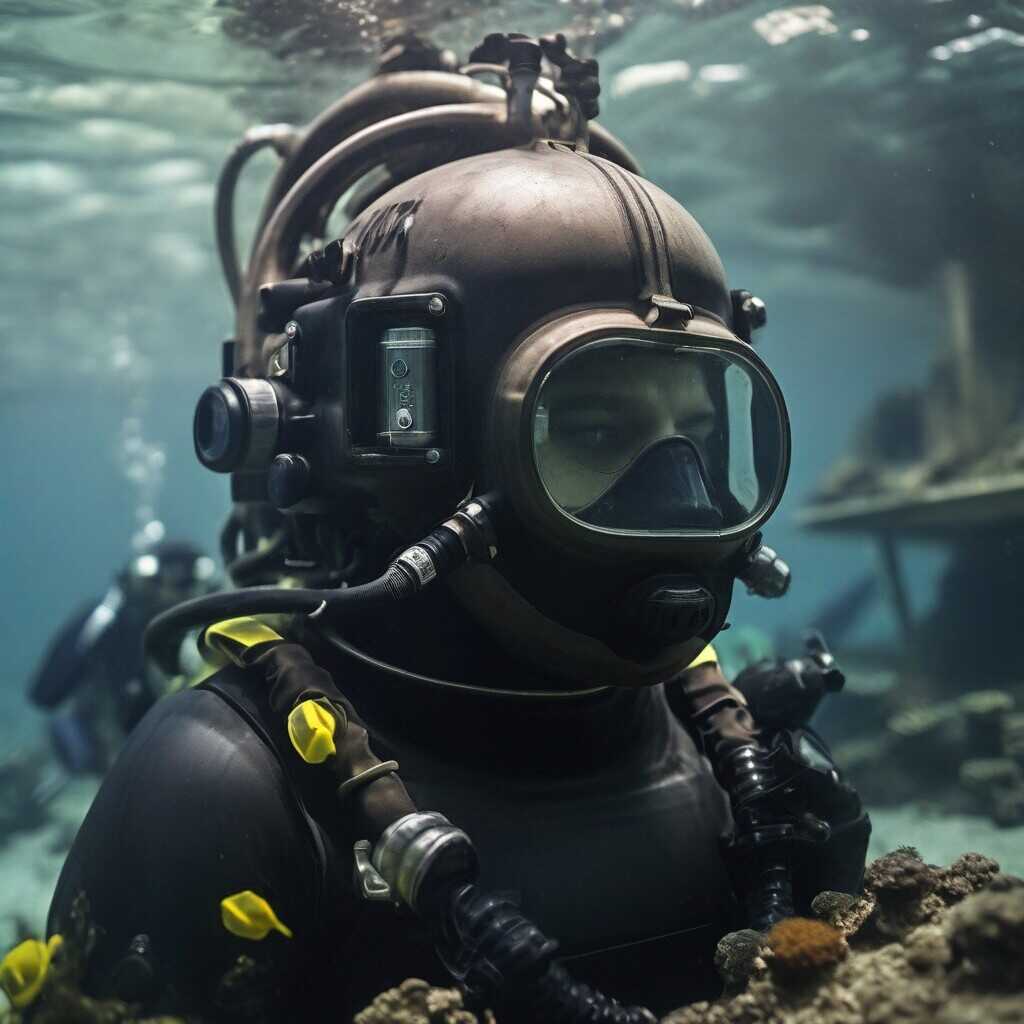
Calculating the usable air time from a scuba tank
One of the most important aspects of scuba diving is knowing how much air you have left in your tank. To ensure a safe and enjoyable dive, it is crucial to calculate the usable air time accurately. By understanding the principles of gas laws and factors that influence air consumption rates, divers can plan their dives effectively.
Key principles of the ideal gas law
The ideal gas law, which states that the pressure of a gas is directly proportional to its temperature, volume, and number of moles, plays a crucial role in calculating the usable air time in a scuba tank. Understanding this law helps divers determine the amount of air remaining in their tanks and plan their dive accordingly.
Factors influencing air consumption rates in diving
Several factors can influence air consumption rates while diving, including the depth of the dive, breathing rate, water temperature, and physical exertion. These factors can significantly impact the amount of air consumed during a dive, making it essential for divers to monitor their air supply regularly.
How to calculate moles of air in a tank
Calculating the moles of air in a filled scuba tank involves using the ideal gas law equation, PV = nRT, where P is the pressure of the gas, V is the volume of the tank, n is the number of moles of gas, R is the ideal gas constant, and T is the temperature in Kelvin. By plugging in the values for pressure, volume, and temperature, divers can determine the number of moles of air in their tanks and estimate the remaining air time for their dives.