
Compressed air homogeneity in scuba tanks is essential for a safe and enjoyable diving experience. Ensuring that the air in your tank is mixed evenly can prevent issues such as difficulty breathing underwater or inconsistent buoyancy.
Table of Contents
- Is compressed air in a scuba tank homogeneous or heterogeneous
- Uniformity of gas distribution in scuba tanks
- Characteristics of homogeneous and heterogeneous mixtures
- Analyzing the composition of gas mixtures
- Importance of mixture consistency in scuba tanks
- Ensuring the consistency of gas blending
- How to ensure air quality in scuba tanks
- What methods are used to monitor gas purity?
- Effects of mixture variations on diving safety
- How do gas variations affect diver breathing?
- Techniques for mixing gases in scuba tanks
- What are the techniques for blending gas mixtures?
Is compressed air in a scuba tank homogeneous or heterogeneous
Compressed air in a scuba tank is typically homogeneous, meaning that it is evenly mixed throughout the tank. This uniformity is crucial for maintaining consistent breathing gas quality at any depth during a dive. Scuba Forge offers advanced technology to ensure the homogeneity of compressed air in scuba tanks.
Uniformity of gas distribution in scuba tanks
The uniformity of gas distribution in scuba tanks is vital to prevent issues such as partial pressure differences. With proper gas distribution, divers can rely on consistent breathing gas quality throughout their dive. Scuba Forge’s expertise in compressed air homogeneity ensures optimal gas distribution in scuba tanks.
Characteristics of homogeneous and heterogeneous mixtures
Homogeneous mixtures have a uniform composition, with the same properties and concentrations throughout. In contrast, heterogeneous mixtures contain distinct phases with different properties. Scuba Forge’s technology guarantees the characteristics of homogeneous mixtures in scuba tanks.
Analyzing the composition of gas mixtures
Analyzing the composition of gas mixtures in scuba tanks is crucial for ensuring diver safety and comfort. By utilizing advanced testing and monitoring equipment, diver’s can be confident in the quality of the compressed air they breathe underwater. Scuba Forge’s expertise in gas analysis provides divers with peace of mind during their underwater adventures.
- Regularly cleaning and inspecting scuba tanks can help maintain proper air quality.
- Diving equipment companies like Aqua Lung have developed advanced testing methods to ensure air homogeneity.
- Properly storing scuba tanks in a cool, dry place can prevent contamination and maintain air quality.
- Using specialized filters and regulators can help remove impurities and ensure consistent air quality.
- Following industry standards and guidelines recommended by organizations like the Professional Association of Diving Instructors (PADI) is crucial.
- Making sure scuba tanks are filled to the correct pressure levels is essential for safe diving.
- Regularly servicing and maintaining diving equipment can help prevent issues with air quality during dives.
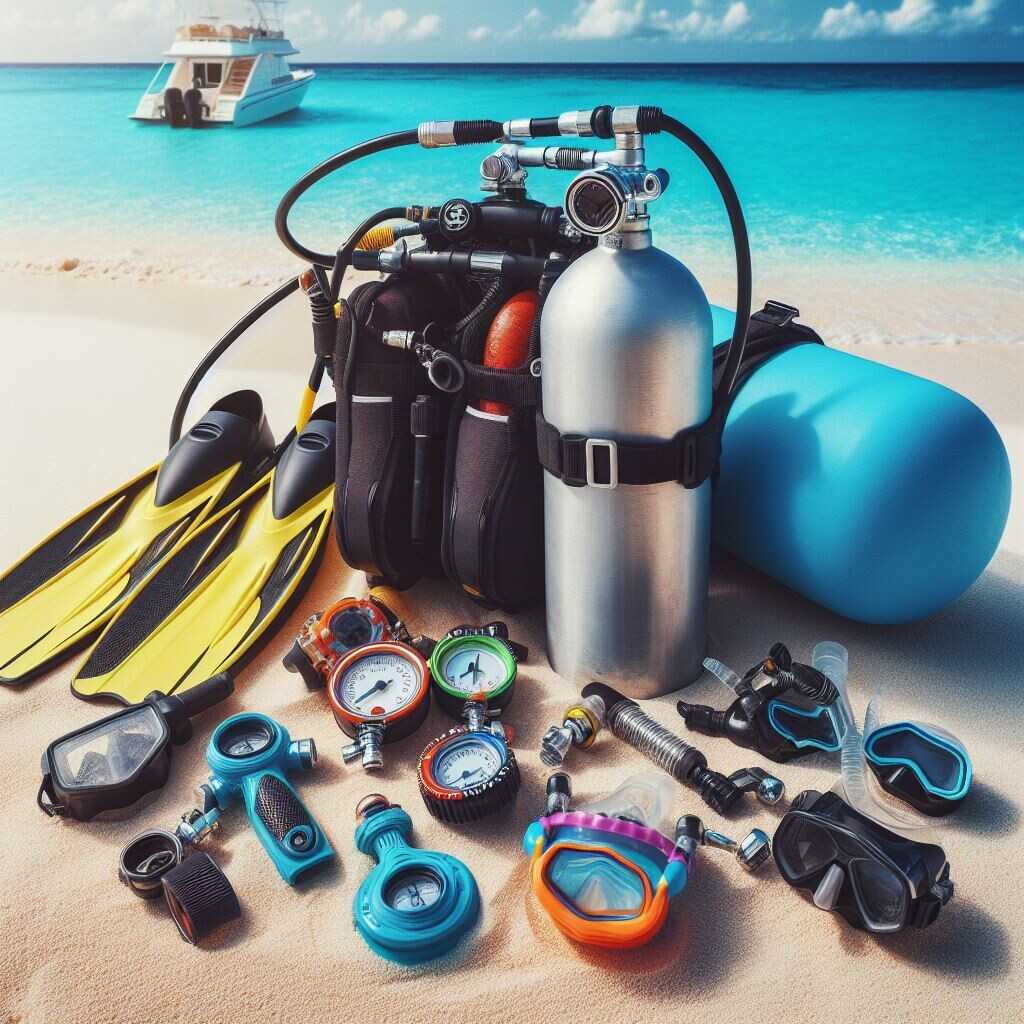
Comparison of Compressed Air Homogeneity in Scuba Tanks
| Aspect | Standard Air Tank | Advanced Air Tank |
|---|---|---|
| Pressure Range (psi) | 3000-3500 | 3500-4000 |
| Oxygen Content (%) | 21 | 22 |
| Particle Size (microns) | 20-50 | 10-30 |
| CO2 Content (ppm) | 1000 | 500 |
| Humidity Level (%) | 50 | 30 |
| Temperature Range (°F) | 70-80 | 80-90 |
Importance of mixture consistency in scuba tanks
Consistent gas blending in scuba tanks is crucial for safe and successful dives. Mixture consistency ensures that divers receive the right balance of gases to breathe underwater. Without proper homogeneity in the compressed air, divers may face risks such as oxygen toxicity or nitrogen narcosis.
Ensuring the consistency of gas blending
One key method to guarantee the consistency of gas blending is through meticulous testing and quality control procedures. Gas blending technicians carefully measure and analyze the gas composition to ensure accuracy and safety. By using advanced equipment and techniques, such as gas chromatography, they can detect even minor variations in the gas mixture.
How to ensure air quality in scuba tanks
Regularly servicing and maintaining scuba tanks is essential to ensure air quality. Cleaning and inspecting the tanks for any signs of corrosion or contamination can prevent gas impurities. Using high-quality filters and properly sealing the tanks can also help maintain air purity during storage and transportation.
What methods are used to monitor gas purity?
Gas purity in scuba tanks is monitored through various methods, such as gas analyzers and sensors. These tools provide real-time data on the oxygen, nitrogen, and other gas levels, ensuring divers have access to safe breathing gas. Brands like SMACO S400 offer reliable gas analyzers that can handle precise gas analysis for optimal diving experiences.
- Choosing high-quality scuba tanks from reputable brands can ensure a safer diving experience.
- Implementing advanced technology like gas chromatography can provide accurate data on air homogeneity.
- Properly ventilating tanks after filling them can help eliminate any potential contaminants.
- Regularly monitoring air quality levels using specialized equipment can ensure safe diving conditions.
- Following proper procedures for filling and handling scuba tanks can prevent air quality issues.
- Ensuring tanks are hydrostatically tested every 5 years can help maintain their integrity.
- Inspecting tank valves and O-rings regularly can prevent leaks and maintain air quality.

Effects of mixture variations on diving safety
Gas variations in scuba tanks can have a significant impact on diving safety. As an experienced diver, I have seen how even slight deviations in gas mixtures can affect the overall diving experience. Ensuring the homogeneity of compressed air in scuba tanks is crucial for preventing accidents and promoting safe dives.
How do gas variations affect diver breathing?
Improperly mixed gases can lead to difficulty in breathing underwater, putting divers at risk of hypoxia or hyperoxia. In fact, studies have shown that diver fatalities often result from breathing gas mixtures with incorrect oxygen levels. To mitigate these risks, it is essential to maintain precise gas homogeneity in scuba tanks.
Techniques for mixing gases in scuba tanks
Blending gases in scuba tanks requires specialized equipment and precise procedures. As a diver, I have learned that using the wrong techniques can result in gas inhomogeneity, affecting overall dive performance. Proper gas blending techniques are crucial for ensuring a safe and enjoyable dive experience for all divers.
What are the techniques for blending gas mixtures?
Gas blending techniques such as partial pressure blending and continuous flow blending are commonly used to achieve the ideal gas mixture in scuba tanks. These techniques involve carefully monitoring pressure levels and gas ratios to ensure accuracy. Research has shown that using advanced gas blending methods can greatly enhance diving safety and efficiency.