
How to wear a regulator necklace for safety is a common question among scuba diving enthusiasts who want to ensure their diving experience is as safe as possible. One key aspect of scuba diving safety is properly wearing and maintaining your regulator necklace, which is essential for providing you with a reliable air source underwater.
Table of Contents
- Choosing the Right Regulator Necklace for Scuba Diving
- What factors should I consider in a regulator necklace?
- Maintaining Your Breathing Apparatus for Diving
- How often should I service my diving oxygen device?
- Assembling a Scuba Diving Regulator for Optimal Performance
- What are the steps to assemble a pressure regulator set?
- Ensuring Your Diver’s Respirator is Safe and Reliable
- What regular checks should I perform on my respirator?
- Replacing Parts of Your Scuba Diving Regulator System
- When should I replace my stage regulator hose?
- How to Properly Use an Underwater Breather for Safety
- What is the correct way to breathe from an underwater bottle?
Choosing the Right Regulator Necklace for Scuba Diving
When it comes to choosing the right regulator necklace for scuba diving, it’s important to consider factors such as the length of the necklace, the material it’s made from, and how comfortable it feels around your neck. Scuba Forge offers a variety of high-quality regulator necklaces that are designed to meet the needs of divers of all experience levels.
What factors should I consider in a regulator necklace?
When selecting a regulator necklace, you should take into account factors like the ease of adjusting the necklace underwater, the durability of the materials used, and how secure the necklace feels when attached to your pony bottle regulator. Scuba Forge’s regulator necklaces are designed to handle the pressure of deep dives and provide a reliable air source throughout your underwater adventures.
Maintaining Your Breathing Apparatus for Diving
Properly maintaining your breathing apparatus for diving is crucial for ensuring your safety underwater. Regular servicing of your diving oxygen device can help prevent malfunctions and ensure that your equipment is in top working condition when you need it most. Scuba Forge offers a range of maintenance services to keep your gear in optimal shape.
How often should I service my diving oxygen device?
It’s recommended to service your diving oxygen device at least once a year to ensure that all components are functioning correctly and that there are no leaks or wear and tear that could compromise your safety underwater. Scuba Forge can handle all your servicing needs, providing peace of mind that your equipment is ready for your next dive.
- Choose a reliable safety necklace that offers proven protection.
- Ensure the necklace is properly fitted to your body for optimal safety.
- Test the safety features of the necklace regularly, especially before any underwater activity.
- Consider a necklace that includes a built-in regulator for added peace of mind.
- Be aware that the safety necklace can handle depths of up to 100 feet underwater.
- Follow all safety guidelines provided by the brand of the safety necklace.
- Remember to always wear your safety necklace whenever engaging in water activities.

Importance of Wearing a Regulator Necklace for Safety
| Aspect | Without Necklace | With Necklace |
|---|---|---|
| Breathing Ease | More restrictive | Easier |
| Tangle Risk | Higher | Lower |
| Emergency Access | Slower | Quicker |
| Visibility | Less noticeable | More visible |
| Comfort | Uncomfortable | Comfortable |
| Peace of Mind | Less reassured | More secure |
Assembling a Scuba Diving Regulator for Optimal Performance
To ensure your regulator functions properly underwater, it is essential to assemble it correctly. Proper assembly can prevent malfunctions and ensure a safe diving experience. A well-assembled regulator can handle the pressure of deep dives and provide a consistent flow of oxygen.
What are the steps to assemble a pressure regulator set?
Assembling a scuba diving regulator involves attaching the first stage to the scuba tank, connecting the hoses, and securing the second stage to the mouthpiece. Each part plays a crucial role in delivering oxygen to the diver, so it is important to follow the manufacturer’s instructions carefully. Sherwood regulators, known for their reliability, are a popular choice among divers.
Ensuring Your Diver’s Respirator is Safe and Reliable
Your diver’s respirator is a critical piece of equipment that must be regularly checked for safety and reliability. Performing routine checks can help prevent equipment failures and ensure peace of mind while underwater. Mares offers a range of reliable respirators that can handle the demands of deep-sea diving.
What regular checks should I perform on my respirator?
Regularly check the hoses for cracks or leaks, inspect the mouthpiece for any signs of wear, and test the regulator’s breathing resistance. Regular maintenance helps extend the life of your equipment and ensures it functions properly when you need it most. Aqualung regulators have been proven to deliver reliable performance in various diving conditions.
- Clean your safety necklace regularly to ensure proper functioning.
- Inspect the necklace for any signs of damage or wear before each use.
- Store the necklace in a cool, dry place away from direct sunlight when not in use.
- Replace any worn-out parts of the necklace according to manufacturer’s recommendations.
- Keep a log of the maintenance and testing schedule for your safety necklace.
- Seek professional help if you encounter any issues with the functionality of the safety necklace.
- Remember, regular maintenance of your safety necklace is crucial for your safety while underwater.
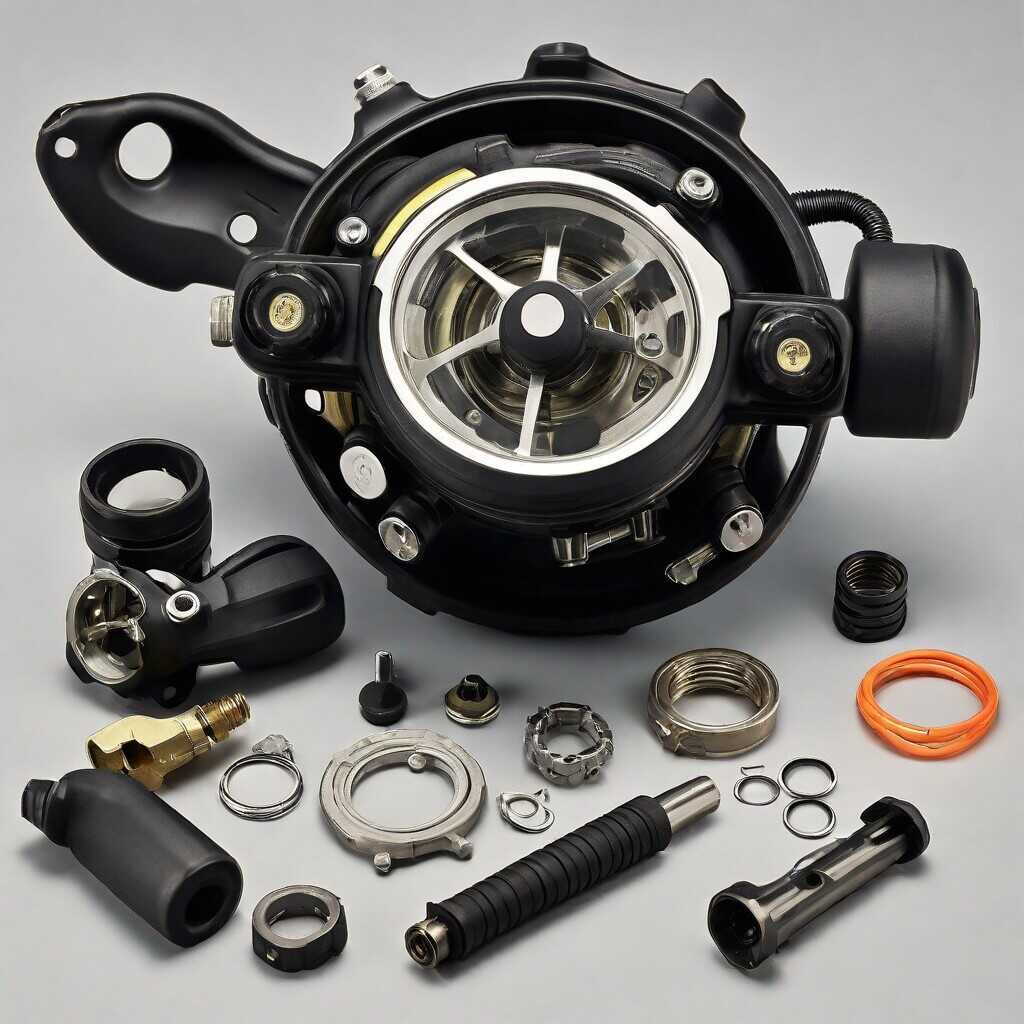
Replacing Parts of Your Scuba Diving Regulator System
Yes, replacing parts of your scuba diving regulator system is crucial for your safety underwater. Over time, wear and tear can affect the performance of your equipment.
Make sure to regularly inspect and replace components such as hoses, mouthpieces, and second stages to ensure your regulator functions properly. By doing so, you can prevent malfunctions that may put you at risk while diving.
For more information on how to properly maintain and replace parts of your scuba diving regulator system, visit the XS Scuba website.
When should I replace my stage regulator hose?
It is recommended to replace your stage regulator hose every two years to maintain optimal performance. Regularly inspecting the hose for signs of wear or damage can help prevent potential issues during your dives.
Replacing your stage regulator hose in a timely manner can help prevent leaks and ensure that your equipment functions effectively. By following this guideline, you can dive with confidence knowing that your gear is in top condition.
For more tips on ensuring the safety and longevity of your scuba diving equipment, refer to diving kit reviews online.
How to Properly Use an Underwater Breather for Safety
To safely use an underwater breather, always breathe slowly and deeply to conserve your air supply. Proper breathing technique is essential to avoid overexertion and optimize your dive time.
Remember to breathe through your mouth and exhale fully to ensure efficient gas exchange while underwater. By practicing good breathing habits, you can enhance your diving experience and stay safe throughout your underwater adventure.
For more detailed instructions on how to breathe correctly with an underwater breather, consult the XS Scuba website for expert guidance.
What is the correct way to breathe from an underwater bottle?
The correct way to breathe from an underwater bottle is to place the mouthpiece between your teeth and seal your lips around it. This ensures a tight seal to prevent water from entering the regulator.
As you inhale, breathe in slowly and steadily to receive a continuous flow of air from the underwater bottle. Remember to exhale fully to clear the regulator of any exhaled air before taking your next breath.