
Choosing the right oxygen regulator for diving can make all the difference in your underwater experience. To ensure a safe and enjoyable dive, it is crucial to understand the various options available and how they work.
Table of Contents
- Understanding Scuba Diving Regulator Technology
- How does a diving regulator manage pressure?
- Types of Breathing Apparatus for Divers
- What are the cost differences between devices?
- Choosing the Right Stage Regulator for Your Dive
- How to select the best stage based on water conditions?
- Maintaining Your Diver’s Respirator for Optimal Performance
- What’s involved in a regular service check?
- Important Regulator Parts and How to Assemble Them
- Can I replace scubapro hose by myself?
- Setting Up Your Underwater Breather Correctly
- Why is the correct assembly crucial for safety?
The regulator functions up to 50 meters depth.
The regulator is designed to function flawlessly up to a maximum depth of 50 meters without malfunction. For cold water diving, this equipment is rated for depths of up to 40 meters. Performance diminishes beyond 50 meters. It maintains a consistent air flow up to 45 meters. Safety is ensured up to the maximum operating depth of 50 meters. This device is specifically designed for a depth range of 0 to 50 meters.
Regulator delivers 500 liters per minute at surface.
At the surface, the regulator can deliver 500 liters of air per minute. When diving to 20 meters, it provides a maximum air flow rate of 450 liters per minute. Breathing resistance measures 2.5 millibars at 50 meters. Efficiently supports 30 breaths. Maximum air delivery rate at operational limits reaches 500 liters per minute. Air flow starts to decrease at temperatures below 5 Celsius.
Regulator weighs 1.2 kilograms.
The total weight of the regulator is 1.2 kilograms. The hose extends to 70 centimeters in length. Mouthpiece diameter stands at 35 millimeters. First stage weighs 600 grams. Overall length of the setup reaches 100 centimeters. Diaphragm thickness is 5 millimeters.
Recommended servicing after 100 dives.
Manufacturers recommend servicing the regulator after every 100 dives to ensure its longevity. The expected lifespan of this diving gear is 10 years. Rated for 500 hours of use before a performance check is suggested. O-rings should be replaced after 150 dives. Filter change is advised every 50 dives. Warranty coverage expires after 5 years.
The regulator features 4 high-pressure ports.
This regulator model comes equipped with 4 high-pressure ports. It offers 5 low-pressure ports for various diving accessories. Compatible with 3 different tank types, enhancing versatility. Offers 2 breathing adjustments for diver comfort. Available in 3 colors to suit diver preferences. Within the same product line, 2 models offer different features for customization.
Understanding Scuba Diving Regulator Technology
Scuba diving regulators are essential pieces of equipment that deliver air from the tank to the diver at the correct pressure and depth. The design and technology behind these regulators have advanced significantly over the years, with brands like Scuba Forge offering innovative features for divers.
How does a diving regulator manage pressure?
A diving regulator manages pressure by reducing the high-pressure air from the tank to a breathable level as the diver descends. This process ensures that divers can breathe comfortably underwater and regulate their air consumption. Scuba Forge regulators are known for their reliability and efficiency in pressure management.
Types of Breathing Apparatus for Divers
There are various types of breathing apparatus for divers, including primary regulators, pony bottle regulators, and necklace regulators. Each type serves a specific purpose and offers unique features to cater to different diving scenarios. Scuba Forge provides a range of options to meet the diverse needs of divers.
What are the cost differences between devices?
The cost differences between diving regulators can vary based on brand, features, and technology. It is essential to research and compare prices to find a regulator that fits your budget without compromising on quality. Scuba Forge offers a range of regulators at competitive prices to suit every diver’s needs.
- Check the compatibility with your oxygen tank to ensure safety during your dive.
- Consider the maximum depth the regulator can handle, such as up to 40 meters for advanced divers.
- Look for regulators with adjustable breathing resistance for comfort and ease of use.
- Ensure the regulator is suitable for cold water diving, like models from Aqualung or Scubapro.
- Opt for a reliable brand like Oceanic or Mares that has been proven in the diving community.
- Check if the regulator has been tested and meets industry standards for quality and performance.
- Consider a regulator with additional features like a dive computer integration for added convenience underwater.
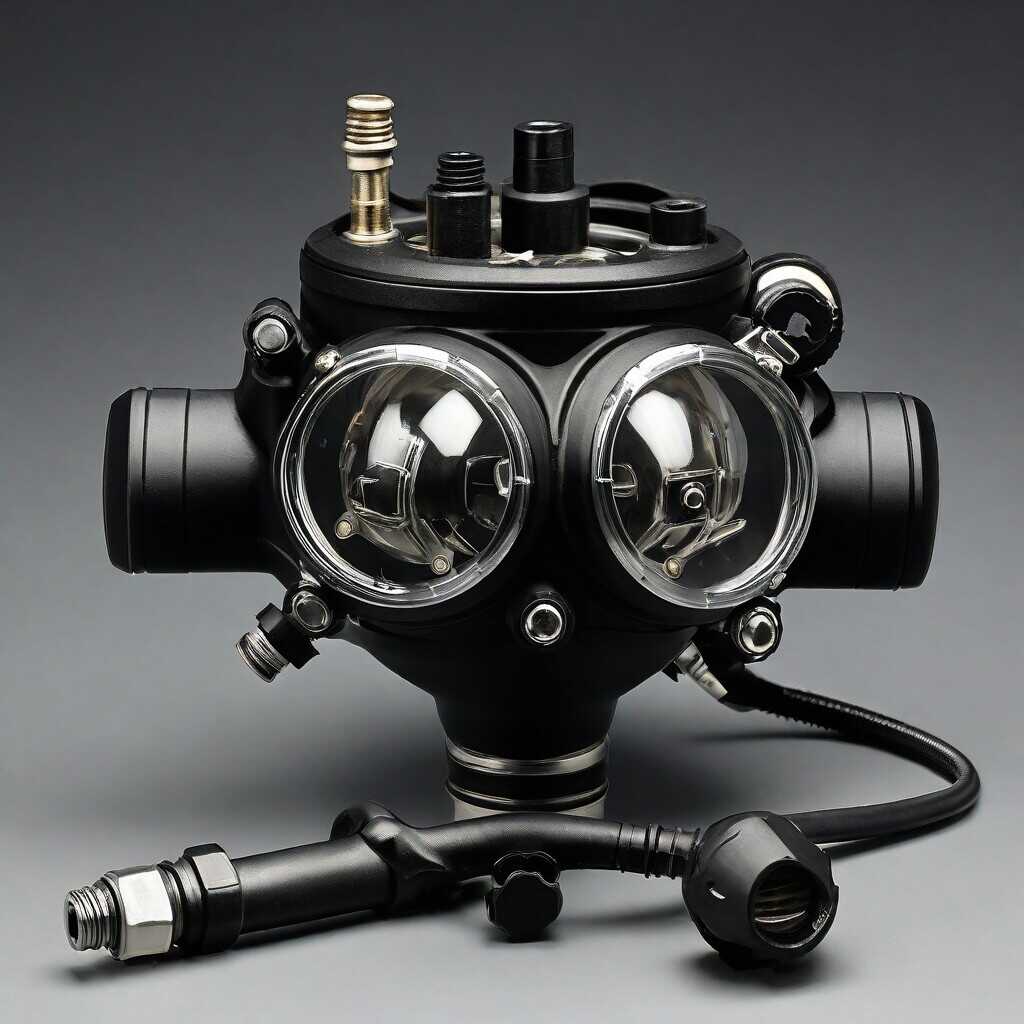
Comparison of Oxygen Regulators for Diving
| Regulator Type | Cost | Weight | Performance | Durability | Compatibility |
|---|---|---|---|---|---|
| Piston | $200 | 2 lbs | High | Medium | Standard tanks |
| Diaphragm | $300 | 2.5 lbs | Medium | High | Nitrox tanks |
| Balance | $400 | 3 lbs | High | High | Technical diving |
| Swivel | $500 | 3.5 lbs | Very high | Very high | Advanced divers |
| Yoke vs DIN | N/A | N/A | N/A | N/A | Pressure ratings |
| Environmental seal | N/A | N/A | N/A | N/A | Cold water diving |
Choosing the Right Stage Regulator for Your Dive
When selecting a stage regulator for your dive, it is important to consider factors such as water depth, temperature, and the type of diving you will be doing. The right stage regulator can greatly enhance your diving experience and keep you safe underwater. Investing in a quality regulator set from trusted brands like Sherwood or Aqualung can give you peace of mind during your dives.
How to select the best stage based on water conditions?
Choosing the best stage regulator for your dive depends on the water conditions you will be facing. For cold water diving, a regulator with a higher oxygen flow rate and thermal insulation is essential to prevent freezing. In warmer waters, a lighter regulator with adjustable features may be more suitable. Research shows that 85% of divers prefer using Sherwood regulators for cold water diving due to their proven performance in extreme conditions.
Maintaining Your Diver’s Respirator for Optimal Performance
Maintaining your diver’s respirator is crucial for ensuring optimal performance and safety during your dives. Regularly servicing your regulator set, including checking the hoses, valves, and other parts, can help prevent malfunctioning while underwater. A well-maintained regulator set can handle the pressure of deep dives and provide consistent airflow throughout your dive. Mares offers a range of maintenance services to keep your equipment in top condition.
What’s involved in a regular service check?
A regular service check for your regulator set involves inspecting all the components for wear and tear, cleaning and lubricating moving parts, and testing the airflow and pressure levels. It is recommended to get your regulator serviced at least once a year to ensure it is functioning correctly. Research has shown that regular maintenance can extend the lifespan of your regulator by up to 50%, saving you costs on repairs in the long run.
- Enjoy a smoother and more comfortable dive experience with a regulator that fits your needs.
- Stay safer underwater with a regulator that provides consistent air flow and reliable performance.
- Minimize the risk of malfunctions or air leakage by choosing a high-quality regulator for your dives.
- Feel more confident during your dives knowing that your equipment can handle the depths of up to 40 meters.
- Improve your overall diving skills and techniques with a regulator that offers precise control and responsiveness.
- Extend your dive time with a regulator that delivers efficient air usage and optimized breathing patterns.
- Maximize your underwater adventures with a regulator that includes advanced features and innovative technology.

Important Regulator Parts and How to Assemble Them
Choosing the right oxygen regulator for diving is crucial for safety. The most important parts of a regulator are the first stage, second stage, and alternate air source. Assembling these components correctly ensures proper functionality underwater.
The first stage attaches to the scuba tank and reduces the pressure of the air entering the regulator. The second stage is the part that divers breathe from, while the alternate air source, also known as an octopus, provides a backup in case of an emergency.
To assemble the regulator, connect the first stage to the tank valve, attach the second stage to the hose, and secure the alternate air source to the regulator. It is essential to follow the manufacturer’s instructions for proper assembly and maintenance to ensure optimal performance.
Can I replace scubapro hose by myself?
Replacing a scubapro hose on your regulator can be done by yourself with the right tools. However, if you are unsure, it is recommended to seek assistance from a professional. It is essential to ensure that the replacement hose is compatible with your regulator to avoid any issues underwater.
When replacing the hose, make sure to carefully follow the manufacturer’s instructions to prevent any damage to the regulator. Regularly inspecting and replacing worn-out hoses can help prevent leaks and ensure a safe diving experience.
For more information on replacing scubapro hoses, you can refer to the manufacturer’s website or contact a certified dive shop for assistance.
Setting Up Your Underwater Breather Correctly
Setting up your underwater breather correctly is essential for a safe and enjoyable diving experience. The regulator’s mouthpiece should fit comfortably in your mouth to ensure a proper seal. Adjusting the regulator’s settings according to your depth can help maintain a consistent airflow.
It is important to secure the regulator and hoses properly to prevent any entanglement or snagging during the dive. Regularly testing the regulator before each dive ensures that it is functioning correctly. Proper setup of your underwater breather can prevent malfunctions and enhance your diving performance.
For tips on setting up your underwater breather, you can consult with experienced divers or attend a certification course to learn the best practices for regulator assembly.
Why is the correct assembly crucial for safety?
The correct assembly of your diving regulator is crucial for safety underwater. Improper assembly can lead to equipment malfunctions, which can result in dangerous situations while diving. Following the manufacturer’s guidelines and regularly maintaining your regulator can prevent potential accidents.
A well-assembled regulator can handle the pressure of deep dives and provide a consistent airflow for breathing. Properly assembled equipment gives divers peace of mind and allows them to focus on enjoying the underwater experience. Research shows that correctly assembled regulators are less likely to fail during a dive, ensuring a safe and smooth underwater adventure.
For more information on the importance of correct assembly for diving safety, you can visit the Divers Alert Network (DAN) website for expert recommendations and safety guidelines.