
Looking for maintenance tips for your air regulator? The key to keeping your scuba diving equipment functioning properly lies in regular care and attention to detail.
Table of Contents
- Understanding Your Scuba Diving Regulator Setup
- How do you assemble the parts of a diving device?
- Key Maintenance of Your Breathing Apparatus
- What are the costs involved in equipment service?
- Choosing the Right Pressure Stage for Scuba Regulators
- What’s the role of a stage in air pressure control?
- How to Clean and Store Your Diver’s Respirator
- What steps ensure oxygen devices stay uncontaminated?
- Replacing Parts in Your Scuba Diving Regulator
- When should you replace the hose and necklaces?
- Ensuring Optimal Performance of Your Underwater Breather
- How often should you review and test your set?
Understanding Your Scuba Diving Regulator Setup
Your scuba diving regulator setup consists of a first stage, second stage, hose, and alternate air source known as a pony bottle. Understanding how these components work together is crucial for safe and efficient diving.
How do you assemble the parts of a diving device?
To assemble your diving device, connect the first stage to the tank valve, attach the hoses to the second stage and alternate air source, and secure all connections tightly to ensure no air leakage during your dive. This step ensures your equipment is ready for use when you need it most.
Key Maintenance of Your Breathing Apparatus
Maintaining your breathing apparatus involves rinsing all components with fresh water after each dive, inspecting for any signs of damage or wear, and servicing your equipment annually by a certified technician. This routine maintenance helps extend the lifespan of your gear and ensures it functions properly when you need it.
What are the costs involved in equipment service?
Equipment service costs can vary depending on the brand and specific parts that need attention. On average, a full regulator service can range from $80 to $150, but investing in the upkeep of your gear is crucial in ensuring your safety underwater. Scubapro offers reliable service options for your scuba diving equipment.
- Regularly clean the external surface with a soft cloth to remove dust and debris.
- Check the pressure gauge every six months to ensure accurate readings the VIAIR 400P-RV model is a reliable option.
- Inspect the hoses and fittings for any cracks or leaks that may lead to reduced performance.
- Replace the air filter annually for optimal airflow the ARB CKMA12 is known for its efficiency.
- Lubricate moving parts with silicone grease every 12 months to prevent rust and ensure smooth operation.
- Keep the air regulator in a cool, dry place away from direct sunlight to prolong its lifespan.
- Test the safety release valve once a year to verify proper functionality and avoid potential hazards.

Essential Maintenance Tips for Your Air Regulator
| Aspect | Maintenance Tip |
|---|---|
| Filters | Regularly clean or replace filters to prevent blockages. |
| Inspect for Leaks | Check for air leaks and repair them promptly. |
| Pressure Gauge | Calibrate pressure gauge for accuracy every 3 months. |
| Lubrication | Apply lubricant to moving parts to prevent wear and tear. |
| Condensation | Drain condensation regularly to avoid damage to regulator. |
| Storage | Store air regulator in a clean, dry place when not in use. |
Choosing the Right Pressure Stage for Scuba Regulators
To ensure optimal performance, it is essential to select the correct pressure stage for your scuba regulator. The pressure stage determines how the air pressure is delivered to the diver, affecting comfort and safety during dives. Sherwood and Aqualung are popular brands known for their reliable pressure stages.
What’s the role of a stage in air pressure control?
The stage in air pressure control is crucial for maintaining a steady flow of air to the diver. It regulates the pressure of the air from the scuba tank to ensure a consistent and breathable supply throughout the dive. Mares regulators are designed with advanced stage features to enhance the diving experience.
How to Clean and Store Your Diver’s Respirator
Proper cleaning and storage of your diver’s respirator is key to extending its lifespan and ensuring its functionality. Regular maintenance can help prevent costly repairs and keep your equipment in top condition. Research shows that storing your equipment in a cool, dry place can significantly increase its longevity.
What steps ensure oxygen devices stay uncontaminated?
Regularly cleaning and inspecting your oxygen devices can prevent contamination and keep them operating safely. Ensuring that all parts of the regulator set are properly maintained and sanitized is crucial. Aqualung regulators are known for their reliability in handling oxygen and providing a clean breathing experience.
- Inspect the housing for any signs of wear or damage that may affect its performance.
- Properly store the air regulator when not in use to prevent dirt and dust buildup.
- Use only recommended accessories and replacement parts to maintain its efficiency.
- Flush out the air tank every two years to remove any accumulated moisture or debris.
- Consult the manufacturer’s manual for specific maintenance guidelines and recommended intervals.
- Monitor the air regulator’s performance regularly to catch any issues early and avoid costly repairs.
- Consider investing in a quality regulator with features like adjustable pressure settings for maximum control.
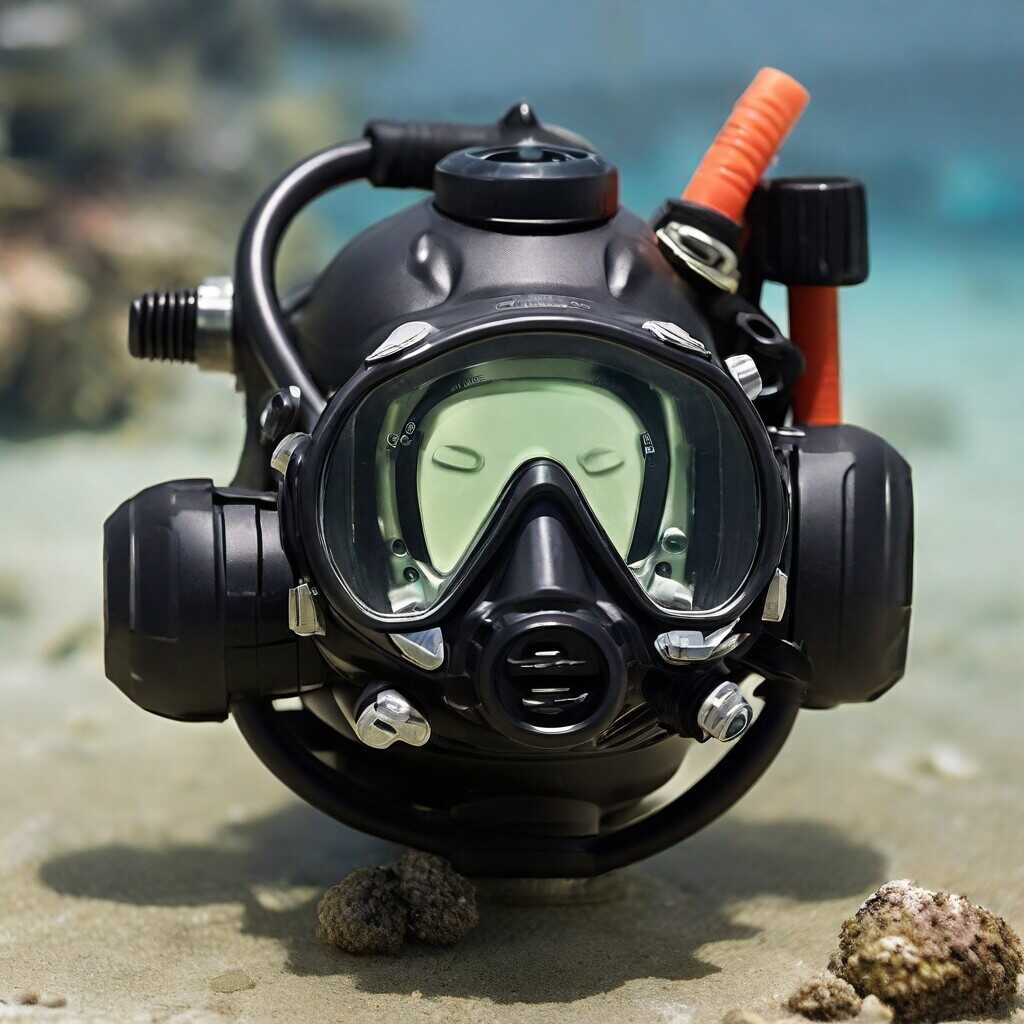
Replacing Parts in Your Scuba Diving Regulator
Regularly replacing parts in your scuba diving regulator is crucial to ensure optimal performance and safety underwater. Over time, parts such as hoses and necklaces can wear out and affect the efficiency of your equipment.
When should you replace the hose and necklaces?
It is recommended to replace the hose and necklaces in your scuba diving regulator every 2-3 years, or sooner if you notice any signs of wear and tear. A worn-out hose or necklace can lead to leaks and malfunctions, compromising your diving experience.
Ensuring Optimal Performance of Your Underwater Breather
To ensure optimal performance of your underwater breather, regular maintenance and testing are essential. Checking and testing your regulator periodically can help identify any issues before they escalate.
How often should you review and test your set?
It is recommended to review and test your scuba diving regulator set at least once a year, or before every diving season. Regular testing helps ensure that your equipment is functioning properly and can handle the pressures of underwater diving.
For more information on scuba diving regulator maintenance tips and best practices, visit the XS Scuba website at www.xsscuba.com.