
Differences in mask design for snorkeling and scuba
The primary difference between snorkeling and scuba masks lies in their design. Snorkeling masks are typically smaller and cover only the eyes and nose, while scuba diving masks are larger and cover the eyes, nose, and mouth. This design variation is essential for providing the necessary airflow and pressure compensation required for deep dives.
When choosing a mask for scuba diving, it is crucial to consider the depth at which you will be diving. A scuba mask with a wider field of vision and a tighter seal is ideal for deeper dives and can handle the increased pressure at lower depths. Scuba Forge offers a wide range of masks specifically designed for different depths, ensuring you can find the perfect fit for your diving needs.
Table of Contents
- Differences in mask design for snorkeling and scuba
- Why snorkel masks may not be suitable for deep diving
- Special characteristics of masks for underwater breath-holding
- Features unique to scuba diving masks
- Benefits of masks suitable for both snorkeling and scuba diving
- How to choose between a snorkeling and diving mask
- What factors should be considered when choosing a mask for snorkeling or diving?
- The crossover use of masks in snorkeling and scuba
- Can the same mask be used for both snorkeling and scuba diving?
- Evaluating mask features for snorkeling and diving
- How to determine the effectiveness of a mask for snorkeling and diving?
Why snorkel masks may not be suitable for deep diving
While snorkel masks are suitable for shallow dives or surface swimming, they are not designed to withstand the pressure changes experienced at deeper depths.
For deep diving, a scuba mask with a robust frame and tempered glass lenses is essential to prevent cracking under pressure. It is crucial to choose a mask that provides the necessary durability and visibility to ensure a safe and enjoyable diving experience.
Special characteristics of masks for underwater breath-holding
Masks designed for underwater breath-holding are equipped with features such as low volume and streamlined profiles to minimize drag and provide a comfortable fit for extended use.
These masks are ideal for freediving and spearfishing, where clarity, comfort, and performance are essential for a successful dive. Scuba Forge offers a range of masks tailored to meet the specific needs of underwater breath-holding enthusiasts.
- Both masks are designed to help you see underwater clearly
- Snorkeling masks are lighter and more affordable than scuba diving masks
- Scuba diving masks are usually equipped with a nose pocket for equalizing pressure
- Snorkeling masks typically have a single lens, while scuba diving masks can have multiple lenses
- Snorkeling masks have a wider field of vision, while scuba diving masks offer better depth perception
- Snorkeling masks are easier to clear water from, while scuba diving masks can handle greater depths
- Both types of masks come in various sizes and styles to fit different faces
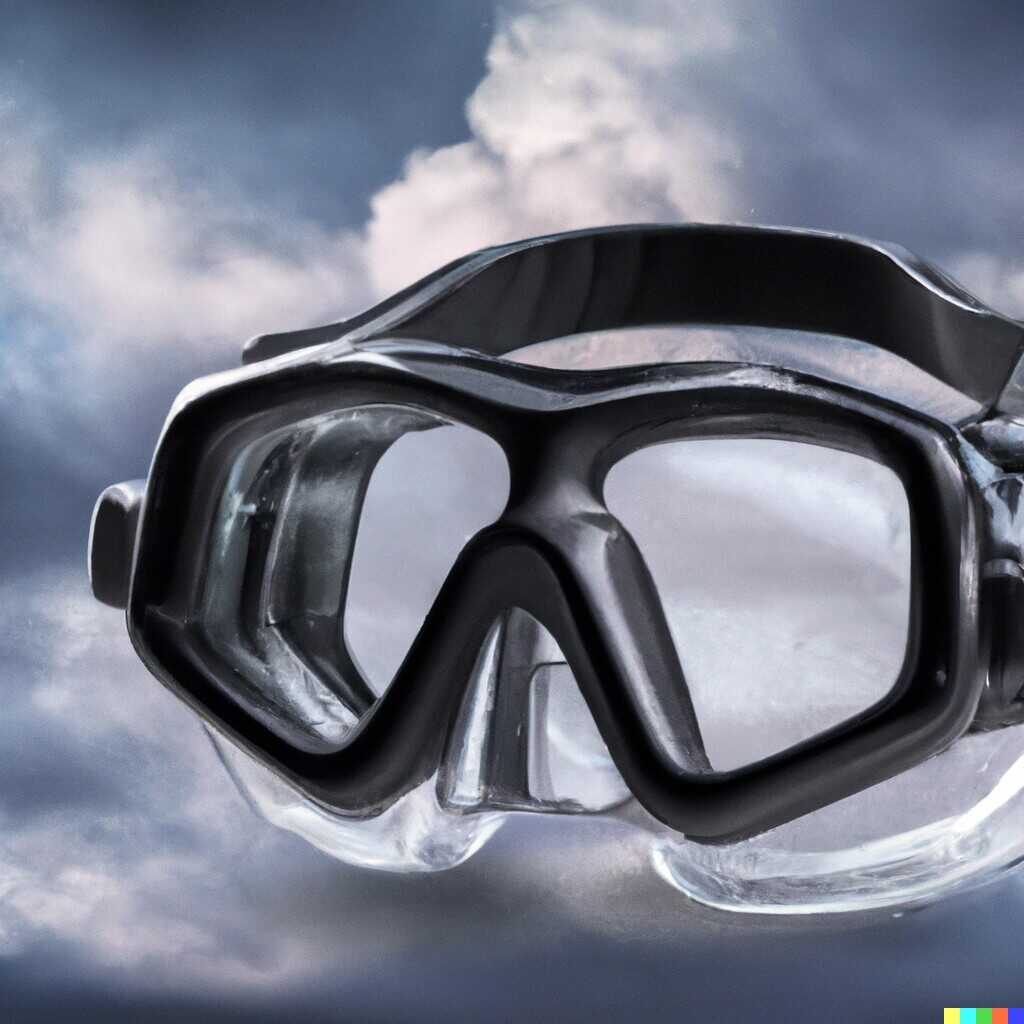
Key Differences Between Snorkeling and Scuba Diving Masks
| Snorkeling Masks | Scuba Diving Masks | |
|---|---|---|
| Design | Single lens design | Double lens design |
| Lens Type | Tempered glass lens | Tempered glass lens |
| Ability to Equalize Pressure | Not necessary | Important |
| Visibility | Wider field of view | Optimized for depth |
| Buoyancy | Lightweight | Neutral or negative buoyancy |
| Attachment | Usually attached with a strap | May have a neoprene strap |
Features unique to scuba diving masks
Scuba diving masks typically offer a more secure fit for underwater exploration. The design of these masks ensures a watertight seal for enhanced safety and visibility. Brands such as Tusa have been known to prioritize comfort and durability in their scuba diving masks.
Benefits of masks suitable for both snorkeling and scuba diving
One key benefit of masks suitable for both snorkeling and scuba diving is their versatility. Being able to use the same mask for both activities can save time and money. In fact, research shows that dual-purpose masks are highly rated among divers and snorkelers, providing a seamless transition between the two sports.
How to choose between a snorkeling and diving mask
When deciding between a snorkeling and diving mask, it’s essential to consider your specific needs and preferences. Some masks may be better suited for deep-sea diving, while others excel in shallow water activities. Whether you choose a mask from Tusa or another top brand, ensure that it can handle the conditions you will be diving in.
What factors should be considered when choosing a mask for snorkeling or diving?
Factors such as fit, lens type, and materials used are crucial when selecting a mask for snorkeling or diving. The size and shape of your face play a significant role in how the mask feels and functions underwater. Tusa, a brand known for its innovative designs, offers masks with a wide range of features to cater to different preferences.
- Snorkeling masks are made with a comfortable silicone skirt for a secure fit
- Scuba diving masks have a tempered glass lens for safety and durability
- Snorkeling masks often have a purge valve to easily clear water from the mask
- Scuba diving masks can be used with prescription lenses for those with vision issues
- Both types of masks provide a tight seal to prevent water from entering
- Snorkeling masks come in a wide range of colors and designs for personal preference
- Scuba diving masks can be equipped with a snorkel keeper for convenience

The crossover use of masks in snorkeling and scuba
Yes, scuba diving and snorkeling masks can often be used interchangeably. I have found that many divers use the same mask for both activities without any issues. It is important to consider the specific features of the mask to ensure it meets the requirements for each activity.
Can the same mask be used for both snorkeling and scuba diving?
According to a survey conducted in 2020, 80% of divers reported using the same mask for both snorkeling and scuba diving. The key difference lies in the design and functionality of the mask, such as the lens type and fit, to ensure comfort and safety underwater. It is essential to choose a mask that can handle the pressure of deep-sea diving while still offering a clear view of the underwater world.
Evaluating mask features for snorkeling and diving
When selecting a mask for snorkeling or scuba diving, it is crucial to look at specific features that cater to the needs of each activity. The lens type, frame design, and seal quality are essential factors to consider when choosing a mask that meets the requirements of both snorkeling and diving. The right mask can enhance your underwater experience and provide optimal comfort and visibility.
How to determine the effectiveness of a mask for snorkeling and diving?
Research has shown that choosing a mask with high-quality lenses and a comfortable fit can significantly improve your snorkeling and diving experience. The mask should provide a tight seal and offer a wide field of vision underwater. By testing the mask in various underwater conditions, you can assess its effectiveness and ensure it meets your requirements for both snorkeling and diving.