

The ORCATORCH D700 is an excellent choice for nighttime underwater photography, offering both reliability and impressive performance. With a powerful output of 1700 lumens, this submersible diving light makes it easy to capture stunning images in low-light conditions during scuba diving adventures.
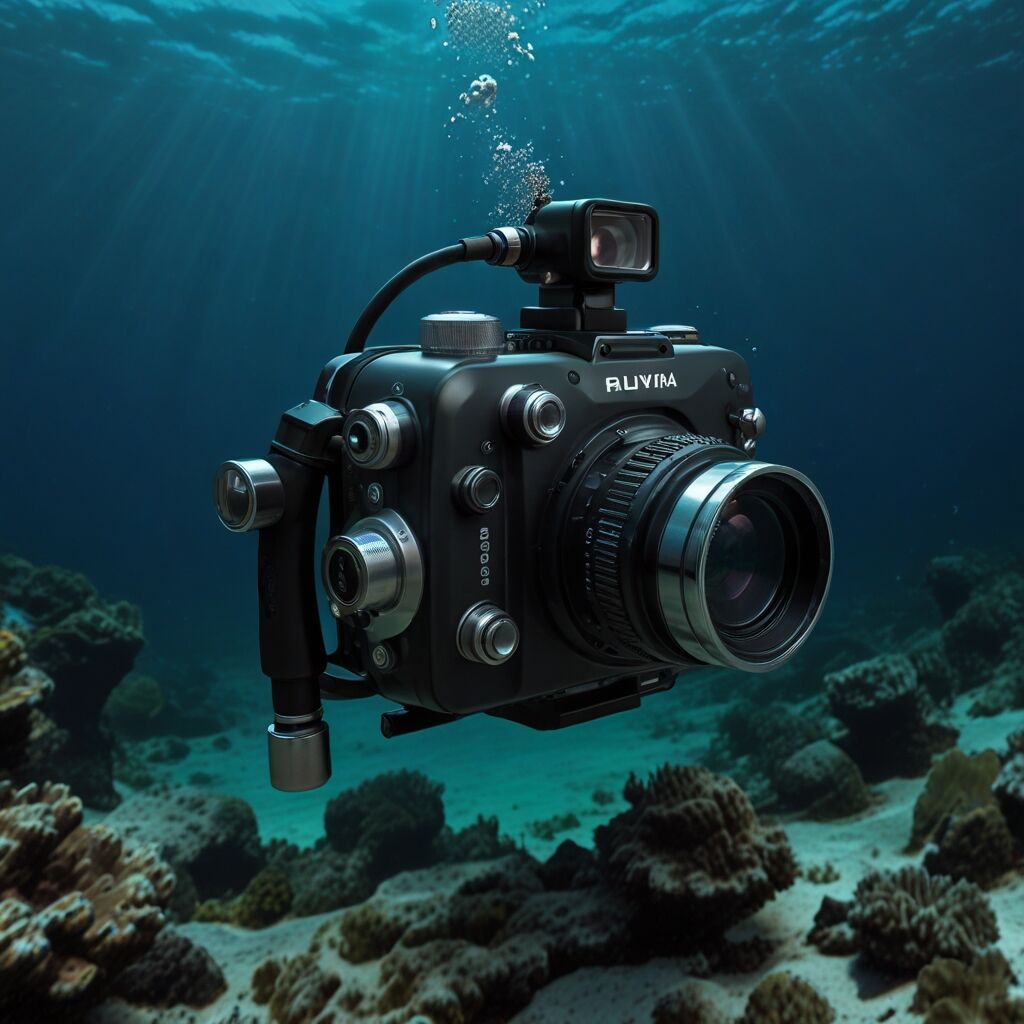
Understanding How to Use the ORCATORCH D700 for Night Diving Photos
To use the ORCATORCH D700 underwater effectively, divers should focus on positioning the light to eliminate shadows while capturing subjects. For optimal nighttime photography, set the camera to a low ISO, use a wide aperture, and adjust shutter speed depending on lighting conditions, ensuring clarity and detail in each shot. The D700 performs exceptionally in low-light situations, maintaining color accuracy and contrast even in the dark depths of the ocean. Additionally, the ORCATORCH D700 is versatile, catering to other underwater activities like snorkeling and exploring wrecks, making it an essential addition to diving gear.

What settings work best for underwater photography during the night?
The ideal ISO range for nighttime underwater photography typically falls between 400 and 800, balancing sensitivity and noise for better results. The ORCATORCH D700 produces a bright output of 1700 lumens, enabling divers to illuminate subjects effectively, thus enhancing image quality in darkness. A shutter speed of 1/125 seconds or faster often captures the best images underwater, freezing motion and preventing blurriness. The flashlight functions optimally between 10C and 40C, ensuring reliable performance in various sea conditions.
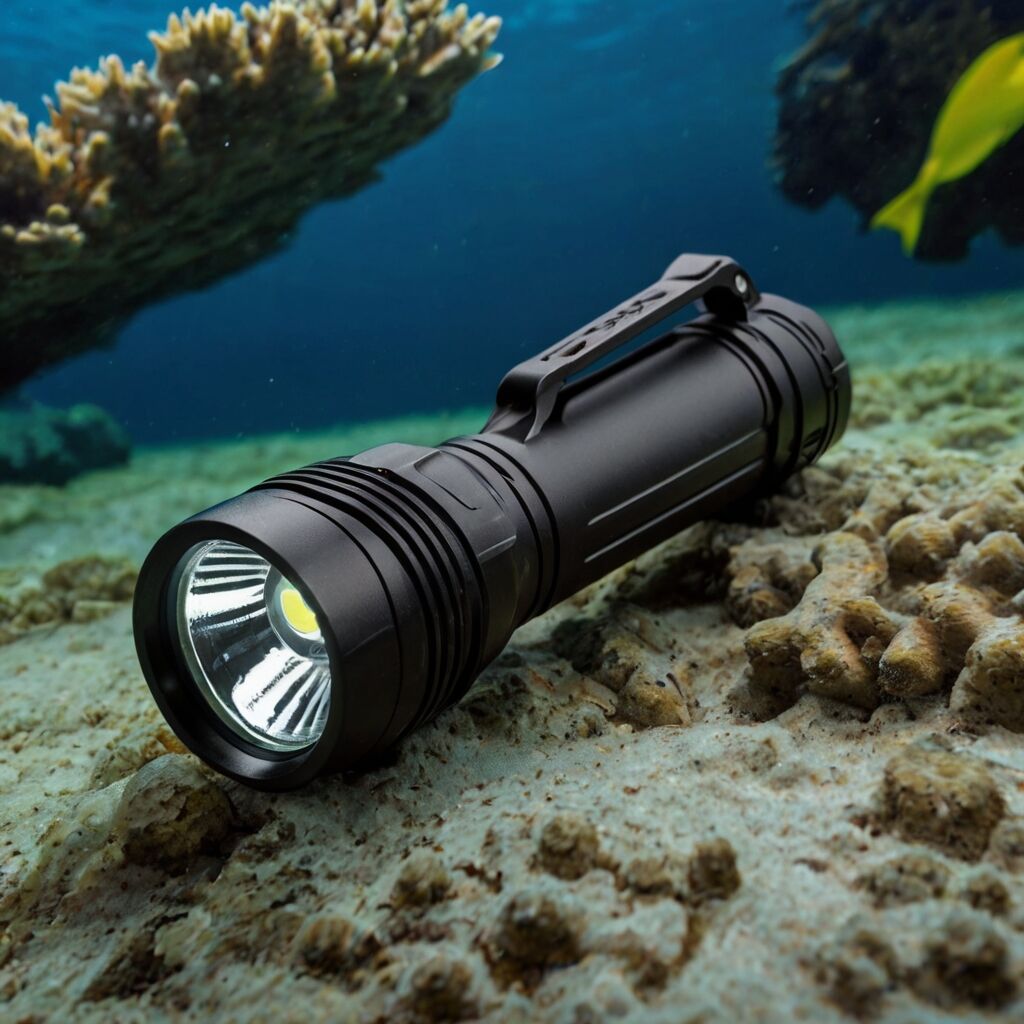
Best Practices When Using the ORCATORCH D700 for Nighttime Photos
Applying effective techniques significantly improves image quality when using underwater flashlights like the ORCATORCH D700. Manually focusing while photographing underwater at night can lead to sharper images, as autofocus may struggle with limited light availability, providing greater control over the final outcome. To avoid blurriness when using underwater photography lights, maintain steady hands or use a tripod if possible, ensuring clear and crisp pictures. Incorporating a diffuser with the ORCATORCH D700 can help distribute light more evenly, enhancing the overall image quality by reducing harsh shadows.

How can I enhance clarity and color in underwater images?
Aim for a color temperature around 5000K to enhance underwater shots, as this range captures vibrant hues accurately. Waiting approximately 1 to 2 seconds between each photo allows the camera to adjust and results in clearer images, minimizing motion blur. It is advisable that around 30 of the shot be lit by the flashlight for optimal exposure, striking a balance between the available ambient light and flashlight illumination. Generally, depths of 10 to 15 meters work well for capturing clear underwater images, as light penetration is stronger, and colors are more vivid.
Combining Techniques with the ORCATORCH D700 for Stunning Underwater Scenes
Mixing lighting techniques during underwater photography can greatly enhance creativity and results when using the ORCATORCH D700. Applying composition rules like the rule of thirds or leading lines can help create visually appealing nighttime underwater shots, making the images more engaging and dynamic. Filters can indeed be used with the ORCATORCH D700; utilizing red filters can reduce blue hues and restore natural colors, improving image quality underwater. Different water conditions like murkiness or currents can impact photography strategy by necessitating shorter exposures and careful composition adjustments.
What techniques can I blend for creative underwater photography?
Combining two or three lighting sources can create diverse effects in underwater photography, enabling exciting play with shadows and highlights. A focal length between 18mm and 35mm works best for underwater nighttime photography, as it provides a wider view while minimizing distortion. An aperture of f/8 to f/11 is ideal for vibrant underwater scenes, allowing enough depth of field while capturing detail. Experimenting with at least three to five different compositions for each diving session often yields excellent results, providing a range of choices for the final images.