

Using the ORCATORCH D530 Scuba Dive Light for detecting fluorescent minerals opens up exciting new avenues for scuba diving enthusiasts. This high-performance dive light enhances underwater visibility, allowing divers to spot and explore an array of colorful and intriguing fluorescent minerals in their natural habitats.

Using ORCATORCH D530 Scuba Dive Light to Find Fluorescent Minerals
The advantages of using a dive light for mineral detection include improved visibility and enhanced contrast between fluorescent minerals and their surroundings. The ORCATORCH D530 enhances visibility underwater by utilizing powerful 395NM light, which is specifically designed to reveal the vibrancy of different minerals that fluoresce under UV light.
Divers can discover a variety of fluorescent minerals, including fluorite, calcite, and willemite while diving with the ORCATORCH D530 Scuba Dive Light. The effectiveness of the dive light in mineral detection is influenced by various conditions, such as water clarity, depth, and ambient light levels, which can all impact the brightness of the fluorescent response.
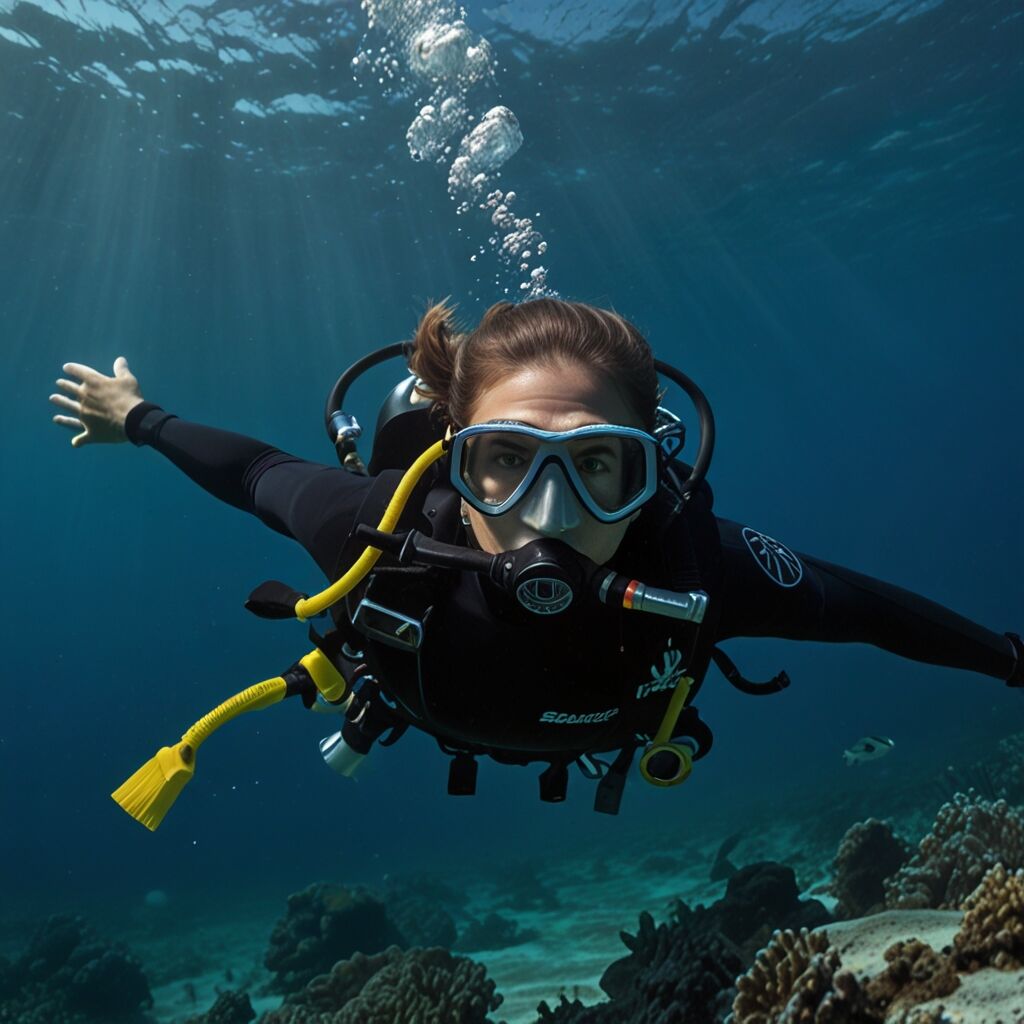
How does a diving light help in locating fluorescent minerals?
A dive light can detect numerous fluorescent minerals, with some estimates stating it can uncover over 100 types. For spotting fluorescent minerals, the ideal light intensity is around 1,000 lumens, which the ORCATORCH D530 can deliver, ensuring brilliant mineral visibility.
The light can improve underwater visibility by around 70, enabling divers to see more details and colors in the dark waters. The ORCATORCH D530 features three specific wavelengths365NM, 395NM, and 420NMallowing divers to maximize mineral detection efficiency under varying conditions.

Exploring the Features of the ORCATORCH D530 for Mineral Discovery
The unique features of the ORCATORCH D530 that aid in mineral exploration include its adjustable beam focus and high-intensity output. Beam focus directly affects mineral detection underwater; a concentrated beam allows divers to direct light precisely onto mineral deposits, increasing the chances of identification.
Users can expect a runtime of up to 2.5 hours on a full charge of the D530 UV Scuba Dive Light, which is essential for prolonged underwater exploration. The dive light is rated for depths of up to 100 meters, making it ideal for effective mineral detection in various underwater environments.

What key functions should a diving light provide for mineral hunting?
The ideal lumens output for underwater mineral detection is around 1,000 lumens, as provided by the ORCATORCH D530 Dive Light. This diving light features three different brightness levels, offering versatility to adapt to different diving conditions and specific mineral hunting needs.
The runtime in hours for high-intensity use of the ORCATORCH D530 Scuba Dive Light is approximately 2.5 hours, providing sufficient time for thorough exploration of mineral-rich areas. This dive light offers multiple modes, including high, medium, and strobe, catering to various underwater situations and enhancing the diving experience.
Maximizing Your Experience with the ORCATORCH D530 Scuba Dive Light
Divers should consider safety tips such as carrying a backup dive light and ensuring good communication signals with dive buddies when using a dive light. To maintain the ORCATORCH D530 for optimal performance, regular cleaning and battery testing are crucial to ensure reliability during dives.
Accessories such as a dive light holster, extra batteries, and mineral identification guides complement the dive light for mineral exploring. The best dive environments suited for using the ORCATORCH D530 Scuba Dive Light include caves, reefs, and areas with high mineral concentrations that benefit from strong illumination.
Which safety precautions should be taken when diving for minerals?
Divers should carry at least three safety tools, including a dive knife, a signaling device, and a first aid kit when using a dive light for mineral hunting. The recommended number of dive buddies for optimal safety during mineral diving is two, ensuring help is readily available in case of emergencies.
Divers should limit their dive time to 60 minutes to ensure safety while actively hunting for minerals. Maintaining an ideal distance of at least 1.5 meters from mineral deposits allows for safe exploration without damaging delicate underwater formations.