

Maximizing the wreck diving experience is essential for all scuba diving enthusiasts, especially with the right equipment. The ORCATORCH D700, a high-quality underwater flashlight, enhances visibility and safety, enabling divers to explore wrecks with confidence and ease.

Maximize Your Wreck Diving Adventure with the ORCATORCH D700.
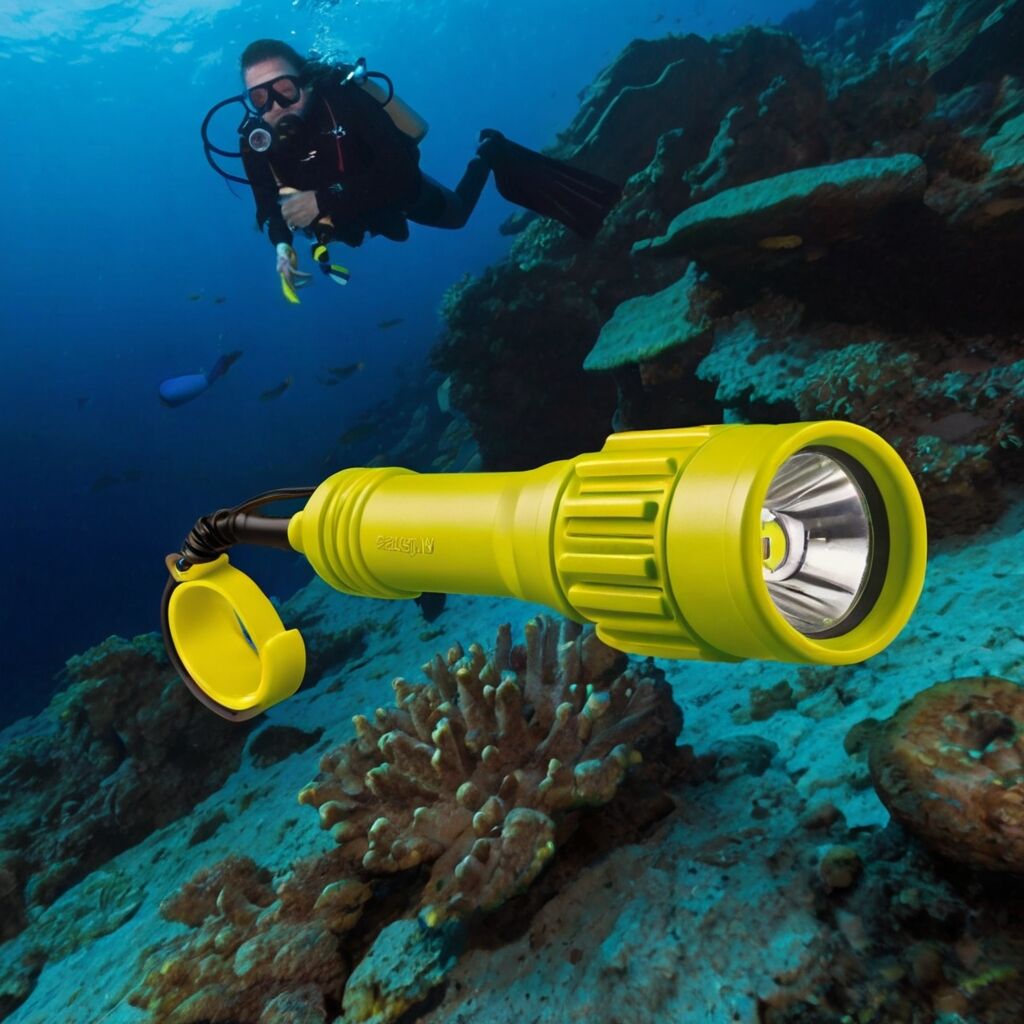
The ORCATORCH D700 provides key features that significantly enhance wreck diving experiences, such as its impressive 1700 lumens brightness and a depth rating of 150 meters. This exceptional submersible diving light is designed for wreck dives, ensuring reliability and efficiency while exploring intricate underwater landscapes. Improving wreck diving skills involves practice and attention to detail divers must focus on buoyancy control and navigation techniques. Best practices for safety during wreck diving include always diving with a buddy and conducting thorough pre-dive briefings to discuss potential hazards.

What are the best tools for enhancing my wreck diving visibility?
Good dive lights typically have a brightness of at least 1000 lumens, which allows divers to see clearly in dark environments like wrecks. Most reliable underwater flashlights, like the ORCATORCH D700, have a depth rating of 150 meters, ensuring they can handle extreme underwater conditions. Battery life under high usage should last for several hours, with the D700 providing up to 3.5 hours on high mode. The average beam distance of quality diving lights typically reaches between 100 to 200 meters, ensuring a broad field of view while navigating wrecks.

Enhance Your Underwater Exploration Experience Using the ORCATORCH D700.
To ensure a successful dive in wreck locations, divers should prepare extensively, considering the unique challenges wrecks pose. Environmental considerations for wreck diving include awareness of local marine life and potential hazards, which the ORCATORCH D700 helps illuminate effectively. Selecting the right equipment, such as a high-lumen dive light, can improve wreck diving experiences by enhancing visibility and safety levels. Buoyancy control plays a crucial role in wreck diving, as it helps divers navigate tight spaces and maintain comfort while exploring complex structures.
What are the critical skills needed for navigating wreck dives?
A significant percentage of divers, estimated at 30, feel comfortable diving without advanced training, but it is strongly recommended to have the right skills. Beginners should aim for around 10 hours of practice before attempting wreck dives to build familiarity and confidence. The ideal number of dives required to gain wreck diving proficiency is approximately 20 dives, which allows divers to develop essential skills. Before attempting a wreck dive, divers must have at least three critical skills, including buoyancy control, navigation, and proper gas management.
Optimize Your Wreck Diving Skills and Techniques with ORCATORCH D700.
Essential techniques for safe wreck exploration include proper dive planning, which involves examining the wrecks structure before entering. Dive planning dramatically impacts the success of wreck dives, allowing divers to map out entry and exit points while considering environmental conditions. Divers must understand current and tide conditions to navigate wrecks safely, as these factors can affect visibility and buoyancy. Divers can explore various wrecks, including intentionally sunk ships and historical vessels, providing unique and diverse diving experiences.
What strategies can improve my wreck diving comfort and enjoyment?
The ideal diving temperature for most divers typically ranges between 20 to 30 degrees Celsius, as it allows for comfortable diving conditions. It is advised to allow for at least one surface interval of 60 minutes between dives to prevent decompression sickness and enhance recovery. The recommended experience level for undergoing wreck dives usually falls within the advanced open water certification, where divers can acquire necessary skills. Typically, two to four divers are ideal per wreck dive, ensuring safety and making for an enjoyable experience while exploring the underwater sites.