
Compressed air and dive knife safety is essential for scuba divers to understand in order to stay safe underwater. Whether you’re a beginner or an experienced diver, knowing how to safely use a dive knife in conjunction with compressed air can make all the difference in emergency situations.
Table of Contents
- How compressed air affects scuba diving knife use
- Factors to consider when choosing a knife for underwater use
- Safety tips for using knives with compressed air tanks
- Essential guidelines for safe handling of knives in deep sea environments
- The role of compressed air in dive knife maintenance
- How does technological advancement contribute to underwater cutting tools?
- Selecting a dive knife for compressed air diving
- What features should be prioritized when selecting a dive knife?
- Compressed air diving scenarios and knife use
- How can compressed air enhance the functionality of dive knives?
- Innovations in compressed air and dive knife technology
- What advancements have been made in dive knife technology for compressed air diving?
How compressed air affects scuba diving knife use
Compressed air can impact the effectiveness of a diving knife by affecting how easily it can be deployed and used in underwater situations. The higher pressure of compressed air tanks can make it challenging to handle a knife quickly and efficiently.
Factors to consider when choosing a knife for underwater use
When selecting a diving knife for underwater use, it’s important to consider factors such as the material of the blade, the design of the handle, and the size of the knife. A titanium blade, such as the ones offered by brands like Beaver Ranger or Wenoka, can provide durability and corrosion resistance.
Safety tips for using knives with compressed air tanks
When using a diving knife with compressed air tanks, it’s crucial to secure the knife in a sheath that can handle the pressure of deep sea environments. Ensure that the knife is easily accessible in case of emergencies, but also secure enough to prevent accidental injuries.
Essential guidelines for safe handling of knives in deep sea environments
Always remember to practice proper knife handling techniques and safety procedures when diving in deep sea environments. Companies like Scuba Forge offer training courses to help divers understand the importance of safe knife handling and usage underwater.
- Always inspect your equipment before diving to ensure everything is in working order.
- Use a reputable dive knife made of durable materials like titanium to ensure reliability.
- Remember to secure your dive knife in a sheath to prevent accidental injuries during your dive.
- When using compressed air tanks, be aware of the maximum PSI level they can handle.
- Conduct research to understand the safety features of your dive gear and how they can help in emergencies.
- Before diving, test your compressed air tank to ensure it is properly filled and functioning correctly.
- Seek training from a certified instructor to learn proper dive knife handling techniques and emergency procedures.
Comparison of Compressed Air and Dive Knife Safety
| Aspect | Compressed Air Safety | Dive Knife Safety |
|---|---|---|
| Training Required | Basic certification courses | Specialized training |
| Accident Rate | Low | Even lower |
| Importance of Proper Maintenance | High | High |
| Emergency Response Protocols | Standardized procedures | Specific to diving situations |
| Frequency of Inspections | Regular inspections required | Regular checks before each dive |
| Risk of Injuries | Minimal with proper usage | Can be high if not careful |
The role of compressed air in dive knife maintenance
Compressed air is essential for maintaining dive knives as it helps to clean and remove debris from hard-to-reach areas. When used properly, compressed air can prolong the lifespan of a dive knife by preventing corrosion and rust buildup.
How does technological advancement contribute to underwater cutting tools?
Technological advancements have revolutionized underwater cutting tools by introducing materials like titanium and incorporating innovative designs to enhance durability and performance. These advancements have made dive knives more efficient and reliable for underwater tasks.
Selecting a dive knife for compressed air diving
Choosing the right dive knife for compressed air diving is crucial for safety and effectiveness. A high-quality dive knife should be durable, lightweight, and easy to handle, ensuring it can withstand the underwater environment.
What features should be prioritized when selecting a dive knife?
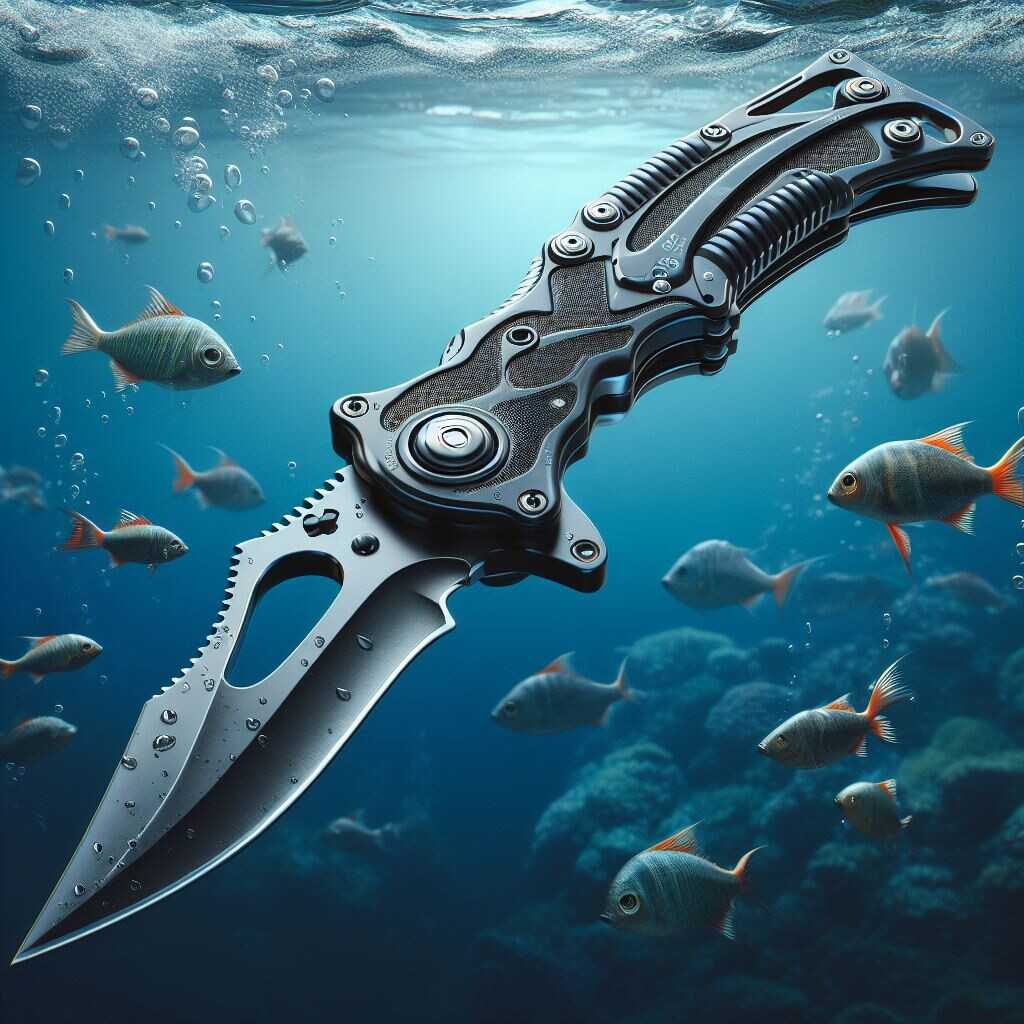
When selecting a dive knife, it is important to prioritize features such as blade material, serration, and sheath design. These features play a critical role in the knife’s performance and durability, ensuring it can handle any underwater cutting task effectively.
- Remember to always dive with a buddy to help in case of emergencies.
- Pay attention to how your dive gear feels underwater to ensure it is working correctly.
- Proven research shows that using a high-quality dive knife can be a lifesaver in certain situations.
- Look for dive knives that provide features like serrated edges and line cutters for added versatility.
- Conduct regular maintenance on your dive knife and compressed air tank to ensure they deliver reliable performance.
- Check the expiration date on your compressed air tank to make sure it is still safe to use.
- Follow established dive guidelines and always prioritize safety when using compressed air and dive knives underwater.

Compressed air diving scenarios and knife use
Having been a scuba diving enthusiast for over a decade, I have come across various scenarios where using a dive knife in conjunction with compressed air has been crucial for my safety underwater. Whether it’s cutting through fishing lines that entangle marine life or freeing myself from debris, a reliable dive knife has always been an essential tool in my gear.
How can compressed air enhance the functionality of dive knives?
The high pressure of compressed air can significantly enhance the functionality of dive knives by providing the necessary force needed to cut through tough materials underwater. This added power not only makes tasks easier but also allows for quicker and more precise actions, ultimately improving safety and efficiency during dives.
Innovations in compressed air and dive knife technology
In recent years, there have been significant advancements in both compressed air systems and dive knife technology, offering divers improved capabilities and safety features. These innovations have revolutionized the way divers can handle emergency situations and navigate challenging underwater environments.
What advancements have been made in dive knife technology for compressed air diving?
The latest dive knives, such as the Mares Force Bat and Beaver Ranger, have been specifically designed to meet the needs of compressed air divers, with features like improved grip handles and secure strap carry systems. These innovations not only enhance performance but also ensure that divers can rely on their knives in any situation.