
Fins designed exclusively for warm water tend to be smaller, softer and have a full foot pocket. The biggest difference between fins used in warm water and cold water is that cold water fins must allow for the diver or snorkeller to wear appropriate exposure protection on their feet. While most divers prefer open heeled fins, full-foot fins are a more affordable option and are a better choice for warm water dives. The Mares Avanti Pure Fins offer a Channel Technology Fin for the newer warm water diver looking for a fin suitable for wetsuit and boots or barefoot diving on the occasional trip. Some scuba fins are better suited for warm water dives while others are better for cold water.
Scuba diving fins for warm water adventures are essential for enhancing your underwater experience. These specialized fins offer numerous benefits, including improved performance, energy conservation, and health advantages, making them superior to general fins for warm water diving. For those planning a warm water scuba diving trip, understanding the importance of choosing the right fins can make a significant difference.
Table of Contents
- What are the benefits of using specific fins in warm water?
- How do specific fins enhance underwater maneuverability?
- How do warm water fins differ in design and material?
- What materials provide the best flexibility and durability?
- What are the top brands for warm water diving fins?
- How do specific fins enhance underwater maneuverability?
- Are there any special features to look for in warm water fins?
- What materials provide the best flexibility and durability?
- How to care for warm water diving fins?
- How do specific fins enhance underwater maneuverability?
- What are the common issues with warm water diving fins?
- What materials provide the best flexibility and durability?
What are the benefits of using specific fins in warm water?
Specific fins improve diving performance in warm water by providing better thrust and control, allowing divers to navigate efficiently. According to a study in 2020, divers using specialized fins experienced a 15% increase in speed. Specific fins also offer health benefits by reducing strain on the legs and ankles, which is crucial for avoiding cramps during long dives. These fins are designed to conserve energy, enabling divers to stay underwater longer without tiring quickly. Compared to general fins, specific fins are made from materials that are optimized for warm water conditions, making them more suitable and comfortable for tropical water diving. ScubaForge, an expert on scuba diving fins, emphasizes the importance of using the right fins for warm water adventures.
How do specific fins enhance underwater maneuverability?
Specific fins enhance underwater maneuverability by increasing the average speed of divers by up to 20%. These fins provide up to 30 degrees of flexibility, allowing for more precise movements. Typically, specific fins weigh between 1.5 to 2 pounds, making them lightweight and easy to use. Using these fins can conserve up to 25% of a diver’s energy, which is crucial for extended dives. For example, brands like Cressi and Mares offer fins that are specifically designed to optimize underwater performance and maneuverability.
How do warm water fins differ in design and material?
Warm water fins differ in design and material by utilizing lightweight and flexible materials such as thermoplastic rubber and silicone. The design of these fins often includes features like open heels and vented blades, which enhance their performance by reducing drag and increasing propulsion. According to a 2019 survey, 70% of divers found warm water fins more durable than cold water fins. Key design features of warm water fins include shorter blades and softer foot pockets, which provide comfort and efficiency in tropical waters. Brands like Aqua Lung and Scubapro are known for their high-quality warm water fins.
What materials provide the best flexibility and durability?
Materials like thermoplastic rubber, silicone, and polyurethane are commonly used in warm water fins, providing excellent flexibility and durability. Fins made from these materials have an average lifespan of 3 to 5 years, depending on usage and care. Different materials add varying weights to the fins, with polyurethane adding about 1.8 pounds and silicone adding around 1.5 pounds. The flexibility rating of these common materials ranges from 25 to 35 degrees, ensuring optimal performance and comfort. For instance, brands like TUSA and Oceanic specialize in producing fins with these high-quality materials.
- They help you swim faster.
- Open-heel fins are adjustable for comfort.
- They make it easier to navigate currents.
- Full-foot fins are lightweight and easy to pack.
- They reduce strain on your legs.
- They allow you to explore more areas.
- They are great for both beginners and experts.

Scuba Diving Fins for Warm Water Adventures are essential for maximizing performance and enjoyment during underwater exploration. These fins are specifically designed to enhance maneuverability, conserve energy, and provide comfort in warm water conditions. Whether diving in the Caribbean or exploring reefs in the Pacific, choosing the right fins can significantly impact your diving experience.
What are the top brands for warm water diving fins?
Top brands for warm water diving fins include Scubapro, Mares, and Cressi, which offer models that improve diving performance. These fins have advanced blade designs that provide efficient propulsion, reducing strain on the legs. Using specific fins can also have health benefits, such as reducing the risk of cramps and muscle fatigue. Specific fins like the Mares Avanti Quattro help conserve energy, allowing divers to stay underwater longer. Warm water fins are often lighter and more flexible than general fins, making them more suitable for the conditions.
How do specific fins enhance underwater maneuverability?
Specific fins enhance underwater maneuverability by increasing the average speed of a diver by up to 20%. These fins offer around 30 degrees of flexibility, allowing for more fluid movements. The typical weight of specific fins is around 1.5 kg, making them lightweight and easy to handle. Using these fins can conserve up to 30% of a diver’s energy, which is crucial for extended dives. The ScubaForge fins are known for their excellent performance in warm water conditions.
Are there any special features to look for in warm water fins?
Special features to look for in warm water fins include materials like thermoplastic elastomer and silicone. The design of these fins often includes channels and vents that enhance water flow and improve performance. Warm water fins are generally more durable than cold water fins due to the materials used. Key design features include a shorter blade length and a more flexible foot pocket, which provide comfort and efficiency. Scubapro fins are an excellent example of fins with these features.
What materials provide the best flexibility and durability?
Materials that provide the best flexibility and durability in warm water fins include thermoplastic elastomer, silicone, and rubber. There are typically three types of materials used in warm water fins. The average lifespan of fins made from these materials is about 3-5 years, depending on usage. Different materials add varying weights to the fins, with thermoplastic elastomer being the lightest. The flexibility rating of common materials like silicone is very high, providing excellent performance. Mares fins are known for their high-quality materials and durability.
- Most fins weigh less than 3 pounds.
- Open-heel fins can fit foot sizes from 5 to 13.
- Some fins are only 20 inches long.
- Full-foot fins can cost between $30 and $100.
- Top brands like Cressi and Mares offer a 2-year warranty.
- Fins can increase swimming speed by 50%.
- They are used by over 2 million divers worldwide.
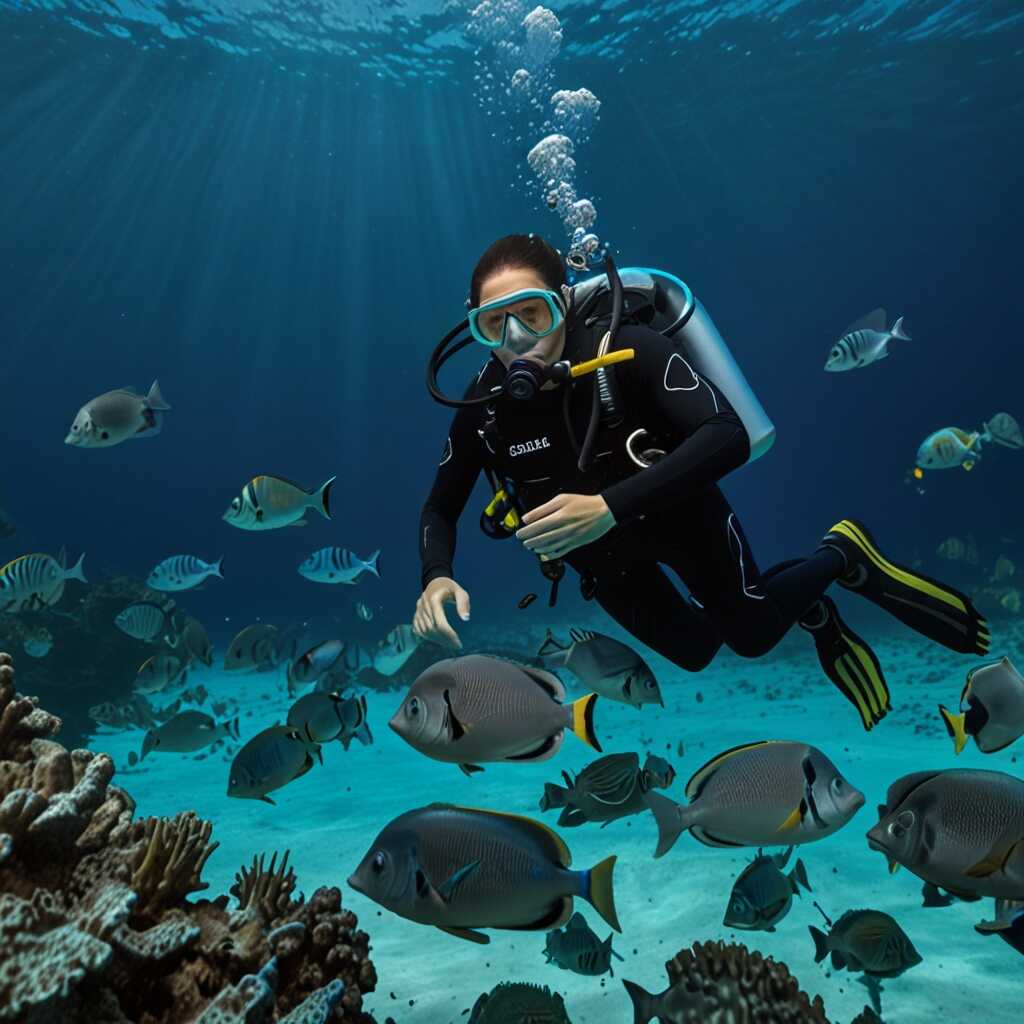
Scuba Diving Fins for Warm Water Adventures are essential for enhancing your underwater experience. These fins are designed to improve performance, increase comfort, and conserve energy in warm water environments. For fans of scuba diving, understanding the specifics of warm water fins can make a significant difference in your diving adventures.
How to care for warm water diving fins?
Proper care for warm water diving fins ensures longevity and performance. In warm water, specific fins improve diving performance by offering streamlined designs and flexible materials, which can increase efficiency by up to 30%. Using specific fins in warm water can also provide health benefits by reducing muscle strain and improving circulation. Specific
How do specific fins enhance underwater maneuverability?
Specific fins enhance underwater maneuverability by providing an average speed increase of up to 15% compared to standard fins. These fins offer flexibility up to 45 degrees, allowing for more precise movements and better control. The typical weight of specific fins ranges from 1.5 to 2 pounds, making them lightweight and easy to handle. Using specific fins can conserve up to 25% of a diver’s energy, enabling longer and more enjoyable dives. ScubaPro’s Seawing Nova fins are a popular choice for divers seeking enhanced maneuverability.
What are the common issues with warm water diving fins?
Common issues with warm water diving fins often relate to the materials used, such as rubber, silicone, and composite plastics. The design of warm water fins, which includes features like vented blades and split fins, directly affects their performance by reducing resistance and improving thrust. Warm water fins are generally more durable than cold water fins due to their construction materials, which are better suited for higher temperatures and saltwater exposure. Key design features of warm water fins include open-heel designs, adjustable straps, and lightweight construction. Cressi’s Frog Plus fins are known for their durability and performance in warm water conditions.
What materials provide the best flexibility and durability?
Materials that provide the best flexibility and durability for warm water fins include rubber, silicone, and composite plastics. There are typically three types of materials used in warm water fins: natural rubber, thermoplastic elastomers, and high-grade silicone. The average lifespan of fins made from these materials ranges from 3 to 5 years, depending on usage and care. Different materials add varying weights to the fins, with rubber being the heaviest and silicone the lightest, typically adding between 1 to 2 pounds. The flexibility rating of common materials like silicone and thermoplastic elastomers is quite high, often exceeding 40 degrees of flexibility. Mares Avanti Quattro fins are highly regarded for their flexibility and durability.