
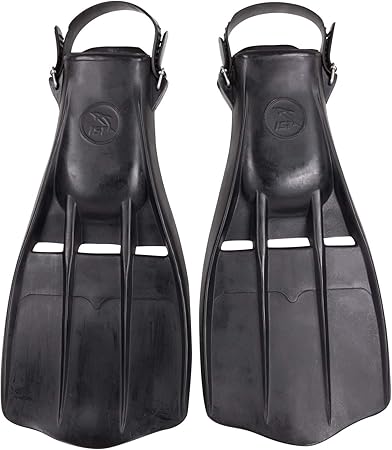
Pairing IST Rubber Rocket Scuba Fins with the right dive booties is essential for a successful diving experience. Properly matched, these diving fins enhance performance and comfort in the water while ensuring durability and reliability on underwater adventures.

Pair IST Rubber Rocket Scuba Fins with the Right Dive Booties.
When choosing dive booties to pair with IST Rubber Rocket Scuba Fins, opt for styles made from neoprene or rubber for optimal comfort and warmth. Ensuring a proper fit between fins and booties involves checking that the booties fit snugly without excessive pressure, allowing for quick removal if needed.
Using rubber fins with specific dive booties enhances overall performance by providing better control and propulsion while swimming. A recommended thickness for booties to complement IST fins is typically between 3mm to 5mm, as this range offers a balance of warmth and flexibility.

What features should I look for in compatible dive booties?
There are several styles of dive booties available, including high-top, low-profile, and split-toe designs, catering to various preferences among divers. The average thickness range for dive booties that suit rubber fins typically falls between 3mm and 7mm, depending on the desired warmth and flexibility.
Dive booties usually come in a variety of colors, including black, blue, and even bright colors for visibility in water. The price range for quality dive booties can vary, with options available from $25 to $100, depending on materials and brand reputation.

Combine IST Rubber Rocket Scuba Fins with the Best Dive Boots.
Ideal materials for dive boots that pair with rubber fins include durable neoprene and rubber, which provide both comfort and insulation for divers. Cleaning and maintaining dive boots for optimal use involves rinsing them with fresh water after each dive and storing them in a cool, dry place to prevent damage.
Weight and size significantly affect the fit of boots and fins together; ensuring both items are compatible helps prevent discomfort during dives. Specific brands, such as Mares and Aqua Lung, are known for making compatible dive boots that work well with the IST Rubber Rocket Scuba Diver Fins.

What advantages do quality dive boots offer when used with fins?
Quality dive boots often include multiple layers that enhance comfort, typically providing two to three added layers for superior cushioning. The average lifespan of durable dive boots can range from three to five years with proper care, ensuring long-lasting performance on multiple diving excursions.
Premium dive boots offer a variety of colors and designs, often showcasing at least five different options to suit personal style preferences. The standard weight of high-quality dive boots is usually around 1 to 3 pounds, allowing for easy maneuverability without compromising on support.
Select the Right Size for IST Rubber Rocket Scuba Fins and Dive Booties.
Accurately measuring foot size for fins and booties involves using a tape measure and referring to sizing charts to match measurements precisely. Factors that impact size compatibility between fins and dive booties include the thickness of the materials, which can affect how snugly both items fit together.
Sizing charts help ensure the right fit by providing clear guidelines based on foot measurements, helping divers make informed choices. There are gender-specific size differences for scuba fins and booties, with women typically wearing sizes 1 to 2 smaller than men, which means careful attention is necessary when selecting appropriate gear.
Which sizing tips can help to prevent discomfort in the water?
It is advisable to order dive booties one size larger to ensure comfort without restricting movement in the water. The typical variance in sizes across different brands can reach up to half a size, making it essential to try on various options to find the best fit.
An acceptable difference of about 0.5 to 1 inch is ideal in sizing for fins and booties, allowing for a comfortable yet secure fit. The average size discrepancy between mens and womens footwear often spans at least 1 to 2 sizes, prompting the need for extra diligence during purchases.