
Using the Shearwater Peregrine Adventures Edition for underwater photography elevates the experience of scuba diving enthusiasts by ensuring quality images and efficient settings. This advanced dive computer offers features tailored for capturing stunning underwater visuals, making it a staple for divers seeking to immortalize their adventures beneath the waves.
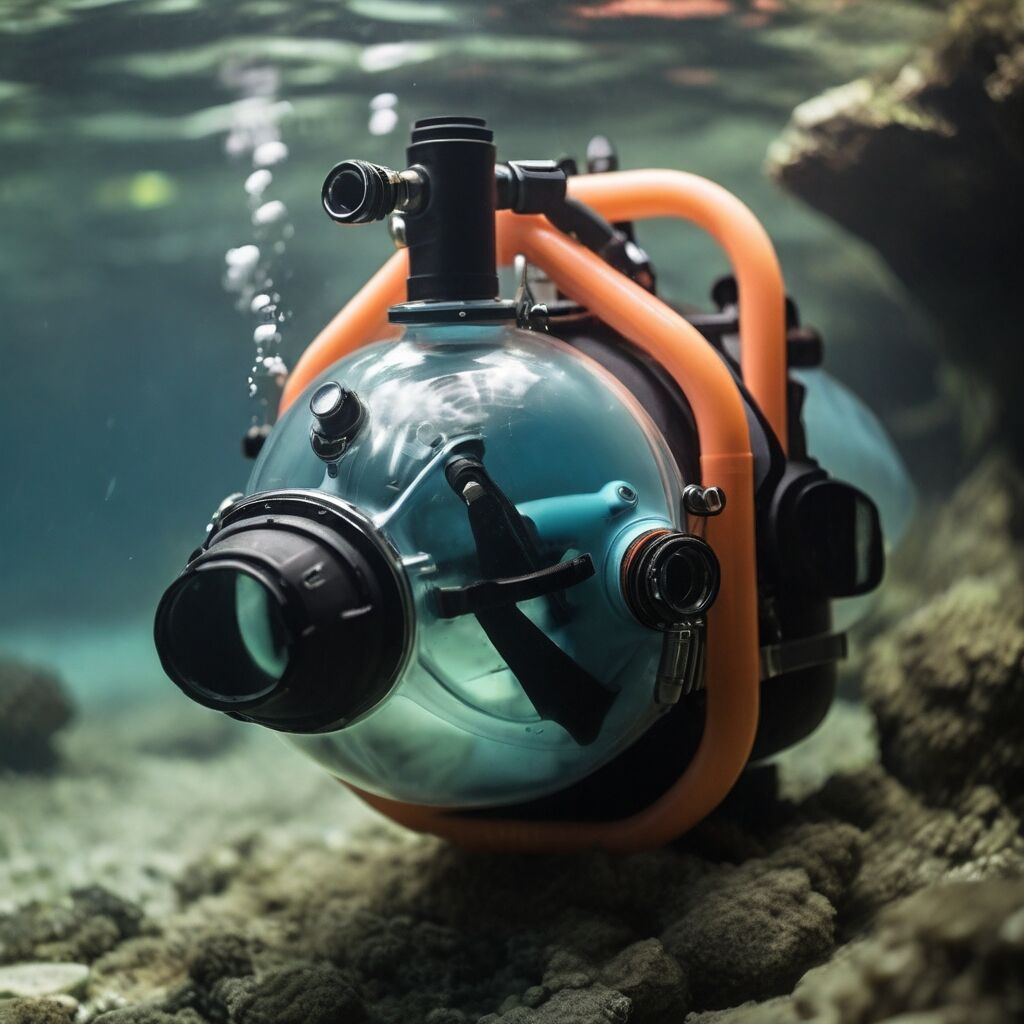
Using the Shearwater Peregrine Adventures Edition for Underwater Photography Techniques
The best photography settings for underwater images include a low ISO to minimize noise and a shutter speed of at least 1/125 seconds for clarity. Color temperature significantly impacts underwater photos; understanding that reds and oranges disappear quickly underwater will help divers adjust settings accordingly, while the Shearwater Peregrine Adventures Edition 16001-01 can effectively assist in macro photography by providing precise depth readings and timer functions. Improving lighting while shooting underwater may entail using additional flash units, which the dive computer can help regulate through its customizable settings and interfaces.

What camera settings should I use for optimal underwater photography?
The ideal aperture for underwater conditions typically ranges from f/5.6 to f/8, allowing sufficient light while maintaining focus. Divers can adapt ISO settings between 100 to 800 specifically for underwater use with the Shearwater Peregrine Adventures Edition 16001-01, depending on light conditions; a higher ISO will help in deeper, darker environments. A shutter speed of at least 1/125 seconds is recommended for capturing quick-moving sea life, preventing motion blur, while a focal length of 60mm to 100mm works best for varied underwater shots to maintain clarity in images.
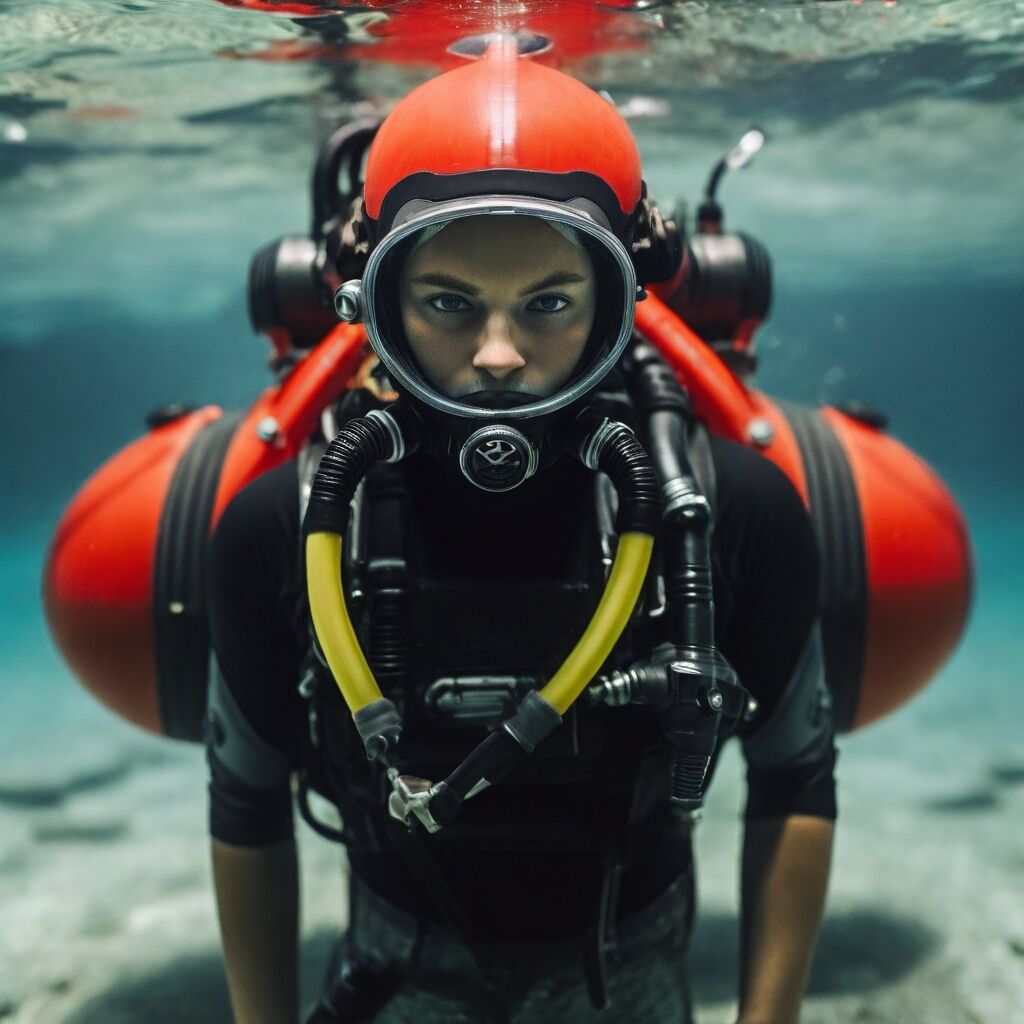
Maximizing Your Shearwater Peregrine Adventures Edition for Underwater Image Quality
Enhancing the resolution of underwater photos captured with the Shearwater Peregrine Adventures Edition 16001-01 is possible by shooting in RAW format, which preserves more detail. To reduce blur in images, divers can stabilize their buoyancy before shooting, and the dive computer features modes specifically designed for underwater photography that optimize image quality. Accessories like a steady tripod or external strobe light can further improve image quality while shooting underwater, letting divers achieve clearer and vibrant pictures.

How can I use filters to improve underwater photography clarity?
A red filter works best for reducing water color distortion, restoring the vibrant colors typically lost in deeper waters. In addition to red filters, options such as polarizers and neutral density filters are available for underwater environments, each serving a unique purpose in enhancing clarity; divers should choose based on specific shooting conditions. Filters typically block about 20-30 of light underwater, so adjusting settings on the Shearwater dive computer may be necessary to compensate. Cleaning filters regularly is critical for optimal photography results, ensuring no debris interferes with image clarity during underwater sessions.
Achieving Stunning Underwater Photography with the Shearwater Peregrine Adventures Edition
Common challenges of underwater photography with the Shearwater Peregrine Adventures Edition 16001-01 include managing depth and maintaining stable buoyancy while capturing images, both of which can affect shot quality if not addressed. Post-processing tips like adjusting brightness and contrast in software such as Adobe Lightroom can help enhance underwater shots notably; moreover, specific training programs, such as PADI photography courses, are available to bolster skills in underwater photography and optimize the use of scuba diving electronic devices.
What techniques can I adopt for better underwater composition while shooting?
The rule of thirds is highly relevant to underwater photography, encouraging divers to position subjects along grid lines for balanced shots. Mastering at least five different compositional techniques can greatly enhance underwater images, helping divers create dynamic photography; ideally, the subject should occupy about 1/3 of the frame space to create visual interest. Practicing composition regularly is essential for improving skills, as frequent exposure to different underwater scenes will refine skills and boost confidence in photography.